
Planning a trip to a new city, whether for leisure or business, involves a myriad of considerations – from booking the perfect accommodation and exploring iconic landmarks to savoring local cuisine and immersing oneself in the unique lifestyle and culture. Amidst all these exciting preparations, one crucial detail that often gets overlooked, yet holds immense importance for a smooth journey, is understanding the local time zone. For those setting their sights on the vibrant metropolis of Chicago, knowing its precise time zone is fundamental to seamless travel planning, timely arrivals, and making the most of every precious moment in the Windy City.
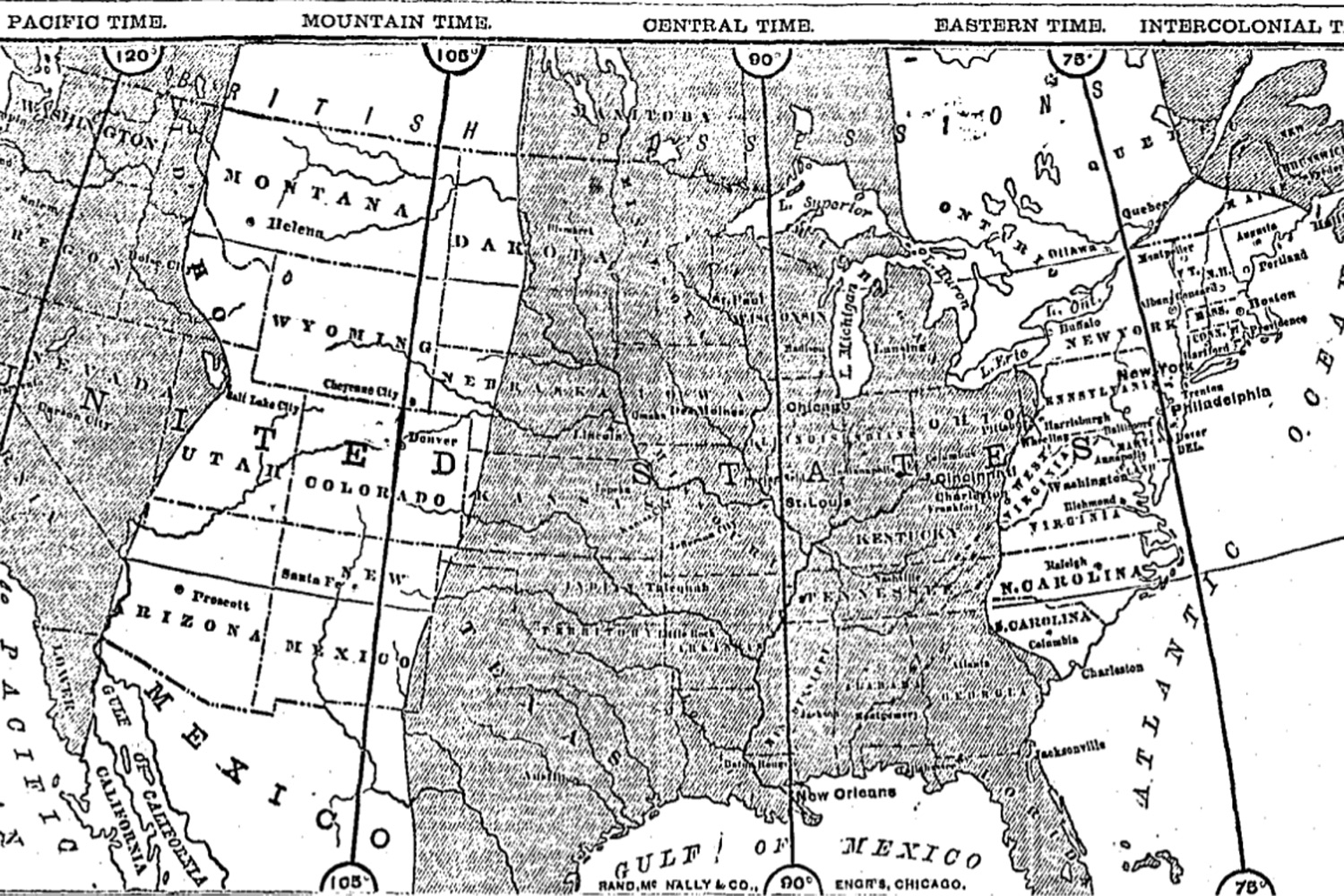
Chicago, a jewel in the heart of the United States and the largest city in Illinois, operates on Central Time. This means it adheres to Central Standard Time (CST) for roughly half the year and Central Daylight Time (CDT) during the daylight saving period. Specifically, CST is UTC-6, meaning it is six hours behind Coordinated Universal Time, while CDT is UTC-5, five hours behind UTC. This shift from standard to daylight saving time is a common practice across many regions of North America and has significant implications for travelers, residents, and businesses alike.
Understanding Central Standard Time (CST) and Central Daylight Time (CDT)
The concept of time zones emerged in the late 19th century as a practical solution to standardize timekeeping, particularly important for railway schedules and international communication. The United States is divided into several time zones, with Chicago firmly situated within the Central Time Zone. This zone spans from the southern parts of Canada down to Mexico, encompassing numerous states in the central United States.
Chicago’s Geographical Placement and Time Zones
Chicago’s location within the Central Time Zone means it shares its time with cities like Houston, Dallas, New Orleans, and St. Louis. This geographical alignment is crucial for interstate travel and business, as it minimizes the hassle of frequent time changes when moving between neighboring states. However, for those arriving from the East Coast (Eastern Time, ET) or the West Coast (Pacific Time, PT), adjusting to Chicago’s time zone is a necessary step. Chicago is typically one hour behind Eastern Time and two hours ahead of Pacific Time. This seemingly small difference can have a noticeable impact on sleep patterns, meeting schedules, and overall daily rhythm, especially for long-haul travelers.
The Rhythms of Daylight Saving Time
Daylight Saving Time (DST) is observed in Chicago, as it is throughout most of the United States. This means that on the second Sunday in March, clocks “spring forward” by one hour, shifting from Central Standard Time (CST) to Central Daylight Time (CDT). This change provides an extra hour of daylight in the evenings, which is particularly beneficial for tourism and outdoor activities during the warmer months. On the first Sunday in November, clocks “fall back” by one hour, returning to Central Standard Time.
For travelers, understanding the DST transition dates is vital. An arrival during the “spring forward” weekend could mean losing an hour, potentially impacting early morning appointments or check-in times at your chosen hotel or resort. Conversely, the “fall back” weekend grants an extra hour, which can be a welcome bonus for those seeking a little more rest. Always double-check your arrival and departure dates against the DST schedule to avoid any unexpected surprises. This attention to detail is a hallmark of stress-free travel planning and ensures your journey to Chicago is as smooth as possible.
Navigating Chicago’s Time Zone as a Traveler
Effective time management is a cornerstone of a successful trip, and nowhere is this more apparent than when dealing with time zone changes. For visitors to Chicago, especially those crossing multiple time zones, a strategic approach to scheduling can significantly enhance their experience, allowing them to fully immerse themselves in the city’s myriad offerings.
Planning Your Arrival and Departure
The moments immediately before and after your flight or train journey are critical. When flying into O’Hare International Airport (ORD) or Midway International Airport (MDW), be mindful of your arrival time in relation to your body clock. If you’re arriving from the east, you’ll gain an hour, which can be helpful for getting settled. From the west, you’ll lose two hours, which might necessitate an earlier bedtime on your first night to combat potential jet lag.
Consider your hotel check-in times. Most hotels in Chicago, whether a luxury suite in the Loop or a boutique apartment in River North, have standard check-in hours, typically in the afternoon. If you arrive early, inquire about early check-in amenities or baggage storage options. Similarly, on departure day, knowing the local time is essential for timely check-out and getting to the airport without rush. Many hotels offer late check-out options, sometimes for an additional fee, which can be a lifesaver if your flight leaves later in the day.
Scheduling Attractions and Activities
Chicago boasts an incredible array of attractions, from world-class museums to vibrant entertainment venues. Each has its own operating hours, and these are, of course, based on Chicago time. Planning your itinerary around these times is crucial. Want to visit the Art Institute of Chicago first thing in the morning? Make sure you’re awake and ready by its opening time. Planning a sunset view from Skydeck Chicago at the Willis Tower? Factor in travel time and potential queues, all while keeping a close eye on the local clock.
Dining reservations, especially at popular Chicago restaurants known for their deep-dish pizza or Michelin-starred experiences, are often time-sensitive. A reservation for 7:00 PM Chicago time should be strictly adhered to. When booking tours, such as a Chicago River architectural boat tour or a historical walking tour, confirm the start times and arrive promptly. Being aware of the local time zone ensures you don’t miss out on any of the fantastic experiences Chicago has to offer.
Business Travel Considerations
For business travelers, time zone management takes on an even greater significance. Meetings, conferences, and remote communication all depend on synchronized schedules. If you’re communicating with colleagues on the East Coast, remember they are one hour ahead. Conversely, those on the West Coast are two or three hours behind. Clear communication about time zones (e.g., “3 PM CST” instead of just “3 PM”) can prevent misunderstandings and missed connections. Many apps and tools are available to help manage multiple time zones, making international or coast-to-coast business interactions smoother. Factor in potential time differences when scheduling important calls or presentations to ensure maximum participation and efficiency.
Maximizing Your Chicago Experience: Beyond the Clock
While understanding the time zone is a practical necessity, it also enables you to fully embrace and maximize your Chicago experience. From iconic landmarks to delectable culinary adventures, being in sync with local time allows for effortless exploration.
Iconic Chicago Landmarks and Attractions
Chicago’s reputation as a world-class travel destination is built on its impressive array of attractions. Your time in the city is precious, so plan wisely. Start your day early at Millennium Park to capture stunning photos with Cloud Gate (The Bean) before the crowds gather. Dedicate ample time to explore the vast collections at the Art Institute of Chicago or delve into natural history at the Field Museum. These cultural institutions often require several hours to properly appreciate.
Consider visiting Navy Pier in the late afternoon to enjoy its attractions before settling in for a beautiful sunset view over Lake Michigan. Shopping enthusiasts will want to allocate significant time to browse the high-end boutiques and department stores along the Magnificent Mile. Each of these experiences, whether a leisurely stroll or an immersive museum visit, benefits from thoughtful scheduling within the local time frame. Don’t forget to account for travel time between attractions, particularly if using public transport like the Chicago Transit Authority (CTA) “L” trains or buses.
Culinary Delights and Chicago’s Food Scene
Chicago’s food scene is legendary, offering everything from classic deep-dish pizza to innovative fine dining. Punctuality is key when indulging in these culinary experiences. Many popular breakfast and brunch spots, especially in neighborhoods like Wrigleyville or Streeterville, can have long waits, so arriving early or making reservations is advisable. Dinner reservations, particularly on weekends, are often essential.
Take advantage of the local time to explore different dining experiences. Perhaps a late lunch followed by an early dinner to catch a show, or a leisurely brunch on a Sunday. With the extra daylight during CDT, you might find yourself lingering longer at outdoor cafes or rooftop bars, enjoying the vibrant evening atmosphere of the city. Make sure to check the operating hours of local bakeries, cafes, and bars; some establishments have specific happy hour times or closing hours that could affect your plans.
Accommodation and Lifestyle in Chicago
Your choice of accommodation in Chicago can also be influenced by the time zone. Luxury hotels like the Four Seasons Hotel Chicago or The Peninsula Chicago often cater to international travelers, offering amenities designed to ease jet lag, such as 24-hour room service or flexible check-in/out options upon request. For those seeking a unique stay, checking into a historic establishment like the Palmer House Hilton means immersing yourself in Chicago’s past, but still operating on its current time. When reviewing hotels and apartments on various platforms, pay attention to their stated check-in and check-out times, as well as breakfast service hours, all of which will be in local Chicago time.
The lifestyle in Chicago is dynamic, with early morning commuters, bustling business districts during the day, and vibrant nightlife. Being aware of the local rhythm means you can integrate seamlessly. Early risers can enjoy a quiet morning walk along Michigan Avenue or a peaceful moment at Lincoln Park Zoo before the crowds descend. Night owls can explore the city’s extensive live music venues or enjoy late-night dining. Your personal preference, combined with an understanding of local timings, will shape your bespoke Chicago experience.
Practical Tips for a Seamless Chicago Trip
Beyond merely knowing the time zone, several practical steps can ensure your Chicago adventure is smooth and enjoyable, free from time-related glitches.
Syncing Your Devices
Upon arrival in Chicago, the first and most critical step is to ensure all your devices – smartphones, smartwatches, and laptops – automatically update to the local Central Time. Most modern devices are set to do this automatically when connected to a network, but it’s always wise to double-check. Manually adjust any analog watches or clocks you might be carrying. Relying on an unsynchronized device can lead to missed flights, appointments, or reservations, turning what should be a delightful travel experience into a stressful one.
Communication Across Time Zones
If you’re traveling with family or colleagues in different time zones, or if you need to make international calls, always confirm the local time for both parties. Utilize world clock features on your phone or online converters to schedule calls or video chats at a convenient hour for everyone involved. For example, a 9 AM Chicago time call would be 10 AM in New York City and 7 AM in Los Angeles. This simple courtesy can prevent frustration and enhance communication efficiency.

Local Transport and Peak Hours
Chicago’s public transportation system, managed by the Chicago Transit Authority (CTA) and Metra commuter rail, is efficient but can be very busy during peak hours. Understanding the local time helps you plan your movements effectively. Typically, rush hour occurs from around 7 AM to 9 AM and 4 PM to 6 PM on weekdays. If you’re heading to a museum or a show, planning your journey outside these windows can save you time and provide a more comfortable ride. Even if you’re using ride-sharing services, traffic patterns are heavily influenced by local time, so factor this into your travel estimates.
In conclusion, while the question “What Is The Time Zone In Chicago?” might seem straightforward, its implications for travelers are far-reaching. Chicago operates on Central Time, observing both Central Standard Time (UTC-6) and Central Daylight Time (UTC-5) during the year. This knowledge is not just a trivial detail but a fundamental piece of information that underpins effective travel planning. By understanding and accounting for Chicago’s time zone, you can ensure smooth arrivals, punctual participation in attractions, efficient business dealings, and a relaxed, enjoyable exploration of this magnificent city. So, set your watches, adjust your schedules, and get ready to experience all that Chicago has to offer, right on time.
LifeOutOfTheBox is a participant in the Amazon Services LLC Associates Program, an affiliate advertising program designed to provide a means for sites to earn advertising fees by advertising and linking to Amazon.com. Amazon, the Amazon logo, AmazonSupply, and the AmazonSupply logo are trademarks of Amazon.com, Inc. or its affiliates. As an Amazon Associate we earn affiliate commissions from qualifying purchases.