
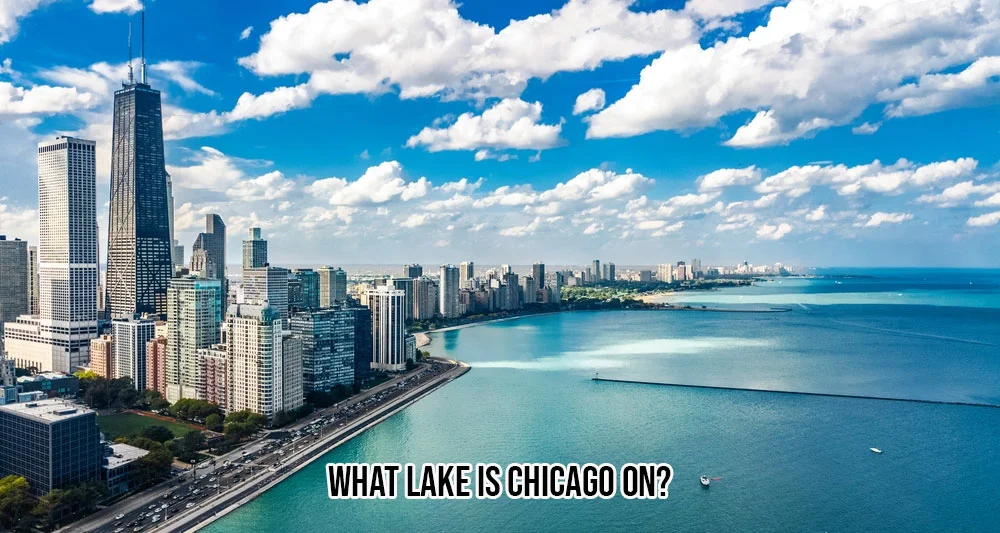
When one thinks of Chicago, images of soaring skyscrapers, a vibrant arts scene, world-class dining, and bustling urban life often come to mind. Yet, inextricably linked to this dynamic city is a vast, sparkling expanse of freshwater that shapes its skyline, defines its leisure, and has played a pivotal role in its historical and economic development: Lake Michigan. This magnificent body of water is not merely a backdrop; it is a central character in the Chicago experience, offering everything from serene natural beauty to an array of exciting urban attractions. For travelers, understanding the profound influence of Lake Michigan is key to unlocking the full potential of a visit to the Windy City, whether you’re seeking relaxation, adventure, cultural immersion, or luxurious accommodation with unparalleled views.
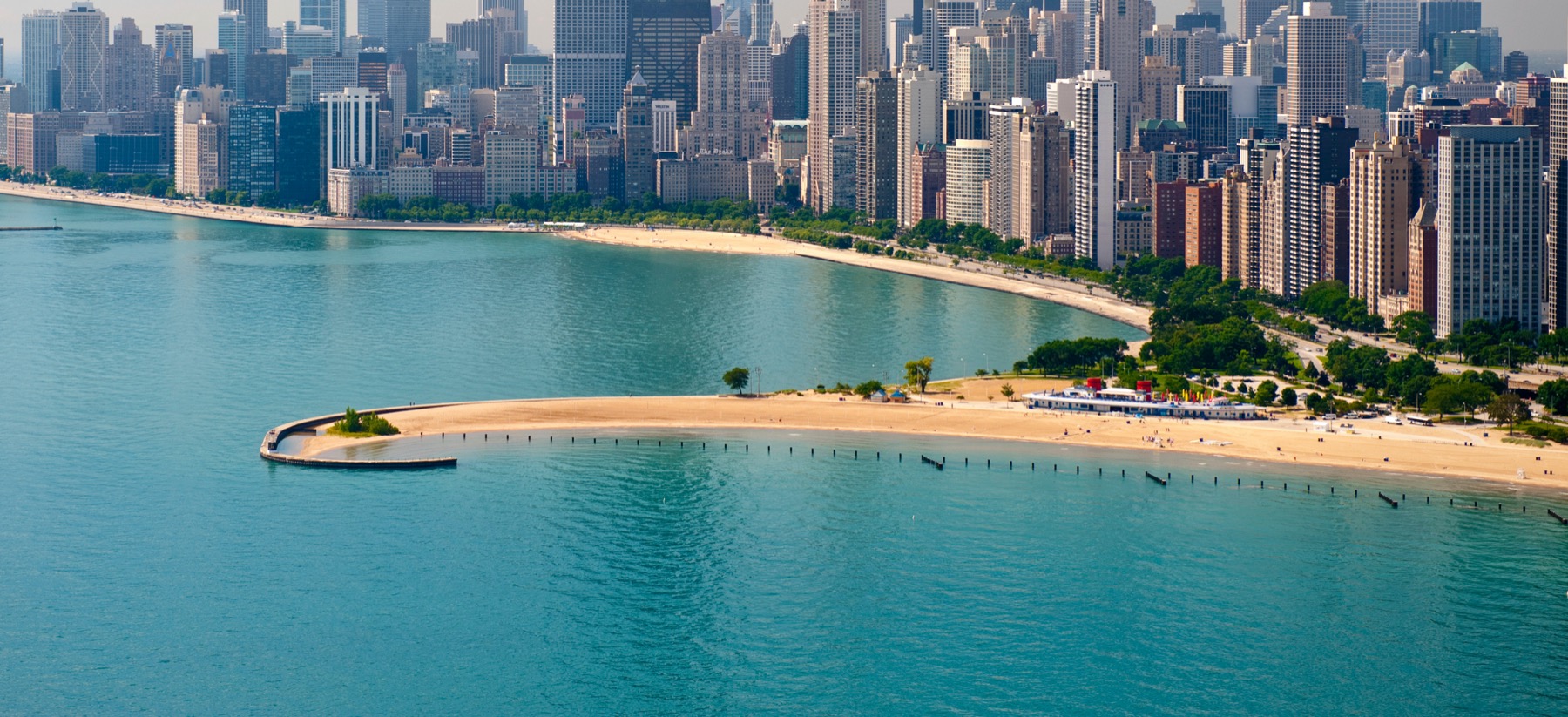
This article delves into the heart of Chicago’s relationship with Lake Michigan, exploring its natural grandeur, the wealth of attractions and activities it offers, the diverse accommodation options that capitalize on its presence, and the essential tips for incorporating this majestic lake into your travel itinerary.
The Majestic Presence of Lake Michigan: A Natural and Historical Landmark
Lake Michigan is one of North America’s five Great Lakes, and it stands out as the only one located entirely within the United States. Bordered by Illinois, Wisconsin, Indiana, and Michigan, its sheer scale is awe-inspiring. With a surface area of approximately 22,404 square miles, it’s the second-largest of the Great Lakes by volume and the fifth largest lake in the world. Looking out from Chicago’s shores, it often feels more like an ocean, with endless horizons and crashing waves. This vastness contributes significantly to Chicago’s unique character, providing a refreshing counterpoint to the urban intensity.
Historically, Lake Michigan was instrumental in the establishment and growth of Chicago. Its strategic location facilitated trade, transportation, and industrial development, connecting the burgeoning city to a broader network of waterways that included the Mississippi River system via the Chicago River and various canals. Today, while its commercial role has evolved, its significance as a natural landmark and a source of freshwater remains paramount. The lake influences Chicago’s climate, offers a habitat for diverse wildlife, and provides critical recreational space for millions.
Geological Grandeur and Ecological Importance
The geological story of Lake Michigan is one shaped by glaciers, carving out its deep basin over millennia. This process left behind a varied shoreline, from sandy beaches to dramatic dunes, although Chicago’s stretch is predominantly characterized by its expansive urban beaches and parks. Ecologically, the lake is a vital ecosystem, supporting various fish species like salmon, trout, and perch, which in turn sustain a robust sport fishing industry. Birdwatchers flock to its shores during migration seasons, observing a myriad of waterfowl and migratory birds. Efforts to preserve its pristine waters and diverse flora and fauna are ongoing, reflecting a deep appreciation for this natural treasure.
The presence of such a monumental natural feature within a major metropolitan area offers a unique blend of urban sophistication and natural escapism, enriching the lifestyle of residents and enhancing the experiences of visitors.
Chicago’s Lakeside Playground: Attractions and Activities for Every Traveler
The Lake Michigan shoreline in Chicago is far more than just a scenic view; it’s a dynamic hub of activity, packed with attractions and experiences that cater to every type of traveler. From tranquil moments on sandy beaches to exhilarating boat tours and world-class museums, the lakefront defines a significant portion of Chicago’s identity as a premier travel destination.
Iconic Beaches and the Lakefront Trail
Chicago boasts several beautiful urban beaches that become vibrant centers of activity during the warmer months. North Avenue Beach, known for its unique ocean liner-shaped beach house, is popular for sunbathing, swimming, and beach volleyball. Oak Street Beach offers stunning skyline views and a more relaxed atmosphere, while Ohio Street Beach, protected by Navy Pier, is ideal for families and casual swims.
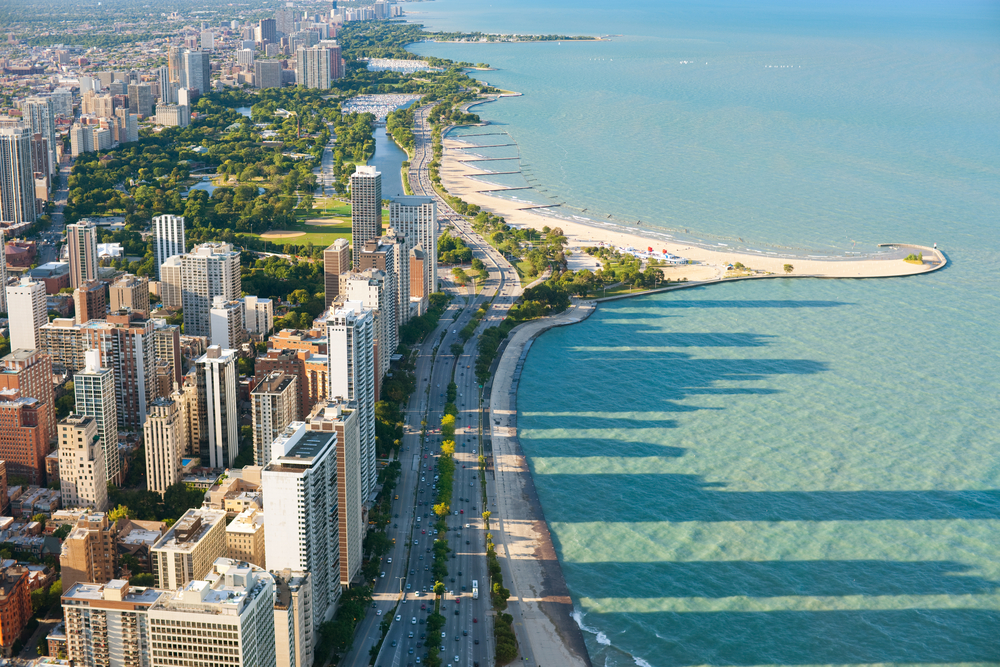
Connecting these beaches and extending for 18 miles along the city’s eastern edge is the Lakefront Trail. This paved path is a paradise for runners, cyclists, and walkers, offering uninterrupted views of the lake on one side and the city’s architectural marvels on the other. Renting a bike and exploring the trail is one of the most quintessential Chicago experiences, allowing visitors to soak in both natural beauty and urban grandeur.
World-Class Museums and Cultural Hubs
The lakefront is home to Chicago’s renowned Museum Campus, a sprawling greenspace that houses three of the city’s most significant cultural landmarks. The Shedd Aquarium invites visitors to explore aquatic life from around the globe, with incredible exhibits ranging from local Great Lakes species to exotic marine creatures. The Field Museum offers a fascinating journey through natural history, famous for its extensive dinosaur collections and cultural artifacts. Completing the trio, the Adler Planetarium provides an immersive exploration of the cosmos, complete with breathtaking sky shows and observatory views of the skyline. These institutions offer enriching experiences for all ages, making them perfect for family trips.
Adjacent to the Museum Campus are Grant Park and Millennium Park, two essential components of Chicago’s cultural landscape. Grant Park, often called ” Chicago’s Front Yard,” hosts numerous festivals and events, including the famous Lollapalooza and Taste of Chicago. Its centerpiece, Buckingham Fountain, is one of the largest in the world, putting on spectacular water displays. Millennium Park, known for its iconic Cloud Gate sculpture (the “Bean”) and the innovative Jay Pritzker Pavilion, showcases public art and architecture in a stunning urban setting.
Thrills and Cruises at Navy Pier
A short walk north of the Museum Campus leads to Navy Pier, one of Chicago’s most visited attractions. This historic pier extends into Lake Michigan, offering a medley of entertainment, dining, and scenic views. Visitors can ride the iconic Centennial Wheel for panoramic city and lake vistas, explore the Chicago Children’s Museum, catch a show at the Chicago Shakespeare Theater, or simply enjoy a meal at one of its many restaurants. Navy Pier is also the departure point for various boat tours, including architectural cruises along the Chicago River and leisurely cruises on Lake Michigan for sunset views or fireworks displays.
For those interested in maritime history or simply enjoying the outdoors, further north is Lincoln Park, a vast urban oasis featuring a free zoo, conservatories, and additional beach access. The integration of such diverse attractions with the natural beauty of Lake Michigan makes Chicago an unparalleled destination for tourism.
Lakeside Living: Hotels and Accommodation with a View
The allure of Lake Michigan extends directly to Chicago’s vibrant hotels and accommodation scene. Many of the city’s finest resorts and suites boast breathtaking lake views, transforming a simple stay into a memorable lifestyle experience. Whether you’re planning a luxury travel getaway, a business stay, or a comfortable family vacation, the options are plentiful and diverse.
Luxury Hotels with Panoramic Lake Views
For those seeking an indulgent escape, Chicago’s luxury hotels along or near the lakefront offer unparalleled elegance and service. Properties like The Peninsula Chicago, Four Seasons Hotel Chicago, and Waldorf Astoria Chicago on the famed Magnificent Mile provide lavish suites with floor-to-ceiling windows overlooking Lake Michigan and the city skyline. Guests can enjoy world-class amenities such as rooftop pools, exquisite dining, and rejuvenating spas, all while being steps away from premier shopping and attractions.
Further south, overlooking the Chicago River with clear views extending to the lake, are hotels like LondonHouse Chicago and The Langham Chicago. These establishments blend historic architecture with modern luxury, offering exceptional service and prime locations for exploring both the lakefront and the Loop business district. Imagine waking up to the sunrise over Lake Michigan from your private balcony or enjoying a sundowner on a rooftop bar with the city lights twinkling against the dark water.
Mid-Range and Boutique Options
Travelers looking for comfort and convenience without the premium price tag will find numerous excellent mid-range hotels that still offer great access to the lake. The Hyatt Regency Chicago, one of the city’s largest hotels, frequently offers rooms with lake views and is strategically located for both business stays and tourism. Other notable options include Loews Chicago Hotel and Virgin Hotels Chicago, which provide stylish accommodations and modern amenities within easy reach of the waterfront.
Boutique hotels like Thompson Chicago in the Gold Coast and The Godfrey Hotel Chicago in River North offer unique design and personalized service, often just a short stroll from the beaches and the Lakefront Trail. These hotels provide a more intimate experience while ensuring guests can easily access Lake Michigan’s many offerings.
Alternative Accommodation: Apartments and Long-Term Stays
For long-term stays or those preferring a home-away-from-home experience, Chicago also offers a wide selection of serviced apartments and vacation rentals through platforms like Airbnbs. Many properties in neighborhoods like Streeterville, Gold Coast, and the Loop boast stunning lake views and provide the convenience of fully equipped kitchens and spacious living areas. These options are particularly appealing for family trips, groups, or business stays where extended comfort and self-sufficiency are desired. When booking, it’s advisable to read reviews and use comparison tools to find the perfect fit for your budget and preferences, always keeping an eye out for those coveted lake views that elevate any stay in Chicago.
Culinary Delights and Cultural Vibrancy Along the Waterfront
The influence of Lake Michigan extends beyond scenic beauty and recreation, seeping into the local culture and culinary landscape of Chicago. The lakefront areas are alive with diverse dining options and host numerous cultural activities throughout the year, enriching the tourism experience.
Lakeside Dining Experiences
While Chicago is famed for its deep-dish pizza and Chicago-style hot dog, the lakefront offers unique dining experiences with a view. Many restaurants on Navy Pier provide casual to upscale food options, perfect for enjoying a meal while watching boats glide across the lake. Beyond the immediate waterfront, high-rise establishments like the Signature Room at the 95th in the John Hancock Center offer spectacular panoramic views that encompass Lake Michigan and the sprawling city below, making for an unforgettable fine dining experience.
During warmer months, casual cafes and food stands pop up along the beaches and the Lakefront Trail, offering quick bites, ice cream, and refreshing drinks for those enjoying the outdoors. These spots capture the relaxed, vacation-like lifestyle that the lake brings to the urban environment.
Festivals and Events: A Cultural Tapestry
The lakefront parks and Navy Pier are perennial hosts for a packed calendar of festivals and events, adding layers of local culture and entertainment to the Chicago experience.
Grant Park, with its vast open spaces, is home to major music festivals like Lollapalooza and blues and jazz festivals, drawing crowds from across the globe. The Taste of Chicago, held annually in Grant Park, transforms the area into a massive outdoor food festival, showcasing the city’s diverse culinary scene.
Navy Pier frequently features free concerts, art installations, and dazzling fireworks displays over Lake Michigan, especially during summer and holiday seasons. Even colder months bring unique charms, such as special light installations and festive markets. The city’s famous St. Patrick’s Day celebration, including the dyeing of the Chicago River green, culminates in views of the vibrant river against the backdrop of the majestic lake. These events provide fantastic opportunities for visitors to immerse themselves in Chicago’s lively community spirit and rich local culture.
Planning Your Chicago Lakefront Experience: Tips and Practicalities
Maximizing your Lake Michigan experience in Chicago requires a bit of planning, ensuring you can comfortably navigate the city and enjoy its many offerings. Here are some tips for a seamless and memorable travel adventure, whether you’re on a budget travel journey or a luxury travel spree.
Best Time to Visit and What to Pack
The best time to travel to Chicago for a comprehensive lakefront experience is typically from late spring (May) through early autumn (October). During these months, the weather is pleasant, ideal for beach activities, boat tours, and exploring parks. Summer (June-August) is peak tourism season, with warm temperatures and a bustling events calendar, but also larger crowds and higher prices for hotels and flights. Spring and fall offer cooler temperatures, fewer crowds, and beautiful seasonal foliage.
Given Chicago’s notoriously changeable weather, layers are always a good idea. Even in summer, a jacket or sweater is useful for cooler evenings or brisk lake breezes. Comfortable walking shoes are essential for exploring the vast Lakefront Trail and various attractions. Don’t forget sunscreen, sunglasses, and a hat, especially if you plan to spend significant time outdoors by the water.
Getting Around: Transportation Tips
Chicago’s public transportation system, particularly the ‘L’ train and bus network, is efficient and extensive, making it easy to access most lakefront destinations. A Ventra card allows for seamless transfers. The Lakefront Trail itself is perfect for cycling, with numerous bike rental stations available. Water taxis offer a unique way to travel between Navy Pier, the Museum Campus, and other points along the Chicago River, providing scenic views along the way.
While Lake Shore Drive offers impressive views from a car, traffic can be heavy, and parking expensive. For exploring the waterfront, relying on public transport, ride-shares, bikes, or simply walking is often the most enjoyable and practical approach.
Budgeting for Your Lake Michigan Adventure
Chicago can cater to various budgets. Many lakefront activities are free or low-cost, such as enjoying the beaches, walking or biking the Lakefront Trail, visiting Millennium Park and Grant Park, and exploring Lincoln Park Zoo. Budget travel can involve packing picnics, utilizing public transit, and taking advantage of free museum days or city passes.
For those on a luxury travel budget, Chicago offers exceptional high-end hotels, gourmet dining, private boat charters, and exclusive tours. Regardless of your budget, a well-planned itinerary can ensure you make the most of Lake Michigan’s incredible offerings. Consider purchasing a Chicago CityPASS if you plan to visit multiple paid attractions like the museums on Museum Campus and Navy Pier attractions, as it can offer significant savings.
In conclusion, the answer to “What lake is in Chicago?” is unequivocally Lake Michigan. More than just a geographical feature, it is the soul of the city, dictating its rhythm, inspiring its skyline, and providing an inexhaustible source of beauty, recreation, and cultural experiences. A visit to Chicago is truly incomplete without immersing oneself in the grandeur and vibrancy of its magnificent lake.
LifeOutOfTheBox is a participant in the Amazon Services LLC Associates Program, an affiliate advertising program designed to provide a means for sites to earn advertising fees by advertising and linking to Amazon.com. Amazon, the Amazon logo, AmazonSupply, and the AmazonSupply logo are trademarks of Amazon.com, Inc. or its affiliates. As an Amazon Associate we earn affiliate commissions from qualifying purchases.