
Chicago, often hailed as one of the world’s most dynamic and architecturally stunning cities, stands as a testament to human ambition and resilience. Its gleaming skyscrapers, vibrant cultural scene, and crucial role in global commerce belie a fascinating, albeit relatively brief, history rooted in the untamed American frontier. For travelers, history enthusiasts, and those simply curious about urban development, understanding when Chicago was officially founded as a city provides a crucial lens through which to appreciate its remarkable journey from a humble trading post to a sprawling metropolis. While its origins involve a mosaic of early settlements and key figures, the formal recognition of Chicago as an incorporated city has a precise date, marking a pivotal moment in its rapid ascent.
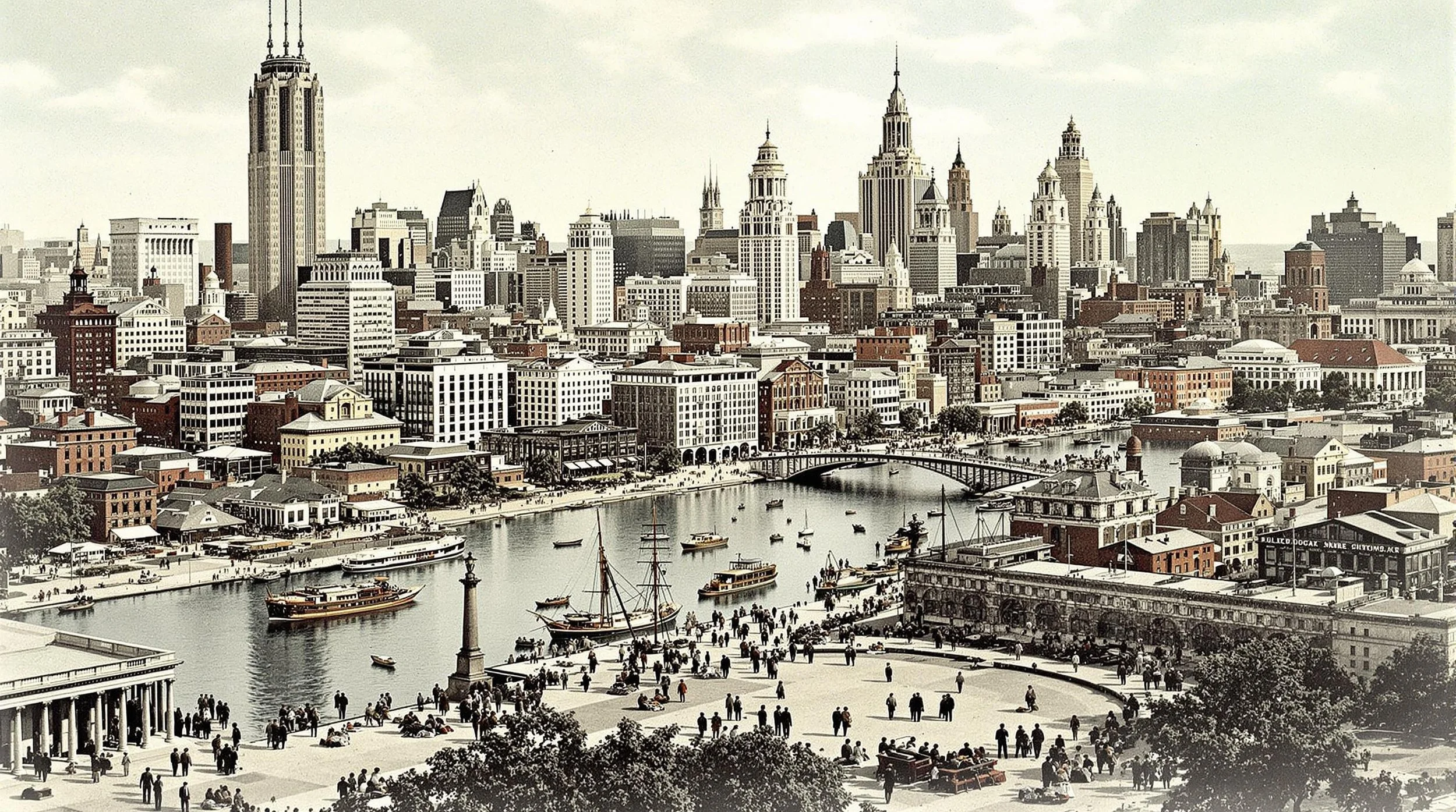
The Genesis of a Metropolis: From Frontier Post to Incorporated Village
The story of Chicago is not a simple linear narrative but a tapestry woven from indigenous heritage, European exploration, and the relentless drive of pioneers. Before it was a city, it was a strategic location, a vital portage, and a burgeoning settlement, each stage contributing to the identity it would eventually forge.
Early Inhabitants and European Exploration
Long before European settlers cast their eyes upon the fertile lands surrounding Lake Michigan, the area now known as Chicago was home to various Native American tribes. The Potawatomi, Miami, and Illinois peoples thrived here, utilizing the abundant natural resources and the critical waterways that connected the Great Lakes basin to the Mississippi River system. Their trails and encampments laid the groundwork for future transportation networks and trade routes, underscoring the intrinsic value of the location.
The first documented European contact with the Chicago area occurred in 1673, when French explorers Louis Jolliet and Jacques Marquette traversed the portage between the Chicago River and the Des Plaines River. They immediately recognized the immense strategic importance of this natural connection, envisioning it as a future gateway for trade and expansion. This early insight proved prescient, as the nexus of waterways would become the very lifeline of the burgeoning settlement centuries later. For early explorers and future entrepreneurs alike, the potential for a thriving hub at this geographical pinch point was undeniable, linking the eastern seaboard with the vast interior of the continent.
The First Permanent Settlement and Fort Dearborn
While Jolliet and Marquette were the first Europeans to document the site, the individual most widely credited with establishing the first permanent non-indigenous settlement in the Chicago area was Jean Baptiste Point du Sable. A man of Haitian and African descent, Du Sable established a successful trading post near the mouth of the Chicago River around the late 1780s. His operation, which included a house, a mill, and various outbuildings, was a thriving hub for fur trading with local tribes and passing European traders, effectively laying the economic foundation for what would become Chicago. His entrepreneurial spirit and ability to navigate complex cultural landscapes mark him as the true pioneer of permanent settlement, setting a precedent for the city’s future as a melting pot of cultures and commerce.
Following the acquisition of the Illinois Territory by the United States in 1795, the U.S. government recognized the strategic importance of the Chicago portage. In 1803, the United States Army constructed Fort Dearborn on the south bank of the Chicago River, near the site of Du Sable’s trading post. This military outpost was intended to protect American interests and control trade routes, particularly in the wake of growing tensions with both Native American tribes and the British. The presence of Fort Dearborn further solidified the area as a place of strategic significance, attracting more settlers and traders to its vicinity. However, its early years were marked by conflict, most notably the Fort Dearborn Massacre in 1812 during the War of 1812, which saw the fort destroyed and its inhabitants attacked by Potawatomi warriors. Though rebuilt in 1816, this event underscored the challenges and dangers of frontier life, yet it did not deter the inexorable march of settlement and development.
The Official Founding: A Village Becomes a City
The early 19th century witnessed a dramatic transformation of the Chicago area. From a military outpost and a small collection of traders, it rapidly evolved into a bustling frontier village, setting the stage for its formal incorporation as a city. This period was characterized by ambitious infrastructure projects, speculative land booms, and a burgeoning population driven by the promise of opportunity in the American West.
From Village to Vision
After the rebuilding of Fort Dearborn, the trickle of settlers grew into a steady stream. The opening of the Erie Canal in New York in 1825 dramatically reduced travel times and costs between the East Coast and the Great Lakes, making Chicago an even more attractive gateway to the western territories. Land speculation became rampant, with fortunes made and lost as investors gambled on the future prosperity of this strategically located settlement. The population swelled, and with it came the need for more formalized governance and public services.
Recognizing its growing importance and population, the settlement was officially incorporated as a village on August 10, 1833. At this point, Chicago was still a rough-and-tumble frontier town, with a population of only around 350 residents. Its primary industries were still tied to its geographic advantages: fur trading, land speculation, and serving as a supply point for westward-bound pioneers. The incorporation as a village was a crucial administrative step, allowing for the establishment of local ordinances, a police force, and rudimentary public works, moving beyond the informal rule of a military fort or scattered trading posts. This was the nascent stage of self-governance, a sign that the community was beginning to envision itself as something more permanent and organized.

March 4, 1837: The Birth of a City
The growth of Chicago in the four years following its village incorporation was nothing short of explosive. The completion of the preliminary surveys for the Illinois and Michigan Canal, which promised to solidify the waterway link between Lake Michigan and the Mississippi River, fueled an unprecedented land boom. People flocked to the area, eager to capitalize on the perceived boundless opportunities. The village’s population skyrocketed, reaching an estimated 4,000 to 5,000 residents by early 1837, far outstripping the capabilities of a village administration.
The need for a more robust governmental structure, capable of managing rapid development, providing essential services like sanitation and infrastructure, and planning for future growth, became paramount. Consequently, the citizens of Chicago petitioned the state legislature for city status. This petition was granted, and on March 4, 1837, Chicago was officially incorporated as a city. This date is the definitive answer to the question of its founding as a city. William Butler Ogden, a prominent land speculator and entrepreneur, was elected as the city’s first mayor, taking the helm of a rapidly expanding urban center. His leadership marked the transition from a frontier outpost to a recognized municipality poised for exponential growth. The formal establishment of a city government provided the institutional framework necessary to transform its raw potential into tangible progress, setting the stage for decades of unparalleled development.
Chicago’s Ascendance: From Frontier Outpost to Global Powerhouse
The act of incorporation in 1837 was not merely a legal formality; it was a declaration of intent, signaling Chicago’s ambition to become a major urban center. The subsequent decades saw the city fulfill this promise, overcoming immense challenges to establish itself as a dominant force in American commerce, industry, and culture.
Catalysts for Growth and Development
The post-1837 era was defined by aggressive infrastructure development. The completion of the Illinois and Michigan Canal in 1848 was a game-changer, cementing Chicago’s position as the crucial inland port connecting the Great Lakes to the southern United States. This was quickly followed by the advent of the railroad. By the 1850s, Chicago was rapidly becoming the nation’s premier rail hub, with lines fanning out across the continent. This unparalleled connectivity transformed it into a logistical marvel, enabling the efficient transport of raw materials and finished goods.
Industrially, Chicago became the “hog butcher for the world,” thanks to its massive stockyards and meatpacking industry, epitomized by the Union Stock Yard. It also emerged as the world’s leading grain market and a major center for lumber and manufacturing. The sheer scale of its economic activity attracted waves of immigrants, further fueling its demographic and cultural diversification.
However, this rapid growth was not without its trials. The Great Chicago Fire of October 1871 was a catastrophic event that leveled a significant portion of the city, leaving tens of thousands homeless and much of its infrastructure in ruins. Yet, rather than deterring its progress, the fire became a catalyst for rebirth. The city rebuilt with astonishing speed and a commitment to modern, fire-resistant architecture, attracting visionary architects and engineers. This period laid the foundation for Chicago’s enduring reputation as an architectural marvel, making it a prime destination for those interested in urban design and historic landmarks. The spirit of innovation and perseverance during this rebuilding phase is often cited as a cornerstone of Chicago’s identity.
Modern Chicago: A Legacy of Innovation and Culture
Today, Chicago is a truly global city, a beacon of modern urban living that seamlessly blends its rich history with cutting-edge innovation. Its skyline is a testament to architectural ambition, featuring iconic structures like the Willis Tower (formerly the Sears Tower), the John Hancock Center, and the work of legends like Frank Lloyd Wright and Daniel Burnham. These landmarks are not just buildings; they are integral to the travel experience in Chicago, offering breathtaking views and a deep dive into the evolution of skyscraper design.
For tourists, Chicago offers an unparalleled array of attractions and experiences. The city’s commitment to public art and green spaces is evident in its magnificent parks, such as Millennium Park with its famous “Bean” sculpture (Cloud Gate) and Grant Park, often referred to as “Chicago’s front yard.” World-class museums like the Art Institute of Chicago and the Field Museum offer deep dives into art, natural history, and culture, enriching any visit. The city’s vibrant culinary scene, from deep-dish pizza to Michelin-starred restaurants, caters to every palate, reflecting its diverse cultural tapestry.
Accommodation options in Chicago are as diverse as its attractions, catering to every lifestyle and budget. From luxurious suites in five-star resorts like The Langham Chicago and Thompson Chicago, offering unparalleled service and amenities, to stylish boutique hotels and expansive apartment-style accommodations perfect for longer stays or family trips, the city ensures a comfortable and memorable visit. Business travelers will find convenience in hotels like the Hyatt Regency Chicago, while those seeking unique local experiences can explore charming bed and breakfasts in historic neighborhoods. Reviews and booking comparisons make it easy for travelers to find the perfect fit, whether they’re planning a luxury escape, a budget-conscious adventure, or a long-term stay. The city’s thriving tourism sector is continually evolving, offering guided tours, unique activities, and tips for experiencing local culture, from jazz clubs to neighborhood festivals.

Conclusion: A City Forged by History and Vision
The question “When was Chicago founded as a city?” finds its definitive answer in March 4, 1837. However, this date is merely a milestone in a much larger, more intricate story of growth, struggle, and triumph. From the ancient portage of Native American tribes to the trading post of Jean Baptiste Point du Sable, the military presence of Fort Dearborn, and its incorporation as a village in 1833, each step was instrumental in forging the identity of this dynamic metropolis.
Chicago’s journey from a nascent frontier settlement to a global economic and cultural powerhouse is a testament to its strategic location, the relentless spirit of its inhabitants, and a continuous commitment to innovation, especially after devastating events like the Great Chicago Fire. Today, it stands as a premier destination for travel, offering an unparalleled blend of history, breathtaking architecture, world-class attractions, and diverse lifestyle experiences. Whether you’re exploring its iconic landmarks, delving into its vibrant cultural scene, or simply enjoying the hospitality of its many hotels and accommodations, Chicago continues to captivate and inspire, embodying the very essence of American urban dynamism.
LifeOutOfTheBox is a participant in the Amazon Services LLC Associates Program, an affiliate advertising program designed to provide a means for sites to earn advertising fees by advertising and linking to Amazon.com. Amazon, the Amazon logo, AmazonSupply, and the AmazonSupply logo are trademarks of Amazon.com, Inc. or its affiliates. As an Amazon Associate we earn affiliate commissions from qualifying purchases.