
Navigating a new city, especially one as dynamic and expansive as Chicago, offers a thrilling blend of cultural experiences, architectural marvels, and culinary delights. Whether you’re planning a luxurious weekend escape, an extended family vacation, a business stay, or even considering a long-term relocation to the Windy City, understanding the local nuances of travel and accommodation is key to a smooth journey. For those who choose to explore Chicago by car, a seemingly minor detail can quickly become a major headache: the Chicago City Vehicle Sticker.
This essential piece of documentation, often overlooked by visitors and new residents alike, is not just a formality but a legal requirement for any vehicle primarily garaged within the city limits. It’s part of Chicago’s strategy to manage its urban infrastructure and generate revenue that contributes to vital city services, from road maintenance to public safety. For travelers driving their own vehicles or considering a long-term rental, knowing where and how to obtain this sticker can save you from unexpected fines and enhance your overall travel experience. Beyond merely answering “where to buy,” this guide delves into the why, what, and how, integrating practical advice with insights relevant to diverse travel and lifestyle scenarios in Chicago.
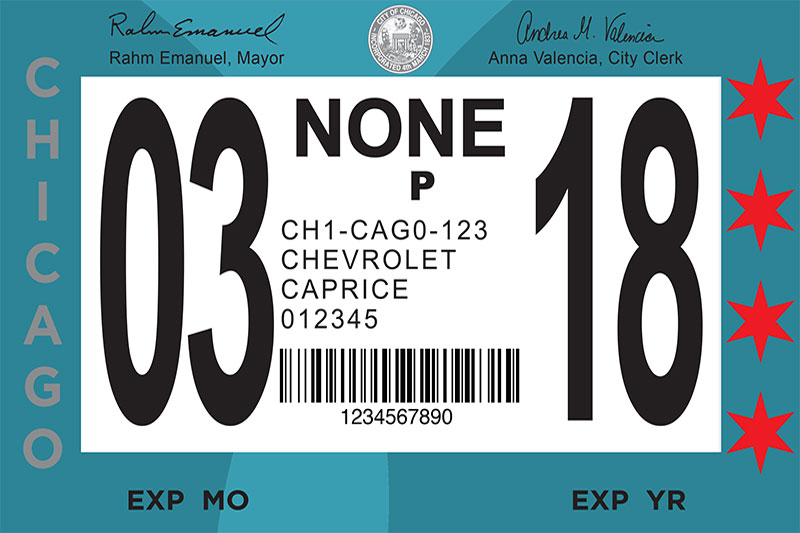
Unveiling the Chicago City Vehicle Sticker: What Every Driver Needs to Know
Before you even think about purchasing a city sticker, it’s crucial to understand its purpose and who is required to have one. This isn’t just a quirky local regulation; it’s a significant aspect of urban living and driving in Chicago, impacting everything from parking in residential zones to simply avoiding a ticket.
The Mandate: Who Needs a Sticker and Why?
The Chicago City Vehicle Sticker is a mandatory annual purchase for all vehicles primarily garaged in the city of Chicago, whether you own, lease, or rent the vehicle for an extended period. This includes cars, motorcycles, trucks, and even recreational vehicles. The requirement is based on where the vehicle is kept, not necessarily where it’s registered. So, even if your vehicle is registered in a suburb or another state, but you reside in Chicago and park your car here most of the time, you need a sticker.
The “why” behind this requirement ties directly into the city’s operational needs. Funds generated from sticker sales contribute to the maintenance of Chicago’s streets, alleyways, and crucial infrastructure projects. It’s a way for vehicle owners to contribute to the local services they benefit from daily. Ignoring this requirement can lead to hefty fines, which can quickly diminish the joy of your Chicago adventure or residency.
What the Sticker Covers: Parking and Permits
Beyond merely being a vehicle tax, the Chicago City Vehicle Sticker is often a prerequisite for obtaining a Residential Parking Permit (RPP). Many Chicago neighborhoods, particularly popular residential areas like Lincoln Park, Wicker Park, and Bridgeport, have restricted street parking, allowing only residents with specific permits to park during certain hours. If you’re staying in an apartment or considering a long-term rental in one of these areas, a city sticker is the first step toward securing legal street parking.
For short-term visitors staying in hotels like the Hyatt Centric Chicago Magnificent Mile or The Langham, Chicago, where valet or dedicated parking is often available, the city sticker might not directly impact your stay unless you’re parking on the street for an extended period. However, for those on a budget or exploring accommodation options like Airbnb rentals in residential areas, understanding this link between the city sticker and residential parking is invaluable. It’s a key piece of information for planning accommodation that includes parking solutions.
Implications for Visitors and Tourists
For the typical tourist visiting Chicago for a few days or weeks, particularly if flying into Chicago O’Hare International Airport or Chicago Midway International Airport and renting a car, the city sticker requirement generally won’t apply directly to you. Rental car companies are responsible for ensuring their fleet complies with local regulations, including city stickers. Thus, a car rented from a major agency within Chicago or its immediate suburbs should already be equipped with the necessary sticker.
However, if you’re driving your personal vehicle for an extended visit (e.g., more than 30 days within a 365-day period), or if you’re considering a “long-term stay” in Chicago where your vehicle will be garaged in the city, the requirement becomes relevant. This is particularly important for individuals moving to Chicago or those on extended business assignments. Being proactive about obtaining the sticker prevents fines that can be a nuisance and a drain on your travel budget, allowing you to focus on enjoying iconic landmarks like Millennium Park or the Art Institute of Chicago without worry.
Your Official Guide to Purchasing a Chicago City Sticker
Now that you understand why and who needs a city sticker, let’s get to the crucial question: where can you buy one? The Office of the City Clerk is the primary authority responsible for issuing these stickers, offering several convenient avenues for purchase.
Online: The Most Convenient Option
For most residents and those with internet access, purchasing your Chicago City Vehicle Sticker online is by far the easiest and most recommended method. The Office of the City Clerk’s official website provides a user-friendly portal for new purchases and renewals. This option is available 24/7, allowing you to complete the process from the comfort of your home or even from your accommodation, whether it’s a luxury suite at the Thompson Chicago or a cozy apartment rental.
To purchase online, you’ll need your vehicle’s license plate number, Vehicle Identification Number (VIN), and proof of residency in Chicago (such as a utility bill or lease agreement if it’s your first time). Payment is typically made via credit card. Once the transaction is complete, you’ll receive a confirmation, and your new sticker will be mailed to you, usually arriving within 7-10 business days. This method is ideal for avoiding queues and integrating seamlessly with a busy lifestyle.
In-Person: City Clerk Offices and Authorized Vendors
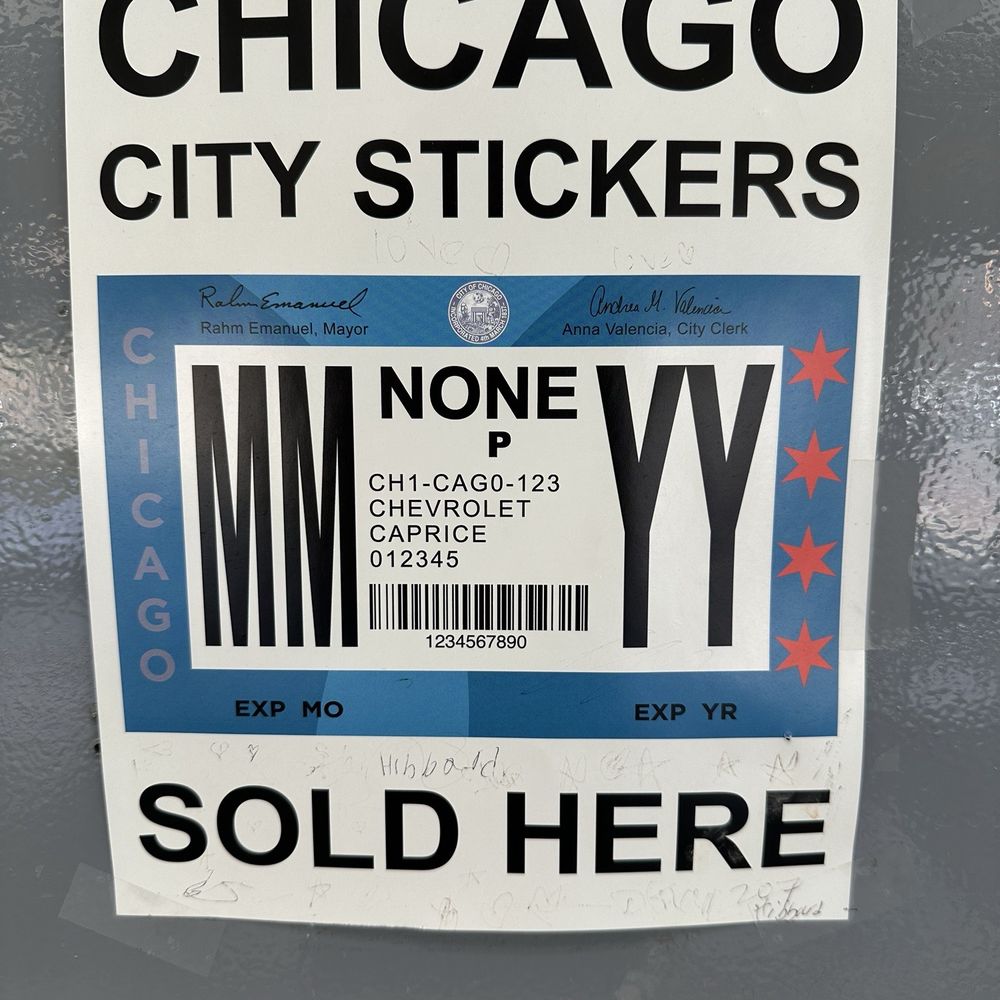
If you prefer a face-to-face transaction, need immediate assistance, or require the sticker instantly, in-person options are available. The Office of the City Clerk operates several full-service locations throughout Chicago where you can purchase or renew your city sticker. These offices are typically open during regular business hours and provide assistance with the application process. You’ll need to bring all necessary documentation with you, including your vehicle registration, driver’s license, and proof of Chicago residency.
Additionally, some currency exchanges and other authorized vendors across the city are licensed to sell Chicago City Vehicle Stickers. These locations offer an accessible alternative, often with more flexible hours than the official city offices. While convenient, it’s always a good idea to call ahead to confirm their operating hours and ensure they have the service available. These vendor locations can be particularly useful if you find yourself in a bind and need a sticker urgently. You can find a list of authorized vendors on the Office of the City Clerk’s website.
Mail-In: For Renewals and Specific Cases
While less common now with the prevalence of online services, the mail-in option remains available, primarily for renewals. If you’ve previously had a city sticker, the Office of the City Clerk will typically mail you a renewal application form before your current sticker expires. You can complete this form, enclose payment (check or money order), and mail it back.
This method is generally slower and not recommended for new purchases or if your sticker is nearing expiration, as processing and mailing times can vary. However, it can be a viable option for those who prefer traditional mail or have specific circumstances that make online or in-person purchases challenging.
The Application Process: Documents, Deadlines, and Discounts
Once you know where to buy, understanding the how – specifically, the necessary documentation and important deadlines – is the next critical step to successfully obtaining your Chicago City Vehicle Sticker. This information is vital for new residents, those planning long-term stays, and anyone ensuring compliance with city regulations.
Essential Documents for Application
Regardless of whether you purchase online, in-person, or via mail, you will need to provide specific documentation to prove your eligibility and vehicle information. Typically, this includes:
- Vehicle Registration: You’ll need the current registration for the vehicle you are getting the sticker for. This document contains your license plate number, Vehicle Identification Number (VIN), and vehicle make/model.
- Proof of Chicago Residency: For new residents or first-time applicants, proof that your vehicle is primarily garaged in Chicago is essential. Acceptable documents include a valid Illinois driver’s license or state ID with a Chicago address, a utility bill (gas, electric, water) in your name at a Chicago address, a lease agreement, or a mortgage statement.
- Driver’s License/State ID: Your personal identification is also typically required.
Ensure all your documents are current and reflect accurate information to avoid delays in processing your application.
Understanding Deadlines and Penalties
The Chicago City Vehicle Sticker is an annual requirement, and its expiration date is tied to the expiration of your vehicle’s Illinois license plate registration. This means your city sticker will typically expire on the same date as your state registration, which is usually determined by the first letter of your last name (for individuals) or your company’s name (for businesses) through the Secretary of State.
It is crucial to purchase or renew your sticker before its expiration date. The city offers a 30-day grace period from the date your vehicle first becomes subject to the sticker requirement (e.g., if you move to Chicago or purchase a new vehicle). After this grace period, or if you fail to renew by your sticker’s expiration date, you will be subject to significant late fees and potential parking tickets. A late fee can sometimes double the original cost of the sticker, making prompt renewal a financially savvy choice. The Chicago Department of Revenue actively monitors compliance, so it’s not a regulation to take lightly.
Special Considerations: Seniors, Persons with Disabilities, and Military Personnel
Chicago offers reduced-rate stickers for certain eligible individuals, reflecting a commitment to supporting its diverse population. These discounts can be a significant benefit for eligible Chicago residents and are important to be aware of if you fall into one of these categories:
- Seniors: Residents aged 65 or older may be eligible for a discounted rate on one vehicle. Specific documentation, such as proof of age and residency, will be required.
- Persons with Disabilities: Individuals who have a valid Illinois Persons with Disabilities license plate or parking placard may also qualify for a reduced-rate sticker.
- Military Personnel: Active-duty military personnel often receive special considerations, including potential fee waivers or discounts.
It’s always best to check the Office of the City Clerk’s official website or contact their office directly for the most current information regarding eligibility requirements and the application process for these special rates. Accessing these discounts can align well with budget travel or long-term financial planning for residents.
Driving in Chicago: Beyond the Sticker
While the city sticker is an important detail, driving in Chicago involves much more. Understanding broader parking regulations, traffic patterns, and viable alternatives to driving can significantly enhance your experience in this bustling metropolis.
Parking Regulations and Zones
Chicago’s parking landscape is complex and constantly evolving. Beyond residential permit zones, you’ll encounter metered street parking (often managed through pay boxes or mobile apps), parking garages (especially prevalent in areas like the Loop, River North, and the Magnificent Mile), and various parking restrictions indicated by signage. Always pay close attention to signs, as they dictate everything from street cleaning schedules (which lead to temporary parking bans) to tow-away zones. Parking tickets are a common complaint from visitors and new residents, so vigilance is key.
For those staying at hotels, inquire about their parking options. Many hotels, especially those catering to luxury travel or business stays, offer valet parking or have their own garages, which can be convenient despite the higher cost. For budget travelers or those opting for apartment rentals in residential areas, researching street parking rules and residential permit requirements in advance is crucial. Websites like SpotHero or ParkWhiz can also help find and reserve parking spots in advance, potentially saving money and hassle.
Public Transportation as an Alternative
For many, exploring Chicago by car is secondary to its world-class public transportation system. The CTA (Chicago Transit Authority) operates an extensive network of ‘L’ trains and buses that can take you to virtually any major attraction or neighborhood. Whether you’re headed to Navy Pier, exploring the vibrant nightlife of Wicker Park, or dining in the West Loop, the CTA is often the most efficient and cost-effective way to get around.
For commuters and those exploring the wider Cook County region, Metra commuter rail offers connections to dozens of suburbs. Additionally, bike-sharing services like Divvy provide an excellent way to explore Chicago’s numerous bike lanes and scenic routes, particularly along the lakefront. For short-term visitors, relying on public transport, ride-sharing services, or walking can often bypass the need to worry about parking, traffic, or even the city sticker (if driving a personal vehicle). This aligns perfectly with a more immersive, local culture travel experience.

Navigating Chicago’s Streets and Traffic
Chicago’s grid system makes navigation relatively straightforward, but traffic can be intense, especially during peak hours. Major expressways like the Dan Ryan, Kennedy, and Eisenhower can become heavily congested. If you plan to drive extensively, utilizing GPS navigation apps with real-time traffic updates is highly recommended.
Be aware of specific driving patterns, such as the infamous Chicago left turn (where drivers turn left without a dedicated arrow, often waiting in the intersection) and aggressive driving tendencies. Understanding these local driving characteristics can help you anticipate situations and drive more defensively. Whether you’re staying in the bustling Gold Coast or the up-and-coming South Loop, embracing Chicago’s unique driving environment is part of the experience.
In conclusion, while the question “Where can I buy a city sticker in Chicago?” might seem simple, it opens up a broader discussion about urban living, vehicle regulations, and practical travel tips. For residents, long-term visitors, or anyone planning an extended stay with a car, understanding and complying with the Chicago City Vehicle Sticker requirement is not just about avoiding fines; it’s about seamlessly integrating into the fabric of the city and contributing to its vibrant infrastructure. By utilizing online resources, knowing your deadlines, and considering all transportation options, your Chicago journey, whether for travel, tourism, or lifestyle, can be as smooth and enjoyable as possible.
LifeOutOfTheBox is a participant in the Amazon Services LLC Associates Program, an affiliate advertising program designed to provide a means for sites to earn advertising fees by advertising and linking to Amazon.com. Amazon, the Amazon logo, AmazonSupply, and the AmazonSupply logo are trademarks of Amazon.com, Inc. or its affiliates. As an Amazon Associate we earn affiliate commissions from qualifying purchases.