
O’Hare International Airport (ORD), often simply referred to as O’Hare Airport, is one of the busiest and most iconic aviation hubs in the world. For anyone planning a trip to the vibrant city of Chicago, or even just passing through on a connecting flight, understanding its location and how to navigate it is paramount. While its name strongly associates it with Chicago, it’s important to clarify its precise geographical placement within the expansive metropolitan area of the United States’ third-largest city.
O’Hare is not situated directly in the heart of Downtown Chicago. Instead, it is strategically located approximately 17 miles (27 kilometers) northwest of Chicago’s central business district, often referred to as The Loop. This placement allows it ample space for its extensive runways, multiple terminals, and vast operational infrastructure, while still being conveniently accessible to the urban core and surrounding suburbs. The airport primarily spans areas within the city limits of Chicago, as well as portions that extend into adjacent suburban communities like Rosemont, Des Plaines, Elk Grove Village, and Schiller Park in Illinois. This expansive footprint underscores its critical role as a regional, national, and international gateway.
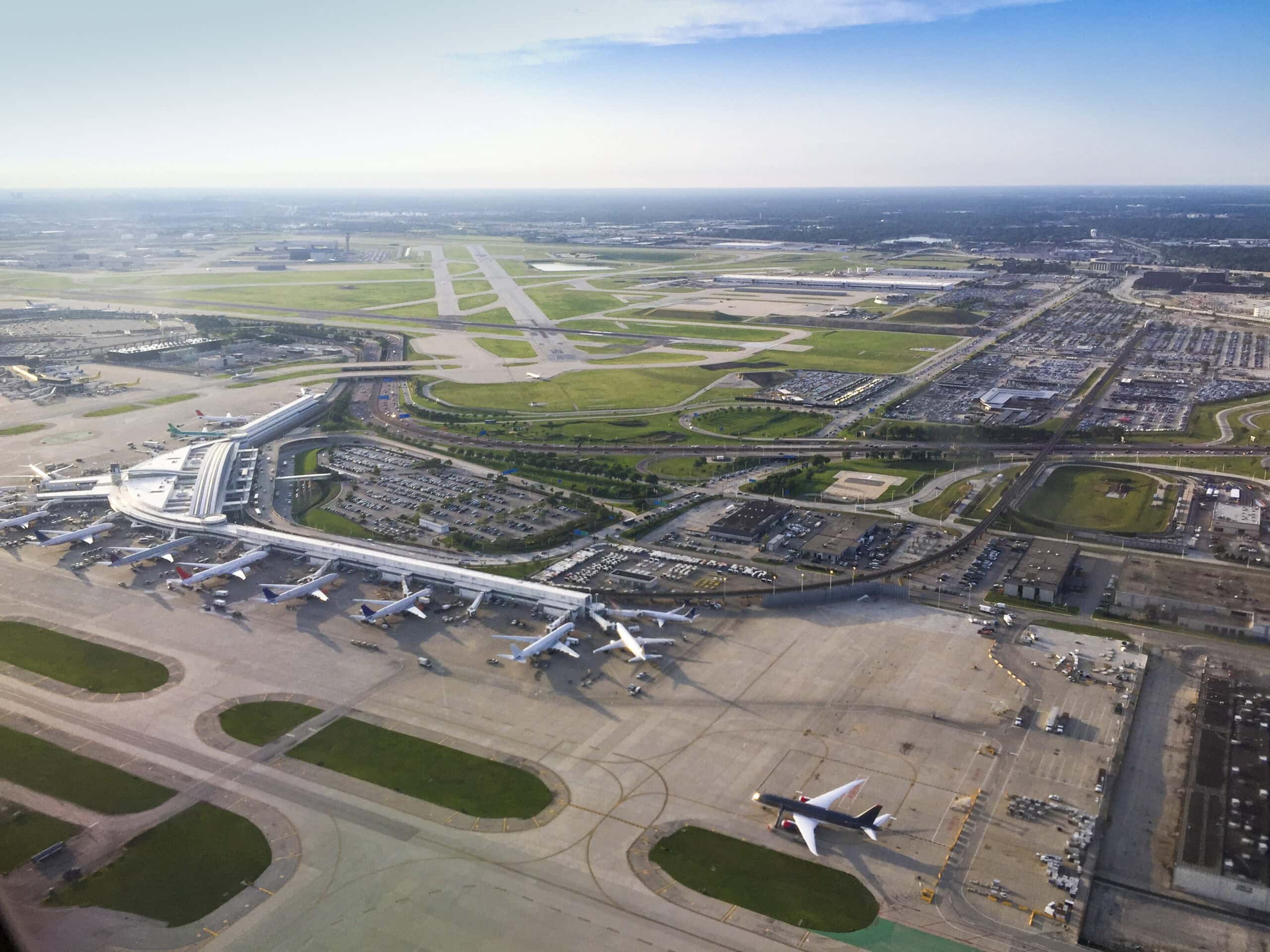
Operated by the Chicago Department of Aviation (CDA), O’Hare serves as a primary hub for United Airlines and American Airlines, facilitating countless domestic and international flights daily. Its impressive network of connections makes it a pivotal point for travelers not only exploring the Midwest but also journeying across North America and beyond. Understanding its location is the first step in planning a seamless travel experience, whether your destination is the bustling city center, the surrounding suburbs, or a connecting flight to a faraway land.
Unveiling the Location and Significance of O’Hare International Airport
O’Hare International Airport’s immense scale and operational capacity are directly tied to its strategic location. Its establishment in this northwestern quadrant of the metropolitan area was a farsighted decision, allowing for continuous expansion and adaptation to the ever-growing demands of modern air travel.
Geographical Placement within the Chicagoland Area
As mentioned, O’Hare is approximately 17 miles northwest of Downtown Chicago. This distance translates to a typical travel time of 30-60 minutes by car, depending heavily on traffic conditions, or about 45-70 minutes using public transportation, primarily the CTA Blue Line. The surrounding landscape is a mix of industrial parks, suburban residential areas, and commercial zones, all benefiting from the economic activity generated by the airport.
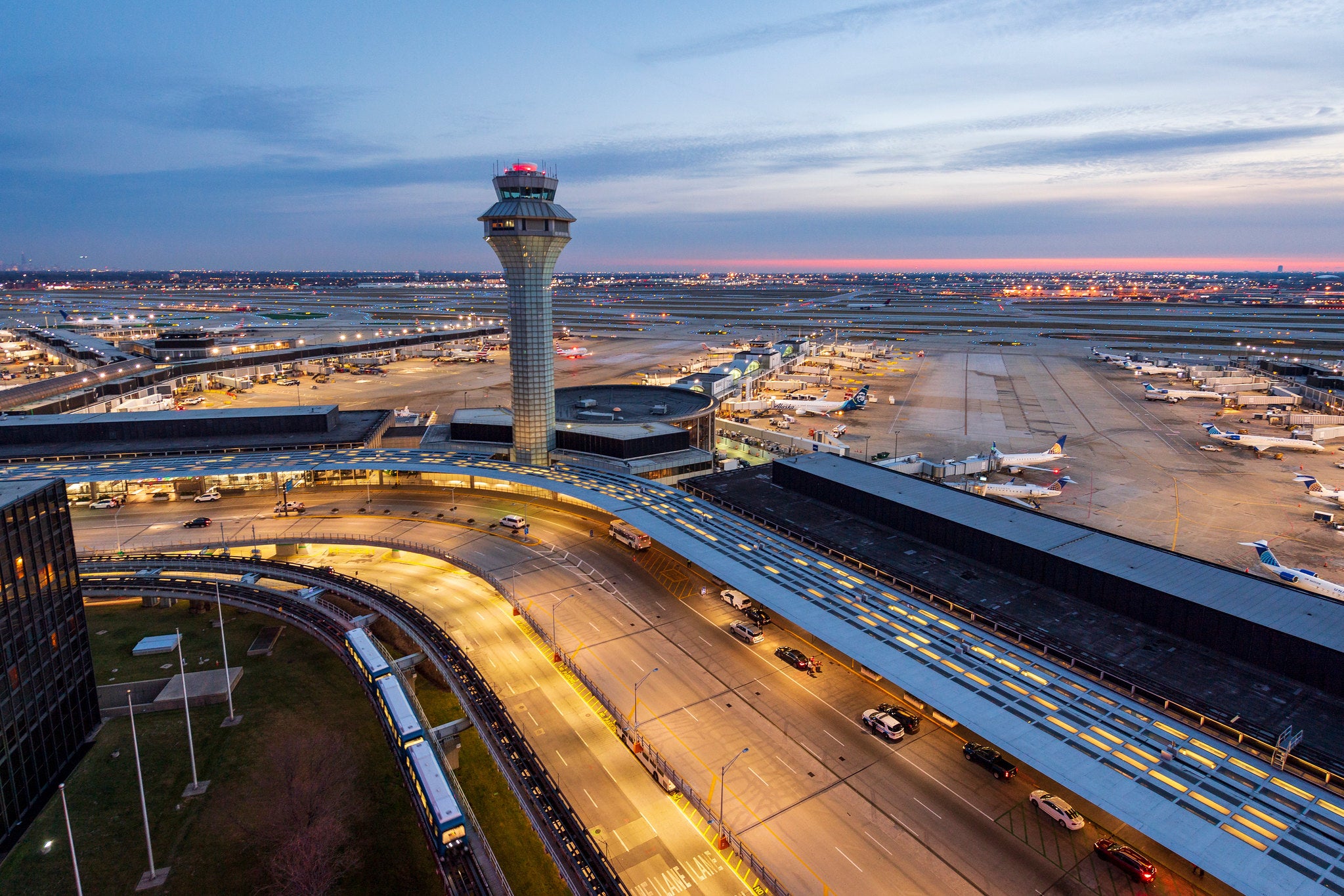
Its physical address often defaults to Chicago, Illinois, despite portions falling within other municipality boundaries. This unified identity helps simplify logistics and branding for a facility that truly serves the entire region, acting as a crucial entry point for business travelers heading to corporate offices in suburban clusters and tourists eager to explore Chicago’s world-renowned attractions. The airport’s multiple terminals – Terminal 1, Terminal 2, Terminal 3 (domestic), and Terminal 5 (international) – are interconnected by the Airport Transit System (ATS), making internal navigation relatively straightforward, even for those unfamiliar with its layout.
A Vital Global Gateway
Beyond its geographical coordinates, O’Hare’s significance as a global gateway cannot be overstated. It consistently ranks among the top airports worldwide for passenger traffic and aircraft movements. For decades, it held the title of the world’s busiest airport and continues to be a crucial hub for international connections, facilitating trade, tourism, and cultural exchange on an unprecedented scale.
The airport’s extensive flight network reaches hundreds of destinations across every populated continent. This makes it an indispensable asset for global travel, connecting travelers from smaller regional airports to major international cities and vice-versa. Its capacity to handle such a high volume of traffic speaks to its robust infrastructure, advanced air traffic control systems, and the dedication of thousands of employees who ensure its smooth operation. For the casual traveler, this means a plethora of flight options, often competitive pricing, and generally reliable service, despite the occasional weather-related disruption common in the Midwest region, particularly during winter. The economic impact of O’Hare on the Chicago metropolitan area and the state of Illinois is monumental, supporting hundreds of thousands of jobs directly and indirectly, and contributing billions of dollars to the regional economy annually.
Navigating To and From O’Hare: Transportation Options
Given its distance from Downtown Chicago, understanding the various transportation options is crucial for travelers. O’Hare offers a comprehensive suite of choices, catering to different budgets, schedules, and preferences.
Public Transportation: The CTA Blue Line
The most popular and often the most economical way to travel between O’Hare and Downtown Chicago is via the Chicago Transit Authority (CTA) Blue Line. The Blue Line train station is conveniently located within O’Hare’s Multi-Modal Facility, which is easily accessible from all terminals via the airport’s automated transit system (ATS). The service runs 24/7, providing a reliable link regardless of your flight schedule.
A typical ride from O’Hare to downtown takes approximately 45-70 minutes, with stops at key locations like Clark/Lake and Washington in The Loop. The cost is significantly less than a taxi or ride-share, making it an excellent option for budget-conscious travelers. Passengers can purchase tickets or reload Ventra cards at the station. For those staying in the northern suburbs, the Metra commuter rail system also has a station at the airport, offering connections to other parts of the Chicagoland area, though it’s less direct for downtown access.
Ride-Sharing, Taxis, and Shuttles
For those prioritizing convenience, especially with luggage or traveling in groups, taxis, ride-sharing services (like Uber and Lyft), and various shuttle services are readily available.
- Taxis: Taxi stands are located outside the baggage claim areas of each terminal. Fares to Downtown Chicago typically range from $40-$60, not including tip, and vary based on traffic.
- Ride-Sharing: Designated pickup zones for ride-share services are clearly marked at each terminal. These services often offer competitive pricing, and the ability to track your ride and driver through an app adds a layer of security and convenience.
- Shuttles: Numerous shared-ride and private shuttle services operate from O’Hare, offering door-to-door service to hotels, convention centers, and residential areas in Chicago and its suburbs. These can be particularly cost-effective for solo travelers heading to popular hotel districts or for groups traveling together. Many hotels near the airport also provide complimentary shuttle services for their guests.
Driving and Parking at O’Hare
Travelers preferring the flexibility of their own vehicle or a rental car will find O’Hare well-equipped. The airport is easily accessible from major interstates, including I-90 (the Jane Addams Memorial Tollway), I-190, and I-294 (the Tri-State Tollway), managed by the Illinois State Toll Highway Authority.
- Rental Cars: All major car rental agencies have facilities at O’Hare, located in the Multi-Modal Facility, accessible via the ATS. This consolidated approach streamlines the pickup and drop-off process.
- Parking: O’Hare offers a variety of parking options, from short-term hourly parking in garages adjacent to the domestic terminals (Terminal 1, Terminal 2, Terminal 3) and the international terminal (Terminal 5) to economy parking lots that require a shuttle ride to the terminals. There are also reserved parking options available for booking in advance. Parking rates vary significantly based on duration and proximity to the terminals, so planning ahead is advisable for long-term stays.
Beyond the Terminal: Exploring Nearby Attractions and Accommodation
While O’Hare is a bustling transportation hub, its surrounding areas offer a surprising array of attractions, dining, and accommodation options suitable for layovers, early departures, or late arrivals.
Exploring the Surrounding Area
The immediate vicinity around O’Hare is primarily composed of suburban communities, each with its own character and offerings. Rosemont, in particular, stands out as a mini-destination in itself. Just a stone’s throw from the airport, it features the Fashion Outlets of Chicago, a popular shopping destination with a wide range of designer and brand-name stores.
Rosemont is also home to entertainment venues such as the Rosemont Theatre, which hosts concerts and live shows, and Parkway Bank Park, an outdoor entertainment district with restaurants, bars, and seasonal activities like ice skating in winter. Nearby, the Allstate Arena hosts major concerts and sporting events. For a touch of quirky history, the McDonald’s No. 1 Store Museum in Des Plaines, a short drive from O’Hare, offers a glimpse into the fast-food giant’s origins. These options provide convenient entertainment and dining without venturing too far from the airport.
Top Accommodation Options Near O’Hare
For travelers with early morning flights, late arrivals, or long layovers, staying at a hotel near O’Hare is often the most practical choice. The area boasts a robust selection of hotels catering to every budget and preference, from luxurious full-service resorts to comfortable, budget-friendly options.
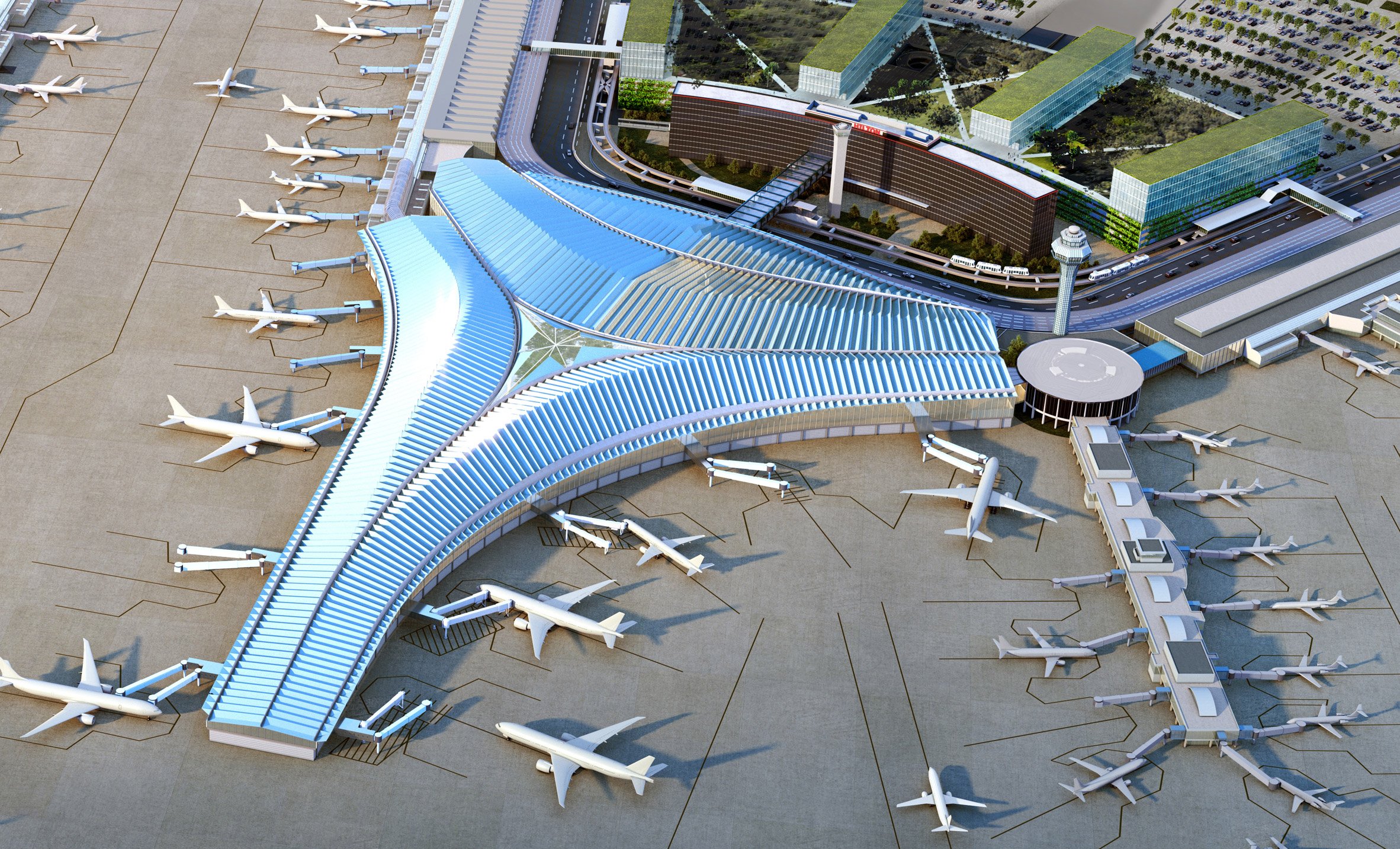
The most convenient option is the Hilton Chicago O’Hare Airport, which is directly connected to the domestic terminals via underground walkways, making it perfect for ultimate convenience. Just outside the airport, particularly in Rosemont, you’ll find a cluster of high-quality hotels offering complimentary shuttle services to and from the terminals. Popular choices include:
- Hyatt Regency O’Hare Chicago: A large, sophisticated hotel popular with business travelers and convention attendees, offering extensive meeting facilities and diverse dining options.
- Loews Chicago O’Hare Hotel: Known for its elegant design, fine dining, and proximity to Rosemont’s entertainment district, appealing to those seeking a more upscale experience.
- Embassy Suites by Hilton Chicago O’Hare Rosemont: Offers spacious suites, complimentary breakfast, and evening receptions, ideal for families or longer stays.
- Courtyard by Marriott Chicago O’Hare: A reliable choice offering comfortable rooms, modern amenities, and convenient access to both the airport and local attractions.
Many of these hotels feature amenities such as swimming pools, fitness centers, on-site restaurants, and business services, making them suitable for both leisure and business travelers. Choosing a hotel near O’Hare provides peace of mind regarding travel logistics, especially when dealing with unpredictable flight schedules or tight connections.
Day Trips and Longer Stays in Downtown Chicago
While the area immediately surrounding O’Hare offers its own diversions, many travelers arriving at the airport are ultimately bound for the iconic attractions of Downtown Chicago. For those with longer layovers (6+ hours) or extended stays, venturing into the city center is highly recommended. The seamless connection via the CTA Blue Line makes a day trip surprisingly feasible.
In Downtown Chicago, you can immerse yourself in world-class culture, breathtaking architecture, and delectable cuisine. Must-see landmarks include Millennium Park (home to “The Bean” – Cloud Gate), the renowned Art Institute of Chicago, and the bustling Navy Pier on Lake Michigan. Shopping enthusiasts will revel in the luxury boutiques and department stores along the Magnificent Mile. For panoramic city views, a visit to the Willis Tower’s Skydeck is an unforgettable experience.
Staying in Downtown Chicago allows for easy access to these attractions, a vibrant nightlife, and a wider range of dining options. However, for those flying in and out frequently or needing proximity to business parks in the northwestern suburbs, a hotel near O’Hare remains the strategic choice.
Essential Travel Tips for a Smooth O’Hare Experience
Navigating an airport as vast and busy as O’Hare can be daunting, but with a few key tips, your experience can be significantly smoother and more enjoyable.
Planning Your Arrival and Departure
- Check Flight Status Regularly: O’Hare is susceptible to weather delays, especially during winter. Always check your flight’s status before heading to the airport.
- Arrive Early: For domestic flights, aim to arrive at least 2 hours prior to departure; for international flights, allow 3 hours. This buffer accounts for security lines, potential transportation delays, and finding your gate.
- Know Your Terminal: Confirm which terminal your airline operates from well in advance. While the ATS connects all terminals, knowing your starting point saves time.
- Transportation Planning: Decide on your transportation method to/from the airport ahead of time. Book shuttles or pre-arrange ride-shares if possible to avoid last-minute stress. If using public transport, have your Ventra card or payment method ready.
Making the Most of Layovers
- Short Layover (Under 3 hours): Focus on getting to your next gate. O’Hare is large, so factor in walking time and potential security re-screening for international-to-domestic connections.
- Medium Layover (3-6 hours): Explore the airport’s amenities. Each terminal offers a variety of dining options, from fast food to sit-down restaurants. There are also numerous shops, duty-free stores in Terminal 5, and several airport lounges for a more relaxing wait. Free Wi-Fi is available throughout the airport.
- Long Layover (6+ hours): Consider venturing out. As discussed, Rosemont offers shopping and dining, while Downtown Chicago is accessible via the CTA Blue Line for a quick sightseeing tour. Always allow ample time to return to the airport, considering potential traffic or transit delays.
Security and Baggage Considerations
- TSA PreCheck/Global Entry: If you travel frequently, investing in TSA PreCheck or Global Entry can significantly speed up your passage through security and customs at O’Hare, which is known for its often lengthy lines.
- Baggage Claim: Pay attention to the baggage claim carousels for your flight. If you have a long layover or are spending a night near the airport, some hotels offer luggage storage, or you might consider storing your bags at one of the airport’s designated facilities (if available and open).
- Accessibility: O’Hare is largely accessible, with ramps, elevators, and accessible restrooms. Wheelchair assistance can be requested through your airline in advance.
In conclusion, O’Hare International Airport is an integral part of the Chicago travel experience, serving as a critical hub for millions of passengers annually. While it’s located some distance from the city center, a robust network of transportation options, coupled with nearby amenities and strategic accommodation choices, ensures that its position never truly feels remote. With a little planning and an understanding of its layout and options, navigating O’Hare can be a seamless and even enjoyable part of your journey.
LifeOutOfTheBox is a participant in the Amazon Services LLC Associates Program, an affiliate advertising program designed to provide a means for sites to earn advertising fees by advertising and linking to Amazon.com. Amazon, the Amazon logo, AmazonSupply, and the AmazonSupply logo are trademarks of Amazon.com, Inc. or its affiliates. As an Amazon Associate we earn affiliate commissions from qualifying purchases.