
The vibrant, gritty, and undeniably cinematic backdrop of Chicago is more than just a setting for the hit NBC drama, Chicago P.D.. It’s a character in itself, shaping the narrative, the mood, and the authenticity that fans have come to love. Unlike many shows that recreate cityscapes on soundstages, Chicago P.D. is deeply committed to filming on location, leveraging the iconic architecture, diverse neighborhoods, and distinctive atmosphere of the “Windy City” to bring its stories to life. This dedication to realism provides viewers with an immersive experience, allowing them to feel the pulse of Chicago as its dedicated police officers tackle the city’s toughest crimes.
For travelers and fans alike, exploring the filming locations of Chicago P.D. offers a unique way to experience Illinois’s largest metropolis. It’s an opportunity to walk in the footsteps of your favorite characters, witness the real places that inspire the show’s gripping scenes, and delve deeper into the local culture and history that make Chicago such a compelling destination. From the imposing façade of the police station to the bustling streets and serene waterfronts, every corner of Chicago contributes to the show’s authentic portrayal of urban law enforcement. This article serves as your ultimate guide, exploring the key filming locations and offering insights into how Chicago P.D. transforms the city into its dramatic playground, inviting you to discover these cinematic gems firsthand.
The Heart of the Action: District 21 and the Intelligence Unit
At the core of Chicago P.D.’s universe is the 21st District, the fictional police station where Sergeant Hank Voight and his Intelligence Unit operate. This central hub is more than just a set; it’s a symbolic anchor for the series, embodying the relentless pursuit of justice in a complex urban environment. The authenticity of this primary filming location is crucial to the show’s realism, drawing viewers deeper into the daily lives and dangerous missions of Chicago’s finest.
The Iconic 21st District Police Station
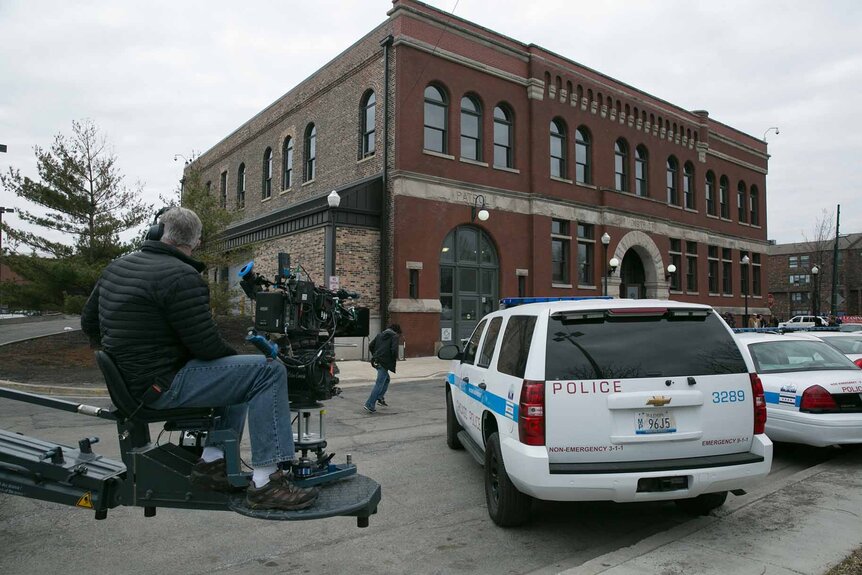
The exterior shots of the 21st District Police Station are perhaps the most recognizable filming location for dedicated fans. The building used for these shots is, in reality, a former police station, lending an unparalleled sense of authenticity to the series. Located at 943 West Maxwell Street in the Near West Side neighborhood, this imposing structure served as the real-life 12th District police station for the Chicago Police Department until 1998. The production team, spearheaded by Dick Wolf and his Wolf Entertainment team, masterfully repurposed this historical building, preserving its gritty, no-nonsense aesthetic.
When you see the squad cars pulling in and out, or the characters entering and exiting, you are witnessing a piece of Chicago’s history still serving a narrative purpose. The building’s brick façade, sturdy windows, and overall architectural style evoke the classic image of a big-city police precinct, perfectly fitting the tone of the show. For visitors, a trip past this location offers a tangible connection to the series, allowing them to visualize the bustling activities of the Intelligence Unit within its walls. While the interior sets are custom-built in a separate studio space, the external shot of 943 West Maxwell Street remains an essential visual shorthand for the show’s operations. It’s a powerful landmark for fans, representing the unwavering presence of law and order in the city.
The Intelligence Unit’s Gritty Lair
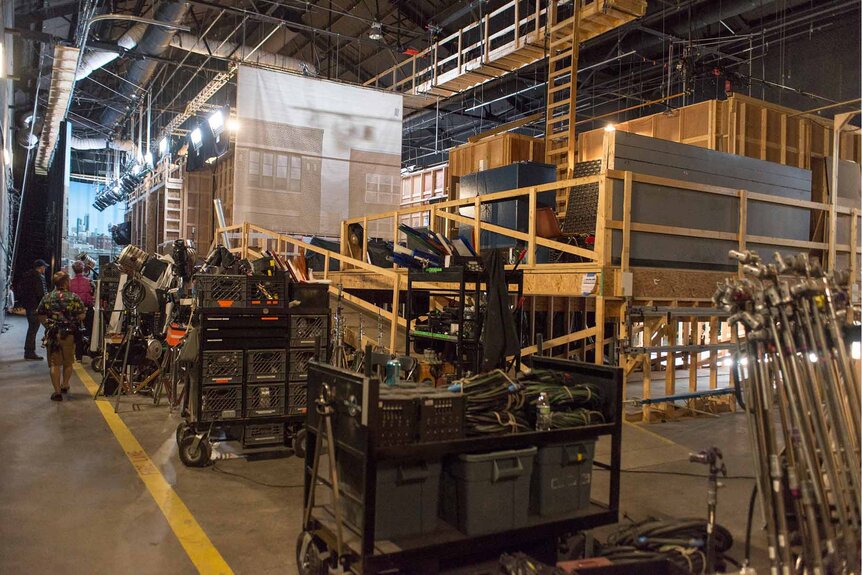
While the exterior of the 21st District Police Station provides the iconic establishing shots, the intricate and often claustrophobic interior sets of the Intelligence Unit are where much of the show’s dramatic tension unfolds. These internal spaces are meticulously designed on a soundstage, specifically at Cinespace Chicago Film Studios, to replicate the authentic, lived-in feel of a real police department. The bullpen, Voight’s office, the interrogation rooms, and the breakroom are all constructed with incredible attention to detail, reflecting the practicalities and often grim realities of police work.
The set designers and production team work tirelessly to ensure that every desk, whiteboard, computer screen, and evidence locker contributes to the believable atmosphere. This includes incorporating subtle elements that suggest a long history of police activity, from worn-out furniture to props that reflect ongoing investigations. The deliberate design of the Intelligence Unit’s “cage,” an elevated, glass-enclosed office space overlooking the bullpen, is a strategic choice that emphasizes the unit’s hierarchy and the constant surveillance inherent in their work. Though not accessible to the public, understanding that these internal spaces are crafted with the same dedication to realism as the on-location filming enhances appreciation for the show’s overall authenticity. The combination of a real-world exterior and a carefully constructed interior creates a seamless fictional world that feels incredibly tangible to viewers.
Beyond the Walls: Exploring Chicago’s Cinematic Canvas
Chicago P.D. distinguishes itself by immersing its narratives within the actual fabric of Chicago. The city itself becomes a dynamic and ever-present character, its diverse neighborhoods and iconic landmarks providing a rich tapestry against which the drama unfolds. This commitment to on-location filming not only enhances the show’s authenticity but also offers viewers a virtual tour of one of America’s most architecturally significant and culturally vibrant cities.
Capturing Chicago’s Diverse Neighborhoods
The show’s producers frequently emphasize their desire to showcase all facets of Chicago, from its affluent districts to its more challenging areas. This means that Chicago P.D. filming locations span the entire metropolitan area, providing a comprehensive tour of the city’s distinct neighborhoods. Each neighborhood brings its own unique character, architecture, and social dynamics, allowing the show to tell a wide range of stories that reflect the city’s diverse population.
For instance, the vibrant murals and strong community spirit of Pilsen and Little Village often feature in episodes dealing with gang activity or community-based policing. These areas, rich in Mexican-American culture, provide colorful and dynamic backdrops. In contrast, the upscale brownstones and tree-lined streets of Lincoln Park, Gold Coast, and Streeterville are often used to depict more affluent settings, highlighting the economic disparities that exist within Chicago. The bustling commercial hub of the West Loop, known for its burgeoning restaurant scene, and the downtown Loop area, with its towering skyscrapers, frequently serve as backdrops for high-stakes chases or dramatic confrontations.
The artistic and bohemian vibes of Wicker Park, Bucktown, and Logan Square offer a different aesthetic, often associated with younger populations and trendy urban life. Meanwhile, the historic and culturally significant neighborhoods on the South Side, such as Hyde Park, Bronzeville, and South Shore, are essential for stories that delve into the city’s complex social issues and rich African-American heritage. Even areas like Englewood, Garfield Park, and Humboldt Park, often portrayed as more challenging environments, are integrated into the narrative to provide a comprehensive and unflinching look at urban crime. By showcasing this broad spectrum of neighborhoods, Chicago P.D. doesn’t just film in Chicago; it becomes an integral part of the city’s ongoing dialogue. Visitors looking for an authentic Chicago experience should consider exploring these neighborhoods to truly appreciate the city’s multifaceted identity.
Famous Landmarks and Recognizable Backdrops
Beyond its diverse neighborhoods, Chicago P.D. extensively utilizes Chicago’s world-renowned landmarks, integrating them seamlessly into the show’s fabric. These iconic structures and natural features provide immediate visual cues for audiences, grounding the fictional events in a very real and recognizable urban landscape. The city’s stunning skyline, punctuated by architectural marvels, is a constant presence, whether as a sweeping establishing shot or a subtle background detail.
The shimmering expanse of Lake Michigan and the serpentine path of the Chicago River are frequently featured, providing dramatic settings for pursuits, discoveries, or reflective moments. The bridges over the Chicago River, with their distinctive drawbridge mechanisms, have been the scene of many intense sequences. Millennium Park, home to the famous Cloud Gate (affectionately known as “The Bean”), often appears, showcasing the city’s vibrant public spaces. The majestic façade of the Art Institute of Chicago or the imposing height of the Willis Tower (formerly the Sears Tower) are instantly recognizable, adding a layer of grandeur to the urban environment.
Navy Pier, with its Ferris wheel and lively atmosphere, occasionally serves as a backdrop, injecting moments of bustling public life. The serene settings of the Lincoln Park Zoo or the expansive Museum Campus — which houses the Shedd Aquarium, Field Museum, and Adler Planetarium — are also incorporated, demonstrating the breadth of Chicago’s offerings. For travelers, encountering these landmarks in person after seeing them on screen creates a profound sense of connection to the show. It transforms a typical tourist experience into a scavenger hunt, allowing fans to not only admire Chicago’s beauty but also to see it through the lens of their favorite fictional police drama.
The Filming Process: Bringing Chicago to Life on Screen
The seamless integration of Chicago into Chicago P.D. is not accidental; it’s the result of a meticulously planned and executed filming process that involves extensive collaboration, strategic resource management, and a deep understanding of urban production. The logistical challenges of filming a high-octane drama in a bustling metropolis are immense, yet the production team consistently delivers a product that feels both authentic and thrilling.
Collaboration with City Officials
Filming on location in a major metropolitan area like Chicago requires significant coordination and cooperation with city officials. Wolf Entertainment and Universal Television, the studios behind Chicago P.D., have established a robust partnership with the City of Chicago, including the Chicago Film Office, the Chicago Police Department, and other municipal departments. This collaboration is absolutely essential for obtaining the necessary permits, managing street closures, coordinating traffic control, and ensuring public safety during filming.
The presence of real police vehicles, uniformed officers (often off-duty CPD members working as extras or consultants), and authentic equipment adds an unparalleled layer of realism. The city’s willingness to accommodate the production is a testament to the economic benefits that the “One Chicago” franchise brings, including job creation for local crew members and a boost to the local economy. This close working relationship allows the show to feature dynamic action sequences in genuine urban settings, from car chases through busy intersections to intense stand-offs in alleyways, all while minimizing disruption to city life. The respect shown by the production crew for the city and its residents ensures continued support, allowing Chicago P.D. to maintain its signature on-location style.
The Dick Wolf Effect: A Shared Universe
Chicago P.D. is part of a larger, interconnected fictional universe created by television mastermind Dick Wolf, known as the “One Chicago” franchise. This universe also includes the highly successful series Chicago Fire and Chicago Med. All three shows are filmed almost entirely in Chicago, sharing not only a geographical setting but also an integrated production infrastructure. This shared universe approach means that the sets, equipment, and logistical teams often work in tandem, creating a synergy that benefits all productions.
The ability to seamlessly cross over characters and storylines between Chicago Fire, Chicago P.D., and Chicago Med is a hallmark of the franchise. This is made possible by the fact that all shows operate within the same real-world city, utilizing similar filming philosophies and often the same background locations. For example, the firehouse from Chicago Fire (located at Engine 18 on S. Blue Island Ave.) and the hospital from Chicago Med (Rush University Medical Center’s exterior, with interior sets at Cinespace) are just as much a part of the real Chicago landscape as the 21st District Police Station. This interconnectedness not only provides rich narrative opportunities but also strengthens the brand identity of Chicago as a premier filming destination in the United States. The “One Chicago” presence has transformed the city into a bustling hub of television production, creating a unique appeal for both film buffs and general tourists alike.
Planning Your Own “Chicago P.D.” Tour: A Visitor’s Guide
For fans of Chicago P.D., a visit to Chicago transcends a typical tourist trip; it becomes an immersive journey into the world of their favorite show. By understanding where the series is filmed and how it uses the city, visitors can craft a unique itinerary that combines sightseeing with fan-centric exploration, revealing the multifaceted charm of this Midwest gem.
Experiencing Chicago Like a Local
Embarking on a self-guided “Chicago P.D.” tour is a fantastic way to experience Chicago beyond the typical tourist traps. Start your journey at the iconic exterior of the 21st District Police Station at 943 West Maxwell Street. While you can’t go inside, taking a picture outside and imagining the Intelligence Unit at work provides an immediate connection to the show. From there, venture into the neighborhoods frequently featured.
Exploring areas like Pilsen and Little Village allows you to admire vibrant street art, sample authentic Mexican cuisine, and soak in the local culture, giving you a taste of the community spirit often depicted in the series. Walk through the bustling streets of the Loop and West Loop, observing the blend of historic architecture and modern skyscrapers that serve as the backdrop for many dramatic scenes. Consider taking a boat tour on the Chicago River, which offers unique perspectives of the city’s architecture and gives you a chance to see some of the bridges and riverfront areas featured in the show.
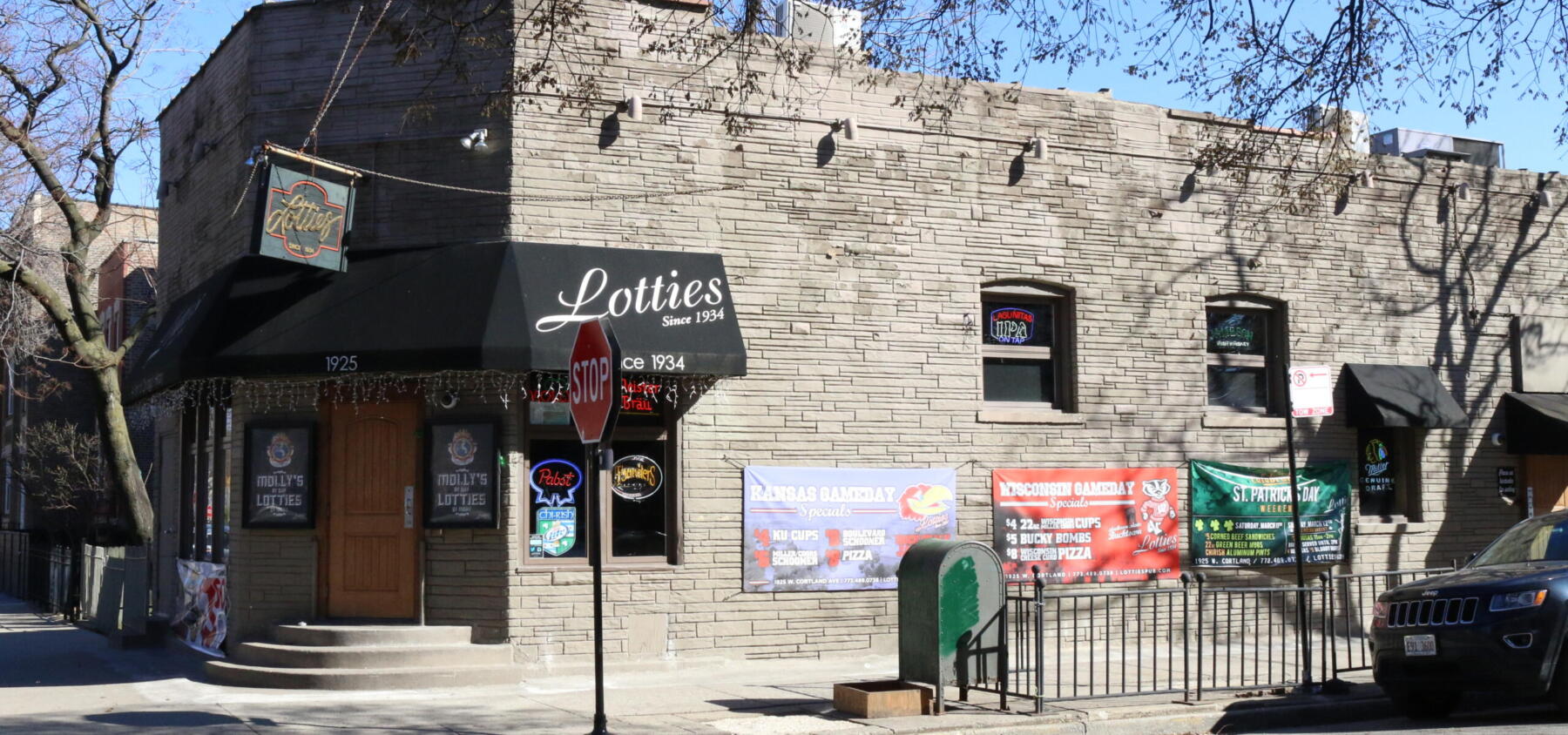
Dining at local eateries in the neighborhoods where filming often occurs can also enhance your experience. Imagine the characters grabbing a quick bite or discussing a case in a similar setting. This approach to travel allows you to connect with Chicago on a more personal level, moving beyond merely observing landmarks to truly experiencing the city’s pulse and diverse communities, just as the show itself does.
Beyond the Filming Locations: What Chicago Offers
While tracing the footsteps of the Intelligence Unit provides an exciting niche for your trip, Chicago offers an abundance of attractions and experiences that appeal to every type of traveler. After you’ve had your fill of crime-drama inspired exploration, immerse yourself in the city’s broader offerings.
For art and culture enthusiasts, the Art Institute of Chicago is a world-class museum, and Millennium Park, with its iconic Cloud Gate, is a must-see for public art. The Museum Campus is a treasure trove, housing the Field Museum, Shedd Aquarium, and Adler Planetarium, offering days of educational and entertaining exploration. For breathtaking views, ascend the Willis Tower Skydeck or the 360 Chicago observation deck at the John Hancock Center.
Foodies will revel in Chicago’s legendary culinary scene, from deep-dish pizza and hot dogs to Michelin-starred restaurants. Explore the vibrant dining districts of West Loop or Logan Square. Shoppers can indulge along the Magnificent Mile or discover unique boutiques in Wicker Park and Bucktown. For relaxation, take a stroll through Lincoln Park or visit the Lincoln Park Zoo, one of the few free zoos in the United States.
When planning your stay, Chicago offers a wide array of accommodation options, from luxury hotels on the Gold Coast and Streeterville to charming boutique hotels in neighborhoods like River North or budget-friendly apartments for longer stays. Whether you’re interested in luxury travel, a budget trip, or a family vacation, the city has something to offer. Utilize comprehensive travel guides to make the most of your visit, ensuring you explore both the cinematic world of Chicago P.D. and the broader wonders of this magnificent American city. Chicago’s blend of historical significance, architectural grandeur, diverse culture, and a thriving arts scene makes it an unforgettable destination for any traveler.
LifeOutOfTheBox is a participant in the Amazon Services LLC Associates Program, an affiliate advertising program designed to provide a means for sites to earn advertising fees by advertising and linking to Amazon.com. Amazon, the Amazon logo, AmazonSupply, and the AmazonSupply logo are trademarks of Amazon.com, Inc. or its affiliates. As an Amazon Associate we earn affiliate commissions from qualifying purchases.