
Understanding the precise time in California is far more than a simple matter of checking a clock; it’s a fundamental aspect of planning any visit to the Golden State, influencing everything from travel logistics and hotel bookings to experiencing its diverse attractions and embracing its unique lifestyle. For travelers hailing from different time zones, grasping California’s temporal rhythm is key to a seamless and enriching journey. This article delves deep into the implications of California’s time zone, offering insights into how it shapes itineraries, impacts personal well-being, and defines the pace of life across its iconic cities, breathtaking landscapes, and vibrant cultural hubs.
Whether you’re an international explorer embarking on an epic United States adventure or a domestic tourist crossing state lines, the concept of “what time it is right now” in California will profoundly affect your stay. From coordinating crucial flight arrivals and hotel check-ins to maximizing your daylight hours for sightseeing at the Golden Gate Bridge or catching a sunset from the Santa Monica Pier, every decision is subtly, or overtly, dictated by the clock. This comprehensive guide will equip you with the knowledge to navigate California’s time zone effectively, ensuring your trip is not just memorable, but also perfectly timed.
Understanding California’s Unique Time Identity: PST/PDT
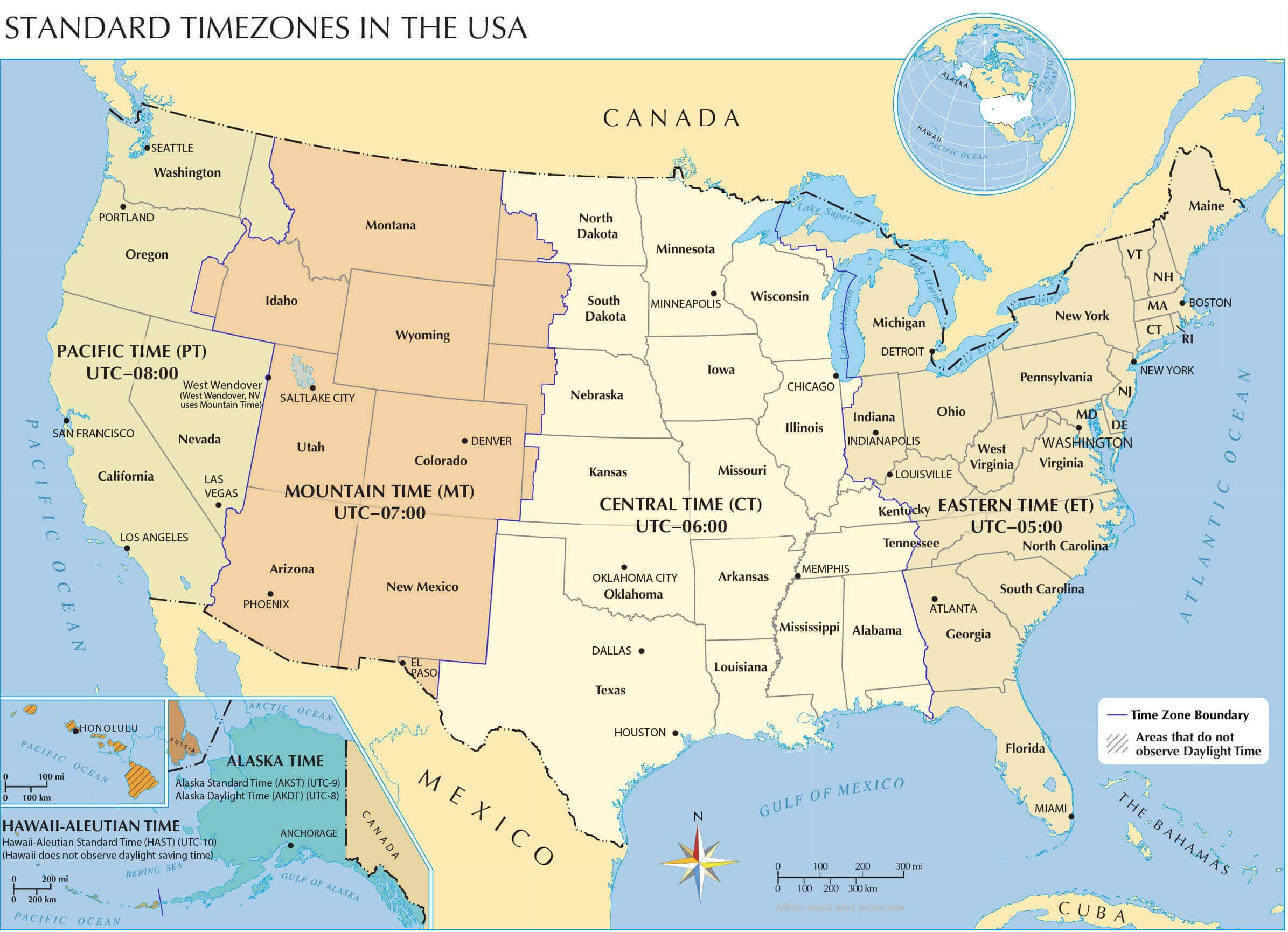
At its core, determining the current time in California involves understanding its primary time zone: the Pacific Time Zone. This zone observes two distinct phases throughout the year, driven by the cyclical shift of Daylight Saving Time. For any traveler, resident, or business interacting with California, knowing which phase is active is paramount for accurate scheduling and seamless communication.
The Basics: Pacific Standard Time (PST) and Pacific Daylight Time (PDT)
During the cooler months, specifically from early November to mid-March, California adheres to Pacific Standard Time (PST). This means the time is UTC-8, indicating it is eight hours behind Coordinated Universal Time. As spring arrives, typically on the second Sunday in March, California springs forward into Pacific Daylight Time (PDT). During this period, which lasts until the first Sunday in November, the clock shifts forward by one hour, making it UTC-7. This transition grants an extra hour of daylight in the evenings, a welcome change for outdoor activities and extended sightseeing opportunities across the state.
For travelers, particularly those crossing vast geographical distances, these shifts carry significant implications. Someone flying from New York on Eastern Standard Time (EST) (UTC-5) will experience a three-hour time difference (e.g., 9 AM EST is 6 AM PST/PDT). From Chicago on Central Standard Time (CST) (UTC-6), it’s a two-hour difference. And from Denver on Mountain Standard Time (MST) (UTC-7), it’s a one-hour difference during PST and no difference during PDT, assuming Denver is also observing Daylight Saving Time and shifting to Mountain Daylight Time (MDT). Understanding these differentials is crucial for international visitors as well; a flight from London (UTC+0) to Los Angeles will face an eight-hour difference during PST and a seven-hour difference during PDT, which is a substantial leap for the body’s internal clock.
Why Time Matters for Your California Travel Plans
The seemingly simple concept of “what time it is” quickly becomes a cornerstone of successful travel planning in California. Beyond personal convenience, timing impacts critical logistical components of your trip. Consider flight schedules: an 8 AM arrival in Los Angeles might feel like 11 AM to someone from the East Coast, influencing their energy levels for immediate activities or hotel check-in. Conversely, a late afternoon departure might require a very early start if traveling from a destination further east. This also extends to connecting flights, where tight layovers across different time zones can easily lead to missed connections if not meticulously planned.
Hotel check-in and check-out times are almost universally tied to local time. Arriving early on a red-eye flight from Europe to San Francisco at 6 AM local time means you could have several hours to wait before your room is ready, often around 3 PM. Planning for this downtime, perhaps by pre-arranging early check-in or having a day bag ready for immediate exploration, becomes essential. Similarly, check-out times, typically around 11 AM or 12 PM, must align with your departure schedule to avoid extra charges or last-minute rushes.
Furthermore, almost all attractions, tours, and dining experiences in California operate on specific local hours. A highly anticipated guided tour of Alcatraz Island or a whale-watching excursion from Monterey Bay will depart precisely at its scheduled PDT or PST time, regardless of your internal clock. Dining reservations, especially for popular establishments in Napa Valley or Beverly Hills, are strictly enforced. Missing a reservation for The French Laundry in Yountville due to a time zone miscalculation would be a significant culinary regret. Therefore, integrating local time into every aspect of your itinerary is not just good practice—it’s imperative for a smooth and enjoyable California adventure.
Navigating Time Zones for a Seamless California Experience
The impact of time zones on travel extends beyond mere scheduling; it significantly affects your physical and mental well-being, particularly when it comes to jet lag. Successfully navigating these temporal shifts can be the difference between a sluggish start to your vacation and hitting the ground running, fully energized to explore all that California has to offer. Moreover, understanding the optimal timing for various activities allows you to truly immerse yourself in the state’s diverse offerings.
Conquering Jet Lag: Tips for a Smooth Transition
Jet lag, a common traveler’s foe, arises when your body’s internal clock (circadian rhythm) is out of sync with the local time. When traveling to California from the east or across international datelines, your body will naturally want to follow the schedule of your departure point. The key to mitigating jet lag is a proactive approach to adopting California’s time as quickly as possible.
One effective strategy is gradual pre-travel adjustment. A few days before your flight, try to shift your sleep and meal times closer to California’s schedule. Upon arrival, immediately set your watch to local time and commit to that schedule. Exposure to natural sunlight is a powerful tool; early morning light helps reset your circadian rhythm, signaling to your body that it’s daytime. Conversely, avoiding bright lights in the evening can aid sleep. Hydration is crucial, as dehydration can exacerbate jet lag symptoms. Limiting caffeine and alcohol, especially on the flight and during your first few days, is also advisable. For those struggling with sleep, a small dose of melatonin can sometimes help regulate sleep cycles, but it’s always best to consult a doctor before use. Engaging in light physical activity, like a stroll along Santa Monica Beach or a hike in Griffith Park, can help tire you out naturally and align your body with the new time zone, rather than over-exerting yourself immediately.
Optimizing Your Itinerary: Time-Sensitive Attractions and Activities
Beyond personal well-being, strategic timing unlocks the best of California’s attractions. Some experiences are inherently time-sensitive, and planning your day around these moments can elevate your trip from good to unforgettable.
For nature enthusiasts, early mornings offer unparalleled beauty and tranquility. Imagine a sunrise hike in Yosemite National Park, where the first rays of light illuminate El Capitan or Half Dome, or witnessing the desert awaken in Joshua Tree National Park before the midday heat sets in. Similarly, sunset cruises along San Diego Bay or overlooking the Pacific from Big Sur offer breathtaking vistas best enjoyed during the golden hour.
Theme parks, such as Disneyland Resort in Anaheim (comprising Disneyland Park and Disney California Adventure Park) or Universal Studios Hollywood in Universal City, present a different challenge. Visiting early in the morning, right at park opening, or in the late afternoon/evening often allows you to experience more attractions with shorter wait times. Midday can be particularly crowded, especially during peak seasons. Checking park hours and crowd calendars, which are always in local PST/PDT, is invaluable.
For culinary adventures, farmers markets, like the historic Los Angeles Farmers Market or the Ferry Building Marketplace in San Francisco, often operate only during specific morning or early afternoon hours. Missing these means missing out on fresh, local produce and artisanal goods. Wine tasting tours in Napa Valley and Sonoma County are typically scheduled throughout the day, but booking morning slots can mean less crowded cellars and more personalized experiences. Even visits to historical landmarks like Hearst Castle or museums like the Getty Center benefit from careful timing to avoid peak tourist flows, which often coincide with midday. By consciously aligning your activities with California’s clock, you’ll find yourself enjoying a more relaxed, enriching, and ultimately more memorable journey.
The California Lifestyle: A Rhythmic Exploration
California’s time zone isn’t just a technical detail for travelers; it’s intricately woven into the fabric of its lifestyle, dictating the pace of its cities, the flow of its daily routines, and the opportunities available from its sun-drenched coastlines to its majestic mountains. Understanding this rhythm allows visitors to truly embrace the local culture, whether they’re seeking vibrant nightlife, serene mornings, or the perfect time to conduct business.
Early Birds and Night Owls: The Rhythm of Californian Cities
The rhythm of life in California’s major urban centers often caters to both early risers and those who thrive after dusk. In Los Angeles, for instance, the day can start incredibly early. From sunrise yoga sessions overlooking the Pacific in Laguna Beach to personal training classes in Hollywood gyms, many Angelenos embrace the morning light. Yet, Los Angeles is equally famed for its vibrant nightlife, late-night dining options, and entertainment venues that often run well past midnight. A show at the Hollywood Bowl or a comedy set on the Sunset Strip might not conclude until well after 10 PM, offering a different kind of temporal experience.
San Francisco, with its dynamic tech industry and diverse cultural scene, also presents a varied schedule. While the early morning fog can often deter very early starts, the city’s cafes and coworking spaces buzz with activity from standard business hours. The Bay Area’s tech-driven economy often means flexible work schedules, leading to a vibrant evening scene around popular districts like the Mission District or North Beach. For tourists, this means that major attractions like Fisherman’s Wharf or Pier 39 are lively throughout the day and into the early evening, while cultural institutions in Golden Gate Park adhere to more traditional museum hours.
San Diego, known for its laid-back beach culture, often sees residents engaging in early morning surf sessions in La Jolla or beach runs along Coronado. Yet, its energetic Gaslamp Quarter comes alive with restaurants and bars extending late into the night. Public services, banking, and standard retail in all these cities generally operate on predictable PST/PDT business hours, typically 9 AM to 5 PM, but it’s always wise to check specific opening times, especially for smaller, independent businesses or during holidays.
From Coast to Desert: Regional Time Sensitivities
California’s vast geographical diversity means that the “best time” to engage in activities varies significantly by region, largely influenced by environmental factors unique to each landscape. Along the coastal areas, from San Diego up to Carmel-by-the-Sea and beyond, daylight hours are precious. Beach activities, surfing, and scenic drives (like along Highway 1 through Big Sur) are best enjoyed during the day, making the most of the sunlight. Morning fog (the “June Gloom” phenomenon in Southern California) can sometimes delay optimal beach weather until midday.
In the desert regions, such as Palm Springs, Death Valley National Park, or Anza-Borrego Desert State Park, the extreme temperatures dictate a different temporal rhythm. During summer, outdoor activities like hiking are often relegated to the very early morning or late evening to avoid dangerous heat. Winter months, however, offer a more forgiving climate for daytime exploration.
The mountainous regions, including the Sierra Nevada with destinations like Lake Tahoe and Mammoth Lakes, operate on seasons. Ski resorts like Mammoth Mountain Ski Area or Squaw Valley have specific opening and closing hours for lifts and facilities during winter. In summer, hiking and fishing are primarily daytime activities, but considering factors like afternoon thunderstorms or early sunset in valleys is important. Even the Central Valley, with its agricultural heartland around Sacramento, has its own pace, often tied to farming cycles, which might influence road traffic or local events.
Planning Ahead: Accommodation, Dining, and Entertainment
Meticulous planning, especially concerning timing, is the hallmark of a successful California trip. When booking your accommodation, whether it’s a luxurious stay at The Ritz-Carlton, Laguna Niguel overlooking the Pacific or an iconic experience at the Beverly Wilshire, A Four Seasons Hotel in Beverly Hills, always confirm their check-in and check-out policies. Some properties offer late check-out options for an additional fee, which can be invaluable for travelers with evening flights, allowing a few extra hours of relaxation or last-minute sightseeing.
Dining reservations, particularly at highly sought-after restaurants, can require booking weeks or even months in advance, and these reservations are strictly time-bound. A 7 PM reservation means you should aim to be seated promptly at 7 PM local time. Popular brunch spots, especially on weekends, can also have significant wait times if you arrive during peak hours.
Entertainment, from Broadway shows at the Pantages Theatre in Hollywood to a Los Angeles Lakers game at the Crypto.com Arena (formerly Staples Center), will have firm start times. Arriving late can mean missing opening acts, crucial plays, or even being denied entry until an intermission. Even visits to major film studios, like the Warner Bros. Studio Tour Hollywood, operate on scheduled tours that require punctuality.
Finally, consider the time difference when communicating with friends, family, or business contacts outside of California. A casual call in the late afternoon from California could mean interrupting someone’s early evening on the East Coast or their workday in Europe. A quick mental calculation of the time difference will ensure your communications are well-received and considerate, further smoothing your overall travel experience.
In conclusion, knowing “what time it is right now in California” is the bedrock for an informed and enjoyable visit. It empowers you to conquer jet lag, meticulously plan your itinerary, dive into the local lifestyle, and avoid logistical pitfalls. By understanding and respecting California’s temporal identity, you unlock the full potential of your adventure in this magnificent state, making every moment count, from its golden sunrises to its starlit nights.
LifeOutOfTheBox is a participant in the Amazon Services LLC Associates Program, an affiliate advertising program designed to provide a means for sites to earn advertising fees by advertising and linking to Amazon.com. Amazon, the Amazon logo, AmazonSupply, and the AmazonSupply logo are trademarks of Amazon.com, Inc. or its affiliates. As an Amazon Associate we earn affiliate commissions from qualifying purchases.