
Chicago, the bustling heart of the Midwest and a beacon for travelers worldwide, is renowned for its stunning architecture, vibrant culture, and diverse culinary scene. However, like many major metropolitan areas, it occasionally faces challenges that can impact daily life and the visitor experience – notably, poor air quality. When the sky over Lake Michigan appears hazy and the air carries an unusual scent, many residents and tourists alike ponder: “Why is air quality bad today in Chicago?” This phenomenon is complex, often influenced by a combination of distant events and local conditions, and understanding it is crucial for navigating the city safely and enjoying all it has to offer. For those planning a trip, or even just a day out exploring the city’s myriad attractions, being informed about air quality becomes an essential part of a well-rounded travel plan. From ensuring comfortable stays in top hotels to making the most of Chicago’s iconic landmarks, awareness and preparedness can significantly enhance the lifestyle and tourism experience in the Windy City.

Understanding Chicago’s Air Quality Challenges
Chicago’s air quality is a dynamic system, influenced by factors ranging from regional weather patterns to global environmental events. While poor air days are not a constant, their occurrence can be sudden and dramatic, prompting advisories and concerns. Delving into the primary causes helps demystify why the air might be less than ideal on any given day.
The Immediate Causes: Wildfires and Weather Patterns
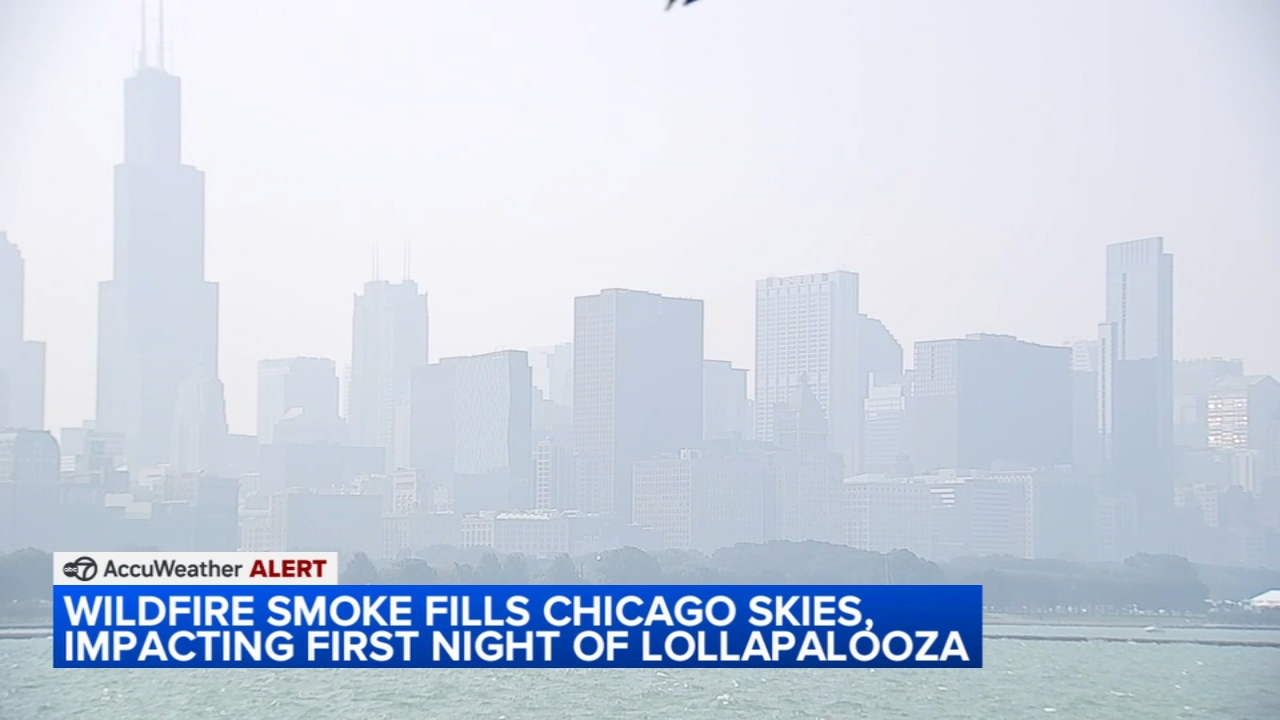
One of the most frequent culprits behind Chicago’s poor air quality days in recent years has been wildfire smoke. Large-scale wildfires, particularly those originating thousands of miles away in Canada or even the western United States, can release massive plumes of particulate matter and other pollutants into the atmosphere. Prevailing winds, often from the north and west, act as a conveyor belt, transporting this smoke across continents and directly into the Midwest.
When these smoke plumes reach Chicago, they can significantly elevate the levels of fine particulate matter (PM2.5), which is small enough to penetrate deep into the lungs. The concentration of PM2.5 is a key indicator used by air quality monitoring agencies like the Environmental Protection Agency (EPA) to assess health risks. The severity of the impact depends on the intensity and proximity of the fires, as well as atmospheric conditions. For instance, high-pressure systems can trap pollutants closer to the ground, exacerbating the problem, while strong winds can disperse them. A thermal inversion, where a layer of warm air sits above cooler air, can also act like a lid, preventing pollutants from rising and scattering, thus concentrating them at ground level. This combination of distant fires and specific meteorological conditions often leads to the hazy skies and health advisories that Chicagoans occasionally experience.
Broader Factors: Industrial Emissions and Urbanization
Beyond the dramatic effects of wildfire smoke, Chicago’s air quality is also continuously shaped by more localized and persistent factors inherent to a large urban and industrial center. The metropolitan area, home to millions and a hub for transportation and manufacturing, generates a steady stream of emissions. Vehicles, ranging from personal cars to commercial trucks and buses, are significant contributors to ground-level ozone and particulate matter through exhaust fumes. The sheer volume of traffic traversing Chicago’s extensive road network means that vehicular emissions are a constant presence in the urban atmosphere.
Furthermore, Chicago’s historical and ongoing industrial activity, particularly in its southern and eastern corridors, also plays a role. Industrial facilities, power plants, and refineries can release a variety of pollutants, including sulfur dioxide, nitrogen oxides, and volatile organic compounds, which contribute to smog formation and respiratory issues. Even household activities, such as heating and cooling systems, contribute to the cumulative emissions. Urbanization itself, with vast expanses of concrete and asphalt, creates an urban heat island effect, which can influence atmospheric chemistry and increase the formation of ground-level ozone, especially during hot summer months. While stricter regulations and technological advancements have led to significant improvements in air quality over the decades, these underlying factors mean that Chicago’s air quality requires continuous monitoring and proactive measures to protect public health and maintain a desirable environment for residents and the millions of tourists who flock to the city each year.
Impact on Visitors and Local Life in the Windy City
Poor air quality isn’t just an abstract environmental concern; it has tangible impacts on the everyday lives of Chicagoans and, perhaps more critically for a tourism-dependent city, on the experiences of its visitors. The vibrant urban landscape that typically invites outdoor exploration can become a less appealing, or even risky, environment when air quality dips. Understanding these impacts is crucial for travelers planning their stay and for the city’s hospitality sector.
Health Concerns for Tourists and Residents
The most immediate and significant impact of poor air quality is on public health. Fine particulate matter (PM2.5) and ground-level ozone, common pollutants during advisories, can pose serious risks, particularly for sensitive groups. This includes individuals with respiratory conditions like asthma or chronic obstructive pulmonary disease (COPD), heart disease, pregnant women, young children, and the elderly. Even healthy individuals can experience symptoms such as coughing, wheezing, shortness of breath, throat irritation, and stinging eyes during periods of elevated pollution.
For tourists, who may be less familiar with local conditions or potential risks, these health concerns can quickly turn a dream vacation into an uncomfortable ordeal. Walking tours of Chicago’s famed architecture, leisurely strolls through Millennium Park to see Cloud Gate, or boat trips on the Chicago River might become ill-advised activities. The decision to limit outdoor exposure can disrupt carefully planned itineraries, leading to disappointment and potentially even requiring medical attention for those particularly vulnerable. Hotels and accommodation providers often find themselves fielding questions from concerned guests, highlighting the need for clear communication and advice during such times.
Altered Travel Plans and Outdoor Experiences
Chicago prides itself on its accessibility and a wealth of outdoor attractions. From the iconic skyline views from the Willis Tower Skydeck to the lively atmosphere of Navy Pier and the expansive green spaces of Grant Park, much of the city’s appeal lies in its outdoor experiences. Poor air quality days, however, force a reconsideration of these plans. Outdoor festivals, concerts in the park, sporting events, and even simple al fresco dining can be canceled, postponed, or significantly less enjoyable.
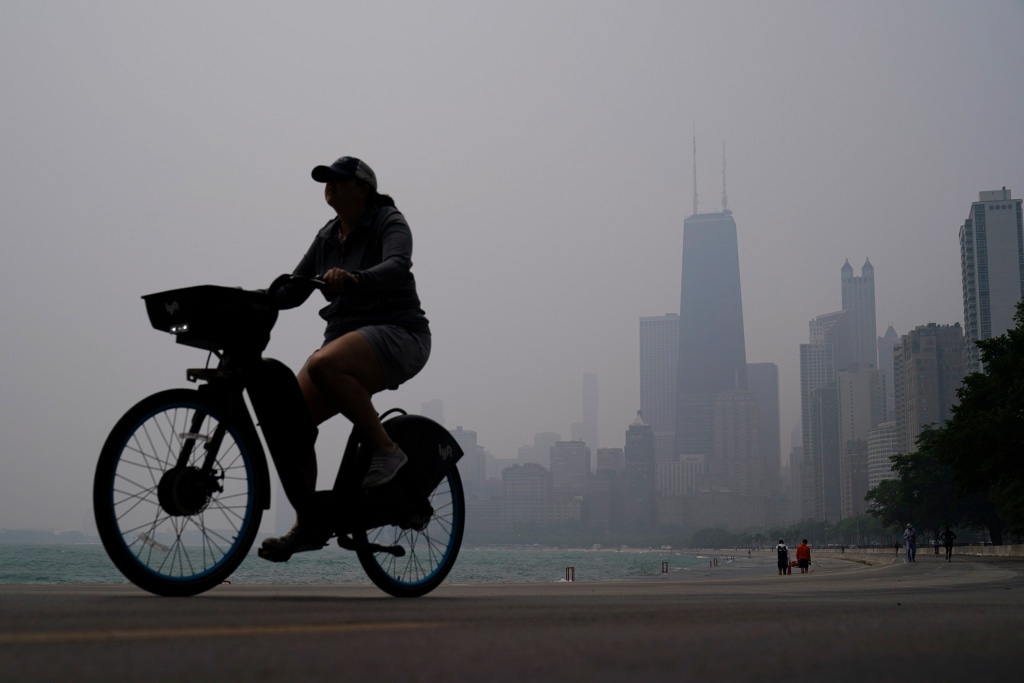
Travelers who have booked specific outdoor activities, such as an architectural boat tour, a visit to Lincoln Park Zoo, or a bike ride along the Lakefront Trail, may find their plans completely derailed. This not only leads to frustration but can also impact the overall perception of their Chicago trip. For many, a city break is about immersing oneself in the local environment, and when that environment becomes compromised, the entire travel experience suffers. This necessitates a pivot towards indoor activities, which, while abundant in Chicago, may not have been the primary focus of a traveler’s initial itinerary.
Economic Repercussions for Tourism and Hospitality
The ripple effects of poor air quality extend beyond individual health and inconvenience, touching the economic fabric of Chicago’s thriving tourism and hospitality sectors. When air quality advisories are in effect, there’s often a noticeable downturn in outdoor activity, directly impacting businesses that rely on foot traffic and open-air experiences. Restaurants with outdoor seating, street vendors, tour operators, and outdoor entertainment venues may see reduced patronage or even be forced to close temporarily.
The booking of accommodation can also be influenced. Prospective visitors, aware of air quality issues, might reconsider or postpone their trips, leading to decreased hotel occupancy rates. This affects not only the large luxury hotels along the Magnificent Mile but also boutique hotels, short-term rentals, and other accommodation providers across the city. Furthermore, cancellations for attractions, events, and tours result in lost revenue for businesses and the city through taxes. While Chicago has a robust indoor attraction landscape that can act as a buffer, prolonged or frequent periods of poor air quality could deter future travel, creating a negative perception that is difficult to reverse. The city’s reputation as a world-class destination is built on its ability to offer exceptional experiences, and anything that consistently detracts from this can have long-term economic consequences for the tourism industry.
Navigating Chicago During Poor Air Quality Days
While occasional bad air quality days can be disconcerting, they don’t have to completely derail a trip to Chicago. The city is incredibly resilient and offers a wealth of indoor options and practical strategies to ensure visitors can still enjoy their stay comfortably and safely. A little preparation and flexibility can go a long way in making the most of your Chicago experience, regardless of the air quality outside.
Indoor Attractions and Alternative Activities
Chicago is a treasure trove of world-class indoor attractions, making it an ideal city to explore even when outdoor conditions are less than perfect. Instead of strolling through Millennium Park or visiting Navy Pier, consider diving into the city’s unparalleled museum scene. The Art Institute of Chicago houses an extraordinary collection spanning centuries and continents, offering hours of captivating exploration. The Field Museum transports visitors through natural history, from towering dinosaur skeletons to ancient civilizations, while the Shedd Aquarium provides an immersive journey into aquatic ecosystems.
Beyond museums, Chicago boasts incredible shopping along the Magnificent Mile, with upscale boutiques and flagship stores offering a fantastic retail therapy experience. For entertainment, catch a Broadway in Chicago show at one of the city’s historic theaters, enjoy a comedy performance at The Second City, or explore the vibrant culinary scene by trying new restaurants, from deep-dish pizza joints to Michelin-starred dining establishments. Many hotels also offer excellent indoor amenities, such as pools, fitness centers, and spas, providing relaxing alternatives to outdoor activities. Embracing these indoor gems allows visitors to immerse themselves in Chicago’s rich culture and diverse offerings without compromising their health.
Choosing the Right Accommodation
When air quality is a concern, selecting the right accommodation becomes even more important for a comfortable and safe trip. Hotels, resorts, and apartments with robust ventilation systems and efficient air filtration are highly desirable. Many modern or recently renovated hotels are equipped with HVAC systems that can effectively filter out pollutants, providing a cleaner indoor environment. When booking, it can be beneficial to inquire about a property’s air filtration capabilities, especially if you or someone in your travel party has respiratory sensitivities.
Luxury hotels, in particular, often invest in superior air quality management as part of their commitment to guest comfort and well-being. Look for accommodations that emphasize a clean and healthy indoor environment, potentially mentioning features like allergy-friendly rooms or advanced air purification. Beyond air quality, consider hotels that offer a wide range of indoor amenities, such as on-site restaurants, bars, fitness centers, and even entertainment options, which minimize the need to venture outside frequently. Websites and booking platforms for accommodation often provide detailed information on hotel amenities; prioritizing these features can ensure a more pleasant and worry-free stay in Chicago, allowing you to relax and enjoy your temporary home away from home.
Practical Tips for Travelers’ Health and Safety
For travelers visiting Chicago during periods of poor air quality, proactive measures can significantly mitigate health risks and enhance their overall experience. The first step is to stay informed. Regularly check local air quality forecasts and advisories, such as those provided by the EPA or local news outlets. The AirNow.gov website is an excellent resource for real-time air quality index (AQI) readings. When the AQI is high (e.g., in the “unhealthy for sensitive groups” or “unhealthy” ranges), it’s best to limit outdoor exposure.
If you must go outside, especially for extended periods, wearing an N95 or KN95 mask can help filter out fine particulate matter, offering a layer of protection. Stay hydrated by drinking plenty of water, and avoid strenuous outdoor activities. If you have a pre-existing respiratory or heart condition, ensure you have your medications readily accessible and consult with your doctor about specific precautions before or during your trip. Pay attention to your body; if you experience symptoms like coughing, shortness of breath, or chest pain, seek medical advice promptly. Inside your accommodation, keep windows and doors closed to prevent outdoor pollutants from entering. Many hotels and even public buildings in Chicago have good indoor air filtration, so these can serve as safe havens. By adopting these practical tips, visitors can navigate bad air quality days with greater confidence, ensuring their focus remains on enjoying the rich tapestry of experiences Chicago has to offer.
Looking Ahead: Chicago’s Commitment to Cleaner Air
Addressing air quality challenges is an ongoing endeavor that requires commitment from multiple stakeholders. For a city like Chicago, which relies heavily on tourism and strives to provide a high quality of life for its residents, investing in cleaner air is not just an environmental imperative but also an economic and social one. Efforts at both local and individual levels contribute to a healthier, more sustainable future for the Windy City.
Local Initiatives and Sustainability Efforts
Chicago has long been at the forefront of urban sustainability efforts, and this commitment extends to improving air quality. The city actively engages in various initiatives aimed at reducing emissions and promoting environmental health. This includes transitioning to cleaner energy sources, such as solar and wind power, to decrease reliance on fossil fuels that contribute to air pollution. Investments in public transportation infrastructure, including expanded rail and bus networks, encourage residents and visitors to opt for more sustainable modes of travel, thereby reducing vehicular emissions.
Furthermore, Chicago has implemented programs to green its urban landscape, such as increasing tree canopy cover and developing more green roofs. These initiatives not only enhance the city’s aesthetic appeal but also play a practical role in absorbing pollutants and mitigating the urban heat island effect, which can exacerbate smog formation. Stricter environmental regulations for industrial facilities, coupled with ongoing monitoring by local and state EPA agencies, ensure that polluters are held accountable and that industrial emissions are kept within acceptable limits. The city also champions waste reduction and recycling programs, which indirectly contribute to air quality improvements by reducing the need for new manufacturing and energy consumption. These multifaceted local initiatives demonstrate Chicago’s proactive approach to creating a healthier, more breathable environment for everyone who lives, works, and visits.
The Role of Travelers in Supporting Green Tourism
While governmental and corporate efforts are vital, travelers also have a significant role to play in supporting Chicago’s journey toward cleaner air and more sustainable tourism. Conscious travel choices can collectively make a difference, contributing to a more enjoyable and responsible travel experience for all. Opting for public transportation – Chicago’s ‘L’ train and bus system – instead of taxis or ride-shares, not only reduces individual carbon footprints but also helps alleviate traffic congestion and associated emissions. Many of Chicago’s major attractions are easily accessible via public transit, making it a convenient and eco-friendly choice.
Choosing eco-certified hotels or accommodations that prioritize sustainability, such as those with energy-efficient systems, water conservation programs, and waste reduction initiatives, directly supports businesses committed to environmental stewardship. Travelers can also patronize local businesses that source ethically and sustainably, reducing the environmental impact of supply chains. Minimizing personal waste, reusing items like water bottles and shopping bags, and conserving energy and water during hotel stays are simple yet impactful actions. Furthermore, supporting non-profit organizations focused on environmental conservation or urban greening in Chicago can provide additional resources for these vital efforts. By embracing these principles of green tourism, visitors can not only enjoy the wonders of Chicago but also actively contribute to its long-term environmental health, ensuring that the Windy City remains a vibrant and welcoming destination for generations to come.
LifeOutOfTheBox is a participant in the Amazon Services LLC Associates Program, an affiliate advertising program designed to provide a means for sites to earn advertising fees by advertising and linking to Amazon.com. Amazon, the Amazon logo, AmazonSupply, and the AmazonSupply logo are trademarks of Amazon.com, Inc. or its affiliates. As an Amazon Associate we earn affiliate commissions from qualifying purchases.