
Chicago, the vibrant heart of the Midwest, a city celebrated for its towering architecture, world-class museums, and bustling cultural scene, typically offers a fresh, invigorating backdrop for both residents and visitors. From the shimmering shores of Lake Michigan to the lively streets of the Magnificent Mile, the Windy City is an unparalleled destination for travel, tourism, and an exceptional urban lifestyle. However, like any major metropolitan area, Chicago occasionally faces environmental challenges, and today, the question on many minds is: “Why is Chicago air quality bad?”
Poor air quality can significantly impact travel plans, outdoor activities, and the overall experience of exploring a new city. It raises concerns for personal health, especially for those with respiratory conditions, and can cast a literal haze over what would otherwise be a crystal-clear view of the iconic skyline. Understanding the causes behind today’s less-than-ideal air is crucial for both residents planning their day and travelers looking to make the most of their visit. This article delves into the primary factors contributing to Chicago’s current air quality situation, offering insights and practical advice on how to navigate the city while keeping health and enjoyment paramount. Whether you’re here for business, a family trip, or a luxury escape, adapting your approach can ensure that even on hazy days, your Chicago experience remains unforgettable.

Unraveling the Haze: Primary Causes of Chicago’s Air Quality Woes
When the air in a major urban center like Chicago takes a turn for the worse, it’s rarely due to a single factor. More often, it’s a complex interplay of distant environmental events, local industrial activity, and specific meteorological conditions that converge to create a noticeable and sometimes concerning decline in air quality. Understanding these contributing elements is the first step toward appreciating the transient nature of such events and how they impact daily life and travel decisions in the city.
The Far-Reaching Impact of Wildfires
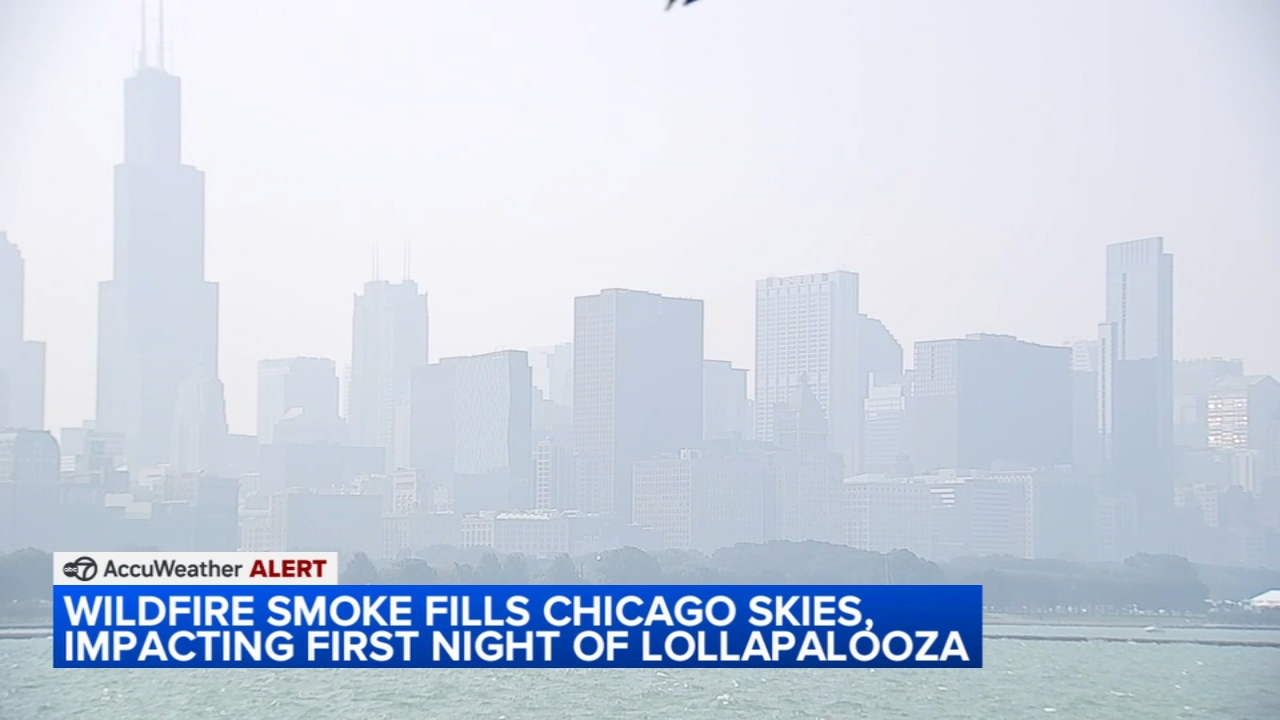
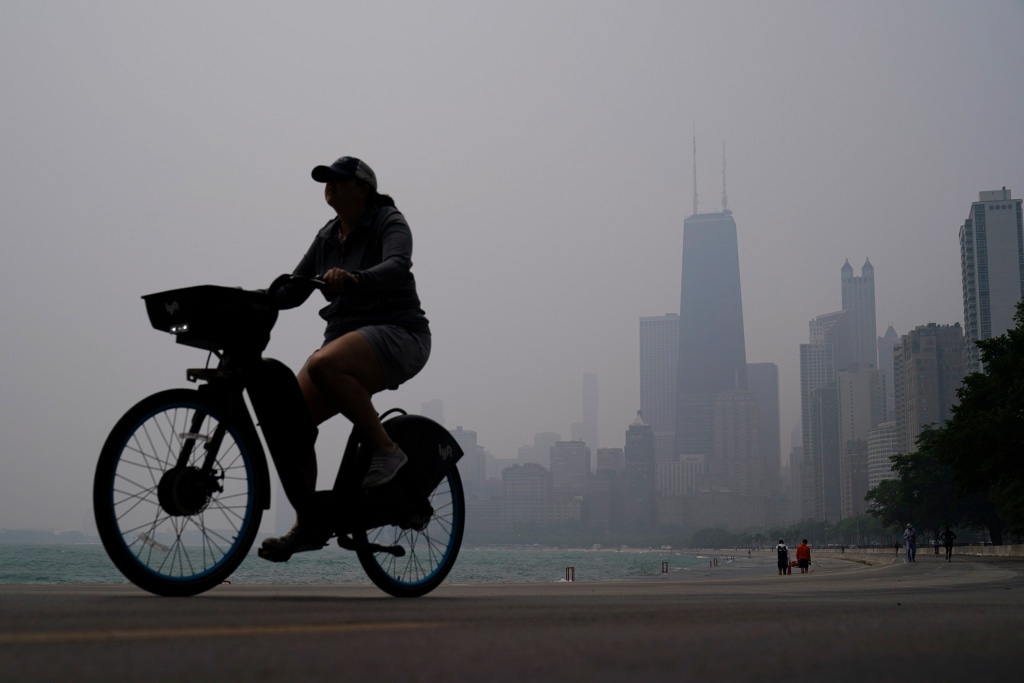
One of the most significant and increasingly frequent contributors to poor air quality in Chicago and across vast swathes of the United States is the smoke plume from wildfires. In recent years, massive wildfires burning thousands of miles away, particularly in western Canada and the western United States, have become a recurring concern. These fires release immense amounts of particulate matter, primarily fine particles known as PM2.5, into the atmosphere. Prevailing winds, often from the northwest, can carry this smoke across continents. When these smoke plumes settle over metropolitan areas, they dramatically elevate the Air Quality Index (AQI), leading to hazy skies, reduced visibility, and a distinctive smoky odor.
The summer of 2023 saw Chicago experience some of the worst air quality days on record, directly attributable to persistent Canadian wildfires. The sheer scale and intensity of these fires meant that their environmental impact was felt far beyond their immediate vicinity. While fires are a natural part of some ecosystems, climate change has exacerbated their frequency and severity, making distant wildfire smoke a new and unpredictable challenge for urban air quality management. For travelers, this means that even if Chicago itself is free of local fires, your experience can still be affected by events occurring thousands of miles away.
Local Contributors: Urban Emissions and Industrial Activity
While distant wildfires often grab headlines, local sources of pollution are always a baseline factor in any major city’s air quality. Chicago, as a bustling metropolis and a significant industrial hub in the Midwest, has its own set of emissions that contribute to air pollution. Vehicle exhaust, particularly from older cars and heavy-duty trucks, releases nitrogen oxides, volatile organic compounds, and fine particulate matter. Industrial facilities, power plants, and manufacturing operations in and around the Chicagoland area also contribute to the mix, emitting pollutants like sulfur dioxide and other industrial byproducts.
On days when external factors like wildfire smoke are absent, the air quality in Chicago is largely influenced by these localized sources. The cumulative effect of these emissions, especially during peak traffic hours or under specific weather conditions, can lead to elevated pollutant levels. While stringent regulations by the Environmental Protection Agency (EPA) and the Illinois Environmental Protection Agency (IEPA) aim to mitigate these impacts, the sheer volume of activity in a city of millions means that these local sources are a constant consideration for air quality monitoring.
Meteorological Factors at Play
Weather patterns are the final, critical piece of the air quality puzzle. They dictate how pollutants disperse, accumulate, or are swept away. Today’s poor air quality in Chicago could very well be linked to a particular set of atmospheric conditions. For instance, stagnant air masses, often associated with high-pressure systems, can trap pollutants close to the ground, preventing their dispersion. This phenomenon, known as a temperature inversion, occurs when a layer of warm air sits above cooler air, effectively acting as a lid that holds down smog and particulate matter.
Wind direction and speed are also paramount. Strong winds from the west or northwest can carry wildfire smoke directly to Chicago. Conversely, a shift in wind direction, perhaps from Lake Michigan, can help clear the air relatively quickly. Humidity levels can also play a role, as moisture can sometimes enhance the visibility of haze. Thus, while emissions sources provide the pollutants, the weather acts as the atmospheric conductor, determining the severity and longevity of poor air quality events. For travelers, checking the weather forecast isn’t just about packing an umbrella; it’s also about understanding potential air quality impacts.
Navigating the City: Travel and Tourism in Challenging Air Conditions
When Chicago’s air quality takes a dip, it doesn’t mean your travel plans are ruined. It simply calls for a strategic adjustment to your itinerary, focusing on the city’s incredible array of indoor attractions and taking advantage of accommodations designed for comfort. Chicago is a city built to be enjoyed year-round, regardless of external conditions, and its hospitality sector is adept at providing exceptional experiences even when outdoor adventures are less appealing.
Adapting Your Itinerary: Indoor Attractions and Experiences
Chicago boasts an unparalleled collection of world-class indoor attractions, making it an ideal destination for pivoting away from hazy outdoor activities. Instead of strolling through Millennium Park to see Cloud Gate (though a quick peek might still be possible on less severe days), consider immersing yourself in the city’s cultural treasures. The Art Institute of Chicago, consistently ranked among the best museums globally, offers hours of exploration through masterpieces spanning centuries. Similarly, the Field Museum invites visitors to journey through natural history, from dinosaurs to ancient civilizations, while the Shedd Aquarium provides an enchanting underwater world experience. For science enthusiasts, the Museum of Science and Industry is a hands-on marvel.
For breathtaking views without exposure to the elements, head to Skydeck Chicago at Willis Tower or the 360 Chicago Observation Deck at the John Hancock Center. These iconic vantage points offer panoramic views from climate-controlled heights, allowing you to appreciate the city’s architectural grandeur even through a slight haze. Beyond museums and observation decks, Chicago’s vibrant theater scene is always an excellent option. Catch a show at renowned venues like The Second City for improv comedy, Steppenwolf Theatre Company for compelling dramas, or one of the many Broadway in Chicago productions.
Culinary tourism also thrives indoors. Chicago is a foodie paradise, with everything from Michelin-starred restaurants to cozy neighborhood eateries. Explore diverse dining experiences, partake in a cooking class, or embark on an indoor food tour. The Chicago Cultural Center, with its stunning architecture and free events, is another excellent indoor retreat. Even iconic shopping destinations like those along the Magnificent Mile offer extensive indoor experiences.
Hotel and Accommodation Considerations
Your choice of hotel or accommodation becomes even more critical during periods of poor air quality. Many modern hotels in Chicago are equipped with sophisticated HVAC (heating, ventilation, and air conditioning) systems that filter outside air, ensuring a comfortable and clean indoor environment. When booking, consider properties that emphasize air quality management or offer amenities like in-room air purifiers, especially if you have respiratory sensitivities. Luxury hotels and resorts, in particular, often prioritize such systems as part of their premium offerings.
Beyond air quality, focusing on accommodation with excellent indoor amenities can significantly enhance your stay. Look for hotels with state-of-the-art fitness centers, indoor swimming pools, spa facilities, or engaging lobbies and lounges where you can relax, work, or socialize. Many upscale hotels in Chicago also feature multiple dining options, from casual cafes to fine-dining restaurants, allowing guests to enjoy exceptional meals without venturing outside. For those seeking long-term stays or apartment-style accommodations, checking reviews for indoor comfort and air circulation can be beneficial. In essence, your hotel can become a comfortable and luxurious sanctuary from external conditions, allowing you to recharge before venturing out for indoor exploration.
Lifestyle Adjustments for Visitors
Even with a shift to indoor activities, some level of exposure to outdoor air is inevitable. Visitors should adopt a few lifestyle adjustments to minimize potential health impacts. First and foremost, regularly check the current Air Quality Index (AQI) for Chicago through reputable sources like the Environmental Protection Agency (EPA) website or local news apps. This will provide real-time information and health recommendations.
For periods when the AQI is particularly high (e.g., “Unhealthy for Sensitive Groups” or “Unhealthy”), consider wearing an N95 or KN95 mask when outdoors. These masks are effective at filtering fine particulate matter. Limit strenuous outdoor activities like jogging or long walks, and opt for indoor workouts at your hotel’s gym instead. Stay well-hydrated, as this can help your body cope with environmental stressors. If you experience persistent coughing, shortness of breath, or eye irritation, seek medical advice. Chicago has excellent healthcare facilities, so don’t hesitate to utilize them if needed. By being proactive and informed, you can significantly mitigate the effects of poor air quality on your travel experience.
Protecting Your Health and Maximizing Your Chicago Experience
Experiencing Chicago with elevated air pollution requires a blend of vigilance and adaptability. While the city remains a world-class destination, taking proactive steps to protect your health and optimize your itinerary ensures that your memories are made of magnificent experiences, not environmental discomfort. The key lies in staying informed and making smart choices about your activities and whereabouts.
Understanding Air Quality Advisories
The Air Quality Index (AQI) is your primary tool for understanding current conditions. Developed by the Environmental Protection Agency, the AQI categorizes air quality into a simple color-coded scale, from “Good” (green) to “Hazardous” (maroon). Each category comes with specific health recommendations. For instance, when the AQI reaches “Orange” (Unhealthy for Sensitive Groups), individuals with heart or lung disease, older adults, and children should reduce prolonged or heavy exertion outdoors. When it hits “Red” (Unhealthy), everyone should limit outdoor exertion.
You can easily check Chicago’s real-time AQI through various platforms: the EPA’s AirNow website, local weather forecasts, news channels, and many smartphone apps. Regularly consulting these advisories throughout your stay will empower you to make informed decisions about your day’s plans, whether that means exploring indoor attractions, enjoying a culinary journey, or simply relaxing at your hotel. Being aware is the first step to staying healthy and comfortable.
Practical Tips for Travelers
Beyond checking the AQI and modifying your itinerary, there are several practical tips that can enhance your well-being during periods of poor air quality.
- Prioritize Indoor Activities: As previously mentioned, Chicago is rich with indoor wonders. Explore the Art Institute of Chicago, the Field Museum, the Shedd Aquarium, or catch a show at the Goodman Theatre. The Chicago Cultural Center often hosts free exhibitions and events.
- Utilize Public Transportation: Minimize walking outdoors by leveraging Chicago’s efficient public transportation system, the ‘L’ train and buses. This allows you to move between attractions quickly and with less outdoor exposure.
- Dine Indoors: Embrace Chicago’s incredible dining scene by planning all your meals indoors. From casual cafes to Michelin-starred restaurants, the city offers an endless array of options. Consider a luxury dining experience as part of your lifestyle travel.
- Stay Hydrated: Drinking plenty of water is always important, but particularly so when air quality is compromised. Hydration supports overall bodily functions and can help alleviate some minor symptoms associated with air pollution.
- Consider Hotel Amenities: If you’re staying in a hotel, take full advantage of its indoor amenities. Enjoy the fitness center, swimming pool, spa services, or simply relax in the comfortable common areas. Many luxury hotels offer exceptional lounges and bars that provide a sophisticated indoor escape.
- Ventilation at Accommodation: If staying in an apartment or long-term accommodation, try to keep windows and doors closed to prevent outdoor pollutants from entering. If you have an air conditioning system, ensure its filters are clean.
- Pack Smart: If you’re sensitive to air quality changes, consider packing N95 or KN95 masks. These can provide a layer of protection if you need to spend time outdoors or if the AQI is particularly high.
By integrating these tips into your travel strategy, you can significantly reduce your exposure to pollutants and maintain a comfortable, enjoyable experience while exploring the best of what Chicago has to offer.
Looking Ahead: Chicago’s Resilience and Future Efforts
Despite occasional challenges like today’s air quality issues, Chicago remains a remarkably resilient city committed to the well-being of its residents and visitors. The city and state Environmental Protection Agency (EPA) continually monitor air quality, implement regulations to control local emissions, and work on long-term strategies to improve environmental health. Efforts include promoting sustainable transportation, investing in renewable energy, and engaging in urban planning that prioritizes green spaces and cleaner industrial practices.
While wildfire smoke is largely outside local control, Chicago officials are increasingly proactive in communicating advisories and providing guidance during such events. The city’s robust infrastructure, diverse economy, and vibrant cultural scene ensure that it continues to thrive and adapt, offering an unparalleled urban experience even when external conditions present temporary hurdles. The spirit of Chicago is one of perseverance and innovation, guaranteeing that it will continue to be a premier destination for travel, tourism, and lifestyle adventures for years to come.
In conclusion, while Chicago’s air quality may be a concern today, driven primarily by distant wildfires, local emissions, and prevailing weather patterns, it should not deter you from experiencing this magnificent city. By staying informed, adapting your itinerary to its incredible array of indoor attractions, and taking simple health precautions, you can still enjoy a rich and rewarding visit. From the world-class museums and architectural wonders to the diverse culinary landscape and vibrant arts scene, Chicago offers boundless opportunities for discovery, culture, and unforgettable memories, regardless of what the air quality index suggests for a single day. Embrace the city’s indoor charm, find comfort in its exceptional accommodations, and let the spirit of Chicago captivate you.
LifeOutOfTheBox is a participant in the Amazon Services LLC Associates Program, an affiliate advertising program designed to provide a means for sites to earn advertising fees by advertising and linking to Amazon.com. Amazon, the Amazon logo, AmazonSupply, and the AmazonSupply logo are trademarks of Amazon.com, Inc. or its affiliates. As an Amazon Associate we earn affiliate commissions from qualifying purchases.