
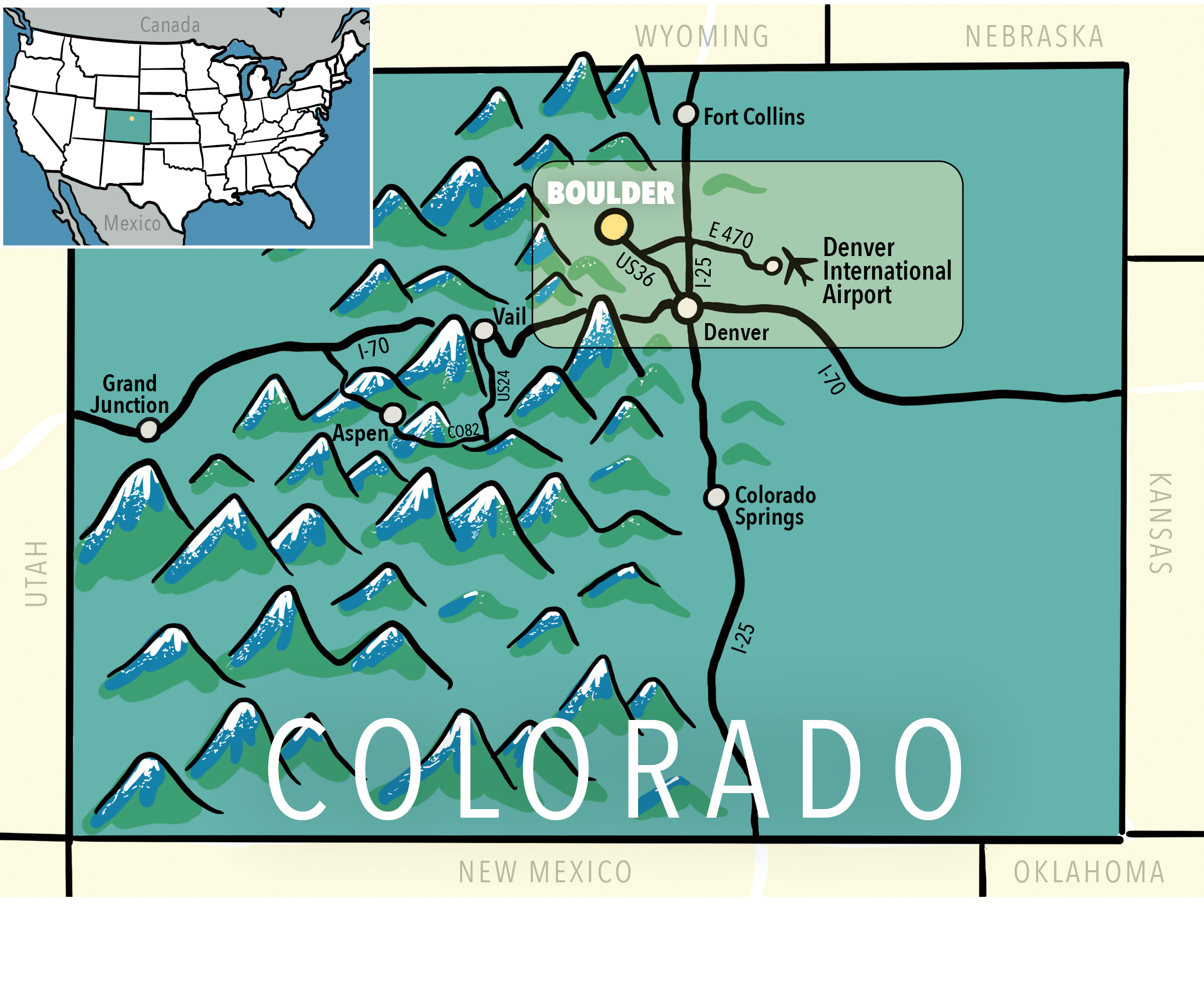
For anyone planning a trip to the scenic Colorado Front Range, a common question arises: “How far is Denver to Boulder Colorado?” The good news is that these two vibrant cities, each offering a unique blend of urban sophistication and natural beauty, are remarkably close, making day trips, weekend getaways, or even daily commutes both feasible and enjoyable. The journey between Denver, the bustling capital, and Boulder, the adventurous outdoor paradise nestled at the foot of the Rocky Mountains, is a relatively short and straightforward one, typically spanning between 25 and 30 miles depending on your starting and ending points and the specific route you choose. This proximity is a major draw for travelers eager to experience the diverse offerings of the region, from Denver’s cultural attractions and culinary scene to Boulder’s renowned hiking trails and laid-back, health-conscious lifestyle.

The convenience of this short distance opens up a world of possibilities for tourists and locals alike. Whether you’re looking to explore historic LoDo in Denver, catch a concert at the iconic Red Rocks Amphitheatre, or climb the majestic Flatirons in Boulder, the relatively quick transit time means you can maximize your experience without spending excessive hours on the road. This guide will delve into the various ways to travel between these two Colorado gems, explore the attractions that make each city a must-visit, and provide essential tips for planning your perfect Colorado Front Range adventure.
The Scenic Journey Between Denver and Boulder
The drive from Denver to Boulder is more than just a commute; it’s an introduction to the stunning landscapes of Colorado. As you head northwest from Denver, the urban sprawl gradually gives way to rolling plains, eventually revealing the dramatic backdrop of the Rocky Mountains, with Boulder nestled right at their foothills.
Understanding the Distance and Drive Time
The most direct and commonly used route between Denver and Boulder covers approximately 25 to 30 miles. Under ideal driving conditions, without significant traffic, this journey typically takes about 30 to 45 minutes. However, it’s crucial to factor in potential traffic delays, especially during peak commute hours (morning and late afternoon on weekdays) or during special events in either city. During these times, the drive could easily extend to an hour or more. Weather conditions, particularly during Colorado’s winter months, can also impact travel times, with snow and ice making roads slick and slowing down traffic considerably. Therefore, always check real-time traffic updates and weather forecasts before embarking on your trip.
Popular Routes and Road Conditions
Two primary routes connect Denver and Boulder, each offering a slightly different experience:
- US-36 (Boulder Turnpike): This is by far the most direct and popular route. It’s a modern, well-maintained highway that offers a relatively smooth journey. US-36 features managed lanes (toll lanes) that can be used for a faster trip during congested periods, though they require a toll payment. Outside of peak hours, the regular lanes are usually sufficient. The scenery along US-36 is a classic Colorado landscape, transitioning from urban areas to expansive views of the Front Range.
- I-25 North to State Highways: While less direct, an alternative route involves taking I-25 North from Denver and then exiting onto state highways such as CO-7 (Arapahoe Road) or CO-121 (Wadsworth Boulevard) to head west towards Boulder. This route is generally longer in terms of mileage and time but might be chosen if there are significant delays on US-36 or if your starting point in Denver makes I-25 more convenient. It also offers a slightly different perspective of the surrounding areas, often through more suburban and less developed stretches.
Regardless of the route, travelers will find well-maintained roads designed to handle significant traffic, making the drive between these two cities a generally pleasant experience.
Exploring Transportation Options
Beyond driving your own vehicle, several convenient transportation options exist for traveling between Denver and Boulder, catering to different budgets, preferences, and travel styles.
Driving Your Own Vehicle
For many, the flexibility and convenience of driving a personal car or a rental remain the top choice. Having your own vehicle allows you to explore at your own pace, make spontaneous stops, and easily access trailheads or attractions slightly off the beaten path in both cities. Rental cars are readily available at Denver International Airport (DIA) and throughout Denver. Parking can be a consideration, especially in downtown Denver and around the Pearl Street Mall in Boulder, where paid parking garages and street parking are common. Always factor parking costs into your travel budget.
Public Transportation: The RTD Bus
Denver’s Regional Transportation District (RTD Bus) provides excellent public bus service between Denver and Boulder. The Flatiron Flyer (FF1, FF2, FF3, FF4, FF5 lines) is particularly popular, offering an express bus service that utilizes the managed lanes on US-36, making for a quick and efficient journey.
- Route: Flatiron Flyer buses depart frequently from Denver’s Union Station and make several stops along US-36 before arriving at the Boulder Transit Center, located conveniently near the Pearl Street Mall. Some routes also serve the University of Colorado Boulder campus.
- Duration: The bus ride typically takes about 45-60 minutes, depending on traffic and the number of stops.
- Cost: Fares are affordable, usually falling into the regional or airport fare zone category for RTD Bus, and can be purchased on board, via the RTD Bus Mobile Tickets app, or with an RTD Bus MyRide card.
- Benefits: Public transport is an excellent option for budget travelers, those who prefer not to drive, or environmentally conscious visitors. It allows you to relax, enjoy the scenery, and avoid parking hassles.
Ride-Sharing and Taxis
Services like Uber and Lyft are widely available in both Denver and Boulder. A ride-share service offers door-to-door convenience, especially beneficial if you have luggage or are traveling with a group. Taxi services are also an option.
- Cost: While convenient, ride-sharing and taxi services are generally more expensive than public transport, with fares fluctuating based on demand, time of day, and traffic conditions. Expect to pay anywhere from $40 to $70 or more for a one-way trip, excluding tip.
- Benefits: Ideal for travelers seeking maximum convenience, especially late at night or when carrying bulky items that might be difficult on a bus.
Cycling the US-36 Bike Path
For the adventurous and eco-conscious, cycling between Denver and Boulder is a fantastic option. The US-36 Bike Path is a dedicated, paved trail that runs parallel to US-36, providing a safe and scenic route for cyclists.
- Duration: Depending on your fitness level and pace, the ride can take anywhere from 1.5 to 3 hours.
- Challenge: While mostly flat, there are some gentle inclines. It’s an intermediate-level ride suitable for those with some cycling experience.
- Benefits: An incredible way to experience the Colorado landscape, get some exercise, and enjoy the fresh air. Bicycle rentals are available in both cities. This option perfectly aligns with Boulder’s active and outdoor-oriented lifestyle.
Why Travel Between Denver and Boulder?
The short distance between Denver and Boulder isn’t just about logistical ease; it’s about accessing two distinct yet complementary Colorado experiences. Many visitors choose to base themselves in one city and take day trips to the other, making the most of the diverse attractions the Colorado Front Range has to offer.
Denver: Urban Adventure and Cultural Hub
As the capital and largest city in Colorado, Denver (often referred to as the Mile High City) serves as the urban and cultural heart of the state. Its diverse neighborhoods, thriving arts scene, professional sports teams, and burgeoning culinary landscape make it a destination in itself.
-
Attractions:
- Downtown Denver & LoDo: Explore historic Union Station, browse shops and restaurants on the 16th Street Mall, or catch a game at Coors Field. LoDo (Lower Downtown) is packed with Victorian architecture, trendy bars, and diverse eateries.
- Museums & Arts: The Denver Art Museum, Denver Museum of Nature & Science, and the Denver Performing Arts Complex offer world-class exhibits and performances.
- Outdoor Activities (nearby): Just a short drive outside the city, you can visit the stunning Red Rocks Amphitheatre for a concert or hike, or explore the mountain parks in Golden.
- Dining & Breweries: Denver boasts an incredible food scene, from farm-to-table restaurants to international cuisine, alongside a booming craft brewery industry.
-
Lifestyle & Tourism: Denver caters to a wide range of lifestyles, from luxury travelers enjoying upscale dining and boutique hotels, to budget travelers exploring free attractions and affordable eateries. It’s an ideal base for family trips with attractions like the Denver Zoo and Downtown Aquarium, and a significant hub for business stays due to its robust economy.
Boulder: Outdoor Paradise and Collegiate Charm
Boulder, on the other hand, is celebrated for its breathtaking natural setting at the base of the Flatirons and its emphasis on outdoor recreation, health, and wellness. It’s also home to the vibrant University of Colorado Boulder, which infuses the city with youthful energy and intellectual curiosity.
-
Attractions:
- Pearl Street Mall: A famous pedestrian mall lined with unique boutiques, art galleries, restaurants, and street performers. It’s the social heart of Boulder.
- Hiking & Biking: Boulder is a hiker’s dream, with immediate access to countless trails, including those in Chautauqua Park, offering stunning views of the Flatirons. Cycling is also hugely popular, both on road and mountain bikes.
- University of Colorado Boulder: Stroll through the beautiful campus, admire its distinctive architecture, or catch a collegiate sporting event.
- Food & Wellness: Boulder is known for its healthy, organic food scene and numerous yoga studios and wellness centers.
-
Lifestyle & Tourism: Boulder attracts adventure seekers, nature lovers, and those interested in a health-conscious lifestyle. It’s perfect for family trips focused on outdoor activities and for travelers seeking a more relaxed, scenic environment. Its vibrant local culture, combined with its stunning natural backdrop, makes it a unique destination.
Planning Your Colorado Front Range Excursion
A trip to Colorado is an experience of a lifetime, and understanding the logistics between Denver and Boulder is key to a smooth journey. Whether you’re planning a short visit or an extended stay, a little preparation goes a long way.
Accommodation Choices in Denver and Boulder
Both Denver and Boulder offer a diverse range of accommodation options to suit every taste and budget, from luxurious resorts and boutique hotels to cozy apartments and budget-friendly hostels.
- Denver: As a larger city, Denver boasts a wider array of choices. You’ll find international brands like Marriott, Hilton, and Hyatt offering everything from standard suites to full-service resorts with extensive amenities. Historic hotels such as The Brown Palace Hotel and Spa provide a luxurious experience, while trendy boutique hotels in neighborhoods like LoDo offer unique charm. For longer stays or a more local feel, vacation rentals via platforms like Airbnb and Vrbo are plentiful.
- Boulder: Boulder’s accommodation scene leans into its unique character. The iconic Hotel Boulderado, a historic landmark, offers a blend of elegance and tradition. Many hotels in Boulder are smaller, boutique establishments or feature a more rustic, lodge-like feel to complement the natural surroundings. Vacation rentals are also popular, particularly for families or groups seeking proximity to hiking trails or the University of Colorado Boulder. When booking, consider the proximity to public transport if you plan not to drive, or ensure your chosen accommodation has adequate parking. Booking in advance is highly recommended, especially during peak seasons or when major events are happening. Reading reviews and comparison sites can help you find the best fit for your travel needs.
Best Times to Visit
Colorado experiences four distinct seasons, each offering a different appeal for visitors:
- Spring (April-May): Generally mild, with wildflowers blooming and fewer crowds. Weather can be unpredictable, with sudden snow showers possible, particularly in early spring.
- Summer (June-August): Peak tourist season, with warm temperatures perfect for hiking, biking, and outdoor festivals. Expect larger crowds and higher prices for accommodation and flights.
- Fall (September-October): Arguably the most beautiful time to visit, with crisp air, golden aspen leaves, and pleasant temperatures. This is a very popular time, so book well in advance.
- Winter (November-March): Ideal for skiing and snowboarding in nearby mountain resorts like Winter Park or Vail and Aspen. Both Denver and Boulder receive snow, but clear quickly, and sunny days are common. Attractions like the Denver Art Museum and indoor activities provide plenty to do.
Essential Travel Tips
- Altitude Sickness: Both Denver (5,280 feet) and Boulder (5,430 feet) are at high altitudes. Drink plenty of water, limit alcohol and strenuous activity on your first day, and be aware of symptoms.
- Weather: Colorado weather can change rapidly. Dress in layers, regardless of the season, and be prepared for sun, rain, or even snow on the same day.
- Sun Protection: The sun at high altitude is intense. Always use sunscreen, wear a hat, and bring sunglasses.
- Hydration: Always carry a water bottle, especially if you plan to hike or cycle.
- Flexibility: While planning is good, be open to adjusting your itinerary based on weather, local recommendations, or unexpected discoveries.
- Local Culture: Embrace the outdoor-centric, healthy lifestyle in Boulder and the bustling, diverse urban vibe in Denver. Engage with locals, try local cuisine, and explore the unique local culture.

Seamlessly Connecting Two Colorado Gems
The short distance between Denver and Boulder, typically ranging from 25 to 30 miles and a 30-45 minute drive, is a key asset for anyone exploring the Colorado Front Range. This convenient proximity, coupled with a variety of efficient transportation options from personal vehicles and express buses to ride-shares and dedicated bike paths, makes navigating between these two distinct cities incredibly easy.
Whether you’re drawn to Denver’s dynamic urban landscape, its rich history, and world-class attractions, or captivated by Boulder’s stunning natural beauty, outdoor adventures, and vibrant, health-conscious community, the journey between them is a breeze. By understanding the travel logistics, planning for your preferred mode of transport, and considering the best time to visit, you can effortlessly combine the unique experiences of both destinations into one unforgettable Colorado adventure. So, pack your bags, prepare for scenic views, and get ready to discover why the close connection between Denver and Boulder is a highlight for travelers seeking the best of Colorado.
LifeOutOfTheBox is a participant in the Amazon Services LLC Associates Program, an affiliate advertising program designed to provide a means for sites to earn advertising fees by advertising and linking to Amazon.com. Amazon, the Amazon logo, AmazonSupply, and the AmazonSupply logo are trademarks of Amazon.com, Inc. or its affiliates. As an Amazon Associate we earn affiliate commissions from qualifying purchases.