
Moving to a new state, planning an extended stay, or simply seeking a reliable form of identification in Colorado? Obtaining a Colorado ID or driver’s license is a fundamental step that integrates you into the vibrant lifestyle of the Centennial State. Beyond merely facilitating driving privileges, a state-issued identification card is your gateway to various aspects of daily life, from opening a bank account to accessing local services, enjoying the state’s diverse tourism offerings, and even streamlining your travel experiences.
Colorado, renowned for its majestic Rocky Mountains, bustling cities like Denver and Boulder, and unparalleled outdoor adventures, draws millions of visitors and new residents each year. Whether you’re a long-term visitor planning to explore Rocky Mountain National Park or a new resident settling into an apartment in Colorado Springs, having a valid Colorado ID makes navigating local life significantly smoother. This comprehensive guide will walk you through the entire process, from understanding your options and gathering necessary documents to completing your application, ensuring a hassle-free experience so you can focus on enjoying all that Colorado has to offer.
Understanding Your Options: Driver’s License vs. State ID
Before embarking on the application journey, it’s crucial to understand the two primary forms of identification offered by the State of Colorado: a driver’s license and a state identification card. While both serve as official proof of identity, their primary functions differ, catering to distinct needs. The choice between the two largely depends on whether you intend to operate a motor vehicle within the state. Both options are issued by the Colorado Department of Revenue (DOR), specifically through its Division of Motor Vehicles (DMV) offices located across the state. Understanding the nuances of each will help you select the most appropriate identification for your lifestyle in Colorado.
The Colorado Driver’s License: For the Road Ahead
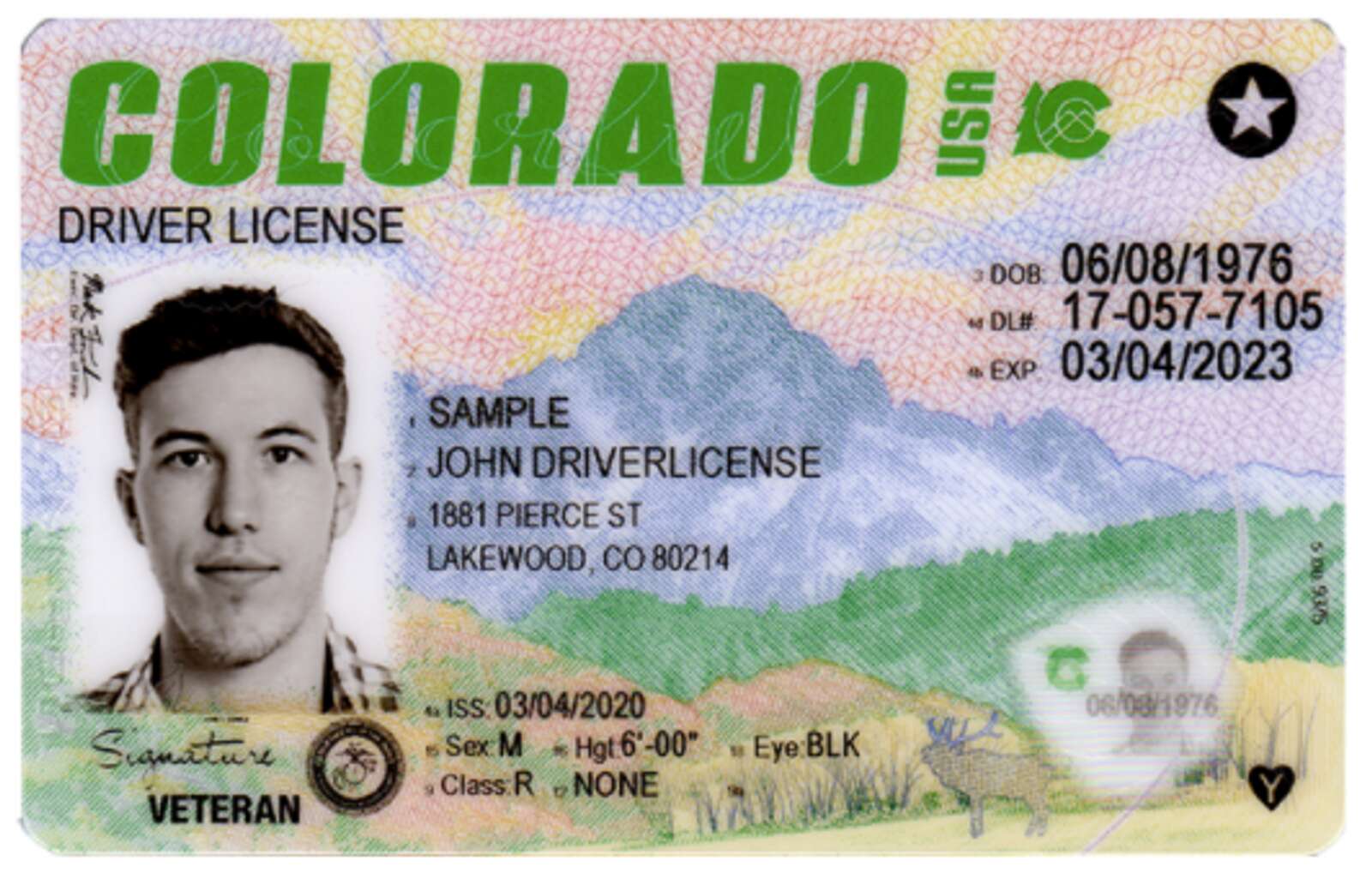
A Colorado Driver’s License is perhaps the most common form of state-issued identification, essential for anyone who plans to drive a car, truck, or motorcycle. Beyond granting legal permission to operate a vehicle, it also functions as a primary form of identification accepted nationwide. For those new to Colorado or moving from another state, transferring an existing out-of-state license to a Colorado Driver’s License is a mandatory step, usually required within 30 days of establishing residency. This process typically involves surrendering your old license, passing a vision screening, and potentially a written knowledge test and a driving skills test, depending on the validity and origin of your previous license.
Furthermore, a significant consideration for travelers and residents alike is compliance with the REAL ID Act. Enacted by Congress in 2005 based on the 9/11 Commission’s recommendation, this federal law sets minimum security standards for state-issued driver’s licenses and identification cards. A REAL ID-compliant Colorado Driver’s License, indicated by a star in the upper right corner, is required for accessing federal facilities, entering nuclear power plants, and boarding federally regulated commercial aircraft within the United States. This is particularly important for those planning domestic flights from Denver International Airport or any other U.S. airport, making your travel experiences seamless and stress-free.
The Colorado State Identification Card: Your Non-Driving ID Solution
For individuals who do not drive or do not wish to obtain a driver’s license, the Colorado State Identification Card serves as an equally valid and official form of identification. This card is perfect for non-drivers of all ages, including minors, seniors, or those who prefer alternative modes of transport such as Denver’s efficient public transit system. While it does not grant driving privileges, it is widely accepted for identity verification purposes, such as proving age for purchasing age-restricted goods, opening bank accounts, cashing checks, voting, or accessing various government and commercial services.
Like its driver’s license counterpart, the Colorado State Identification Card can also be REAL ID-compliant. This means that even without driving privileges, your state ID can enable smoother passage through airport security checkpoints run by the Transportation Security Administration (TSA) and entry into federal buildings. For individuals who frequently travel domestically but do not drive, securing a REAL ID-compliant state ID is an excellent choice. It simplifies travel logistics and ensures you meet identification requirements without the need for a passport for domestic flights, making it an invaluable asset for your personal lifestyle and travel planning within the United States.
Eligibility and Residency Requirements for Your Colorado ID
The path to obtaining a Colorado ID begins with meeting specific eligibility and residency requirements. Colorado has clear guidelines to ensure that applicants are legitimate residents of the state and possess the necessary legal status. These requirements are in place to uphold the integrity of the identification system and comply with both state and federal regulations, particularly those set forth by the REAL ID Act. Understanding and meticulously preparing for these criteria will significantly expedite your application process at the DMV.
Proving Colorado Residency: Establishing Your Home
Establishing Colorado residency is a cornerstone of the ID application process. Generally, to be considered a resident for the purpose of obtaining a state ID or driver’s license, you must reside in Colorado for at least 90 consecutive days. The state requires applicants to provide two acceptable documents that demonstrate their physical address in Colorado. These documents should ideally show your name and your current Colorado residential street address (P.O. boxes are not accepted for proof of residency).
Acceptable proofs of Colorado residency can include a variety of official records. Common examples are utility bills (electricity, gas, water, internet) issued within the last 60 days, a current lease agreement or mortgage statement for an apartment, villa, or home, a bank statement, or a pay stub. For those establishing long-term accommodation, a lease agreement for a flat in Denver or a rental agreement for a home in Fort Collins would be ideal. Other options might include a valid Colorado hunting or fishing license, vehicle registration, or a change of address confirmation from the U.S. Postal Service. Students living on campus might use an official university transcript or a letter from the registrar. These documents not only confirm your physical presence but also serve as vital records for other aspects of your lifestyle in Colorado, such as registering for local services or opening accounts.
Age and Legal Presence: Verifying Your Status
Beyond residency, applicants must also satisfy age and legal presence requirements. For a standard Colorado ID or driver’s license, there are no strict minimum age requirements for a state identification card (though minors must have parental consent), while a driver’s license typically requires applicants to be at least 16 years old.
More importantly, applicants must prove their legal presence in the United States. This requirement is integral to the REAL ID Act, which mandates that state-issued IDs verify the applicant’s lawful status. For U.S. citizens, this typically means presenting a valid U.S. passport or certified birth certificate. Non-U.S. citizens must provide documentation proving their lawful presence, such as a permanent resident card (Green Card), employment authorization document, or an unexpired foreign passport with a valid U.S. visa and I-94 form (Arrival/Departure Record).
The Colorado DOR will verify your legal presence documentation with the Department of Homeland Security (DHS). It’s crucial that all names on your legal presence documents match your current name. If there are discrepancies due to marriage, divorce, or other legal name changes, you must provide certified copies of legal documents (e.g., marriage certificate, divorce decree) to bridge these name differences. This meticulous verification ensures the security and validity of your Colorado ID, facilitating your ability to travel and engage in activities throughout the state and country.
Gathering Your Documents: The Key to a Smooth Application
The most common reason for delays or multiple trips to the DMV is inadequate documentation. Colorado has stringent requirements for proving identity, residency, and legal presence, especially for REAL ID-compliant cards. Proactive preparation by gathering all necessary original documents is paramount for a smooth and successful application process. Think of this as preparing for an important trip: you wouldn’t leave home without your passport and tickets, so don’t attempt your ID application without every required document.
Identity Verification: Establishing Who You Are
To prove your identity, you will need to present original documents that verify your full legal name and date of birth. The primary documents accepted for this purpose include:
- A valid, unexpired U.S. passport or passport card.
- A certified birth certificate issued by a U.S. state or territory. This must be an original document with a raised seal, not a photocopy.
- A Consular Report of Birth Abroad issued by the U.S. Department of State.
- For non-U.S. citizens: A valid foreign passport with a valid U.S. visa and I-94 form, a permanent resident card (Green Card), or an employment authorization document (EAD).
It’s crucial that the name on your identity document matches the name you wish to appear on your Colorado ID. If your name has changed due to marriage, divorce, or legal order, you must also bring original certified copies of the legal document verifying the name change (e.g., marriage certificate, divorce decree). These documents are not just bureaucratic hurdles; they ensure the integrity of your identity, which is fundamental for secure travel and access to essential services, whether you’re checking into a hotel or embarking on an adventure to Garden of the Gods.
Proof of Social Security Number (SSN)
All applicants for a Colorado ID or driver’s license are required to provide proof of their Social Security Number (SSN). This is a vital piece of information for identity verification and background checks. Acceptable documents include:
- Your original Social Security card.
- A W-2 form or 1099 form showing your full name and SSN.
- A pay stub with your name and SSN.
- A letter from the Social Security Administration (SSA) indicating your SSN.
It’s important to present an original document, not a photocopy. If you do not have your physical Social Security card or other documents, you may need to contact the SSA to obtain a replacement or statement before applying for your Colorado ID. For individuals who have never been issued an SSN (typically non-U.S. citizens not authorized to work), specific exemptions or alternative procedures may apply, often requiring a letter from the SSA stating that an SSN has not been issued.
REAL ID Compliance Documentation
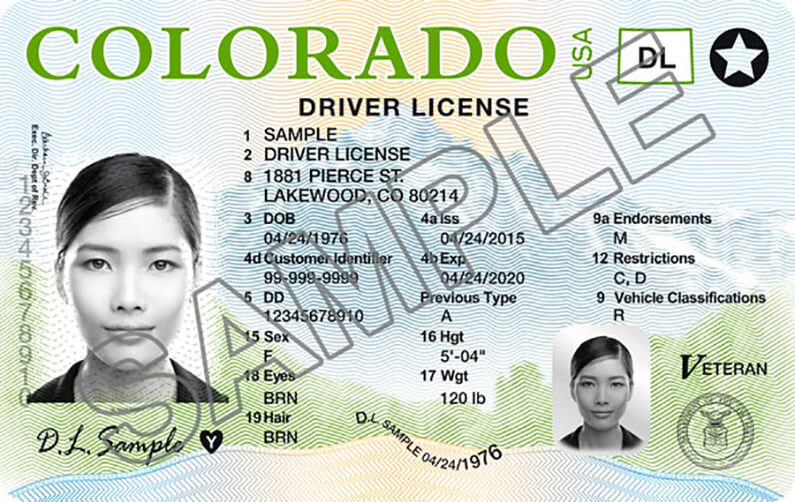
As mentioned, if you wish your Colorado ID to be REAL ID-compliant (marked with a star), you must satisfy additional documentation requirements beyond basic identity and SSN proof. The main additional requirements for REAL ID are:
- Two proofs of Colorado residency: As detailed earlier, these documents must show your current Colorado street address. Examples include utility bills, lease agreements, or bank statements.
- Proof of lawful presence: This generally means your U.S. birth certificate, U.S. passport, or for non-U.S. citizens, your permanent resident card or foreign passport with valid U.S. visa and I-94. The DMV will electronically verify your lawful presence with the Department of Homeland Security.
These documents are crucial for adhering to stricter federal security standards. For those planning future domestic flights to explore other states, or for business stays that require access to federal facilities, investing the time to gather these documents for a REAL ID-compliant card will save potential headaches down the line. Keep all these original documents organized in a folder to bring with you to your DMV appointment.
The Application Process: Step-by-Step Guide
Once you’ve meticulously gathered all your required documents, the actual application process is relatively straightforward. Colorado has streamlined its system to make it as efficient as possible, offering online pre-application options and encouraging appointments to minimize wait times. Navigating these steps effectively ensures you spend less time in a waiting room and more time enjoying the beautiful landscapes of Colorado.
Online Pre-Application (Optional but Recommended)
The Colorado DOR offers an online pre-application service that can significantly expedite your visit to the DMV office. Through the official Colorado DMV website, you can complete much of the paperwork beforehand, upload some documents, and even schedule an appointment. This step allows you to enter your personal information and select the type of ID you need, ensuring accuracy and reducing potential errors during your in-person visit. Scheduling an appointment is highly recommended, especially for Denver and other major cities, as walk-in wait times can be substantial. An appointment allows you to bypass general queues, leading to a much more pleasant and efficient experience, giving you more time to plan your next adventure, whether it’s hiking Pikes Peak or hitting the ski slopes in Aspen or Vail.
Visiting a DMV or DOR Office
On the day of your appointment, arrive punctually at the selected Colorado DMV or DOR office with all your original documents. During your visit, a DMV technician will review your documents, verify your identity, and confirm your legal presence and Colorado residency. You will also be required to:
- Complete an application form: Even if you pre-applied online, you might need to confirm details or sign the final application.
- Undergo a vision screening: This is a quick test to ensure your eyesight meets the minimum standards for driving (if applying for a driver’s license).
- Have your photograph taken: This photo will appear on your ID. Ensure you look presentable, as this will be your official identification for years to come.
- Provide a thumbprint and signature: These are standard security measures.
The entire in-person process, especially with an appointment, is designed to be efficient, typically taking under an hour once called. Without an appointment, be prepared for longer waits, particularly at popular locations like the Denver DMV offices.
The Application and Examination (for Driver’s License)
If you are applying for a Colorado Driver’s License and are a new driver or transferring a license from a foreign country, you may also need to complete two examinations:
- Written Knowledge Test: This test assesses your understanding of Colorado traffic laws, road signs, and safe driving practices. Study the Colorado Driver Handbook thoroughly to prepare. Many resources, including practice tests, are available online.
- Driving Skills Test: Also known as a road test, this evaluates your ability to safely operate a vehicle in real-world conditions. You must provide a properly registered and insured vehicle for this test. Some DMV locations allow third-party driving schools to administer this test, which can sometimes lead to shorter wait times for testing slots.
If you are transferring a valid driver’s license from another U.S. state or territory, you typically only need to pass the vision screening and will not be required to take the written or driving tests. However, an expired out-of-state license or one from certain countries might necessitate taking one or both tests.
Fees and Payment
There are associated fees for obtaining a Colorado ID or driver’s license. These fees are subject to change, so it’s always best to check the official Colorado DOR website for the most current pricing. Generally, the cost for a driver’s license is slightly higher than for a state identification card.
Accepted payment methods typically include cash, checks, money orders, and major credit/debit cards (Visa, MasterCard, Discover). It’s prudent to check the specific payment options accepted at your chosen DMV office before your visit. While the fee itself is a minor part of the process, ensuring you have the correct payment method ready avoids any last-minute inconveniences.
Special Considerations for Travelers and Newcomers
Colorado’s allure as a travel destination and a place for new beginnings means many individuals arriving in the state have unique circumstances regarding identification. Whether you’re an international visitor, a long-term tourist, or a recent transplant, understanding how your specific situation interacts with Colorado’s ID requirements is key to a smooth transition and an enjoyable stay.
Non-Residents and Temporary Stays: Driving with Out-of-State Licenses
For those visiting Colorado for tourism, family visits, or short-term work assignments, obtaining a Colorado ID might not be necessary. Generally, non-residents can use their valid out-of-state or out-of-country driver’s license for up to 90 days. If you’re an international visitor, it’s highly recommended to carry an International Driving Permit (IDP) along with your valid foreign license. The IDP translates your license into multiple languages and is recognized in many countries, facilitating vehicle rentals and interactions with law enforcement. Most major car rental agencies at Denver International Airport or in cities like Boulder will accept a valid foreign license, often requesting an IDP as well.
However, if your stay extends beyond 90 days, or if you establish Colorado residency (e.g., enrolling children in public school, taking a permanent job, purchasing property), you are legally required to obtain a Colorado Driver’s License or State ID. Ignoring this requirement can lead to legal issues, including fines and complications with insurance or law enforcement. For those who frequently book long-term accommodation, such as extended-stay hotels or apartment rentals, obtaining local identification often becomes a practical necessity.
International Visitors and Immigrants: Specific Requirements
International visitors and immigrants often face additional considerations due to the lawful presence requirement. Non-U.S. citizens must provide specific documentation to prove their legal status in the United States. This typically includes an unexpired foreign passport with a valid U.S. visa (if applicable) and the I-94 Arrival/Departure Record. Permanent residents will present their Green Card, while those with temporary legal status (e.g., student visas, work visas) will need to provide their current visa documents and supporting paperwork like an I-20 for students or I-797 for work visa holders.
Crucially, the validity period of your Colorado ID or driver’s license will often be tied to the expiration date of your lawful presence documents. This means you might receive a temporary ID that expires concurrent with your visa or other immigration documentation. It is vital to renew your immigration status and then update your Colorado ID accordingly to maintain valid identification. The DMV works closely with the Department of Homeland Security to verify all legal presence documentation, ensuring compliance with federal immigration laws.

The Benefits Beyond Driving: Accessing Colorado’s Lifestyle
Beyond the practicalities of driving and legal verification, a Colorado ID or driver’s license offers numerous benefits that enhance your overall lifestyle and tourism experiences in the state. For instance, it serves as reliable age verification for enjoying Colorado’s vibrant craft brewery scene in Fort Collins or accessing adult entertainment venues. It simplifies check-ins at hotels, resorts, and apartments across the state, from luxury stays in Aspen to budget-friendly accommodations in Grand Junction.
Furthermore, a REAL ID-compliant Colorado ID facilitates seamless travel within the U.S., making it easier to board flights for business trips or leisure travel to other states. It also simplifies interactions with local businesses and government services, such as registering for library cards, signing up for gym memberships, or even participating in local elections. In essence, your Colorado ID is more than just a piece of plastic; it’s a key that unlocks the full spectrum of experiences and conveniences available to residents and long-term visitors in this dynamic state, from exploring Mesa Verde National Park to attending concerts at Red Rocks Park and Amphitheatre.
Obtaining your Colorado ID or driver’s license is an essential step toward fully integrating into life in the Centennial State. While the process involves careful documentation and a visit to the DMV, the benefits—from legal driving privileges and seamless travel to everyday convenience and access to Colorado’s rich culture and attractions—are well worth the effort. By understanding the requirements, preparing your documents meticulously, and utilizing online resources, you can navigate the application process efficiently. With your new Colorado ID in hand, you’ll be ready to embrace every aspect of this incredible state, from its majestic mountains and vibrant cities to its unique lifestyle and unparalleled adventures. Welcome to Colorado!
LifeOutOfTheBox is a participant in the Amazon Services LLC Associates Program, an affiliate advertising program designed to provide a means for sites to earn advertising fees by advertising and linking to Amazon.com. Amazon, the Amazon logo, AmazonSupply, and the AmazonSupply logo are trademarks of Amazon.com, Inc. or its affiliates. As an Amazon Associate we earn affiliate commissions from qualifying purchases.