
Obtaining a driver’s license in Colorado is more than just a bureaucratic necessity; it’s your key to unlocking the boundless beauty and diverse experiences that define the Centennial State. From the majestic peaks of the Rocky Mountains to the vibrant urban centers of Denver and Boulder, having a valid Colorado driver’s license grants you the freedom to explore at your own pace. Whether you’re a new resident eager to discover your new home, an international visitor planning an extended stay, or simply seeking the convenience of a local identification card, understanding the process is crucial. This comprehensive guide will walk you through every step, ensuring a smooth transition from applicant to licensed driver, ready to embark on unforgettable Colorado adventures.
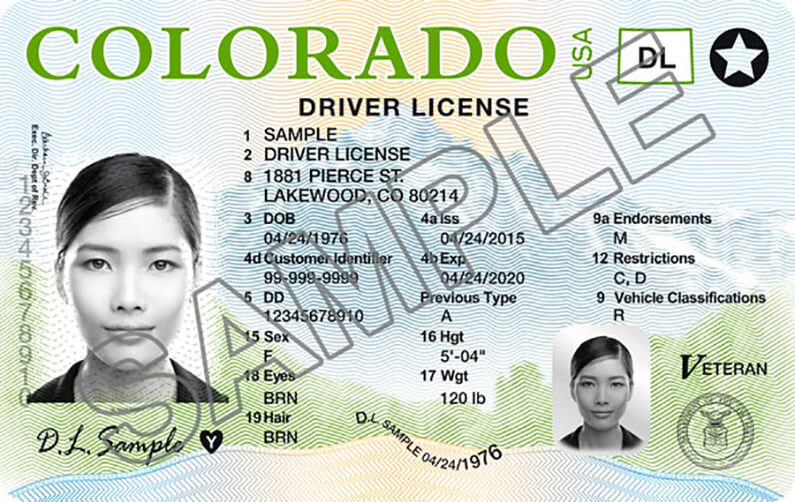
The ability to drive offers unparalleled flexibility for your Colorado journey. Imagine spontaneous road trips along scenic byways, reaching secluded natural Landmarks inaccessible by public transport, or simply enjoying the convenience of navigating local communities for Food and Activities. For those considering extended stays, be it in a charming Hotels suite in Aspen or a long-term Accommodation in Fort Collins, a local license streamlines everything from car rentals to proving residency. This guide is tailored to empower you with the knowledge needed to confidently navigate the Colorado Division of Motor Vehicles (DMV) system, ensuring your Colorado Travel and Lifestyle experiences are as seamless and enriching as possible.
Navigating the Colorado DMV: A Comprehensive Guide to Your License
The Colorado DMV is the primary authority for issuing driver’s licenses and state identification cards. Understanding their requirements and procedures is the first critical step. The process is designed to ensure that all drivers on Colorado roads are competent and properly identified, contributing to overall road safety and order. This section breaks down who needs a license, the essential documents you’ll require, and the step-by-step application process, making your visit to the DMV as efficient as possible.
Who Needs a Colorado Driver’s License?
Not everyone driving in Colorado needs a Colorado driver’s license immediately. If you are simply visiting for a short vacation, your valid driver’s license from another U.S. state or territory, or even many foreign countries, will generally suffice for up to 90 days. However, if you plan on establishing residency or staying for an extended period, obtaining a Colorado license becomes mandatory.
You are generally considered a Colorado resident, and thus required to get a Colorado driver’s license, if you:
- Live in Colorado for 90 consecutive days or more.
- Obtain employment in Colorado.
- Own or operate a business in Colorado.
- Enroll your children in a public school in Colorado.
- Purchase or lease property in Colorado, such as an Apartments in Colorado Springs or a Villas in Telluride.
It’s also important to distinguish between a driver’s license and a state identification card. A driver’s license permits you to operate a motor vehicle, while an ID card serves solely as proof of identity and age, which can be useful for various purposes, including booking Hotels or enjoying local Attractions. The application process for both is similar in terms of required documentation, but only the license involves written and driving skills tests.
Essential Documents for Your Application
The Colorado DMV operates under strict federal and state guidelines to verify identity and lawful presence. Before heading to any DMV office, meticulously gather all necessary documents. Missing even one piece of identification can result in a wasted trip and significant delays.
Here’s a breakdown of the critical documents you’ll typically need:
-
Proof of Identity: You’ll need one document proving your full legal name and date of birth. Examples include:
- Certified U.S. Birth Certificate (original or certified copy).
- Valid U.S. Passport or Passport Card.
- Valid foreign passport with a valid U.S. Visa and I-94 (for non-citizens).
- Certificate of Naturalization.
- Valid permanent resident card.
-
Proof of Social Security Number (SSN): You must provide proof of your Social Security Number (SSN). Acceptable documents include:
- Your SSN card.
- A W-2 form.
- A Social Security Administration (SSA) statement.
- A pay stub with your name and SSN on it.
- Note: If you are not eligible for an SSN, the DMV will require a letter from the Social Security Administration (SSA) proving your ineligibility.
-
Proof of Colorado Residency: You need two documents showing your current physical address in Colorado. These documents must be dated within one year. Examples include:
- Utility bill (electric, gas, water, internet).
- Bank statement.
- Rental or lease agreement for an Accommodation in a Colorado city like Grand Junction.
- Mortgage statement.
- Vehicle registration.
- Mail from a federal, state, or local government agency.
-
Proof of Lawful Presence: For non-citizens, this verifies your legal status in the United States. This typically includes a valid foreign passport with an appropriate U.S. Visa and your I-94 (Arrival/Departure Record). Depending on your visa type (e.g., student, work, visitor), additional documentation might be requested.
-
Previous Driver’s License (if applicable): If you are transferring a license from another U.S. state, you’ll need to surrender your old license.
It is highly recommended to visit the official Colorado DMV website or call them directly for the most current and specific list of acceptable documents, as requirements can occasionally change.
The Application Process: Step-by-Step
With your documents in hand, you’re ready to tackle the application process. This typically involves several stages, including tests and fee payments.
-
Schedule an Appointment: The Colorado DMV strongly recommends scheduling an appointment online for all services, especially for driver’s license applications. Walk-ins are often subject to long wait times and may not be accommodated. Use the DMV’s online system to find an office near you, such as in Golden or Durango, and book your slot.
-
Written Knowledge Test: This test assesses your understanding of Colorado traffic laws, road signs, and safe driving practices. You must pass this test to proceed. The official Colorado Driver Handbook is your best resource for studying. Many questions cover specific rules about mountain driving, adverse weather conditions, and unique Colorado regulations.
-
Vision Test: A basic vision screening will be administered to ensure your eyesight meets the minimum legal requirements for driving. If you wear corrective lenses, bring them.
-
Driving Skills Test (Road Test): This is where you demonstrate your ability to safely operate a vehicle. You must provide a safe, insured, and registered vehicle for the test, and an accompanying licensed driver if you do not yet have a permit. The examiner will evaluate your basic driving skills, including:
- Vehicle control (steering, braking, accelerating).
- Following traffic laws (stop signs, traffic lights).
- Lane changes.
- Parking (parallel parking is a common requirement).
- Responding to various road conditions.
- Defensive driving techniques.
It’s advisable to practice in the area around your chosen DMV location to familiarize yourself with local traffic patterns.
-
Pay Fees: Once you successfully pass all tests and your documents are verified, you’ll pay the required fees for your driver’s license. The cost varies slightly depending on the type of license and its validity period. The DMV website provides a current fee schedule.
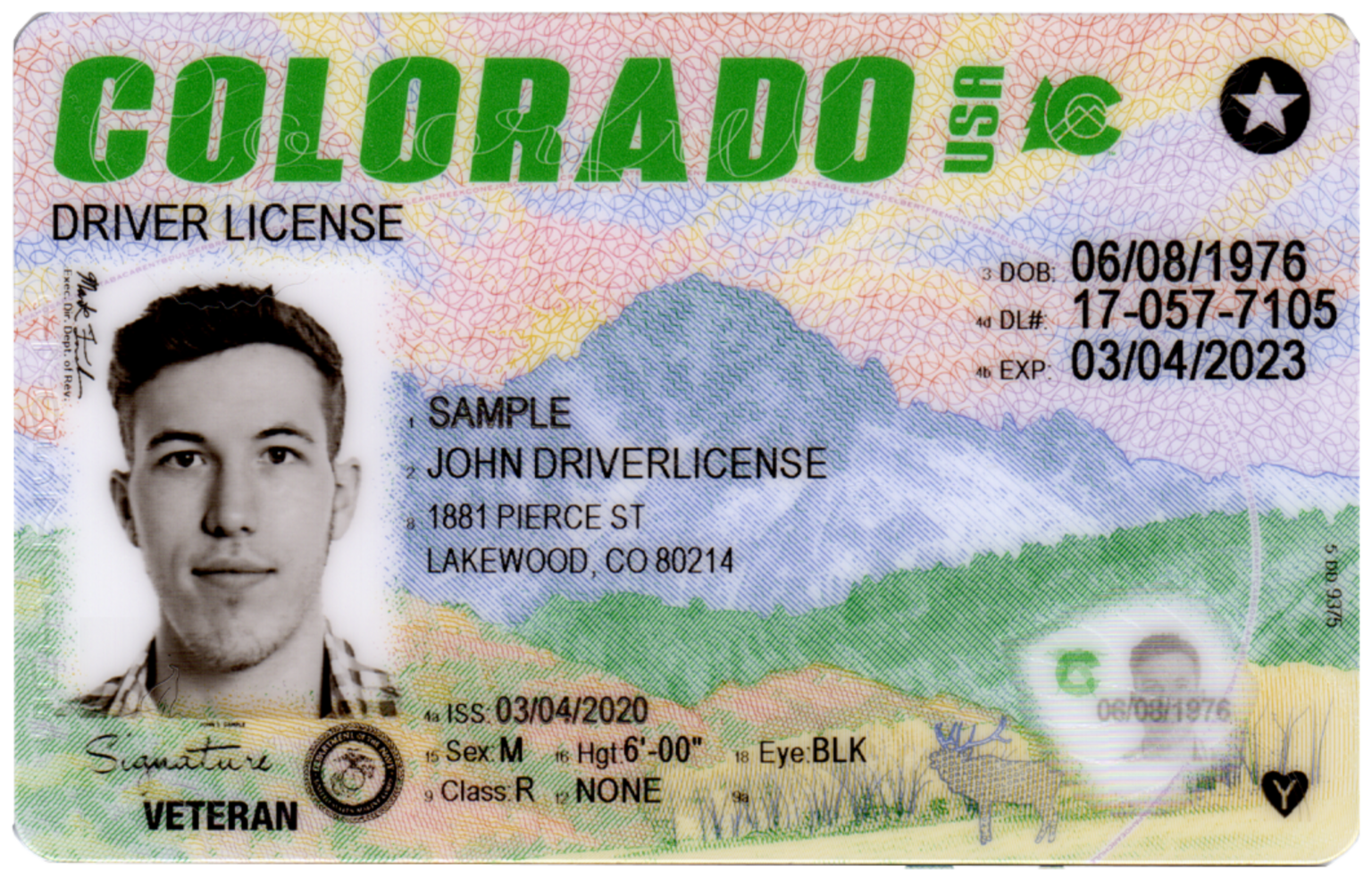
- Receive Your Temporary License: Upon payment, you’ll typically receive a temporary paper license valid immediately. Your official, permanent driver’s license will be mailed to your Colorado address within a few weeks.
Special Considerations for Different Applicants
The general process outlined above applies to most adult applicants, but specific groups may encounter additional requirements or slightly modified procedures. Understanding these nuances can prevent delays and make the application process smoother, especially for those new to the United States or younger drivers navigating the state’s graduated licensing program.
International Visitors and New Immigrants
For those arriving in Colorado from outside the United States, obtaining a driver’s license involves specific considerations related to visa status and lawful presence. The Colorado DMV has distinct requirements for non-U.S. citizens, largely revolving around proving legal entry and authorized stay.
- Visa Status: Your eligibility for a Colorado driver’s license is directly tied to your immigration status. Generally, you must hold a visa that permits an extended stay in the United States and allows you to establish residency. Tourist visas (B1/B2) typically do not qualify you for a Colorado driver’s license unless a compelling reason can be demonstrated, and even then, usually only for a short-term ID card. Visas for students (F-1, J-1), temporary workers (H-1B, L-1), or those with asylum/refugee status are more commonly accepted.
- I-94 Arrival/Departure Record: This electronic record is crucial. You’ll need to retrieve and print your I-94 from the U.S. Customs and Border Protection website. The expiration date on your I-94 will often dictate the validity period of your Colorado driver’s license, which may be issued as a temporary or limited-term license.
- Proof of Ineligibility for SSN: As mentioned earlier, if you are not eligible for a Social Security Number (SSN), you must provide a letter from the Social Security Administration (SSA) stating this fact.
- Translated Documents: If any of your supporting documents (e.g., foreign birth certificate, marriage certificate) are not in English, they must be accompanied by a certified English translation.
It’s highly advisable for international applicants to confirm all specific requirements with the DMV directly or consult an immigration attorney to ensure all documentation aligns with their current visa status.
Minors (Under 18)
Colorado employs a Graduated Driver Licensing (GDL) program for drivers under the age of 18, designed to provide new drivers with supervised experience before granting full driving privileges. The GDL program consists of several stages:
-
Instruction Permit (Learner’s Permit):
- Minimum Age: 15 years old.
- Requirements: Pass a written knowledge test and a vision test. If under 16, completion of a 30-hour driver education course or a 4-hour driver awareness program is required. Parental consent is mandatory.
- Driving Restrictions: Must always be accompanied by a parent, legal guardian, or licensed driver at least 21 years old.
-
Minor Driver’s License (Intermediate License):
- Minimum Age: 16 years old.
- Requirements: Must have held an instruction permit for at least 12 months and one day. Must complete 50 hours of supervised driving, including 10 hours at night, logged and signed by a parent/guardian. Pass the driving skills test.
- Driving Restrictions (until age 18):
- First 6 months: No passengers under 21, unless a parent/guardian or licensed driver (21+) is present.
- Next 6 months: Only one passenger under 21 is allowed, unless a parent/guardian or licensed driver (21+) is present.
- No driving between midnight and 5 a.m. unless accompanied by a parent/guardian or licensed driver (21+). Exceptions for employment, school, or medical emergencies apply.
-
Full Driver’s License:
- Upon turning 18, the restrictions of the minor driver’s license are automatically lifted, and the driver holds a full, unrestricted license.
Parents and guardians play a vital role in the GDL program by supervising practice hours and ensuring their teens understand safe driving practices. Many families consider enrolling their teens in professional driving schools in cities like Pueblo or Greeley to supplement parental instruction.
Beyond the License: Exploring Colorado’s Open Roads
Once you’ve successfully obtained your Colorado driver’s license, a world of exploration opens up before you. The state’s diverse landscapes, from arid plains to towering fourteeners, are best experienced with the freedom and flexibility that your own vehicle provides. This section explores how your new license enhances your Travel experience and offers inspiration for unforgettable road trips across Colorado.
Why a Colorado Driver’s License Enhances Your Travel Experience
Having a local Colorado driver’s license goes far beyond mere legality; it significantly elevates your ability to immerse yourself in the state’s rich Tourism offerings and unique Lifestyle.
- Unrestricted Access to Destinations: Many of Colorado’s most stunning natural Landmarks and quaint mountain towns are not easily accessible via public transportation. With your license, you can venture to places like Rocky Mountain National Park, the Great Sand Dunes National Park and Preserve, or the historical cliff dwellings of Mesa Verde National Park at your leisure.
- Freedom for Spontaneous Adventures: Imagine waking up in a boutique Hotels in Durango and deciding on a whim to drive the scenic San Juan Skyway, or planning a last-minute Luxury Travel escape to a Resorts in Vail. Your license makes these spontaneous decisions possible, allowing for a truly flexible and personalized Travel itinerary.
- Ease of Vehicle Rentals: Renting a car for weekend trips or longer excursions becomes a straightforward process with a local license, often eliminating potential hurdles international licenses might face. This is particularly beneficial for exploring specific regions, like the Western Slope wine country or the Front Range cities.
- Authentic Local Exploration: Driving allows you to discover hidden gems – local eateries, small-town festivals, and unique Activities that define Colorado’s Local Culture. You can easily navigate to farmers’ markets, craft breweries, or independently owned shops, enriching your overall Experience beyond typical tourist spots.
- Enhanced Accommodation Options: A car provides the flexibility to choose Accommodation options further afield from city centers, perhaps a secluded cabin near Breckenridge or a charming bed and breakfast in Steamboat Springs, leading to unique and often more affordable stays.
Road Trip Ideas and Driving Tips in Colorado
With your new license, the open road awaits. Colorado is famous for its breathtaking scenic byways and diverse driving experiences.
Iconic Road Trip Ideas:
- Trail Ridge Road (within Rocky Mountain National Park): America’s highest continuous paved road, offering stunning alpine tundra views.
- Peak to Peak Scenic Byway: Colorado’s oldest scenic byway, connecting Estes Park to Central City, with incredible views of Longs Peak and other peaks.
- San Juan Skyway: Known as the “Road to the Sky,” this loop takes you through historic mining towns like Ouray and Silverton, offering unparalleled mountain vistas.
- Pikes Peak Highway: Drive to the summit of Pikes Peak, “America’s Mountain,” for panoramic views.
- Glenwood Springs via Interstate 70 (I-70): A popular route that takes you through majestic canyons to the hot springs and outdoor adventures of Glenwood Springs.
Essential Driving Tips for Colorado’s Unique Conditions:
- Mountain Driving: Be prepared for steep grades, sharp turns, and narrow roads, especially on routes like Independence Pass or Loveland Pass. Use lower gears to control your speed on descents and prevent brake fade.
- Altitude Sickness: While not a driving tip, be aware that high altitudes can affect both you and your vehicle. Ensure your car is properly maintained.
- Weather Variability: Colorado weather can change rapidly, especially in the mountains. Sunny mornings can turn into afternoon thunderstorms or even snow, even in summer. Always check forecasts before long drives.
- Winter Driving: From late fall to late spring, snow and ice are common. Many mountain passes, like Cottonwood Pass, close for the winter. Ensure your vehicle has appropriate tires (all-season with good tread, or snow tires) and consider carrying chains if venturing into high elevations. Colorado’s “Traction Law” on I-70 mandates specific tire types or chains during adverse conditions.
- Wildlife: Be vigilant for wildlife, particularly at dawn and dusk. Deer, elk, and even bears are common near roads, especially in areas bordering National Parks and forests.
- Speed Limits: Adhere to posted speed limits. Mountain roads often have lower limits due to curves and elevation changes.
- Red Rocks Amphitheatre: If attending a concert at Red Rocks Amphitheatre near Morrison, be prepared for traffic and unique parking procedures.
Obtaining your Colorado driver’s license is your gateway to an incredible world of discovery. It’s an investment in your independence, allowing you to craft personal Guides to the state’s natural wonders, cultural hotspots, and thrilling adventures. From the ski slopes of Keystone and Copper Mountain to the serene beauty of the Black Canyon of the Gunnison National Park, your licensed hands will steer you toward unforgettable memories. Take the time to prepare, understand the requirements, and soon you’ll be cruising Colorado’s scenic roads, making every journey an integral part of your Colorado story.
LifeOutOfTheBox is a participant in the Amazon Services LLC Associates Program, an affiliate advertising program designed to provide a means for sites to earn advertising fees by advertising and linking to Amazon.com. Amazon, the Amazon logo, AmazonSupply, and the AmazonSupply logo are trademarks of Amazon.com, Inc. or its affiliates. As an Amazon Associate we earn affiliate commissions from qualifying purchases.