
Navigating the nuances of vehicle regulations can often feel like a complicated journey, especially when planning a trip or considering a relocation to a new state. For those eyeing the stunning landscapes and vibrant culture of Colorado, understanding local vehicle emissions requirements is an essential piece of the puzzle. Whether you’re a seasoned traveler exploring diverse destinations, a digital nomad seeking a long-term stay, or a new resident settling down, knowing which counties in Colorado are exempt from emissions testing can significantly influence your travel plans, accommodation choices, and overall lifestyle. This guide delves into the specifics, highlighting the areas where you can roam freely without the annual emissions check, and why this distinction matters for your adventure in the Centennial State.

Colorado, renowned for its majestic Rocky Mountains, sprawling plains, and a myriad of outdoor activities, attracts millions annually. From the bustling streets of Denver to the serene slopes of Aspen and Breckenridge, the state offers a rich tapestry of experiences. However, preserving its pristine air quality, particularly in densely populated urban corridors, has led to a tiered system of emissions regulations. This article will illuminate which parts of the state offer a reprieve from this requirement, providing invaluable insight for anyone planning to drive and register a vehicle within its borders, ensuring a smoother and more informed Colorado experience.
Understanding Colorado’s Emissions Testing Landscape
Colorado’s approach to vehicle emissions testing is rooted in its commitment to air quality and public health, especially in its more urbanized areas. The state operates under the guidance of the Environmental Protection Agency (EPA) and its own legislative mandates to control air pollution. The primary goal is to reduce harmful pollutants from vehicle exhaust that contribute to smog and other respiratory issues, particularly in regions where geographical features can trap air contaminants.
The program responsible for overseeing these regulations is the AIR Program (Automobile Inspection and Readjustment), managed by the Colorado Department of Public Health and Environment’s Air Quality Control Commission. This program mandates that vehicles registered in specific, identified high-pollution areas undergo regular emissions inspections. This often translates to a biannual test for most vehicles, ensuring they meet state-mandated emission standards before their registration can be renewed. For travelers and potential residents, understanding this distinction is crucial. If you’re planning an extended stay or considering purchasing a vehicle while in Colorado, the county of registration dictates whether you’ll need to factor in this additional step and cost. This directly impacts travel budgeting, accommodation choices (especially for longer-term rentals), and even the type of lifestyle one can expect in different parts of the state.
Why Emissions Testing Exists in Certain Areas
The requirement for emissions testing is not arbitrary; it’s a strategic response to specific environmental challenges. The primary driver is population density and topography. The Front Range Urban Corridor, which stretches along the eastern base of the Rocky Mountains and includes cities like Denver, Boulder, and Colorado Springs, is home to the vast majority of Colorado’s population. With more people comes more vehicles, and consequently, higher levels of vehicle emissions.
Furthermore, the geographical bowl-like shape of the Front Range, flanked by the mountains to the west, can trap air pollutants, leading to prolonged periods of poor air quality, particularly during temperature inversions. These conditions exacerbate smog formation and concentrate particulate matter, making air quality a significant concern. The state’s emissions program targets these “non-attainment” areas—regions that fail to meet national ambient air quality standards—to actively reduce vehicle contributions to air pollution. For travelers seeking urban experiences, staying in hotels or apartments in these areas means being part of a community actively working to maintain cleaner air, but also needing to be aware of the associated vehicle requirements if they are registering a car.
The Unrestricted Roads: Counties Not Requiring Emissions Testing
While the urbanized Front Range faces stricter emission controls, a significant portion of Colorado offers drivers the freedom from mandatory emissions testing. These areas generally encompass the state’s vast rural landscapes, from the soaring peaks of the Rocky Mountains to the expansive eastern plains and the scenic Western Slope. The exemption in these counties is a direct reflection of their lower population densities, reduced traffic volumes, and geographical attributes that typically allow for better air dispersion. This distinction can be particularly appealing for those seeking a more relaxed lifestyle, embracing nature, or planning extensive road trips through Colorado’s diverse terrains without the added logistical step of an emissions test.
The Vast Majority: Rural Colorado’s Freedom
The bulk of Colorado’s 64 counties do not require emissions testing. This encompasses a wide array of environments, from world-class ski resorts to historic mining towns and agricultural communities. These are the places where the open road truly feels open, and where vehicle registration is often a simpler process. For adventurers, this means less administrative hassle and more time to explore.
Here’s a look at some of the prominent counties and regions that fall into this category, many of which are popular tourist destinations and attractive for long-term stays:
- Mountain Paradises:
- Pitkin County (home to Aspen and Snowmass Village): A renowned luxury travel destination, offering world-class skiing, dining, and cultural attractions.
- Summit County (encompassing Breckenridge, Keystone, Dillon, and Frisco): A mecca for winter sports and summer outdoor activities, with stunning mountain landscapes.
- Routt County (featuring Steamboat Springs): Known for its “Champagne Powder” and vibrant Western heritage.
- Gunnison County (including Crested Butte and Gunnison): Offers incredible hiking, biking, and a charming, historic downtown.
- Garfield County (Glenwood Springs): Famous for its hot springs and outdoor adventures.
- Western Slope Gems:
- Mesa County (Grand Junction): The heart of Colorado’s wine country, offering desert landscapes and proximity to the Colorado National Monument.
- La Plata County (Durango): A historic railroad town offering access to the San Juan Mountains and ancient Ancestral Puebloan sites.
- Montezuma County (Cortez): Home to Mesa Verde National Park, a UNESCO World Heritage Site offering unparalleled insights into ancient cultures.
- Eastern Plains & Other Rural Counties:
- Counties like Yuma, Kit Carson, Lincoln, Prowers, Bent, Baca, and many others stretching across the eastern agricultural heartland also do not require emissions testing. These areas offer a glimpse into Colorado’s agricultural heritage and wide-open spaces, ideal for quiet retreats and connecting with nature.
This extensive list demonstrates that freedom from emissions testing is largely tied to a more rural or recreation-focused lifestyle. For those planning to base themselves in a mountain town or on the plains, the emissions test is one less thing to worry about, making these areas attractive for budget travel, long-term accommodation, or even permanent residency.
Why These Counties Are Exempt
The rationale behind these exemptions is straightforward and scientifically based. The counties not requiring emissions testing typically exhibit several common characteristics:
- Lower Population Density: Fewer residents generally mean fewer vehicles on the road, resulting in a significantly lower overall volume of emissions.
- Reduced Traffic Congestion: Less traffic translates to less idling and stop-and-go driving, which are major contributors to increased emissions in urban settings.
- Favorable Geography for Air Dispersion: Many of these regions are characterized by open plains or high mountain elevations where winds and atmospheric conditions allow for better dispersion of any pollutants that are emitted. Unlike the contained valleys of the Front Range, air circulates more freely, preventing the build-up of smog and other harmful air contaminants.
- Meeting Air Quality Standards: Because of these factors, these counties consistently meet federal and state air quality standards, negating the need for additional regulatory measures like mandatory emissions testing.
For travelers, this means exploring areas that are not only less regulated in terms of vehicle emissions but also often boast naturally cleaner air, contributing to a healthier and more enjoyable outdoor experience. Choosing hotels, resorts, or long-term accommodation in these regions often aligns with a desire for pristine natural environments and a less hurried pace of life.
Navigating the Tested Zones: Where Emissions Testing is Required
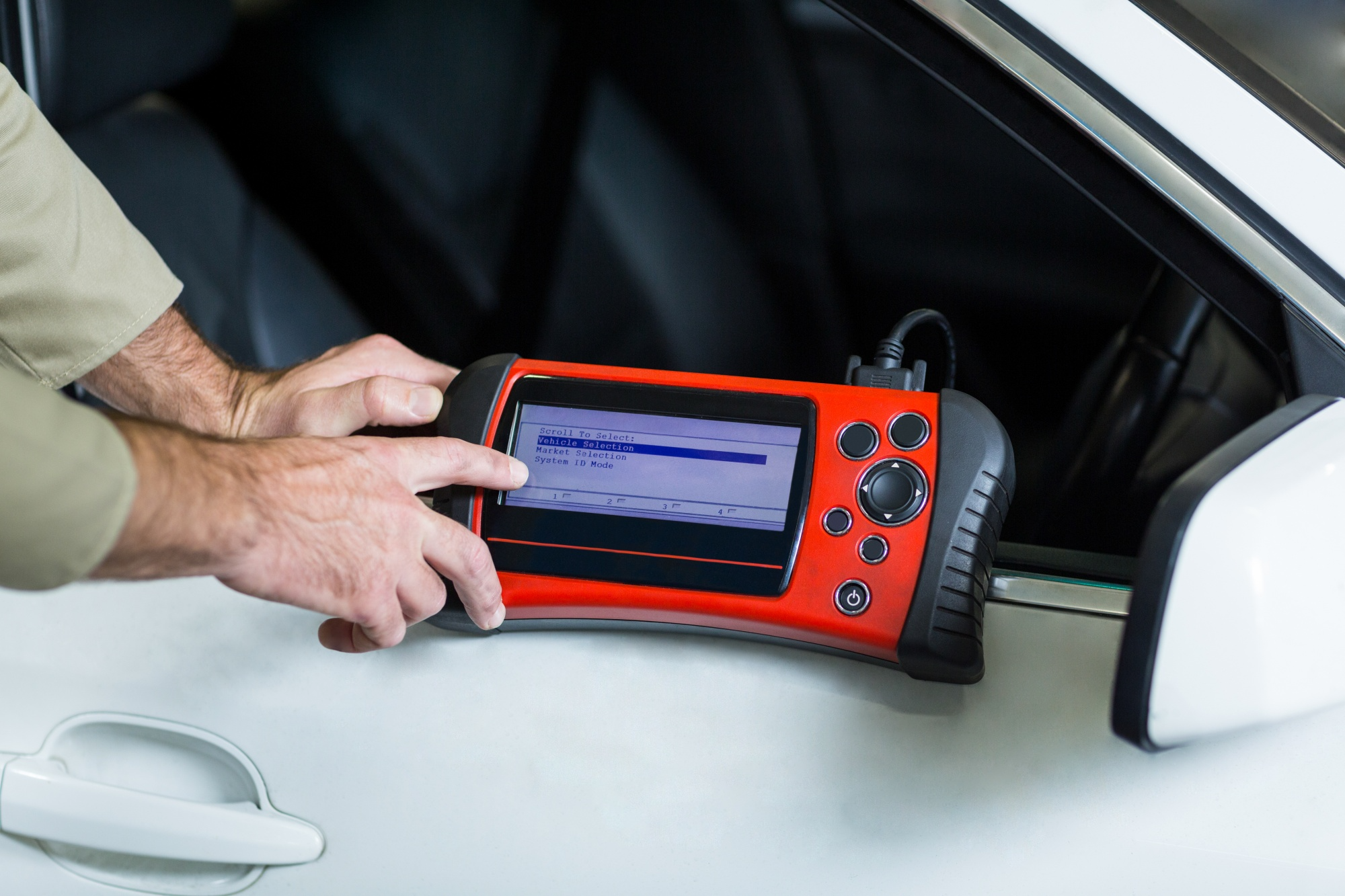
While the allure of unregulated roads is strong, it’s equally important to understand where emissions testing is a mandatory part of vehicle ownership in Colorado. These areas are primarily concentrated within the state’s most populous regions, where the confluence of high traffic, dense populations, and specific geographical features necessitates proactive measures to maintain air quality. For many tourists, a trip to Colorado will likely begin or pass through these urban centers, making awareness of these regulations crucial for any extended stay or vehicle registration.
The Front Range Urban Corridor
The core of Colorado’s emissions testing program is focused on the Front Range Urban Corridor. This area is defined by a chain of cities and towns stretching from Pueblo in the south to Fort Collins in the north, lying at the base of the Rocky Mountains. The testing requirements are implemented to combat ozone pollution and other vehicle-related contaminants that accumulate in this region.
The counties and parts of counties where emissions testing is mandatory include:
- Denver Metropolitan Area: This densely populated region is fully covered by emissions testing requirements. It includes:
- Adams County
- Arapahoe County
- Boulder County
- Broomfield County
- Denver County
- Douglas County
- Jefferson County
These counties are home to major cities like Denver, Aurora, Boulder, and Lakewood, offering a wealth of attractions, cultural experiences, and diverse accommodation options, from luxury hotels to apartment rentals.
- Partial Counties with Testing Zones: Certain larger counties only have specific regions subject to emissions testing, typically the most populated areas:
- Larimer County: The emissions testing zone primarily covers the urban areas around Fort Collins and Loveland.
- Weld County: The testing zone focuses on the developed areas around Greeley.
- El Paso County: Testing is required in the vicinity of Colorado Springs.
The rationale for including these areas is their significant contribution to the Front Range’s air quality challenges. The combination of high vehicular traffic, industrial activity, and specific meteorological patterns leads to the accumulation of ground-level ozone and other pollutants. Emissions testing serves as a regulatory tool to ensure that vehicles operating in these sensitive zones meet environmental standards, thereby mitigating their impact on air quality. For those considering an urban lifestyle or an extended stay in Denver, Boulder, or Colorado Springs, understanding these requirements is paramount for smooth vehicle registration and compliance.
Implications for Travelers and Residents
The distinction between tested and untested zones carries practical implications for both temporary visitors and long-term residents in Colorado:
- Vehicle Registration: If you’re moving to one of the mandatory testing counties and plan to register your vehicle, you will need to obtain an emissions certificate before your plates can be issued or renewed. This is a critical step that cannot be overlooked.
- Buying a Used Vehicle: When purchasing a used vehicle in a tested county, the seller is typically responsible for providing a valid emissions certificate. Always verify this before completing a sale to avoid unexpected costs or delays.
- Extended Stays and Digital Nomads: For those contemplating a long-term stay, such as digital nomads living in extended-stay hotels or furnished apartments, the decision of where to base yourself might be influenced by these regulations. If your home base is in a tested county and you plan to register a vehicle there, you’ll need to factor in the emissions test. If your vehicle is registered out-of-state and you’re only visiting temporarily, you are generally not subject to Colorado’s emissions testing requirements. However, if you establish residency, the rules apply.
- Travel Planning: While emissions testing doesn’t directly affect short-term tourist vehicle use (e.g., rental cars or out-of-state registered personal vehicles), it’s part of the overall regulatory environment. For those considering a “road trip” lifestyle where they might eventually register a vehicle, knowing the regulations of their chosen anchor city or county is prudent.
Understanding these requirements can save time, money, and potential headaches, ensuring that your Colorado experience, whether for travel or residency, is as seamless as possible.
Practical Considerations for Travelers and New Residents
When planning your ultimate Colorado adventure or contemplating a move to the Centennial State, the nuances of emissions testing can play a surprisingly significant role in your decisions, from where you book your accommodation to the overall lifestyle you envision. Life out of the box means exploring every facet of your journey, and vehicle regulations are no exception.
Temporary Visitors vs. Long-Term Stays
The impact of emissions testing requirements differs significantly based on the duration and intent of your stay in Colorado.
- Temporary Visitors and Tourists: If you’re visiting Colorado for a short period – whether it’s a week-long ski trip to Breckenridge, a cultural tour of Denver, or a hiking adventure in Mesa Verde National Park – and your vehicle is registered out-of-state, the emissions testing requirements typically do not apply to you. Rental cars provided by agencies within Colorado will already be compliant. So, for a typical tourist experience, you can enjoy the stunning landscapes and attractions without concern for this particular regulation.
- Long-Term Stays and Digital Nomads: This is where the distinction becomes crucial. If you’re planning an extended stay, perhaps as a digital nomad working remotely, or if you’re exploring the possibility of permanent residency, Colorado law generally dictates that you must register your vehicle within 90 days of establishing residency. At this point, if your chosen county is one of the “tested zones” (Adams, Arapahoe, Boulder, Broomfield, Denver, Douglas, Jefferson, or parts of El Paso, Larimer, and Weld), your vehicle will need to pass an emissions test. This impacts not only the administrative process but also your budget, as there are fees associated with testing and potentially with any repairs needed to pass. For those seeking accommodation for extended periods, such as serviced apartments or long-stay resorts, factoring in this vehicle requirement could be part of choosing the ideal location.
Choosing Your Colorado Base
The decision of where to live or establish a longer base in Colorado can be subtly influenced by emissions testing requirements, aligning with broader lifestyle preferences.
- Urban & City Life: Opting for vibrant cities like Denver, Boulder, or Colorado Springs means embracing a dynamic lifestyle with access to world-class dining, cultural landmarks, thriving arts scenes, and diverse professional opportunities. These areas are typically within the emissions testing zones. If you value city amenities, proximity to business hubs, or a bustling social scene, the emissions test is a small trade-off for the convenience and excitement of urban living. Accommodation here ranges from chic boutique hotels to modern apartment complexes, catering to every taste.
- Mountain Getaways & Outdoor Adventure: For those whose lifestyle revolves around the great outdoors—skiing, hiking, mountain biking, and a quieter pace—counties like Summit (Breckenridge, Keystone), Pitkin (Aspen), Routt (Steamboat Springs), or Gunnison (Crested Butte) offer an attractive alternative. These areas typically do not require emissions testing, providing one less logistical step in a life often focused on natural beauty and adventure. Here, you’ll find charming inns, cozy cabins, and luxurious mountain resorts, perfect for an immersive nature-centric experience.
- Rural Retreats & Plains Living: Exploring the vast eastern plains or the quieter Western Slope communities, such as Grand Junction in Mesa County or Durango in La Plata County, offers a different kind of freedom. These regions are also largely exempt from emissions testing. Here, the lifestyle is about wide-open spaces, agricultural heritage, and a deep connection to the land. Budget travel often thrives here, with opportunities for unique experiences away from the tourist crowds.

Vehicle Maintenance and Eco-Friendly Travel
Regardless of whether your chosen Colorado county requires emissions testing, responsible vehicle maintenance is always advisable. A well-maintained vehicle not only performs better and lasts longer but also naturally produces fewer emissions, contributing to cleaner air for everyone. For environmentally conscious travelers, choosing fuel-efficient vehicles or exploring alternative transportation options where available can further enhance a sustainable travel lifestyle. Colorado’s commitment to preserving its natural beauty extends to all residents and visitors, making eco-friendly practices a shared responsibility.
In conclusion, understanding Colorado’s emissions testing regulations is a valuable piece of knowledge for anyone planning to navigate its roads, settle for a while, or simply make informed travel decisions. While the bustling Front Range counties maintain strict environmental controls, the vast majority of the state offers an unrestricted driving experience, inviting you to explore its diverse landscapes with one less bureaucratic hurdle. This insight allows you to choose your ideal Colorado experience, aligning vehicle requirements with your desired lifestyle and travel aspirations.
LifeOutOfTheBox is a participant in the Amazon Services LLC Associates Program, an affiliate advertising program designed to provide a means for sites to earn advertising fees by advertising and linking to Amazon.com. Amazon, the Amazon logo, AmazonSupply, and the AmazonSupply logo are trademarks of Amazon.com, Inc. or its affiliates. As an Amazon Associate we earn affiliate commissions from qualifying purchases.