
Colorado, often referred to as the Centennial State, is a land of dramatic contrasts, famous for its towering Rocky Mountains, expansive plains, and high-desert landscapes. This incredible diversity is not just a treat for the eyes but also a defining factor in its climate, influencing everything from local agriculture to the types of outdoor activities available year-round. For anyone planning a trip, considering a long-term stay, or even just curious about the local flora, understanding Colorado’s hardiness zones is crucial. These zones provide invaluable insights into what plants can survive and thrive in a particular location, offering a unique lens through which to appreciate the state’s natural beauty and plan your adventures.
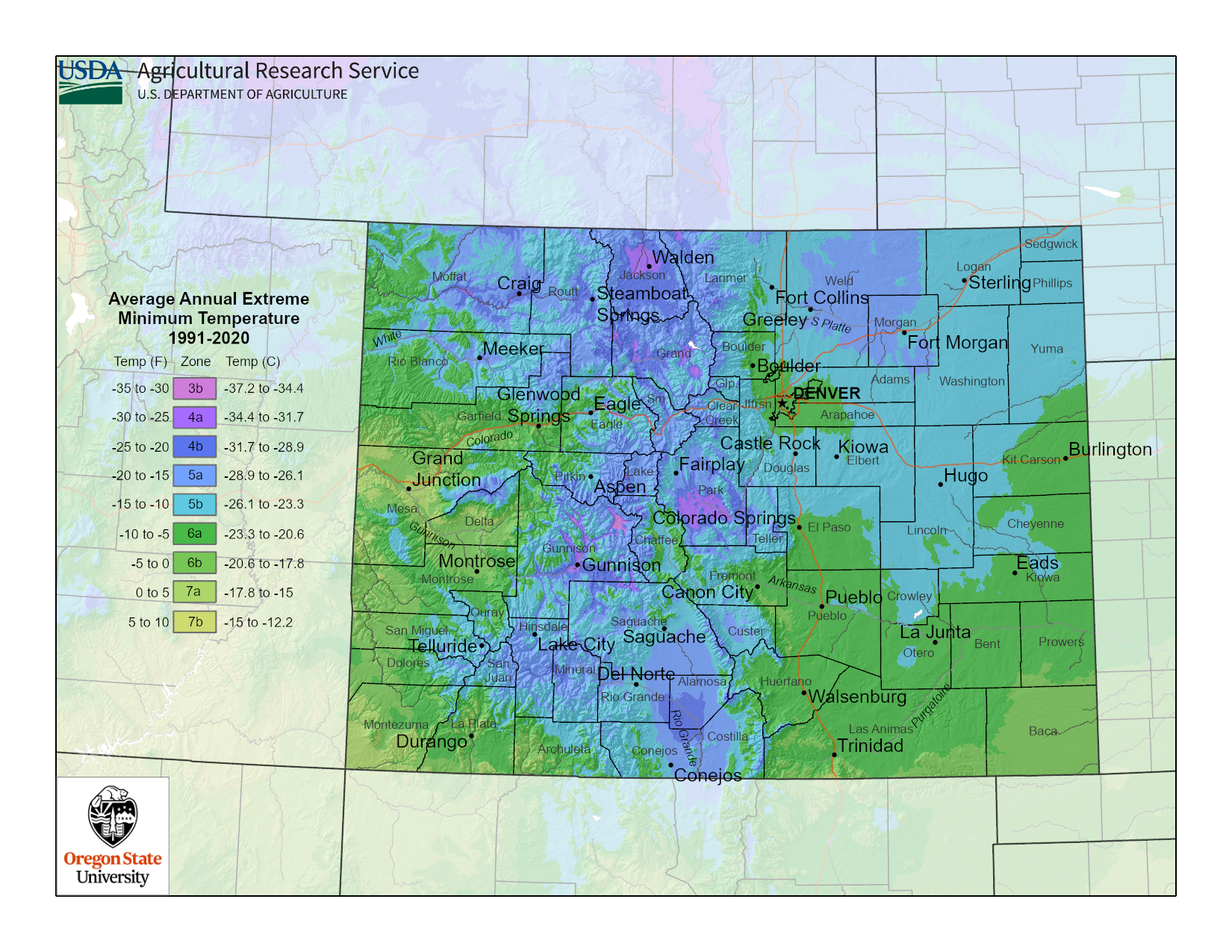
The question “What hardiness zone is Colorado?” doesn’t have a single, simple answer. Instead, Colorado encompasses a broad spectrum of zones, ranging from the frigid extremes of the high alpine tundra to the milder, high-desert valleys. This article delves into the intricacies of Colorado’s hardiness zones, exploring how they shape the travel experiences, tourism opportunities, and lifestyle choices across this magnificent state.
Understanding USDA Plant Hardiness Zones
Before we dive into the specifics of Colorado, it’s essential to grasp the concept of the USDA Plant Hardiness Zone Map. This map is the standard by which gardeners and growers determine which plants are most likely to thrive at a specific location. Developed by the United States Department of Agriculture, the map divides North America into 13 zones, each representing a 10°F range of average annual extreme minimum winter temperatures. Each zone is further divided into “a” and “b” subzones, representing 5°F increments. For instance, Zone 5a experiences average annual extreme minimum temperatures between -20°F and -15°F, while Zone 5b ranges from -15°F to -10°F.
The primary purpose of the hardiness zone map is to guide planting decisions. If a plant is labeled “hardy to Zone 5,” it means it can typically withstand winter temperatures down to the coldest temperatures experienced in Zone 5. While the map doesn’t account for factors like soil type, rainfall, or summer heat, it remains the most widely used tool for assessing a plant’s winter survival capabilities.
For travelers and tourists, understanding these zones offers more than just gardening tips. It provides context for the landscapes they encounter. Knowing the hardiness zone of a destination can inform expectations about local flora, the timing of blooming seasons, and even the types of agricultural products cultivated in the region. When exploring Colorado, this knowledge helps paint a richer picture of the diverse ecosystems and local cultures rooted in the land.
Colorado’s Diverse Hardiness Zones: A Landscape of Extremes
Colorado’s topography is its primary climate driver, leading to a mosaic of hardiness zones across the state. The elevation varies dramatically, from the eastern plains around 3,300 feet above sea level to the towering peaks of the Rocky Mountains exceeding 14,000 feet. This elevation gradient, combined with factors like proximity to moisture-bearing winds and the rain shadow effect, creates microclimates that result in hardiness zones ranging from a frigid 3a to a relatively mild 7a or even 7b in some sheltered areas.
This vast range means that within a few hours’ drive, you can transition from a landscape that supports only the hardiest alpine species to one where fruit trees and vineyards flourish. This section will break down Colorado’s zones into key geographical areas, highlighting their unique characteristics and impact on local travel and lifestyle.
Mountainous Regions and High-Altitude Zones (3a-5b)
The majestic Rocky Mountains dominate much of western Colorado, and these high-altitude regions are home to the state’s coldest hardiness zones, typically ranging from 3a to 5b. Areas above 8,000 feet, including popular mountain towns like Vail, Aspen, and Breckenridge, experience long, harsh winters with average minimum temperatures often dipping below -20°F.
In these zones, the growing season is short, and plants must be extremely resilient. Common native vegetation includes various conifers like Engelmann spruce, lodgepole pine, and subalpine fir, as well as hardy deciduous trees like quaking aspen. Gardeners in these areas focus on cold-tolerant perennials, alpine flowers, and early-maturing vegetables.
For travelers, these cold zones define Colorado’s reputation as a premier winter sports destination. World-class ski resorts like Vail and Breckenridge thrive in these conditions, offering exceptional skiing and snowboarding experiences from November through April. The snow-covered landscapes create breathtaking scenery, perfect for cozy accommodation options like mountain lodges and luxury resorts such as Four Seasons Resort Vail or The St. Regis Aspen Resort. Even in summer, the cooler temperatures and abundant wildflowers in areas like Rocky Mountain National Park make for incredible hiking and outdoor adventures. Tourism here leans heavily into nature, adventure, and the serene beauty of alpine environments.
Front Range and Urban Centers (5b-7a)
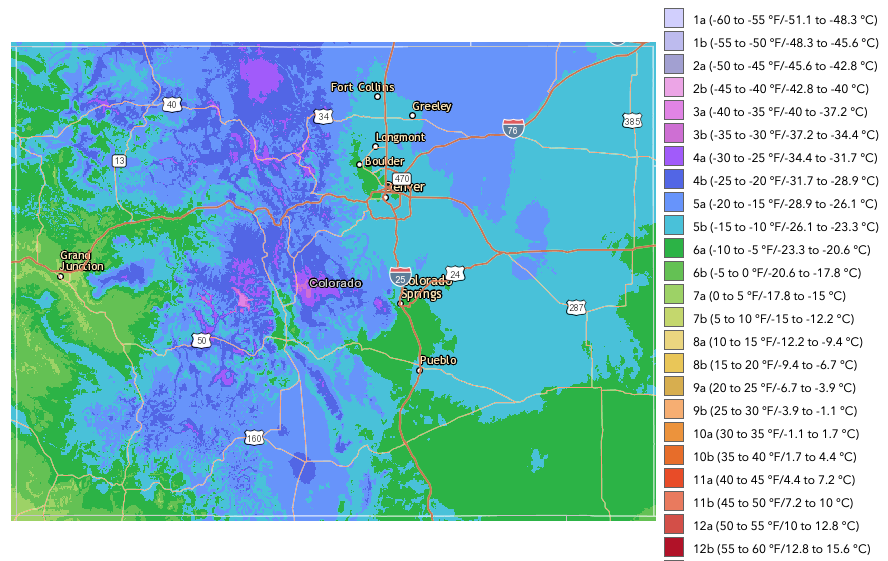
Moving eastward from the mountains, the Front Range Urban Corridor is where the majority of Colorado’s population resides. Cities such as Denver, Boulder, Colorado Springs, and Fort Collins generally fall within zones 5b to 7a. These areas benefit from a phenomenon known as “chinook winds” and a slightly lower elevation, resulting in milder winters compared to the high country. While still experiencing significant snowfall and freezing temperatures, the extreme lows are less frequent and less severe.
In these zones, a wider variety of plants can flourish. Home gardens feature everything from roses and hostas to various fruit trees and ornamental shrubs. Public spaces, like the Denver Botanic Gardens, showcase an impressive array of adaptable species, demonstrating innovative xeric landscaping techniques suited for Colorado’s arid climate.
The Front Range is a hub for tourism and lifestyle, offering a blend of urban sophistication and outdoor accessibility. Visitors can explore vibrant city centers, enjoy diverse culinary scenes, and stay in renowned accommodations like Oxford Hotel Denver or Hotel Teatro. Attractions like Garden of the Gods in Colorado Springs or the hiking trails around Boulder remain popular year-round, benefitting from the more moderate climate. The lifestyle here is characterized by an appreciation for both city amenities and quick access to mountain adventures, with gardening being a popular hobby leveraging the longer growing season.
Western Slope and Southeastern Plains (6a-7b)
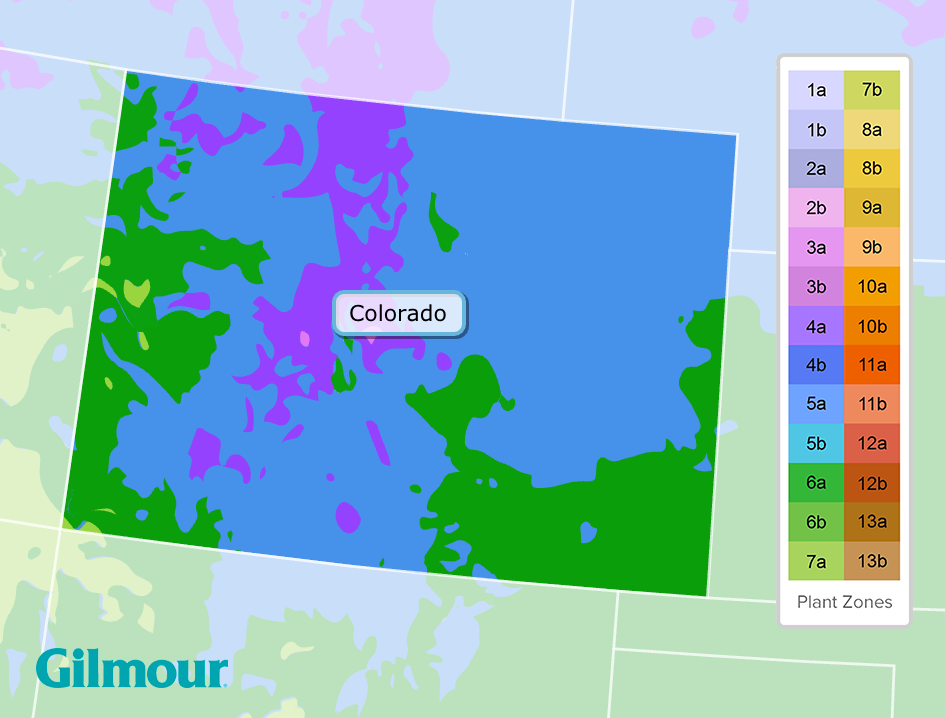
Colorado’s Western Slope, particularly river valleys around cities like Grand Junction and Glenwood Springs, as well as certain parts of the southeastern plains around Pueblo, experience the state’s warmest hardiness zones, typically 6a to 7b. These regions are often characterized by high-desert climates, with hot summers and relatively mild winters, making them surprisingly hospitable for certain types of agriculture.
In these zones, the extended growing season and warmer temperatures allow for the cultivation of grapes, peaches, apricots, and other fruit crops. The Grand Valley near Grand Junction is renowned for its vineyards and orchards, producing a significant portion of Colorado’s wine and fruit. Xeriscaping and drought-tolerant plants are common, reflecting the arid conditions, but with proper irrigation, a wide range of garden plants can thrive.
Tourism in these warmer zones often revolves around unique natural landmarks and agricultural experiences. Visitors can explore national parks and monuments like Black Canyon of the Gunnison National Park or Mesa Verde National Park, or enjoy the hot springs of Glenwood Springs. The wine tours and farm-to-table dining experiences on the Western Slope attract foodies and those looking for a different pace of travel. In the southeast, attractions like the Royal Gorge Bridge & Park and Great Sand Dunes National Park and Preserve offer distinct adventures. This region highlights a different side of Colorado’s lifestyle, focusing on agriculture, outdoor recreation in desert environments, and a more relaxed pace.
Hardiness Zones and Colorado Tourism & Lifestyle
The intricate patchwork of hardiness zones across Colorado profoundly impacts the state’s tourism industry and the lifestyle of its residents. For travelers, understanding these zones can unlock a deeper appreciation for the destinations and experiences on offer, guiding decisions from what to pack to when to visit. For those considering a longer stay, or even relocation, hardiness zones are integral to understanding the rhythm of life and the possibilities for engaging with the local environment.
Planning Your Colorado Getaway by Zone
Knowing the hardiness zone of your desired Colorado destination can significantly enhance your travel planning. If you’re dreaming of a winter wonderland experience, targeting colder zones (3a-5b) in towns like Estes Park, near Rocky Mountain National Park, or the famous ski resorts like Winter Park Resort and Aspen Snowmass is ideal. These areas guarantee the abundant snowfall and cold temperatures necessary for skiing, snowboarding, and other snow-based activities. Accommodation options here range from cozy cabins to luxurious mountain retreats, offering a perfect base for winter adventures.
Conversely, if you’re seeking a spring or summer trip focused on vibrant botanical gardens, lush parks, or agricultural tourism, the milder zones of the Front Range (5b-7a) or the Western Slope (6a-7b) might be more appealing. Cities like Denver and Colorado Springs burst with color in the warmer months, while the Grand Valley offers opportunities for fruit picking and vineyard tours. Long-term visitors or those on extended business stays in these areas can enjoy more consistent access to outdoor recreation, from urban park strolls to riverside cycling paths.
Accommodation strategies also vary by zone. High-altitude resorts often specialize in ski-in/ski-out access and winter amenities, while urban hotels like The Broadmoor in Colorado Springs cater to a broader range of seasonal activities and business travelers. Understanding the hardiness zones helps align your expectations with the environmental realities, ensuring a more fulfilling and tailored travel experience.
Culinary Experiences and Local Agriculture
Colorado’s diverse hardiness zones directly influence its local food scene and agricultural practices. The milder zones of the Western Slope are a testament to this, producing a surprising bounty of peaches, cherries, apples, and wine grapes. This agricultural wealth supports a thriving agritourism sector, where visitors can enjoy farm tours, fruit stands, and wine tastings, experiencing the “taste of Colorado” directly from its source. The local culture in these regions is deeply intertwined with the land, fostering a strong farm-to-table movement that benefits from the unique growing conditions.
Even in the colder zones, innovative agriculture adapts to the challenges. High-altitude farms might specialize in cold-hardy root vegetables, herbs, or specific types of berries. Many Colorado breweries and distilleries pride themselves on using locally sourced ingredients, showcasing the distinct flavors derived from the state’s varied climates. Exploring the local food scene becomes an adventure in understanding how different zones contribute to Colorado’s culinary identity.
Gardening as a Lifestyle in Colorado
For residents and those considering a lifestyle change to Colorado, understanding hardiness zones is fundamental to embracing the local gardening culture. Gardening in Colorado is not without its challenges – arid conditions, intense sun, hail, and fluctuating temperatures are common across many zones. However, the reward is a deeply satisfying connection to the land and a vibrant community of passionate gardeners.
In the colder mountain zones, hardy native plants, rock gardens, and cold-tolerant vegetables are staples. Communities often share knowledge on extending the short growing season through greenhouses and cold frames. In the Front Range and warmer areas, xeriscaping, or water-wise gardening, is a popular and environmentally conscious practice, making beautiful use of native grasses, succulents, and drought-tolerant shrubs. This approach not only conserves water but also creates stunning landscapes that thrive in Colorado’s dry climate.
Whether it’s a luxury lifestyle centered around a sprawling garden estate or a budget-conscious family growing vegetables on a small plot, hardiness zones dictate the possibilities. They shape neighborhood aesthetics, influence community events like garden tours, and contribute to the overall environmental consciousness that is a hallmark of Colorado living. Understanding these zones allows residents to cultivate a thriving outdoor space that reflects the unique character of their specific location within the state.
Conclusion
Colorado’s identity is inextricably linked to its diverse geography, and nowhere is this more evident than in its varied hardiness zones. From the frigid 3a of the high Rocky Mountains to the temperate 7b of its western valleys and southeastern plains, the state offers a microcosm of North American climates. This spectrum not only defines what plants can grow but also profoundly shapes the travel experiences, tourism opportunities, and lifestyle choices available.
For travelers, knowing Colorado’s hardiness zones can transform a trip from a simple visit into an immersive experience, allowing for informed decisions about destinations, activities, and the best time to explore particular regions. For those drawn to a longer stay or seeking to embrace the Colorado lifestyle, these zones dictate the possibilities for connecting with the natural environment, from cultivating a garden to appreciating local agriculture.
Ultimately, “What hardiness zone is Colorado?” is a question that invites exploration, revealing a state rich in ecological diversity, vibrant local culture, and endless opportunities for adventure. Whether you’re seeking the thrills of a ski resort, the tranquility of a botanical garden, or the taste of locally grown produce, Colorado’s varied hardiness zones ensure there’s a unique experience waiting for every visitor.
LifeOutOfTheBox is a participant in the Amazon Services LLC Associates Program, an affiliate advertising program designed to provide a means for sites to earn advertising fees by advertising and linking to Amazon.com. Amazon, the Amazon logo, AmazonSupply, and the AmazonSupply logo are trademarks of Amazon.com, Inc. or its affiliates. As an Amazon Associate we earn affiliate commissions from qualifying purchases.