
Embarking on a journey to the majestic Colorado, whether for a fleeting vacation or a potential long-term stay, inevitably brings with it a curiosity about the local financial landscape. Beyond the breathtaking Rocky Mountains, vibrant city life in Denver, and world-class ski resorts, understanding the state’s tax structure is crucial for any discerning traveler, digital nomad, or prospective resident. Taxes might not be the most glamorous aspect of travel or lifestyle planning, but they are an undeniable part of the experience, influencing everything from the cost of your morning coffee to the price of your luxurious mountain chalet.
Colorado, often known as the Centennial State, offers a unique blend of outdoor adventure, cultural richness, and a burgeoning economy. For those drawn to its natural wonders—like the stunning Great Sand Dunes National Park or the ancient cliff dwellings of Mesa Verde National Park—or its vibrant urban centers, comprehending the tax environment is key to budgeting effectively and making informed decisions. This comprehensive guide will demystify Colorado’s state taxes, focusing on how they impact your travel plans, accommodation choices, and the overall cost of living, framed specifically for the discerning globetrotter or anyone considering making this beautiful state their temporary or permanent home.
Understanding Colorado’s Tax Landscape for Travelers and Residents
Colorado’s tax system is generally considered to be relatively straightforward compared to many other states in the United States. It’s known for its low flat income tax rate and a moderate sales tax. However, the true picture becomes more nuanced when local taxes and specific tourism-related fees are factored in. For visitors, the most immediately noticeable taxes will be sales tax on purchases and lodging tax on accommodations. For those envisioning a longer stay, working remotely, or even considering property ownership, income and property taxes will also enter the equation.
The state prides itself on a balanced approach, aiming to fund essential services while maintaining an attractive environment for businesses and individuals. This balance translates into a tax structure that, while present, aims not to be overly burdensome, especially when compared to states with higher overall tax burdens. Yet, knowing where and how these taxes apply can significantly influence your travel budget, your choice of destination within the state, and even your decision on the type of accommodation you book, from a lavish suite in Aspen to a cozy apartment in Boulder.
Sales Tax: What You’ll Pay on Purchases
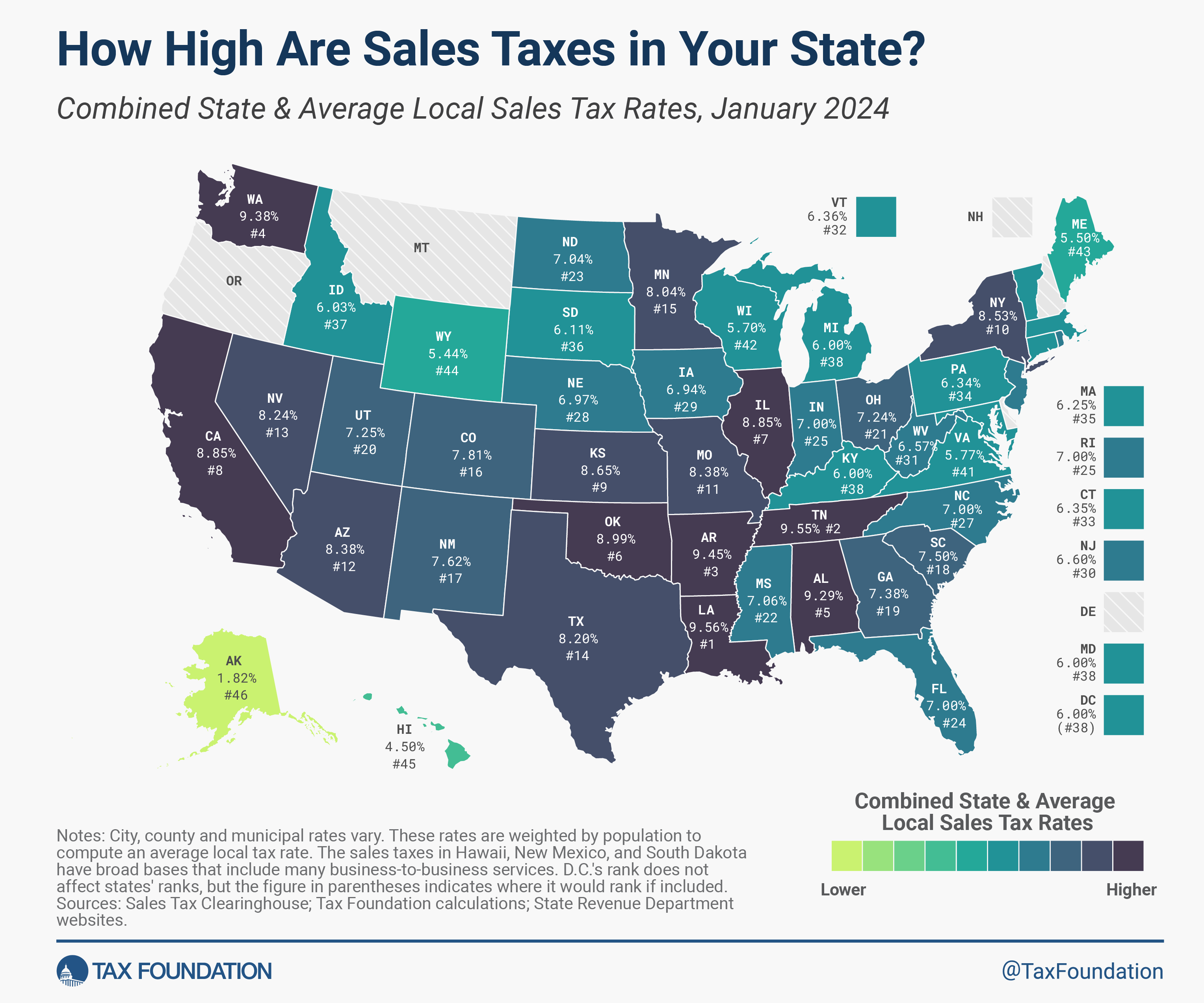
Every traveler is familiar with sales tax; it’s the added percentage you pay on most goods and many services. In Colorado, the statewide sales tax rate is a relatively low 2.9%. This flat rate applies to the purchase of tangible personal property and various taxable services. However, this is just the beginning of the story. The real complexity, and where your travel budget might see more significant impacts, comes from local sales taxes.
Many cities, counties, and special districts within Colorado impose their own additional sales taxes. This means that while the state rate is low, the combined sales tax rate can vary significantly depending on where you are. For instance, in Denver, the combined sales tax rate (state, city, and county) can easily climb above 8%. Popular tourist destinations like Vail, Breckenridge, or Aspen often have even higher combined rates to fund local infrastructure, tourism promotion, and essential services for their transient populations.
What does this mean for your travel and lifestyle in Colorado?
- Dining Out: Whether you’re enjoying farm-to-table cuisine in Boulder, a hearty meal after a day of skiing in Telluride, or fine dining in Denver, the sales tax will apply to your food and beverage bill. Factor this into your dining budget.
- Shopping: From souvenirs to outdoor gear, clothing, and groceries (though some food items may be exempt or taxed at a lower rate), expect to pay sales tax. High-end shopping in resort towns like Aspen will see a more significant dollar amount added due to these taxes.
- Rental Cars: Car rentals, essential for exploring vast landscapes like those around Colorado Springs or the scenic byways, are subject to sales tax, often combined with additional local surcharges or fees specific to rental vehicles.
- Admissions and Activities: Tickets to museums, art galleries, concerts at Red Rocks Park and Amphitheatre, or guided tours may also be subject to sales tax.
Understanding these variations is crucial for budgeting your experiences in Colorado. A meal costing $100 could have an $8 sales tax in one city and a $10 sales tax in another. Over the course of a trip, these small differences can add up, making informed spending decisions a valuable skill for any savvy traveler.
Lodging Tax: Your Stay in the Centennial State
Perhaps one of the most directly impactful taxes for any traveler is the lodging tax, which applies to hotels, resorts, vacation rentals, and other temporary accommodations. In Colorado, while the state sales tax of 2.9% applies to lodging, many municipalities and counties impose additional lodging taxes, sometimes referred to as occupancy taxes or accommodation taxes. These local taxes can vary widely, often significantly increasing the final cost of your stay.
For example, a stay in Denver might include the state sales tax, city sales tax, and a dedicated lodging tax, pushing the combined rate into double digits. Mountain towns and resort areas, heavily reliant on tourism, often have some of the highest combined lodging tax rates. Vail, Aspen, and Breckenridge, for instance, use these taxes to fund snow removal, public transportation, marketing efforts, and other services vital for maintaining their world-class tourism infrastructure.
Considerations for Accommodation Planning:
- Budgeting: When booking your accommodation, always look at the “total price” rather than just the nightly rate to account for these taxes and any additional resort fees. A $200 per night hotel might end up costing $230 or more after taxes and fees, depending on the location.
- Location Matters: If you’re comparing stays, be aware that a similar quality hotel in a less tourist-heavy city might have a lower overall tax burden than one in a prime resort location.
- Types of Accommodation: Whether you opt for a luxury resort, a boutique hotel, a cozy bed & breakfast, or a short-term apartment rental through platforms like Airbnb or Vrbo, these lodging taxes generally apply. Always confirm the total cost inclusive of all taxes and fees before finalizing your booking.
- Long-term Stays: For those considering an extended visit (e.g., a month or more), some jurisdictions might have exemptions or different tax structures for long-term rentals versus short-term lodging. It’s always wise to inquire directly with the property owner or management company for stays exceeding 30 days.
Lodging taxes are a direct contribution to the local economy, helping to maintain the very attractions and services that draw travelers to Colorado. Understanding their impact allows you to plan your accommodation budget more accurately, ensuring no surprises when the final bill arrives.
Income Tax Considerations: Longer Stays and Remote Work in Colorado
For many, Colorado isn’t just a travel destination; it’s a dream lifestyle. The state has become a magnet for remote workers, digital nomads, and individuals seeking a higher quality of life, surrounded by natural beauty and vibrant communities. If you’re considering an extended stay, working remotely from Colorado, or contemplating a permanent relocation, understanding the state’s income tax is crucial.
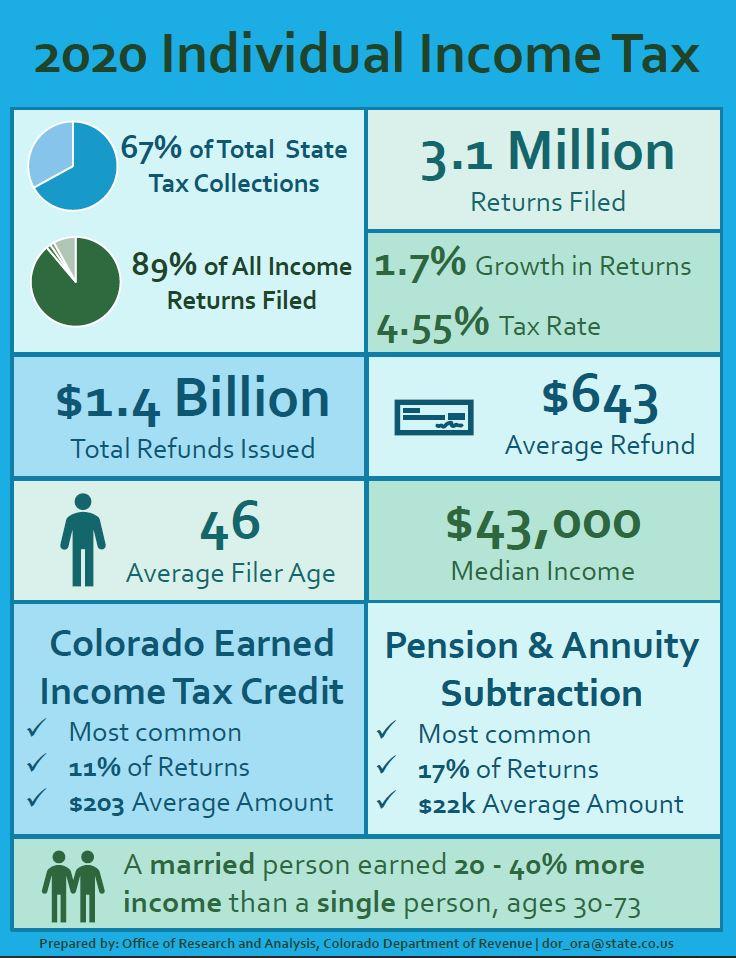
Colorado is unique in the United States for its flat income tax rate. This means that everyone, regardless of their income level, pays the same percentage of their taxable income to the state. While the exact rate can be subject to minor legislative changes, it has historically hovered around 4.40% in recent years. This contrasts with many other states that employ progressive tax systems, where higher earners pay a larger percentage.
Flat Tax Rate and Deductions
The flat tax rate simplifies income tax calculations for many, but it’s important to understand how it applies to your specific situation.
- Who Pays? If you establish residency in Colorado or earn income from sources within the state (even if you’re not a resident, for example, from a property rental or business activity), you will likely be subject to Colorado income tax.
- Remote Workers: For digital nomads or remote employees who decide to reside in Colorado, your wages earned while physically present in the state will be subject to Colorado income tax, even if your employer is based elsewhere. This is a significant consideration for lifestyle planning, as it will impact your take-home pay.
- Deductions and Credits: While the rate is flat, Colorado does offer various deductions and credits that can reduce your taxable income, similar to federal tax laws. These can include deductions for certain retirement contributions, health savings accounts, and specific state-level credits. It’s always advisable to consult with a tax professional to understand your eligibility and optimize your tax situation, especially if you are relocating or managing complex income streams.
The relatively low flat income tax rate is often cited as one of the attractive aspects of the Colorado lifestyle, particularly for entrepreneurs and professionals. It provides a degree of predictability in tax planning that can be appealing for individuals seeking to balance work and the pursuit of outdoor activities or cultural experiences.

Property Tax: For Homeowners and Long-Term Residents
For those enchanted enough by Colorado to consider permanent relocation or investing in a vacation home, property tax becomes a key consideration. Unlike income and sales taxes, property taxes in Colorado are administered and collected at the local level by counties, cities, and special districts, rather than by the state itself.
Colorado is known for having some of the lowest residential property tax rates in the United States. This is largely due to the way property is assessed and a constitutional amendment (the Gallagher Amendment, though it has undergone significant changes or repeal discussions) that historically limited the residential assessment rate. Property tax rates are calculated based on the assessed value of your property (a percentage of its actual market value) multiplied by the local mill levy (tax rate).
Key aspects for prospective homeowners:
- Local Variation: Property tax rates vary significantly from one county or city to another. A luxury condo in Aspen or Vail will naturally have a higher property tax bill due to its higher market value, but the mill levy itself can also differ.
- Funding Local Services: These taxes are crucial for funding local services such as public schools, libraries, police and fire departments, and local infrastructure projects (roads, parks, etc.)—all of which contribute to the quality of life that attracts people to Colorado’s diverse communities.
- Assessment Process: Properties are reappraised periodically (typically every two years) to reflect changes in market value. Homeowners then receive an assessment notice, which can be protested if they believe the valuation is incorrect.
- Impact on Lifestyle: While property tax rates are low compared to many states, they are still a significant annual expense for homeowners. Budgeting for property taxes, along with potential homeowner association (HOA) fees in planned communities or resorts, is essential for a complete financial picture when considering homeownership or long-term investment in Colorado’s real estate market.
The favorable property tax environment can make owning a home or a vacation rental property in Colorado more accessible and financially attractive than in some other popular destinations, aligning well with the “Accommodation” and “Lifestyle” themes for those looking for a permanent base or a frequent retreat.
Navigating Local Taxes and Special Districts
Beyond the overarching state taxes, a nuanced understanding of Colorado’s tax landscape requires diving into the myriad of local taxes and fees, particularly those levied by special districts. These localized charges play a significant role in the overall cost of visiting or residing in specific areas, and they directly fund the local charm and infrastructure that make Colorado so appealing.
Special districts are governmental entities that provide specific services within defined geographic boundaries. They can include metropolitan districts, fire protection districts, library districts, water and sanitation districts, and, importantly for travelers, tourism promotion districts. These districts have the authority to levy their own taxes, which can appear as additional percentages on sales, lodging, or even property tax bills, depending on the district’s purpose.
City and County Specific Taxes
The most common form of local taxation beyond the state level comes from cities and counties. As mentioned earlier, while the state sales tax is 2.9%, the combined sales tax rate in many cities can be significantly higher due to municipal and county additions.
- Metropolitan Hubs: Cities like Denver, Colorado Springs, and Boulder each have their own city sales and lodging taxes that stack on top of the state rates. These funds support city services, public transportation networks, cultural institutions, and parks.
- Ski Towns and Resorts: Popular resort towns are prime examples of areas with elevated local taxes. The unique environments of places like Aspen, Vail, and Breckenridge necessitate extensive services—like enhanced snow removal, robust public transit, and emergency services tailored to outdoor activities—all funded, in part, by higher local sales and lodging taxes. These taxes help maintain the pristine conditions and world-class amenities that travelers seek out.
- Regional Differences: The Front Range urban corridor will have different tax structures than the rural Western Slope or the high mountain communities. Researching the specific tax rates for your chosen destination within Colorado can save you from unexpected costs. Many local government websites provide detailed breakdowns of their tax rates.
These localized taxes contribute directly to the “Tourism” and “Hotels” aspects of your experience, ensuring that destinations remain well-maintained, accessible, and attractive. They fund the very infrastructure that supports ski lifts, hiking trails, clean public spaces, and vibrant downtown areas.
Tourism-Related Fees and Their Impact
Beyond general sales and lodging taxes, Colorado also features specific fees and taxes that are directly tied to tourism and recreational activities. These are often designed to capture revenue from visitors to support the environmental stewardship and recreational infrastructure that make Colorado a premier outdoor destination.
- Rental Car Surcharges: In addition to sales tax, rental cars often come with specific state or local surcharges. These fees help fund transportation initiatives and airport operations. For travelers relying on rental vehicles to explore attractions like Pikes Peak or Maroon Bells, these extra costs should be part of the budget.
- Recreational Marijuana Tax: Colorado was one of the first states to legalize recreational marijuana. Sales of cannabis products are subject to the standard state sales tax, plus a state retail marijuana sales tax (currently 15%) and a state retail marijuana excise tax (15% on wholesale). Local jurisdictions may add their own taxes as well. While not for everyone, for those interested in this aspect of Colorado’s unique legal landscape, these taxes significantly increase the cost of products and contribute substantial revenue to the state, much of which is earmarked for public education and other state programs.
- Entrance Fees to Parks and Attractions: While not technically taxes, these fees are directly related to accessing Colorado’s famous landmarks and natural beauty. National Parks like Great Sand Dunes National Park or state parks and natural areas like Garden of the Gods often have entrance fees. These fees are essential for the maintenance, conservation, and visitor services of these treasured sites.
These specific fees highlight Colorado’s commitment to preserving its natural assets and ensuring a high-quality visitor experience. By understanding these contributions, travelers can appreciate how their spending directly supports the sustainability of the attractions they come to enjoy.
Budgeting for Your Colorado Adventure: A Tax-Savvy Approach
Planning a trip or a longer stay in Colorado involves more than just booking flights and hotels. A tax-savvy approach to budgeting ensures that you fully account for all potential costs, allowing for a more relaxed and enjoyable experience. Whether you’re on a luxury retreat or a budget-friendly family trip, understanding how taxes impact your expenses is invaluable.
The beauty of Colorado lies in its diversity—from the bustling city life of Denver to the serene wilderness of the Rocky Mountains. This diversity also extends to the cost of living and, consequently, the impact of taxes. By being proactive and informed, you can make choices that align with your financial goals while still experiencing the best of the Centennial State.
Estimating Your Tax Burden
Forecasting your tax-related expenses doesn’t have to be a daunting task. Here’s a practical approach:
- Research Specific Locations: Before you finalize your itinerary, look up the combined sales tax and lodging tax rates for each city or county you plan to visit or stay in. Many local government websites provide this information.
- Calculate Key Expenses: For major categories like accommodation, dining, and significant purchases (e.g., ski rentals, concert tickets), apply the relevant local tax rates to get a more accurate total.
- Allocate a Buffer: Always add a contingency fund to your budget (e.g., 10-15%) for unexpected expenses, which can include higher-than-anticipated taxes or fees. This is especially true for longer trips or if you plan to explore multiple regions with varying tax rates.
- Consult Booking Platforms: When booking hotels or vacation rentals, ensure that the displayed price includes all taxes and fees, or that these are clearly itemized so you can factor them in. Most reputable platforms do this, but a quick check never hurts.
- Professional Advice for Long-Term: If you’re considering a significant lifestyle change like relocating for remote work or purchasing property, consult with a Colorado-based tax advisor or financial planner. They can provide personalized advice on income tax implications, property tax estimations, and potential deductions or credits relevant to your unique situation.
Tips for Managing Expenses in Colorado
Beyond simply estimating taxes, there are several practical tips that can help you manage your overall expenses and make your Colorado experience more budget-friendly, aligning with both luxury and budget travel lifestyles.
- Cook Your Own Meals: For longer stays, opting for accommodations with kitchen facilities (e.g., apartments, villas, extended-stay hotels) allows you to buy groceries and cook, significantly reducing your exposure to sales tax on restaurant meals.
- Utilize Public Transportation: In cities like Denver and many ski towns, robust public transportation systems can help you avoid rental car surcharges, fuel costs, and parking fees (which are often high in popular areas).
- Look for Tax-Exempt Purchases: While generally uncommon, some specific items, particularly certain food staples at grocery stores, might be exempt from state sales tax or taxed at a lower rate. Being aware of these exceptions can offer minor savings.
- Off-Peak Travel: Visiting during the shoulder seasons (spring or fall) often means lower accommodation rates, and sometimes even reduced local fees, as demand lessens. This can be a smart strategy for budget-conscious travelers or those seeking a more serene experience.
- Explore Free Attractions: Colorado boasts countless free natural attractions—hiking trails, scenic drives, and overlooks—that offer unparalleled beauty without an entrance fee. Prioritizing these activities can significantly reduce your overall trip cost. Even famous landmarks like Garden of the Gods offer free entry, providing magnificent experiences without extra cost.
In conclusion, while “What is Colorado State Tax?” might seem like a dry financial question, for the traveler, the adventurer, or the prospective resident, it’s a vital piece of the puzzle that shapes the journey. By understanding the sales, lodging, income, and property tax landscape, you’re not just preparing financially; you’re also gaining insight into how the Centennial State invests in its infrastructure, preserves its natural beauty, and supports the vibrant communities that make it such a sought-after destination. Armed with this knowledge, you can confidently plan your next Colorado adventure, whether it’s a quick escape to the mountains or a permanent embrace of the Mile-High lifestyle.
LifeOutOfTheBox is a participant in the Amazon Services LLC Associates Program, an affiliate advertising program designed to provide a means for sites to earn advertising fees by advertising and linking to Amazon.com. Amazon, the Amazon logo, AmazonSupply, and the AmazonSupply logo are trademarks of Amazon.com, Inc. or its affiliates. As an Amazon Associate we earn affiliate commissions from qualifying purchases.