
Colorado, often referred to as the Centennial State due to its admission to the Union in 1876, has long captivated imaginations with its majestic Rocky Mountains, vibrant cities, and unparalleled outdoor adventures. Beyond its stunning landscapes, Colorado is a dynamic state experiencing significant population growth, a trend that profoundly influences its travel destinations, hotel infrastructure, local culture, and overall lifestyle. Understanding the population of Colorado isn’t just about statistics; it’s about appreciating the evolving tapestry of communities, the pressures and opportunities facing its tourism sector, and the changing face of this beloved western United States gem.
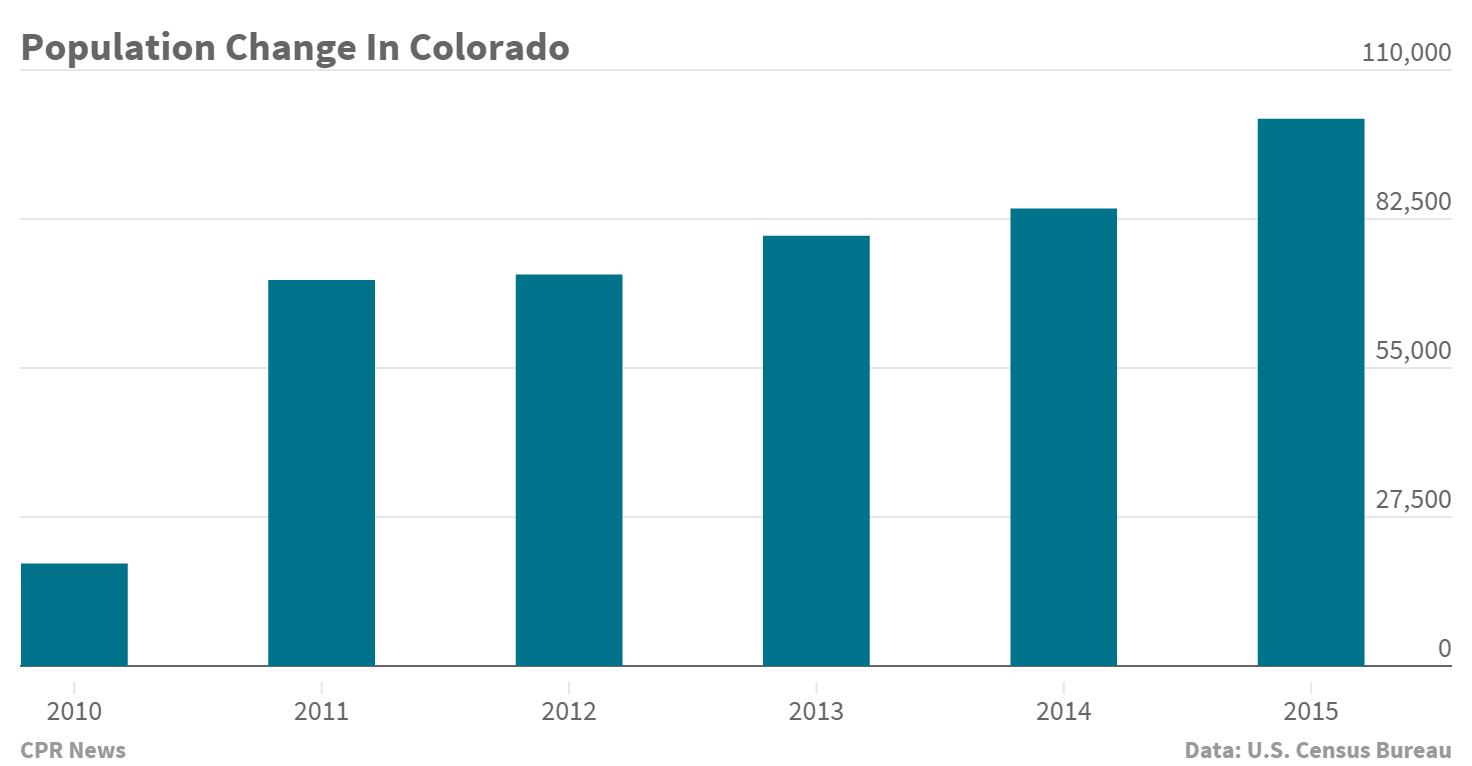
As of recent estimates, the population of Colorado hovers around 5.9 million people, making it one of the fastest-growing states in the nation over the past decade. This growth is not merely an increase in numbers; it represents a diverse influx of individuals seeking everything from high-altitude living and robust job markets to a connection with nature and an active lifestyle. This demographic shift impacts everything from the availability of luxury resorts in Vail to the accessibility of hiking trails in Rocky Mountain National Park, and influences the unique character of towns like Aspen and cities like Denver. For travelers and prospective residents alike, understanding this population dynamic provides invaluable context for experiencing Colorado to its fullest.
Colorado’s Dynamic Demographic Landscape
Colorado’s population is not static; it is a constantly evolving entity shaped by migration, economic opportunity, and lifestyle appeal. This dynamic landscape directly informs the state’s development, especially within its tourism and accommodation sectors. From bustling urban centers to serene mountain retreats, the distribution and growth of people dictate the pace of development, the types of amenities available, and the very essence of what makes Colorado a sought-after destination.
Current Population Snapshot and Growth Trends
With a population approaching 6 million, Colorado has seen a steady increase, consistently ranking among the top states for percentage growth year after year. This surge is primarily driven by domestic migration, with people moving from other states drawn by Colorado’s strong economy, particularly in technology, aerospace, and outdoor recreation industries, alongside its high quality of life. International migration also plays a role, contributing to the state’s cultural diversity. This rapid expansion has transformed once-sleepy towns into thriving communities and has put pressure on existing infrastructure, including roads, public services, and natural resources.
For the travel industry, this translates into increased demand for everything from airport capacity at Denver International Airport to boutique hotels in Boulder and extended-stay apartments in Colorado Springs. Developers are constantly working to keep pace, introducing new resort options, glamping experiences, and diverse accommodation choices to cater to both new residents and a growing influx of tourists. The state’s demographics also show a relatively young, educated, and affluent population, which influences the types of attractions and services that flourish – think craft breweries, farm-to-table dining, and adventure tourism operators.
The Magnetism of the Centennial State
The appeal of Colorado is multifaceted. Its 300+ days of sunshine, access to world-class skiing, hiking, and biking, and a generally healthy, active lifestyle are significant draws. The economic prosperity, particularly in metropolitan areas like Denver and Fort Collins, offers abundant job opportunities and a robust entrepreneurial spirit. This blend of natural beauty and economic vitality acts as a powerful magnet, attracting individuals and families seeking a balanced life.
This magnetism directly fuels the state’s tourism industry. People come to visit friends and family who have recently relocated, exploring the same natural beauty and urban amenities that attracted the residents. This “friends and family” tourism segment is a significant, often underestimated, driver of visitor numbers. Furthermore, the growing population contributes to a more vibrant local culture, with a wider array of restaurants, art galleries, music venues like Red Rocks Amphitheatre, and festivals that enhance the overall visitor experience. This creates a positive feedback loop: more people make the state more attractive, which in turn draws more visitors and further encourages population growth.
Population Distribution and Its Impact on Travel and Tourism
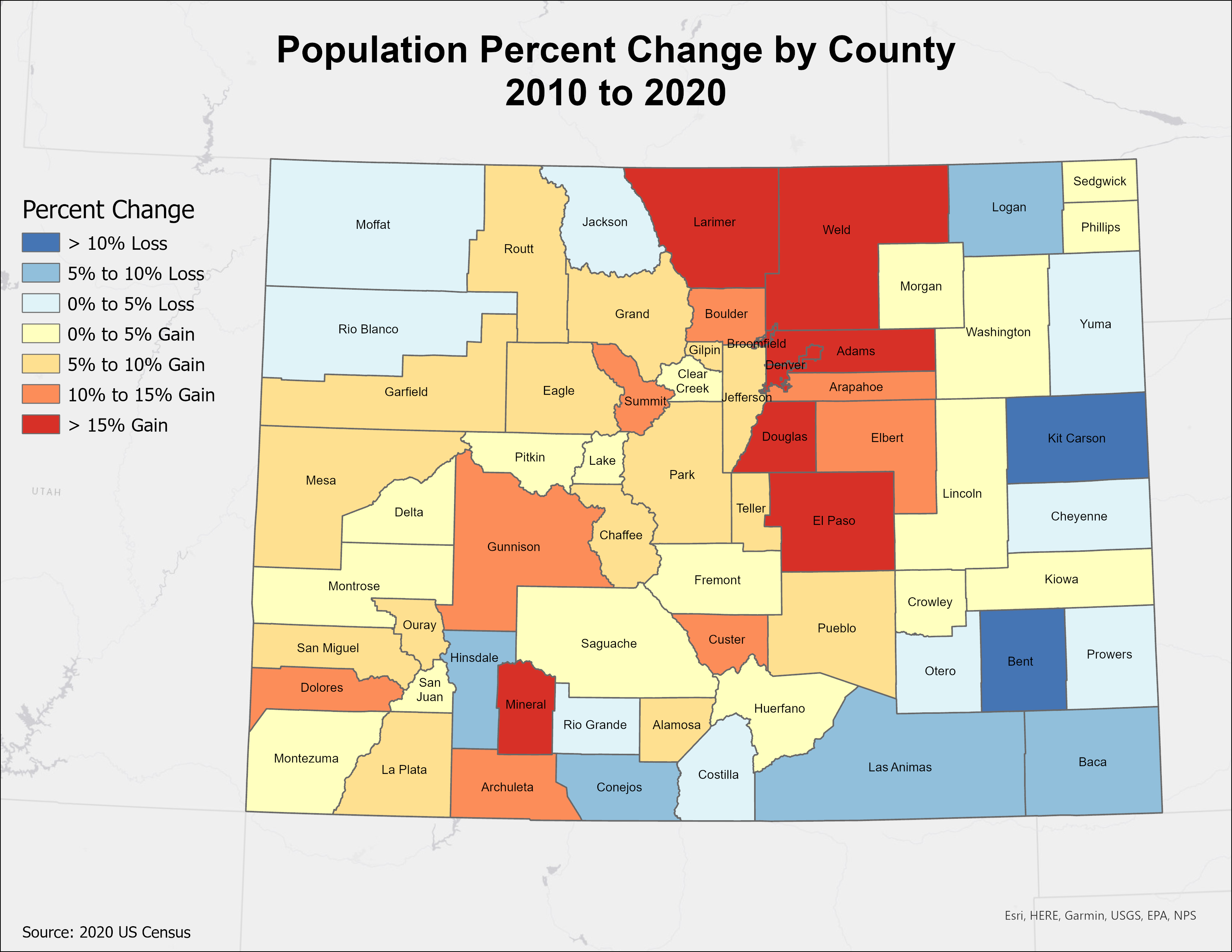
While Colorado’s overall population is substantial, its distribution is far from uniform. The vast majority of residents congregate along the Front Range Urban Corridor, a strip of cities nestled against the eastern foothills of the Rocky Mountains. This concentration has profound implications for how travelers experience the state, affecting everything from traffic patterns and hotel availability to the preservation of natural landmarks and the character of smaller towns.
Major Urban Centers: Hubs of Activity and Accommodation
The Front Range is home to Colorado’s largest cities and the bulk of its population. Denver, the state capital and largest city, is the undisputed economic and cultural heart, boasting a metropolitan area population exceeding 2.9 million. This urban sprawl extends south to Colorado Springs (home to the United States Air Force Academy and the iconic Garden of the Gods), and north to Boulder (a hub for outdoor recreation and innovation) and Fort Collins (renowned for its craft breweries and Colorado State University).
These urban centers serve as primary entry points for many travelers and are replete with diverse accommodation options. In Denver, visitors can choose from luxury stays at establishments like the Brown Palace Hotel and Spa or modern boutique hotels in areas like LoDo. Colorado Springs offers family-friendly resorts and hotels near popular attractions. Boulder caters to those seeking a sophisticated yet active experience, with hotels often emphasizing wellness and outdoor access. This high population density ensures a robust service industry, offering an abundance of dining experiences, cultural attractions, and entertainment options that cater to both residents and the millions of tourists who pass through these urban gateways annually. However, it also means that during peak seasons, hotel bookings and attraction reservations are crucial, and traffic can be a significant consideration.
Mountain Towns and Rural Escapes: Balancing Growth and Preservation
Beyond the Front Range, Colorado’s population thins out considerably, giving way to charming mountain towns and vast rural landscapes. Places like Aspen, Vail, Telluride, and Breckenridge are world-famous for their ski resorts and summer activities, attracting a transient population of tourists and seasonal workers alongside their smaller, permanent resident bases. These towns embody the “lifestyle” aspect of Colorado, offering luxury travel experiences, high-end dining, and unique local cultures rooted in their mining histories and mountain environments. Here, the population directly influences the availability and exclusivity of accommodations, from ski-in/ski-out chalets to quaint bed-and-breakfasts.
Further afield, towns like Durango in the southwest, serving as a gateway to Mesa Verde National Park, or Grand Junction on the western slope, known for its wine country and access to the Colorado National Monument, represent other facets of Colorado’s demographic tapestry. These areas, while experiencing less explosive growth than the Front Range, still feel the impact of increased tourism and the desire for more rural living. The challenge in these regions is often balancing economic development and tourism benefits with the preservation of local character and natural resources. Sustainable tourism practices become paramount when a relatively small local population must cater to a large influx of visitors, ensuring that the charm and pristine nature that draw people there are not eroded by overuse.
Lifestyle, Economy, and the Visitor Experience
The demographic makeup and distribution of Colorado’s population are intrinsically linked to the lifestyle enjoyed by its residents and the experiences offered to its visitors. The very fabric of Colorado’s tourism is woven with threads of active living, environmental consciousness, and a burgeoning creative economy, all shaped by the people who call this state home.
Diverse Lifestyles and Their Influence on Tourism Offerings
Colorado’s population is known for its active, outdoor-oriented lifestyle. This translates directly into the state’s tourism offerings. Adventure travel is not just an industry here; it’s a way of life. The high demand for hiking, skiing, mountain biking, rafting, and climbing from residents helps support a vast network of outfitters, guides, and specialized tour operators. This culture also fosters the development of extensive trail systems, world-class ski resorts, and well-maintained state parks and national forests, all of which benefit tourists.
Beyond adventure, Colorado’s diverse population supports a rich array of cultural and culinary experiences. The influx of new residents has fueled a vibrant food scene, particularly in Denver and Boulder, ranging from innovative farm-to-table restaurants to diverse ethnic eateries. Craft breweries and distilleries have also exploded in popularity, often becoming attractions in themselves. The arts scene, bolstered by a growing and educated population, includes numerous museums, theaters, and music venues. Whether travelers are seeking luxury accommodations with spa amenities, budget-friendly hotels for family trips, or unique boutique stays to immerse themselves in local culture, Colorado’s population base creates the demand and infrastructure for these varied lifestyle choices to thrive. The emphasis on health and wellness, often associated with a younger, active demographic, also drives trends in wellness retreats and eco-tourism across the state.
Infrastructure and Amenities: Catering to Residents and Tourists Alike
The rapid population growth in Colorado has necessitated significant investment in infrastructure, which benefits both residents and tourists. Expanded road networks, public transportation initiatives in metropolitan areas, and upgrades to utilities are all direct responses to the increasing number of people. For travelers, this means improved accessibility to destinations, even though peak season traffic can still be a challenge on popular routes to the mountains.
The accommodation sector is particularly responsive to population shifts. As cities like Denver and Colorado Springs expand, so does the need for hotel rooms, short-term rentals, and long-term accommodation options for business travelers, new residents, and leisure visitors. This includes a growing segment of apartment-style hotels and vacation rentals, reflecting a trend towards longer stays and a desire for more home-like amenities. The presence of a substantial resident population also ensures a baseline level of services and amenities that might not exist in purely tourist-driven economies. From grocery stores and pharmacies to medical facilities and diverse retail, these are staples supported by local populations but are equally valuable to tourists. The expansion of digital infrastructure, with reliable internet access becoming more widespread, also supports the growing trend of remote work and business stays, turning many parts of Colorado into attractive destinations for “work-cations.”
Forecasting the Future: Sustainable Growth and Tourism in Colorado
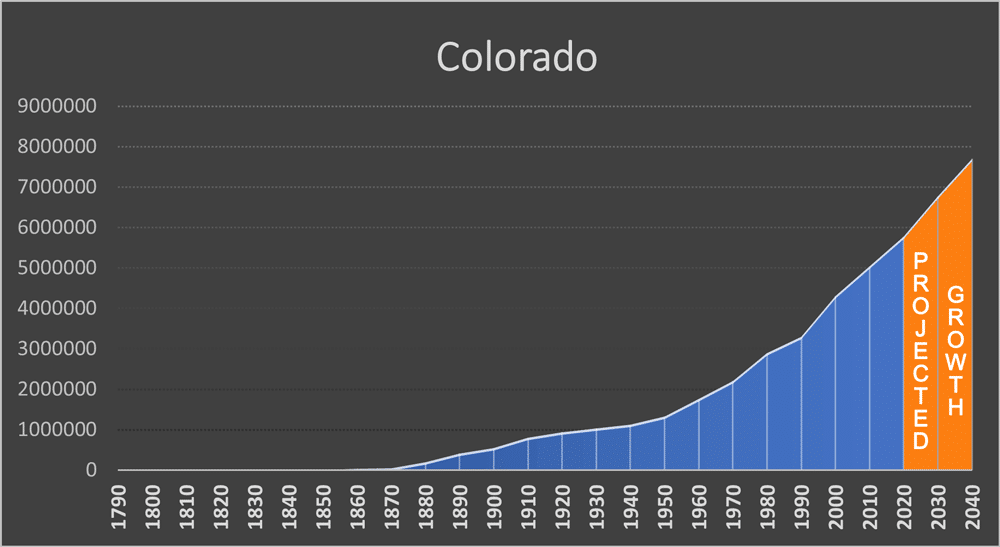
Looking ahead, Colorado’s population is projected to continue its upward trajectory, albeit potentially at a more moderate pace. This sustained growth presents both opportunities and challenges for the state, particularly concerning its cherished natural environment and the future of its thriving tourism industry. The ongoing dialogue around responsible development, sustainable tourism, and resource management is crucial to ensure that Colorado retains its appeal for generations to come.
Efforts are underway to manage the impact of increased population and tourism on popular landmarks and natural areas. Initiatives like timed entry systems at Rocky Mountain National Park or increased funding for trail maintenance are direct responses to the pressures of popularity. The goal is to preserve the pristine nature of attractions like Great Sand Dunes National Park and Preserve and ensure that visitors can still enjoy meaningful, uncrowded experiences. This focus on sustainability extends to the accommodation sector, with a growing emphasis on eco-friendly hotels, green building practices, and resorts that minimize their environmental footprint. Travelers are increasingly seeking out these responsible options, reflecting a broader trend in lifestyle choices.
Ultimately, the population of Colorado is more than just a number; it’s a living, breathing force that shapes every aspect of the state. From the bustling streets of Denver to the serene slopes of Telluride, the people who live here define the culture, drive the economy, and craft the experiences that draw millions of visitors annually. As Colorado continues to grow, understanding these demographic shifts will be key to unlocking the best travel experiences, finding the perfect accommodation, and appreciating the unique lifestyle that makes the Centennial State so extraordinary. For anyone planning a visit or considering a move, staying informed about these trends offers a deeper appreciation for this remarkable corner of the United States.
LifeOutOfTheBox is a participant in the Amazon Services LLC Associates Program, an affiliate advertising program designed to provide a means for sites to earn advertising fees by advertising and linking to Amazon.com. Amazon, the Amazon logo, AmazonSupply, and the AmazonSupply logo are trademarks of Amazon.com, Inc. or its affiliates. As an Amazon Associate we earn affiliate commissions from qualifying purchases.