
Colorado, often celebrated as the “Centennial State,” is a land of dramatic contrasts and breathtaking natural beauty. From its towering Rocky Mountains to its expansive high plains and arid western deserts, the state offers an unparalleled array of landscapes that captivate travelers from across the globe. For those planning a visit, understanding Colorado’s “planting zones” might seem like a niche concern for gardeners, but it actually provides a profound insight into the state’s diverse climates, unique ecosystems, and the incredible array of experiences awaiting discovery. Far from being a mere horticultural classification, these zones are a traveler’s compass to appreciating the natural attractions, planning seasonal adventures, and even understanding the local culture and cuisine that thrive in distinct regional climates.
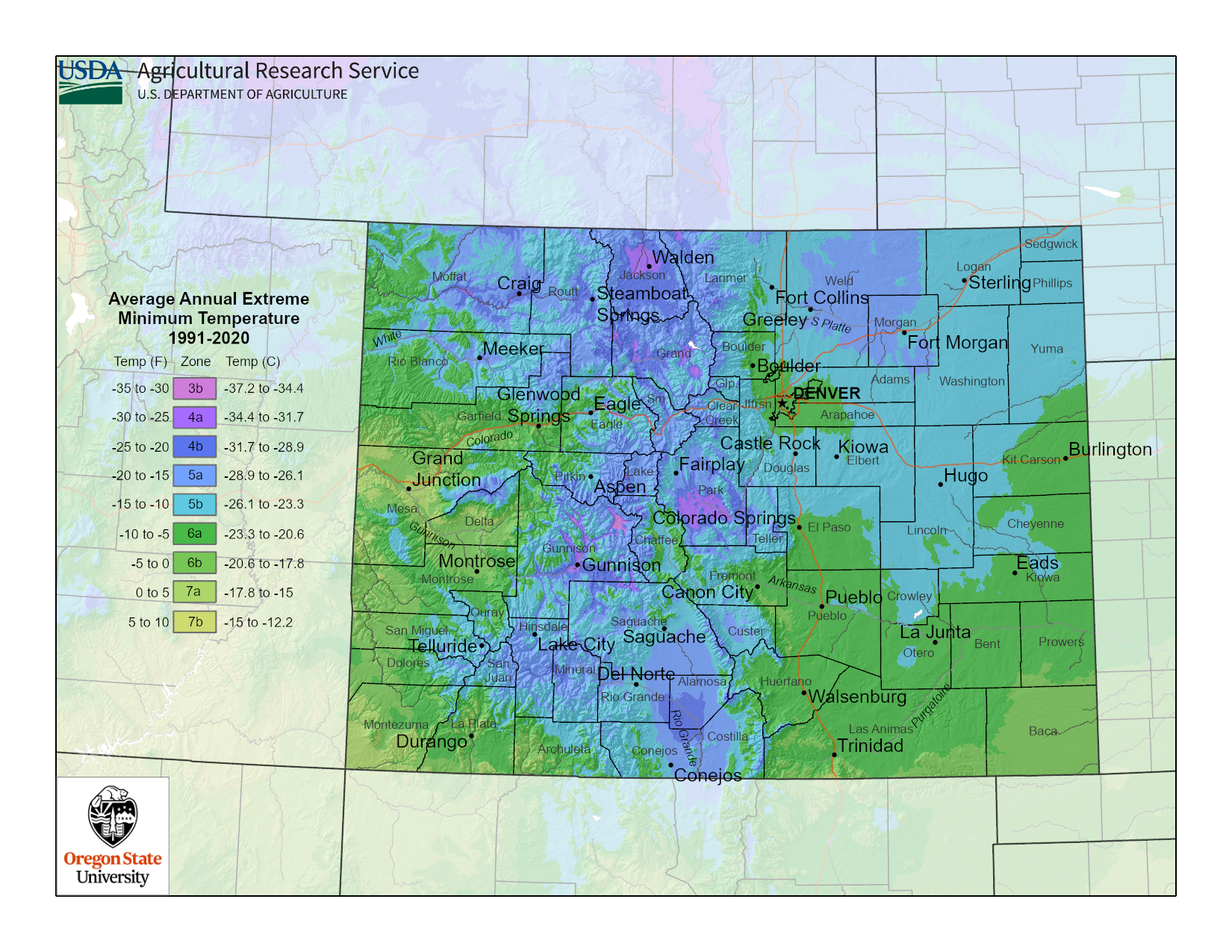
At its core, a planting zone system, like the USDA Plant Hardiness Zone Map, categorizes regions based on their average annual extreme minimum winter temperature. While originally designed for gardeners to determine which plants can survive winter in a particular location, for the discerning traveler, it paints a vivid picture of the climatic realities and environmental characteristics that shape a destination. In a state as geographically varied as Colorado, where elevation can change by thousands of feet within a short drive, these zones shift dramatically, influencing everything from the type of outdoor activities available to the style of resorts and accommodations one might find. This article delves into the fascinating world of Colorado’s planting zones, reinterpreting them through the lens of travel, tourism, and lifestyle, offering a unique perspective for your next Colorado adventure.
Understanding Colorado’s Diverse Climates: More Than Just Gardening
Colorado’s geographic position in the heart of the United States, coupled with the imposing presence of the Rocky Mountains slicing through its center, creates an astonishing tapestry of microclimates. This topographical diversity means that within a single day’s journey, a traveler can transition from sun-drenched desert environments to cool, pine-forested alpine settings, each with its own distinct flora, fauna, and recreational opportunities. Understanding these climatic nuances, even through the framework of planting zones, is key to unlocking the full potential of a Colorado trip.
The USDA Plant Hardiness Zones Explained for Travelers
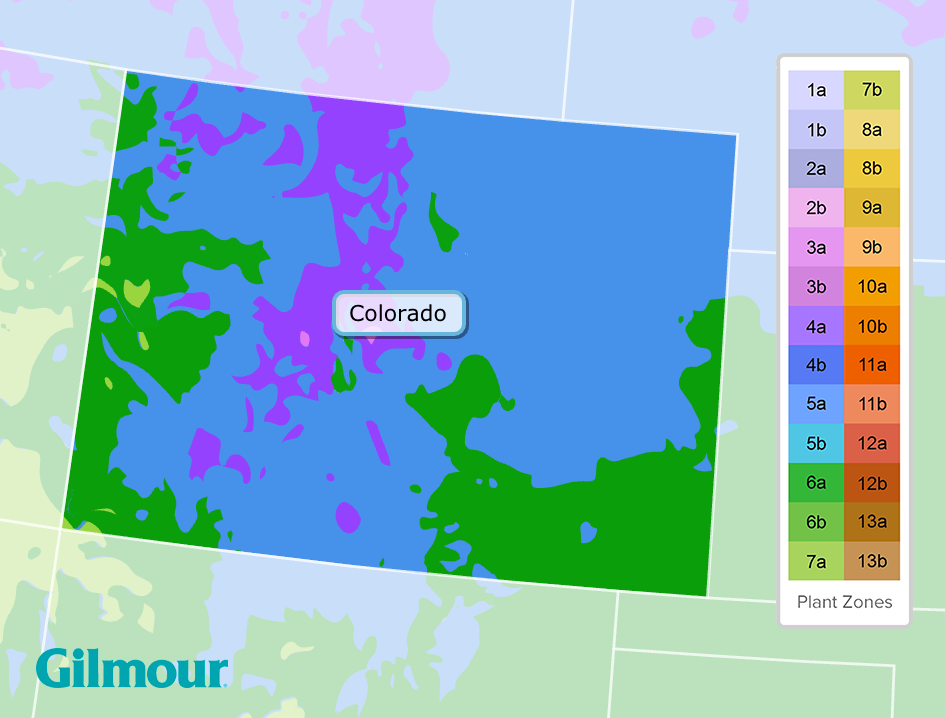
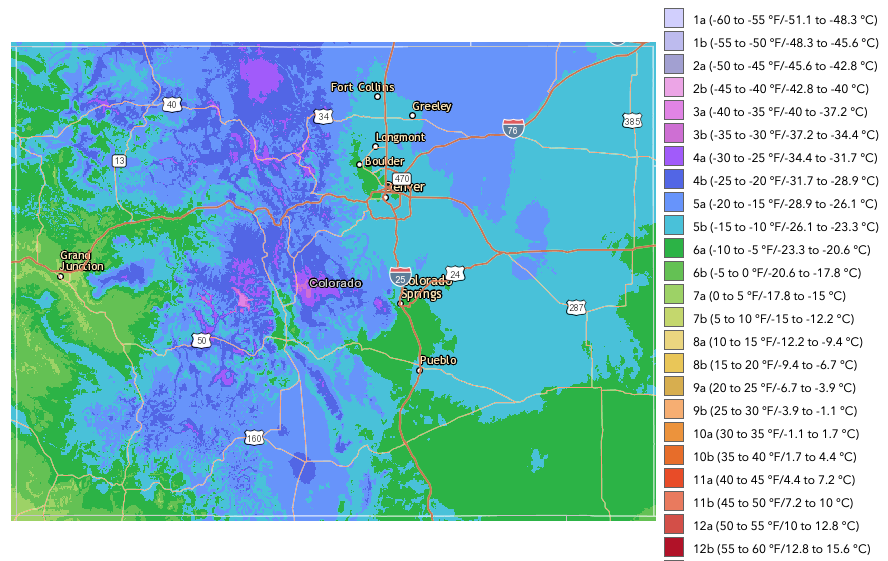
The USDA Plant Hardiness Zone Map divides North America into 13 zones, further subdivided into ‘a’ and ‘b’ sections, each representing a 5°F difference in average annual extreme minimum winter temperature. For Colorado, these zones generally range from 3a (-40 to -35°F) in the highest, most exposed mountain regions to 7a (0 to 5°F) in some of the milder, lower elevation areas of the western slope and southeastern plains.
What does this mean for travelers? These zones are direct indicators of winter severity and overall climate. A region in Zone 3a, for example, signals a harsh, extended winter, likely covered in snow for much of the colder months, making it prime territory for skiing, snowboarding, and other winter sports. Destinations like Aspen, Vail, and Telluride thrive in these colder zones, offering world-class slopes and cozy, luxurious resort experiences. Conversely, a region in Zone 7a suggests milder winters, longer growing seasons, and different types of natural attractions, such as vineyards or high desert hiking trails that might be accessible year-round. This insight is invaluable for planning activities, packing appropriate attire, and even understanding why certain types of tourism flourish in specific areas.
Elevation as the Ultimate Zone Setter in the Rockies
While the USDA zones provide a broad overview, elevation is arguably the single most dominant factor dictating climate and, consequently, “planting zones” within Colorado. For every 1,000 feet gained in elevation, temperatures typically drop by 3.5 to 5.4°F, and precipitation patterns shift dramatically. This means that two locations at the same latitude but differing significantly in elevation will fall into vastly different hardiness zones.
Consider Denver, the Mile High City, sitting at approximately 5,280 feet, generally falls into Zone 5b to 6a. Travel just an hour west into the Rocky Mountains towards areas like Rocky Mountain National Park, and you quickly ascend into Zones 4a, 3b, and even 3a at higher altitudes. This rapid change creates distinct ecological niches, from the short-grass prairie and Ponderosa Pine forests of the foothills to the Subalpine spruce-fir forests and treeless Alpine Tundra above the tree line.
For the traveler, this means a dynamic landscape that changes with every ascent. Hiking trails offer different challenges and rewards depending on elevation; wildlife viewing opportunities vary widely; and even the air itself feels different. Resorts at higher elevations leverage their snowy microclimates for winter sports, while those in the foothills or on the plains might focus on golf, horseback riding, or access to urban amenities. Understanding elevation’s role transforms the “planting zone” concept into a vibrant map of potential adventures and scenic wonders, guiding travelers to choose destinations that perfectly align with their desired experiences.
From High Desert to Alpine Tundra: A Regional Travel Guide
Colorado’s diverse planting zones are best appreciated by exploring its distinct geographical regions. Each area offers a unique travel experience, shaped by its particular climate and the resulting natural environment.
The Front Range Urban Corridor: A Mild Mountain Gateway
Stretching from Fort Collins in the north through Denver and Colorado Springs to Pueblo in the south, the Front Range corridor typically lies in planting zones 5b to 6a. This region enjoys a relatively mild climate compared to the higher mountains, characterized by dry, sunny days and distinct four seasons. Winters are generally less severe than in the high country, with frequent thaws, allowing for year-round exploration of many outdoor attractions.
This urban belt is the heart of Colorado’s tourism, offering a blend of city life and easy access to nature. In Denver, travelers can explore vibrant cultural districts, world-class museums, and diverse culinary scenes. Hotels here range from luxurious downtown establishments to boutique hotels and extended-stay apartments, catering to every lifestyle. Nearby, natural landmarks like Red Rocks Amphitheatre offer stunning outdoor concert experiences against a backdrop of ancient sandstone formations, while Garden of the Gods in Colorado Springs showcases dramatic red rock spires that are accessible almost any time of year. The milder climate allows for extensive urban parks and green spaces, making these cities attractive for those seeking a balance of city exploration and outdoor relaxation.
Western Slope Wonders: Grapes, Canyons, and Mild Winters
Crossing the Continental Divide to Colorado’s Western Slope reveals a dramatically different climate, often characterized by Zones 5b to 7a. This region, particularly around Grand Junction and the Grand Valley, benefits from lower elevations and a desert-like microclimate, leading to warmer temperatures and a longer growing season. This is Colorado’s fruit and wine country, where vineyards flourish, producing award-winning wines that delight connoisseurs.
Tourism here revolves around the unique geology and burgeoning agricultural scene. Travelers can embark on scenic drives through Colorado National Monument, marvel at the impressive depths of Black Canyon of the Gunnison National Park, or explore the ancient cliff dwellings of Mesa Verde National Park further south. The milder winters make these destinations accessible for hiking and mountain biking much earlier and later in the year than the high mountains. Accommodation options include charming bed and breakfasts in wine country, modern hotels in Grand Junction, and rustic cabins offering proximity to wilderness adventures, appealing to those who appreciate a blend of outdoor activity and gourmet experiences.
The High Country and Mountain Peaks: Alpine Adventures
The majestic Rocky Mountains themselves represent the coldest planting zones in Colorado, primarily Zones 3a to 4b. These elevations, often exceeding 9,000 feet, experience deep snowpacks, extremely cold winters, and short, intense summers. This is the realm of ski resorts like Aspen, Vail, Breckenridge, and Telluride, which capitalize on the abundant snowfall to offer world-class winter sports.
Beyond skiing, the high country is a paradise for summer adventurers. When the snow melts, wildflowers burst forth, trails open for hiking and mountain biking, and crystal-clear alpine lakes invite fishing and contemplation. Landmarks such as Rocky Mountain National Park showcase breathtaking scenery, from dramatic peaks like Longs Peak to serene valleys. The iconic Maroon Bells near Aspen offer one of the most photographed views in North America. Accommodation in these areas often leans towards luxury resorts, cozy mountain lodges, and charming vacation rentals, providing amenities like hot tubs, fine dining, and ski-in/ski-out access, reflecting a lifestyle centered around active outdoor pursuits and indulgent relaxation.
Southern Colorado’s Unique Charms and Diverse Ecosystems
Southern Colorado presents an intriguing mix of planting zones and landscapes, ranging from Zones 4b in the southern San Juans to 6a/6b in valleys like the San Luis Valley and southeastern plains. This region is a melting pot of ecosystems: alpine mountains transitioning to high desert, vast sand dunes, and rolling plains.
Tourism in southern Colorado is incredibly varied. Durango serves as a historic hub for outdoor adventures, including scenic train rides on the Durango and Silverton Narrow Gauge Railroad. The Great Sand Dunes National Park and Preserve offers a truly surreal experience, with the tallest dunes in North America set against a backdrop of 13,000-foot peaks. Here, visitors can sandboard, hike, and camp, experiencing a high desert environment that is surprisingly cold in winter and hot in summer, illustrating the zone diversity. The cultural heritage is also rich, with Native American influences and historic mining towns. Accommodation ranges from historic hotels in Durango to unique glamping experiences near the dunes, appealing to travelers seeking off-the-beaten-path adventures and a deep connection with nature and history.
Experiencing Colorado’s Zones: Activities, Culture, and Accommodation
Understanding Colorado’s planting zones empowers travelers to tailor their trips for maximum enjoyment, allowing them to immerse themselves in the state’s natural splendor, vibrant local cultures, and diverse accommodation options.
Seasonal Travel and Outdoor Pursuits Tailored to Each Zone
The distinct planting zones directly dictate the prime seasons for various activities. In the high mountain zones (3a-4b), winter is king, attracting millions for skiing, snowboarding, and snowshoeing from November to April. Resorts offer extensive amenities, from luxury suites to private chalets, all designed to enhance the winter sports lifestyle. Come summer, these same zones transform into a hiker’s paradise, with trails leading to alpine lakes, wildflower meadows, and breathtaking summits. The cooler temperatures make them ideal for escaping the summer heat of lower elevations.
The Front Range and Western Slope (5b-7a) zones offer a longer shoulder season for outdoor activities. Spring and fall are exceptional for hiking, biking, and rock climbing, with pleasant temperatures and stunning foliage displays. Boulder, known for its outdoor-centric lifestyle, is a prime example of a city that thrives in its mild zone, offering endless trails and a vibrant downtown year-round. These zones also support a longer golf season and easier access to urban attractions and cultural events. Travelers can choose from upscale hotels in city centers, charming guesthouses in picturesque towns, or modern vacation rentals that provide a home base for exploring both urban and natural landscapes.
Culinary Experiences and Local Flora
The planting zones also subtly influence Colorado’s culinary landscape and local culture. The Western Slope’s warmer zones are famous for their fruit orchards, producing peaches, cherries, and apples, which are celebrated in local festivals and farmers’ markets. The burgeoning wine industry in areas like Palisade is a direct result of these favorable growing conditions, offering unique wine-tasting tours and culinary experiences.
Throughout the state, local flora, determined by each zone, contributes to the overall aesthetic and even the ingredients found in regional dishes. High-altitude plants like Rocky Mountain Columbine (the state flower) thrive in the mountain zones, while various wildflowers carpet meadows in summer. Many restaurants and cafes in Colorado emphasize farm-to-table dining, utilizing produce specific to their local zones, providing travelers with an authentic taste of the region. Exploring local markets and dining establishments becomes another way to connect with the unique environmental character of each zone.
Choosing Your Colorado Stay: Hotels, Resorts, and Unique Accommodations
Your choice of accommodation in Colorado can be significantly informed by the planting zone you wish to experience. For those drawn to the luxury of alpine skiing and mountain wellness, the high-altitude resorts in places like Aspen or Vail offer everything from five-star hotels with spa amenities to ski-in/ski-out condominiums. These accommodations are designed to provide comfort and convenience in challenging winter environments, often featuring cozy fireplaces, gourmet dining, and breathtaking mountain views.
In the milder zones of the Front Range or Western Slope, options are broader, catering to various budgets and lifestyles. Urban centers like Denver boast a wide selection of hotels, from budget-friendly options to high-end establishments like the Brown Palace Hotel and Spa, which combines historic elegance with modern luxury. For those seeking unique experiences, glamping sites near Great Sand Dunes National Park and Preserve or cabins nestled in the forests provide an immersive natural experience. Even within the diverse categories of suites, resorts, apartments, and villas, the architectural styles, landscaping, and available amenities often reflect the climatic realities and seasonal attractions of their respective planting zones.
In conclusion, while “What Planting Zone Is Colorado?” might initially sound like a question for horticulturists, it is, in fact, an open invitation for travelers to explore the rich tapestry of climates, landscapes, and experiences that define this magnificent state. From the bustling cities of the Front Range to the serene alpine tundras, the fertile Western Slope vineyards to the ancient canyons of the south, each zone offers a distinct adventure. Understanding these environmental differences allows visitors to plan more thoughtfully, pack more wisely, and ultimately, experience Colorado in a deeper, more meaningful way, connecting with its natural heart and diverse lifestyle offerings.
LifeOutOfTheBox is a participant in the Amazon Services LLC Associates Program, an affiliate advertising program designed to provide a means for sites to earn advertising fees by advertising and linking to Amazon.com. Amazon, the Amazon logo, AmazonSupply, and the AmazonSupply logo are trademarks of Amazon.com, Inc. or its affiliates. As an Amazon Associate we earn affiliate commissions from qualifying purchases.