
Tonight, the skies above Colorado are set to host a breathtaking celestial event: a total lunar eclipse. For avid stargazers, amateur astronomers, and curious travelers alike, this is a prime opportunity to witness the moon transform into a stunning shade of red, often referred to as a “Blood Moon.” Colorado, renowned for its expansive dark skies, high elevations, and minimal light pollution in many areas, offers an unparalleled backdrop for such cosmic displays. This guide will not only pinpoint the optimal viewing times for tonight’s lunar eclipse across the Centennial State but also delve into why this mountainous region is a premier destination for astronomical tourism, suggest prime viewing locations, and offer insights into making your eclipse-chasing adventure a memorable travel experience. Whether you’re planning a dedicated trip or simply stepping out into your backyard, understanding the timings and enhancing your viewing experience will make all the difference. Get ready to gaze upward and be captivated by the universe’s natural grandeur, all from the comfort and beauty that Colorado provides.

The Celestial Spectacle: Understanding Tonight’s Lunar Eclipse in Colorado
A lunar eclipse occurs when the Earth passes directly between the moon and the sun, casting a shadow on the moon. During a total lunar eclipse, the entire moon falls within the darkest part of Earth’s shadow, known as the umbra. Even then, the moon doesn’t disappear completely; instead, it often takes on a reddish hue due to sunlight filtering through Earth’s atmosphere, scattering blue light and allowing red light to reach the moon’s surface. This captivating phenomenon is a testament to the intricate dance of celestial bodies and a source of wonder for observers worldwide. For those fortunate enough to be in Colorado, the conditions are often perfect for enjoying this astronomical marvel, blending natural beauty with cosmic events.
Eclipse Timings and Phases for Colorado Viewers
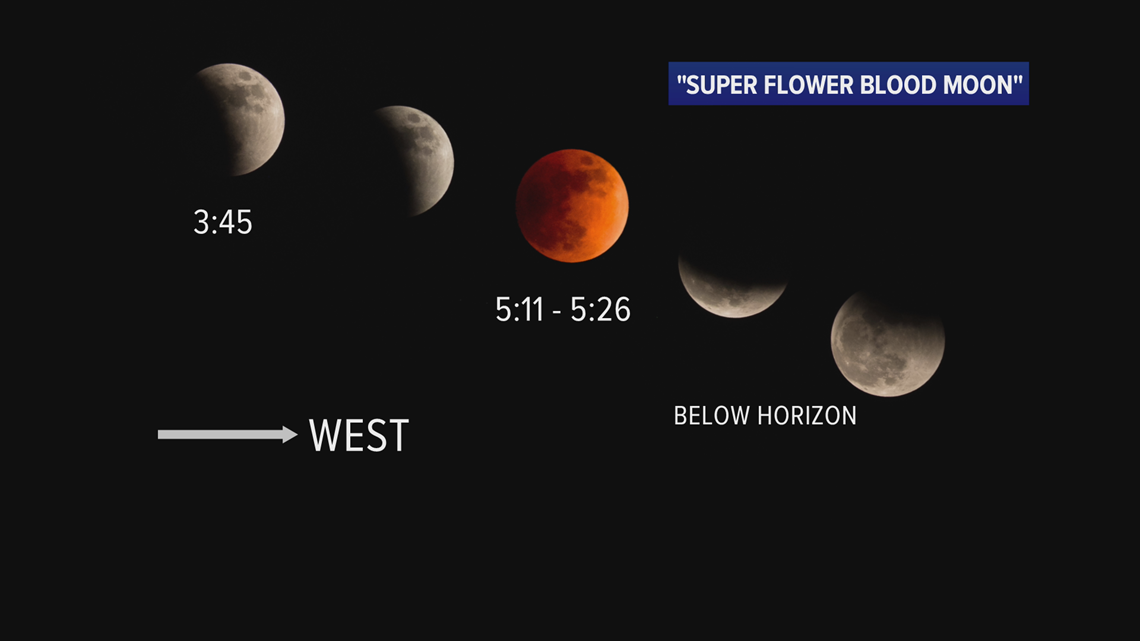
Tonight’s lunar eclipse will unfold in several distinct phases, each offering a unique visual experience. For viewers in Colorado, who primarily reside within the Mountain Time Zone (MT), precision in timing is crucial to catch every moment of this infrequent event. While exact timings can vary slightly depending on your precise location within the state, a general timeline can guide your viewing plans.
The Penumbral Eclipse will begin first, typically late in the evening. During this phase, the moon enters Earth’s fainter outer shadow (the penumbra). This initial stage is often subtle and challenging to detect with the naked eye, as the moon only slightly dims. However, keen observers with binoculars or telescopes might notice a very faint shading on the lunar surface.
Following the penumbral stage, the Partial Eclipse will commence, usually a little over an hour later. This is when the moon starts to enter the Earth’s darker inner shadow (the umbra). As the moon progresses deeper into the umbra, a noticeable dark “bite” will appear on its edge, gradually growing larger. This phase is much more dramatic and easily observed, even without optical aid, as more and more of the lunar disc becomes obscured.
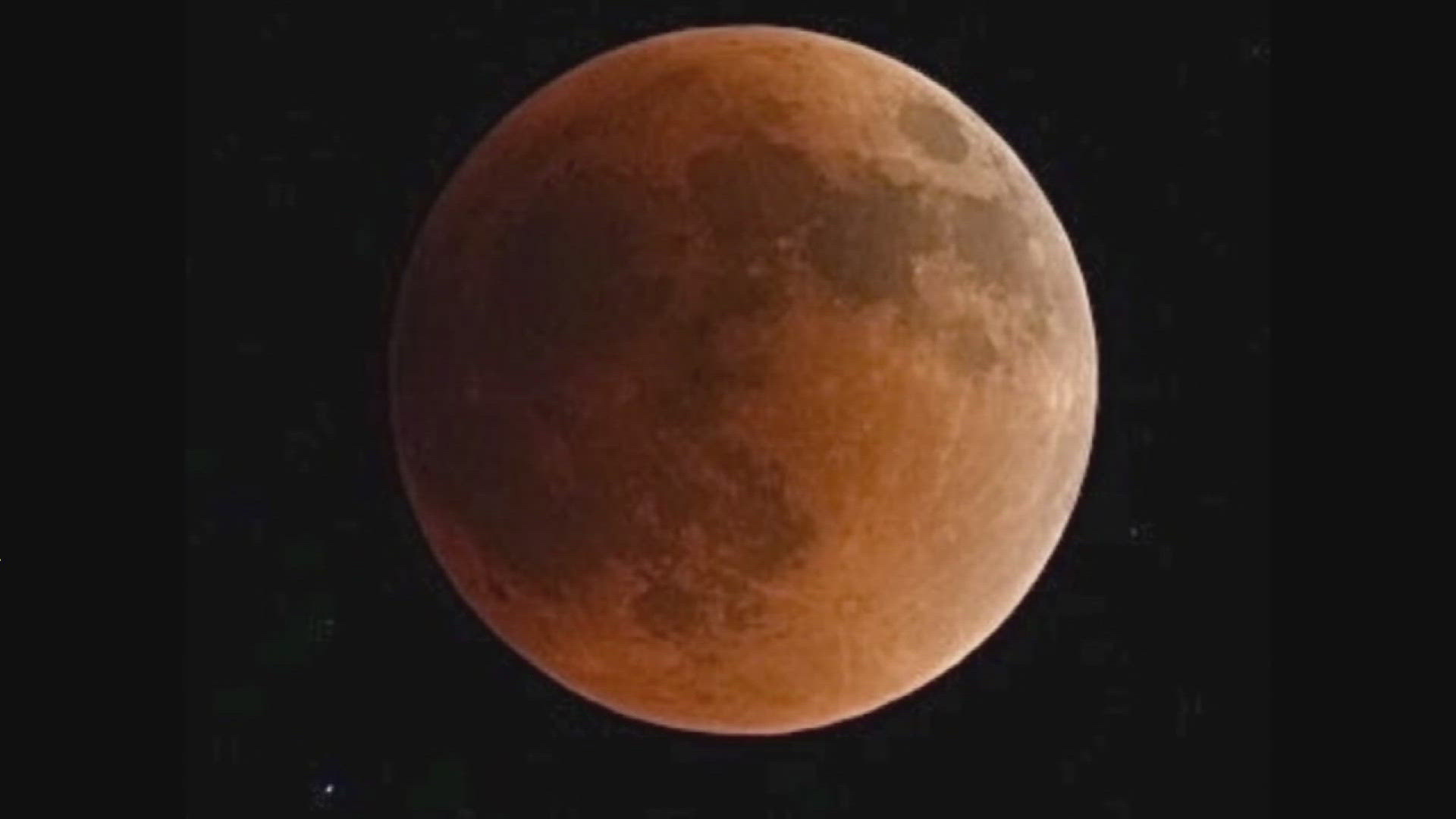
The most anticipated phase, the Total Eclipse, or “totality,” is expected to begin in the early morning hours, typically after midnight. This is when the entire moon is immersed in the Earth’s umbra, giving it its characteristic reddish or coppery glow. The exact shade of red can vary depending on atmospheric conditions, dust, and clouds on Earth, making each total lunar eclipse unique. The peak of totality, when the moon is deepest in the shadow, will occur mid-way through this phase. Viewers should plan to be outside and ready to observe during this window to experience the full grandeur of the Blood Moon.
Finally, the eclipse will proceed in reverse, with the Partial Eclipse phase resuming as the moon begins to exit the umbra, followed by the Penumbral Eclipse as it fully leaves the umbra, and then the moon returns to its full brightness. The entire event, from the start of the penumbral eclipse to its conclusion, can span several hours, offering a prolonged spectacle for those willing to brave the late hours. It is highly recommended to consult local astronomy club websites or reputable meteorological sources closer to the date for the most precise, minute-by-minute timings specific to your Colorado location, ensuring you don’t miss the peak of this stunning astronomical display.
Why Colorado is an Ideal Destination for Stargazing
Colorado stands out as an exceptional destination for stargazing, and by extension, for viewing tonight’s lunar eclipse, due to a confluence of natural advantages. Firstly, its high elevation means that observers are literally closer to the sky, looking through less of Earth’s dense atmosphere. This significantly reduces atmospheric distortion and absorption, leading to clearer, crisper views of celestial objects. Many of Colorado’s mountain towns and national parks sit at elevations well above 8,000 feet, providing an inherent advantage for astronomical observation.
Secondly, a substantial portion of Colorado benefits from remarkably low light pollution. While major metropolitan areas like Denver and Colorado Springs do experience urban glow, vast tracts of the state, particularly the western slope and southern regions, are designated as International Dark Sky Parks or Communities. These areas are dedicated to preserving the natural night sky, making them sanctuaries for stargazers. Places like Westcliffe and Crestone have actively pursued dark sky designations, implementing outdoor lighting ordinances to minimize light trespass and skyglow, thus offering truly pristine conditions for viewing.
Thirdly, Colorado’s diverse and accessible natural landscapes provide not just dark skies but also spectacular foregrounds for astrophotography. Imagine the Blood Moon rising over the rugged peaks of the Rocky Mountains or silhouetted against the colossal dunes of the Great Sand Dunes National Park and Preserve. These iconic natural landmarks enhance the visual splendor of any celestial event, transforming a simple viewing into an immersive, awe-inspiring experience. The dry climate also contributes to a higher number of clear nights compared to more humid regions, further increasing the chances of unobstructed views. This combination of altitude, darkness, and stunning scenery cements Colorado’s reputation as a premier destination for witnessing astronomical events and engaging in astrotourism.
Top Spots and Travel Tips for Lunar Eclipse Viewing in Colorado
To truly maximize your lunar eclipse viewing experience in Colorado, selecting the right location is paramount. Beyond simply finding a dark spot, considering accessibility, amenities, and the unique photographic opportunities each location offers can elevate your night out into an unforgettable adventure. Whether you prefer the solitude of a wilderness area or the convenience of a designated dark sky community, Colorado offers a multitude of options.
Iconic Colorado Landmarks for an Unforgettable View
Colorado’s landscape is dotted with natural and historical landmarks that not only provide spectacular backdrops but also boast excellent dark sky conditions. Here are a few prime locations to consider for tonight’s lunar eclipse:
-
Rocky Mountain National Park: As an International Dark Sky Park, Rocky Mountain National Park is arguably one of the best places in the United States for stargazing. Its high elevations, dramatic peaks, and vast expanses of wilderness ensure minimal light pollution. Popular viewing spots include Trail Ridge Road (weather permitting), Moraine Park, and Many Parks Curve. Imagine the red moon hanging above the snow-capped peaks – a truly majestic sight. Be sure to check park regulations for nighttime access and any necessary permits.
-
Great Sand Dunes National Park and Preserve: Another International Dark Sky Park, the Great Sand Dunes offer an incredibly unique viewing environment. The vast, treeless expanse of the dunes provides an unobstructed, 360-degree view of the sky. Lying on the sand under the eclipse is an otherworldly experience. The park often hosts ranger-led stargazing programs, which might be active during an eclipse event.
-
Garden of the Gods (near Colorado Springs): For those closer to urban areas but still seeking dramatic scenery, Garden of the Gods offers towering sandstone formations that create an incredible natural frame for the moon. While not as dark as the national parks, its unique geological features make for stunning astrophotography opportunities, especially if the moon aligns just right with the rock formations.
-
Dark Sky Communities (e.g., Westcliffe and Crestone): These small towns have proactively protected their night skies. Westcliffe, specifically, is a designated International Dark Sky Community, offering purpose-built observatories and public viewing areas. These communities provide a blend of excellent viewing conditions with local amenities, making them convenient for a dedicated astronomy trip.
-
State Parks and Wilderness Areas: Many Colorado State Parks, such as Staunton State Park or Golden Gate Canyon State Park, offer good dark sky conditions away from city lights. Similarly, any wilderness area in the western slope, away from towns like Grand Junction or Durango, will provide pristine viewing. Research specific park hours and overnight camping regulations if you plan an extended stay.
Essential Packing and Viewing Gear
Preparing adequately for a night of eclipse watching in Colorado is crucial, especially given the state’s often unpredictable and chilly nighttime mountain weather, even in warmer seasons.
- Warm Clothing and Layers: Even if the day is warm, temperatures can drop significantly at night, especially at higher elevations. Pack multiple layers, including a warm jacket, hat, gloves, and thermal underwear. Blankets or sleeping bags are also excellent for staying comfortable during prolonged viewing.
- Comfortable Seating: A portable chair or a blanket to lie on will make hours of skygazing much more enjoyable.
- Binoculars or Telescope (Optional but Recommended): While a lunar eclipse is visible with the naked eye, binoculars will enhance the view, revealing the moon’s surface details and the subtle color variations during totality. A telescope will offer an even more magnified and immersive experience.
- Red-Light Flashlight: White light can destroy your night vision, which takes about 20-30 minutes to adapt. A red-light flashlight (or a regular flashlight covered with red cellophane) allows you to see without compromising your ability to view faint celestial objects.
- Snacks and Hot Beverages: A thermos of coffee, tea, or hot chocolate can be a welcome comfort during the chilly early morning hours. Pack some snacks to keep your energy up.
- Navigation and Safety Gear: If you’re venturing into a remote area, ensure you have maps, a fully charged phone, and know the local conditions. Stay on marked trails and be aware of wildlife.
- Camera Gear (for Astrophotographers): A DSLR or mirrorless camera with a sturdy tripod and a telephoto lens (200-400mm) is ideal for capturing the eclipse. Don’t forget extra batteries, as cold weather can drain them quickly.
- Patience and Company: Stargazing is often best enjoyed with good company. Share the experience with friends or family, and allow plenty of time for your eyes to adjust to the dark.
By being well-prepared, you can fully immerse yourself in the natural wonder of tonight’s lunar eclipse, making it a truly memorable part of your Colorado adventure.
Enhancing Your Eclipse Experience: Accommodation and Lifestyle in Colorado
Beyond the actual viewing of the lunar eclipse, a trip to Colorado for such an event presents a fantastic opportunity to indulge in the state’s diverse travel, accommodation, and lifestyle offerings. Planning your stay around the eclipse can transform a single night of stargazing into a comprehensive vacation, blending cosmic wonder with earthly comforts and adventures. From luxurious resorts to rustic cabins, and from vibrant city explorations to serene mountain retreats, Colorado has something for every traveler.
Choosing the Right Stay: Hotels, Resorts, and Unique Accommodations
Selecting the perfect accommodation is key to a comfortable and enriching eclipse-chasing trip. Colorado offers an array of options that cater to different preferences and budgets, many of which are ideally situated for astronomical observation.
For those seeking luxury and convenience, world-class hotels and resorts in and around prime viewing areas are excellent choices. Consider properties like The Broadmoor in Colorado Springs, which offers opulent amenities and is relatively close to darker sky areas, or the Four Seasons Hotel Denver, providing a sophisticated urban base from which to venture out. Many high-end mountain resorts in towns like Aspen or Vail boast private balconies or secluded grounds that could offer decent sky views, depending on their elevation and surrounding light. Some even offer specific “astronomy packages” or guided stargazing tours, enhancing the experience.
For a more immersive natural experience, consider staying in a cozy mountain cabin or a vacation rental. Websites specializing in accommodation booking often feature properties in more remote areas, providing excellent dark sky access right from your doorstep. Imagine stepping out onto your cabin porch, hot cocoa in hand, to witness the moon’s transformation without having to drive anywhere. Many of these rentals come with fully equipped kitchens, allowing you to prepare your own snacks and hot drinks for the chilly night.
Glamping options have also become popular in Colorado, combining the adventure of camping with the comforts of a hotel. Many glamping sites are located in naturally dark areas, offering luxurious tents or yurts with amenities that make late-night viewing both comfortable and stylish. This is a fantastic middle-ground for those who want to feel close to nature without roughing it.
When booking, especially for a specific event like a lunar eclipse, it’s wise to reserve well in advance, as popular locations can fill up quickly. Look for hotels or rentals that explicitly mention dark sky access, mountain views, or balconies. Checking reviews and comparisons from previous guests can also provide insights into the quality of nighttime views from a particular property. Some accommodations may even offer late checkout options or breakfast services tailored to eclipse viewers, recognizing the unusual viewing hours.
Beyond the Eclipse: Exploring Colorado’s Daytime Wonders
While the lunar eclipse might be the primary draw, a trip to Colorado offers an abundance of daytime attractions and activities that perfectly complement your stargazing adventure. Integrating these experiences turns a single-night event into a fulfilling journey that captures the essence of Colorado tourism and lifestyle.
Adventure and Nature: Spend your days exploring Colorado’s renowned natural beauty. Hike through the stunning trails of Rocky Mountain National Park, where alpine lakes, wildflowers, and wildlife abound. In winter, world-class ski resorts like Aspen, Vail, and Breckenridge offer exhilarating slopes. For a unique geological experience, visit Garden of the Gods or drive along the scenic Peak to Peak Highway, offering breathtaking views of the Continental Divide. Relaxation awaits at the historic hot springs in Glenwood Springs, perfect for unwinding after a night of celestial observation.
Culture and City Exploration: Colorado’s vibrant cities offer a rich cultural tapestry. In Denver, explore diverse neighborhoods, world-class museums, art galleries, and an acclaimed culinary scene. Visit the Denver Art Museum or stroll through LoDo (Lower Downtown) with its historic architecture and bustling nightlife. Boulder, nestled against the Flatirons, offers a laid-back, health-conscious vibe with excellent hiking trails, a vibrant downtown Pearl Street Mall, and numerous craft breweries. Colorado Springs provides access to the U.S. Air Force Academy and Pikes Peak, often called “America’s Mountain.”
Local Flavors and Craft Scene: Don’t miss the opportunity to savor Colorado’s local culture through its food and drink. The state is a mecca for craft breweries, distilleries, and wineries. Explore farm-to-table restaurants that showcase local produce, or visit a charming coffee shop in a mountain town. Many towns host farmers’ markets, offering a taste of Colorado’s agricultural bounty and artisanal crafts.
By combining the thrill of tonight’s lunar eclipse with Colorado’s myriad attractions, you can craft a travel experience that is both enlightening and deeply satisfying. This approach transforms a singular celestial event into a holistic journey, celebrating both the wonders of the universe and the unique charm of the Centennial State.
Tonight’s lunar eclipse in Colorado presents a truly exceptional opportunity to connect with the cosmos. From the careful timing required to witness each phase of the moon’s transformation to the strategic selection of a dark sky viewing location, every detail contributes to an unforgettable experience. Colorado’s natural advantages, including its high elevation, minimal light pollution, and stunning landscapes, position it as one of the premier destinations for astrotourism in the United States. Beyond the immediate spectacle, this celestial event serves as a gateway to exploring the broader travel, accommodation, and lifestyle offerings that make Colorado such a beloved destination. Whether you opt for a luxurious resort stay, a rustic cabin retreat, or a vibrant city exploration, integrating your eclipse-chasing plans with the state’s diverse attractions promises a trip filled with wonder and adventure. So, bundle up, find your perfect spot, and prepare to be mesmerized by the magnificent Blood Moon illuminating the Colorado night sky. Remember to check local forecasts and astronomy resources for the most up-to-date timings and conditions to ensure you make the most of this spectacular cosmic display.
LifeOutOfTheBox is a participant in the Amazon Services LLC Associates Program, an affiliate advertising program designed to provide a means for sites to earn advertising fees by advertising and linking to Amazon.com. Amazon, the Amazon logo, AmazonSupply, and the AmazonSupply logo are trademarks of Amazon.com, Inc. or its affiliates. As an Amazon Associate we earn affiliate commissions from qualifying purchases.