
Colorado, often called the “Centennial State,” is renowned for its breathtaking landscapes, from the majestic peaks of the Rocky Mountains to the sweeping vistas of its Eastern Plains. This geographical diversity is precisely what makes predicting its weather both fascinating and, at times, challenging. For travelers planning a visit, understanding Colorado’s climate is paramount to ensuring a memorable and comfortable experience. The state truly embodies the concept of “four seasons in one day,” especially in its mountain regions, and its weather patterns directly influence everything from outdoor activities and packing choices to the availability and pricing of accommodation options. Whether you’re seeking a luxurious ski resort stay, a budget-friendly hiking adventure, or a family trip exploring natural landmarks, a grasp of the local weather is your best guide.
Understanding Colorado’s Diverse Climates
Colorado’s weather is characterized by its high altitude, inland location, and significant topographical variations. While much of the state enjoys abundant sunshine – averaging over 300 sunny days a year – temperatures can fluctuate dramatically within a single day, especially in the spring and fall. The climate generally ranges from semi-arid to alpine, with distinct regional differences that can feel like entirely different worlds within a few hours’ drive. This complexity is why generalizations about “Colorado’s weather” are often misleading; it’s always best to delve into the specific region you plan to visit.
The Impact of Elevation and Geography
The most significant factor influencing Colorado’s climate is its elevation. The state boasts more than 50 mountain peaks exceeding 14,000 feet, known locally as Fourteeners, and the average elevation is around 6,800 feet above sea level. For every 1,000 feet gained in altitude, temperatures typically drop by about 3.5 degrees Fahrenheit. This means that while Denver (elevation ~5,280 feet) might be experiencing pleasant 70-degree weather, a mountain town like Aspen (elevation ~8,000 feet) or a pass near Rocky Mountain National Park (reaching over 12,000 feet) could be significantly cooler, even experiencing snow in late spring or early fall.
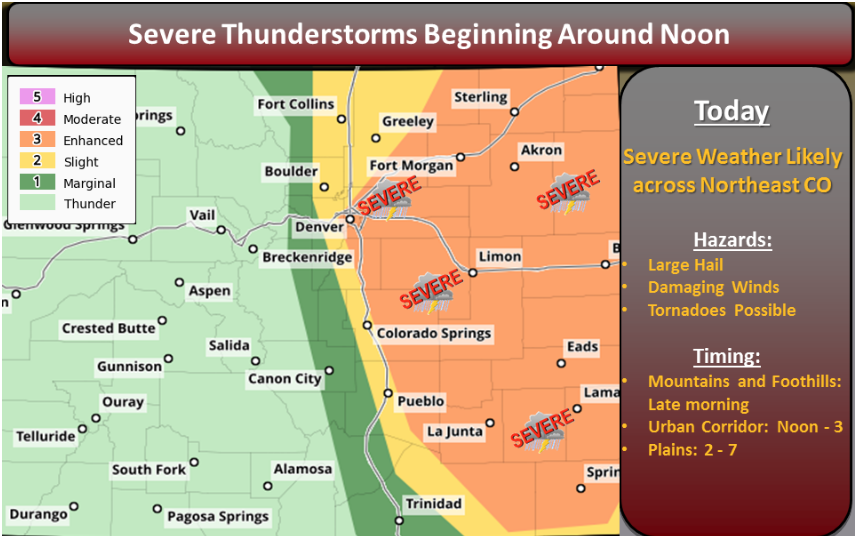
The Continental Divide, which runs through the heart of the state, also plays a crucial role. It separates Colorado’s weather systems, with the western slope generally receiving more moisture in the form of snow due to pacific storms, while the Front Range and Eastern Plains often experience dryer conditions, though they are susceptible to intense thunderstorms and hail in summer. This geographical divide dictates everything from where the best powder can be found for skiing to which areas are prime for summer rafting excursions.
Regional Weather Variations
- Front Range Urban Corridor (e.g., Denver, Boulder, Colorado Springs, Fort Collins): This heavily populated region experiences a semi-arid continental climate. Summers are warm and dry, with average daytime temperatures in the 80s (Fahrenheit), though afternoon thunderstorms are common. Winters are generally mild compared to other northern states, with average highs in the 40s (Fahrenheit) and periods of snow followed by rapid melting due to strong sunshine. The notorious “Chinook” winds can bring sudden temperature spikes in winter.
- Rocky Mountains (e.g., Aspen, Vail, Breckenridge): Mountain weather is dramatically different. Winters are long, cold, and snowy, perfect for world-class ski resorts. Snowfall can reach hundreds of inches annually at higher elevations, and temperatures often hover in the teens and 20s (Fahrenheit). Summers are short, cool, and pleasant, with daytime temperatures in the 60s and 70s, though afternoon showers are frequent, and nighttime lows can dip into the 40s or even 30s. Thunderstorms in the mountains can be intense and develop quickly.
- Eastern Plains: This flat, agricultural region has a more extreme continental climate. Summers are hot, with temperatures often exceeding 90 degrees Fahrenheit, and can be prone to severe thunderstorms and tornadoes. Winters are cold and windy, with moderate snowfall, but also periods of frigid Arctic air masses.
- Western Slope (e.g., Grand Junction, Durango): Characterized by desert and high-desert landscapes, this region is generally drier and warmer than the Front Range. Grand Junction can experience hot summers in the 90s and even 100s (Fahrenheit), while winters are milder with less snow than the mountains, though still chilly. The climate here is more akin to Utah or Arizona, influencing its unique tourism appeal with vineyards, fruit orchards, and dramatic red rock formations.
Seasonal Adventures: Navigating Colorado’s Year-Round Charm
Colorado’s distinct seasons each offer unique experiences, making it a year-round destination for various types of travel. Understanding these seasonal patterns is key to planning activities, booking appropriate accommodation, and packing wisely.
Spring’s Unpredictable Beauty
Spring (March to May) in Colorado is a period of transition and often wild unpredictability. While the Front Range begins to thaw and bloom, the mountains are still firmly in winter’s grip, often experiencing their heaviest snowfall in March and April. Days can swing from warm and sunny to sudden snowstorms, making it challenging but exciting for outdoor enthusiasts. This is an excellent time for spring skiing at resorts like Breckenridge Ski Resort or Keystone Resort, which often stay open well into April or even May. For those seeking tourism experiences in the cities, spring brings fewer crowds than summer, and the milder temperatures are perfect for exploring Denver’s neighborhoods or visiting Garden of the Gods in Colorado Springs before the summer heat arrives. However, always check road conditions for mountain passes, as some may still be closed or experience temporary closures due to late-season snow.
Summer: Sunshine, Storms, and High-Altitude Escapes

Summer (June to August) is peak season for Colorado travel as visitors flock to enjoy hiking, mountain biking, white-water rafting, and exploring national parks. The weather is generally warm and sunny across the state. In the Front Range cities, average daytime temperatures are in the 80s (Fahrenheit), while mountain towns like Telluride or Steamboat Springs enjoy pleasant 70s. However, afternoon thunderstorms are a common occurrence, especially in the mountains. These storms can develop quickly, bringing heavy rain, lightning, and even hail. Hikers and climbers tackling Fourteeners must start early to descend before these afternoon weather events. The warm weather also drives demand for accommodation in popular mountain destinations, so booking hotels, resorts, or villas well in advance is highly recommended for summer trips. It’s also an ideal time to visit high-altitude landmarks like Pikes Peak or explore the backcountry of Rocky Mountain National Park.
Autumn’s Golden Splendor
Fall (September to November) is arguably one of the most beautiful times to visit Colorado. The air is crisp, skies are often clear, and the aspen trees turn brilliant shades of gold and orange, particularly in late September to early October. Temperatures are mild, with warm days and cool, crisp nights. The Front Range cities often experience an “Indian Summer,” with lingering pleasant weather. However, the first snowfalls in the mountains can begin as early as late September, with significant accumulation by November, signaling the start of ski season preparations. This is a fantastic time for scenic drives, hiking amidst the changing leaves, and enjoying outdoor festivals. Accommodation prices in the mountains tend to dip between the summer and winter seasons, offering a great value for those seeking a more serene lifestyle experience. Before heading into higher elevations, always check the weather forecast, as conditions can shift rapidly from beautiful sunshine to winter-like within hours.
Winter Wonderland: Snow Sports and Cozy Retreats
Winter (December to February) transforms Colorado into a snowy paradise, attracting skiers, snowboarders, and winter sports enthusiasts from around the globe. Mountain areas receive abundant snowfall, creating world-class conditions at resorts like Vail Ski Resort and Aspen Snowmass. Temperatures in the mountains are consistently cold, often in the teens and 20s (Fahrenheit), while cities like Denver experience colder temperatures but typically less consistent snow cover. Snowstorms can be intense, sometimes closing mountain passes and impacting travel plans, particularly around major holidays. Despite the cold, the abundant sunshine often makes winter days feel quite pleasant. Tourism focuses heavily on ski resorts and cozy mountain hotels with fireplaces and hot tubs. Demand for accommodation is at its peak during holiday periods and throughout the ski season, so advanced booking is essential for luxury travel or even more budget travel options. Beyond skiing, winter offers opportunities for snowshoeing, ice skating, and enjoying the festive atmosphere in mountain towns.
Planning Your Trip: Weather-Wise Travel Tips
Considering Colorado’s dynamic weather patterns is crucial for any successful trip. With a little preparation, you can enjoy the state’s incredible destinations regardless of the season.
Packing Essentials for Every Season
The golden rule for packing for Colorado is layers. Even in summer, mountain nights can be chilly, and afternoon thunderstorms might warrant a waterproof jacket.
- Summer: Lightweight, breathable clothing; a light jacket or fleece for evenings; rain jacket; sturdy hiking shoes; wide-brimmed hat; sunscreen and sunglasses (UV radiation is much stronger at altitude).
- Winter: Warm, waterproof outer layers (jacket and pants); thermal base layers; fleece mid-layers; waterproof gloves/mittens; warm hat; insulated, waterproof boots; gaiters for deep snow.
- Spring/Fall: The trickiest. Be prepared for anything. Pack layers that can be added or removed easily, including a warm jacket, waterproof shell, and both light and heavier clothing options.
- Year-round: Hydration is key at altitude. Bring a reusable water bottle. Also, carry a small backpack for daily essentials, snacks, and extra layers.
Accommodation Choices and Seasonal Demand
The type of accommodation you choose and its availability are highly dependent on the season and prevailing weather.
- Winter: Ski-in/ski-out resorts and hotels in mountain towns like Vail, Aspen, or Breckenridge are in high demand and command premium prices. Many offer amenities like heated pools, hot tubs, and ski valet services, catering to a luxury travel lifestyle. Booking several months in advance is essential.
- Summer: Mountain towns remain popular for hiking and outdoor activities, so hotels and apartments near trailheads or national parks fill up quickly. Urban hotels in Denver or Colorado Springs see steady demand from tourists exploring city attractions and day trips.
- Shoulder Seasons (Spring/Fall): These are often the best times to find deals on accommodation and avoid crowds, particularly in mountain areas. Many resorts offer attractive packages, making it an ideal time for budget travel or family trips. Always check opening and closing dates for seasonal businesses and attractions during these transition periods.
Maximizing Your Colorado Experience
- Check Forecasts Regularly: Don’t just check the general state forecast; look up the specific weather for your exact destination and elevation. Mountain weather can change rapidly.
- Be Flexible: Especially in spring and fall, having a backup plan for indoor activities or a change of scenery (e.g., heading to a lower elevation if a mountain pass is closed) can save your trip.
- Acclimatize to Altitude: Colorado’s high altitude can affect visitors. Stay hydrated, avoid excessive alcohol on arrival, and take it easy for the first day or two, especially if you’re planning strenuous activities in places like Rocky Mountain National Park or Great Sand Dunes National Park and Preserve.
- Road Conditions: For mountain travel, especially outside of summer, always check cotrip.org for real-time road conditions and closures. Some high mountain passes, like Trail Ridge Road in Rocky Mountain National Park, are typically closed from October to May or June.
In conclusion, Colorado’s weather is as dynamic and captivating as its landscape. While it demands respect and preparation, understanding its unique characteristics unlocks a world of unparalleled travel experiences, from adventurous mountain treks to serene lifestyle retreats. By planning smart and embracing the varied conditions, you’re guaranteed to have an incredible time in this beautiful state.
LifeOutOfTheBox is a participant in the Amazon Services LLC Associates Program, an affiliate advertising program designed to provide a means for sites to earn advertising fees by advertising and linking to Amazon.com. Amazon, the Amazon logo, AmazonSupply, and the AmazonSupply logo are trademarks of Amazon.com, Inc. or its affiliates. As an Amazon Associate we earn affiliate commissions from qualifying purchases.