
The crisp, thin air of the Rocky Mountains and the anticipation of fresh powder are telltale signs that ski season in Colorado is on the horizon. For avid skiers and snowboarders worldwide, the question “When does ski season start in Colorado?” is more than just a date; it’s the gateway to planning an unforgettable winter escape. Colorado is renowned globally for its world-class ski resorts, legendary snowfall, and vibrant mountain towns, making it a premier destination for winter sports enthusiasts.
While there isn’t a single, fixed date that marks the grand opening of ski season across all of Colorado, a general window exists, typically spanning from late October through early December. The exact timing can fluctuate year to year, heavily influenced by natural snowfall, prevailing temperatures for snowmaking, and the operational readiness of each resort. Understanding these nuances is key to timing your visit perfectly, ensuring you hit the slopes when conditions are at their best and the atmosphere is electric. This comprehensive guide will delve into the typical opening timelines, highlight what influences these dates, and offer invaluable tips for planning your ultimate Colorado ski adventure.
Understanding the Earliest Openings: A Race Against Time and Snow
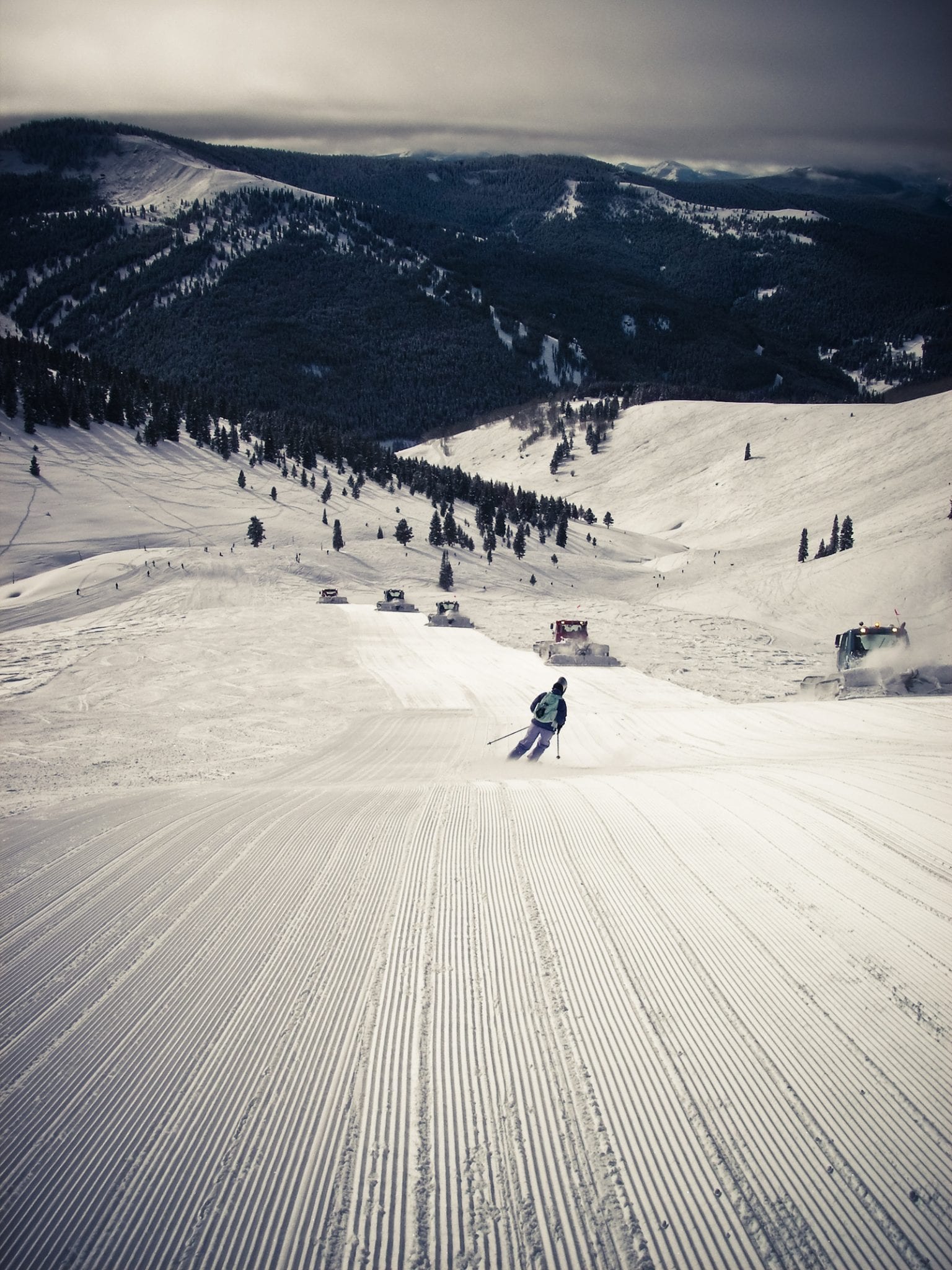
The start of ski season in Colorado is often a friendly competition among resorts to be the first to drop their ropes. This early season excitement is driven by a combination of high elevation, strategic investments in snowmaking technology, and consistent cold temperatures.
The Pioneer Resorts: Often First to Open
Certain resorts consistently vie for the title of “first to open” in Colorado, often welcoming skiers and snowboarders as early as late October or the very first days of November. These trailblazers typically include:
- Arapahoe Basin Ski Area: Affectionately known as “A-Basin,” this high-altitude gem often kicks off the season. Its lofty elevation ensures colder temperatures conducive to natural snowfall and efficient snowmaking. Arapahoe Basin Ski Area boasts one of the longest seasons in Colorado, often staying open well into June or even July.
- Loveland Ski Area: Nestled just off I-70 on the Front Range, Loveland Ski Area is another strong contender for early openings. Its location and reliable snowmaking capabilities allow it to prepare a base of snow for eager skiers quickly.
- Keystone: While often opening a bit later than A-Basin or Loveland Ski Area, Keystone frequently opens its terrain by the first or second week of November. Keystone is known for its extensive night skiing and family-friendly atmosphere, making it a popular early-season choice, especially for those looking to get their first turns under the lights.
These resorts benefit from their geographic advantages, primarily their high base elevations, which lead to colder temperatures that preserve natural snow and optimize machine-made snow production. Early season openings typically feature limited terrain, often just a few runs served by one or two lifts, but the excitement of being back on snow is palpable.
Factors Influencing Opening Dates
Several critical factors determine when a ski resort can realistically open its doors for the season:
- Natural Snowfall: While snowmaking is crucial for early openings, a substantial natural snowfall provides the ideal base and helps resorts open more terrain sooner. A strong storm cycle in October can significantly expedite opening dates.
- Temperature: Consistent freezing temperatures (below 32°F or 0°C) are essential for effective snowmaking. Resorts need sustained cold spells to build up a sufficient snow base on their initial runs. Even if there’s natural snow, warm temperatures can melt it away or prevent snowmaking.
- Resort Preparations: Beyond snow, resorts need to ensure lifts are inspected, staff is hired and trained, restaurants and retail shops are stocked, and safety protocols are in place. This logistical undertaking requires weeks of preparation, regardless of snow conditions.
- Economic Considerations: Resorts also weigh the cost of opening versus projected revenue. Opening too early with minimal terrain might not be economically viable if crowds are sparse, though the marketing advantage of being first can be significant.
Mid-November to Early December: The Grand Opening Spree
As November progresses, the majority of Colorado’s world-famous ski resorts spring into action, transforming the mountain landscapes into bustling winter playgrounds. This period marks the true beginning of the ski season for most destinations.
Major Resorts Join the Fray
By mid-November, and especially leading up to the Thanksgiving holiday, a significant wave of major resorts open their gates, offering increasingly varied terrain and amenities. This is when the heart of the Colorado ski season truly begins to pulse. Prominent resorts that typically open during this window include:
- Breckenridge: One of North America’s most popular resorts, Breckenridge usually aims for mid-November openings. Its charming historic town and vast, diverse terrain draw huge crowds from day one.
- Vail: Often considered the flagship of Colorado skiing, Vail typically opens around the third week of November. Its vast Back Bowls and extensive European-style village offer an unparalleled experience, even in the early season.
- Copper Mountain: Known for its naturally divided terrain, Copper Mountain also targets a mid-November opening. It’s a favorite for families and boasts excellent terrain parks.
- Winter Park: Accessible from Denver via the scenic Winter Park Express train, this resort typically opens its slopes in mid-November, offering a fantastic mix of terrain for all skill levels.
- Eldora Mountain Resort: The closest major ski area to Boulder and easily accessible from Denver, Eldora Mountain Resort is another strong mid-November opener, providing a convenient option for Front Range residents.
During this period, visitors can expect more runs and lifts to be operational compared to the very earliest openings. While conditions are still building, there’s usually enough variety to enjoy a solid day of skiing or snowboarding. The atmosphere is festive, with resorts hosting opening day celebrations and events.
Planning for Holiday Skiing
The period from Thanksgiving through the New Year is one of the busiest and most sought-after times to visit Colorado’s ski resorts. By this point, most resorts are fully or largely open, offering a wide array of runs and services.
- Thanksgiving: Many families choose to celebrate Thanksgiving on the slopes, making this a peak travel time. It’s a fantastic way to kick off the holiday season, but requires early booking for flights, accommodation, and even lift tickets.
- Christmas and New Year’s: The ultimate holiday ski experience, but also the most crowded and expensive. Resorts are typically at 100% capacity, and the festive atmosphere is unmatched. Expect vibrant village decorations, special events, and perhaps a sighting of Santa on skis! If planning a trip during these dates, it is absolutely essential to book everything months in advance to secure desirable hotels, suites, or resort accommodations, and to ensure you have lift access, especially with systems like the Epic Pass and Ikon Pass that can sometimes implement reservation requirements during peak periods.
Late December and Beyond: Full Swing into Winter Wonderland
By late December, following the initial rush, Colorado’s ski season is in full swing, offering the best conditions, fullest terrain, and a vibrant cultural experience across the state. This is when the true magic of a Colorado winter unfolds.
Iconic Destinations Fully Open
As the calendar turns from November to December, nearly all of Colorado’s world-renowned ski areas are fully operational, or very close to it. This period sees the opening of some of the most iconic and luxurious destinations:
- Aspen Snowmass: Comprising four distinct mountains – Aspen Mountain (Ajax), Snowmass, Aspen Highlands, and Buttermilk – Aspen Snowmass offers unparalleled luxury and diverse skiing. The mountains typically open progressively through December, with all four usually fully operational by mid-month. Aspen is not just about skiing; it’s a lifestyle, with high-end boutiques, gourmet dining, and a sophisticated aprés-ski scene.
- Telluride Ski Resort: Tucked away in a stunning box canyon in the San Juan Mountains, Telluride Ski Resort offers breathtaking scenery and some of the best expert terrain in North America. Its charming historic town, linked to the ski area by a free gondola, typically sees full operations by mid-December, providing a unique blend of adventure and elegance.
- Steamboat Springs: Famous for its “Champagne Powder®,” Steamboat Springs usually aims for an opening around Thanksgiving, but its full terrain and legendary glades really shine by late December. The western heritage of Steamboat Springs adds a distinct flavor to the ski experience.
- Crested Butte Mountain Resort: Known for its extreme terrain and authentic ski town vibe, Crested Butte Mountain Resort also typically rolls out its full offerings in December. It’s a destination for those seeking a more rugged, less commercialized experience.
- Wolf Creek Ski Area: Often boasting the most natural snowfall in Colorado, Wolf Creek Ski Area frequently opens early, sometimes in October, but by late December, its abundant powder fields are usually in prime condition, drawing deep-powder enthusiasts.
This period is characterized by consistently good snow conditions, colder temperatures, and the full range of amenities and activities available across all resorts. The vibrant atmosphere extends beyond the slopes, with mountain towns bustling with holiday cheer, local culture, and a myriad of dining and entertainment options.
Why Consider Mid-Season (January/February)?
While the holiday season is undeniably festive, savvy travelers often consider visiting Colorado in January or February. This “mid-season” period offers several compelling advantages:
- Consistent Snowfall: Historically, January and February are Colorado’s snowiest months. This means deeper bases, more frequent powder days, and access to all terrain, including advanced glades and bowls that might be sparse earlier in the season.
- Fewer Crowds: After the New Year’s rush, crowds typically thin out considerably, especially on weekdays. This translates to shorter lift lines, more open space on the slopes, and a more relaxed experience in mountain villages.
- Better Deals: Post-holiday, many resorts and accommodation providers offer more competitive pricing on hotels, suites, and ski packages. Flights into Denver International Airport or regional airports like Eagle County Regional Airport (for Vail and Beaver Creek) and Aspen/Pitkin County Airport (for Aspen) can also be more affordable. This is an excellent time for those seeking a balance between quality conditions and budget travel.
- Optimal Conditions: The combination of cold temperatures and deep snowpack creates ideal conditions for all types of skiing, from carving on groomers to navigating challenging backcountry terrain.
March also offers excellent skiing, often with more sunshine and softer spring-like conditions, making it another popular choice for those who prefer warmer days on the slopes. However, for traditional “winter wonderland” experiences and consistent powder, January and February reign supreme.
Crafting Your Colorado Ski Adventure: Beyond the Slopes
A Colorado ski trip is far more than just hitting the slopes; it’s an immersive travel experience that blends thrilling outdoor adventure with luxurious relaxation, vibrant local culture, and memorable family trips. Planning the logistics carefully ensures a seamless and enjoyable vacation.
Accommodation: Your Home Away From Home
Choosing the right accommodation is paramount to your Colorado ski trip, impacting both your convenience and overall experience. Colorado offers a spectrum of lodging options to suit every preference and budget:
- Ski-in/Ski-out Resorts: For ultimate convenience, consider properties located directly on the slopes. These luxury resorts and apartments offer unparalleled access, allowing you to click into your skis right outside your door. Examples include properties in Vail Village or Beaver Creek’s base area.
- Luxury Hotels and Villas: Destinations like Aspen and Vail boast world-class luxury hotels such as The Ritz-Carlton, Bachelor Gulch, Hotel Jerome, Auberge Resorts Collection in Aspen, or Limelight Hotel Aspen. These properties offer exceptional amenities, including fine dining, spa services, and concierge assistance. For larger groups or extended stays, booking a private villa or spacious apartment can provide a sense of home and privacy.
- Cozy Cabins and Condos: For a more intimate or budget-friendly option, consider renting a cabin or condominium in nearby towns. Many offer shuttle services to the ski lifts and provide amenities like fully equipped kitchens, hot tubs, and fireplaces, perfect for family trips or group vacations.
- Budget-Friendly Options: Even in popular ski regions, you can find more economical hotels or motels in towns slightly further from the main resort base. Look at towns like Frisco, Silverthorne, or Idaho Springs for access to Summit County resorts, or Grand Junction for western Colorado resorts, which often offer better value while still providing comfortable amenities.
Booking Tips: Always book your accommodation as far in advance as possible, especially if traveling during peak times like holidays or major school breaks. Use comparison websites, but also check resort-specific lodging pages for package deals. Consider what amenities are important to you: a hot tub for soothing sore muscles, proximity to dining and nightlife, or childcare services for family-friendly convenience.
Travel and Logistics: Getting There and Around
Navigating Colorado’s mountainous terrain requires some planning:
- Airports:
- Denver International Airport (DEN): The primary gateway for most international and domestic travelers. From Denver, you can drive, take a shuttle service, or use the Winter Park Express train to reach many resorts.
- Eagle County Regional Airport (EGE): Convenient for direct access to Vail and Beaver Creek.
- Aspen/Pitkin County Airport (ASE): Ideal for direct access to Aspen Snowmass, though flights can be more expensive.
- Montrose Regional Airport (MTJ): The closest major airport for Telluride and Crested Butte.
- Ground Transportation:
- Rental Cars: Recommended for flexibility, especially if you plan to visit multiple resorts or explore different towns. Crucially, ensure your rental car has all-wheel drive (AWD) or four-wheel drive (4WD) and proper winter tires (or chains) as mountain passes can be challenging and legally require them during winter storms.
- Shuttle Services: Numerous companies offer shared or private shuttles from Denver International Airport to all major ski resorts. This is a hassle-free option if you prefer not to drive.
- Public Transportation: Many resort towns offer free intra-town shuttle services, reducing the need for a car once you arrive. The Bustang service also connects major cities like Denver and Colorado Springs to mountain communities.
- Mountain Driving Conditions: Be prepared for rapidly changing weather conditions. Check road closures and chain laws (especially on I-70’s mountain corridor) before you set out.
Embracing Colorado’s Winter Lifestyle and Culture
Colorado offers much more than just skiing and snowboarding. The mountain towns themselves are destinations, each with its unique charm and a vibrant winter lifestyle.
- Dining and Aprés-Ski: From casual slope-side eateries to Michelin-starred restaurants, Colorado’s ski towns boast diverse culinary scenes. The aprés-ski tradition – enjoying drinks and appetizers immediately after skiing – is a beloved part of the experience, with lively bars and patios offering a celebratory atmosphere.
- Shopping and Entertainment: Explore local boutiques, art galleries, and gear shops. Many towns host live music, festivals, and cultural events throughout the winter.
- Other Winter Activities: For days off the slopes, or for non-skiers in your group, options abound:
- Snowshoeing and Cross-Country Skiing: Enjoy serene trails through pristine winter landscapes.
- Snowmobiling: Thrilling guided tours through backcountry areas.
- Ice Skating: Outdoor rinks in many resort villages, such as in Vail Valley or Breckenridge.
- Dog Sledding: A unique and memorable experience.
- Spa and Wellness: Indulge in massages, hot springs, and other relaxing treatments.
- Local Culture: Explore the historic mining town charm of Breckenridge or Telluride, visit museums, or simply enjoy people-watching in the bustling pedestrian villages.
Ultimately, the best time to ski in Colorado depends on your priorities, whether that’s being the first on the snow, avoiding crowds, securing the best deals, or experiencing peak powder conditions. However, with careful planning and an understanding of the typical opening timelines, you can guarantee a magnificent winter getaway that caters to every aspect of your travel lifestyle. So, start envisioning those majestic peaks, crisp mountain air, and exhilarating descents – your Colorado ski adventure awaits!
LifeOutOfTheBox is a participant in the Amazon Services LLC Associates Program, an affiliate advertising program designed to provide a means for sites to earn advertising fees by advertising and linking to Amazon.com. Amazon, the Amazon logo, AmazonSupply, and the AmazonSupply logo are trademarks of Amazon.com, Inc. or its affiliates. As an Amazon Associate we earn affiliate commissions from qualifying purchases.