
Nestled amidst the rugged, sun-drenched landscapes of the American Southwest, a profound journey back in time awaits travelers to Mesa Verde Colorado. More than just a dot on a map, Mesa Verde National Park is a UNESCO World Heritage Site, a living testament to the ingenuity and enduring spirit of the Ancestral Puebloans who inhabited this region for centuries. Its name, Spanish for “green table,” hints at the verdant mesas that rise sharply from the arid plains, concealing some of the most spectacular and well-preserved cliff dwellings in North America. For anyone with a passion for history, nature, and unparalleled cultural experiences, understanding its location and how to access this extraordinary landmark is the first step towards an unforgettable adventure.

The answer to “Where is Mesa Verde Colorado?” places you firmly in the southwestern corner of the state, deep within the Four Corners region. This unique geographical area is where the borders of Colorado, Utah, Arizona, and New Mexico meet, creating a diverse cultural and historical tapestry. Specifically, Mesa Verde National Park is situated in Montezuma County, a short drive from the small, welcoming towns of Cortez Colorado and Mancos Colorado, and about an hour’s drive west of the larger, more vibrant city of Durango Colorado. Its remote, yet accessible, location ensures a sense of discovery and profound connection to the past, making it a premier destination for those seeking a blend of adventure and deep historical immersion.
Unveiling the Ancient History and Unique Geography of Mesa Verde
The allure of Mesa Verde stems not just from its physical location, but from the incredible history etched into its canyons and mesas. This park serves as a monumental archive, preserving the archaeological heritage of the Ancestral Puebloans who made this challenging landscape their home for over 700 years, from approximately A.D. 600 to A.D. 1300. Their sophisticated societies and architectural prowess are nowhere more evident than in the hundreds of cliff dwellings that captivate visitors today.
The Ancestral Puebloans and Their Enduring Legacy
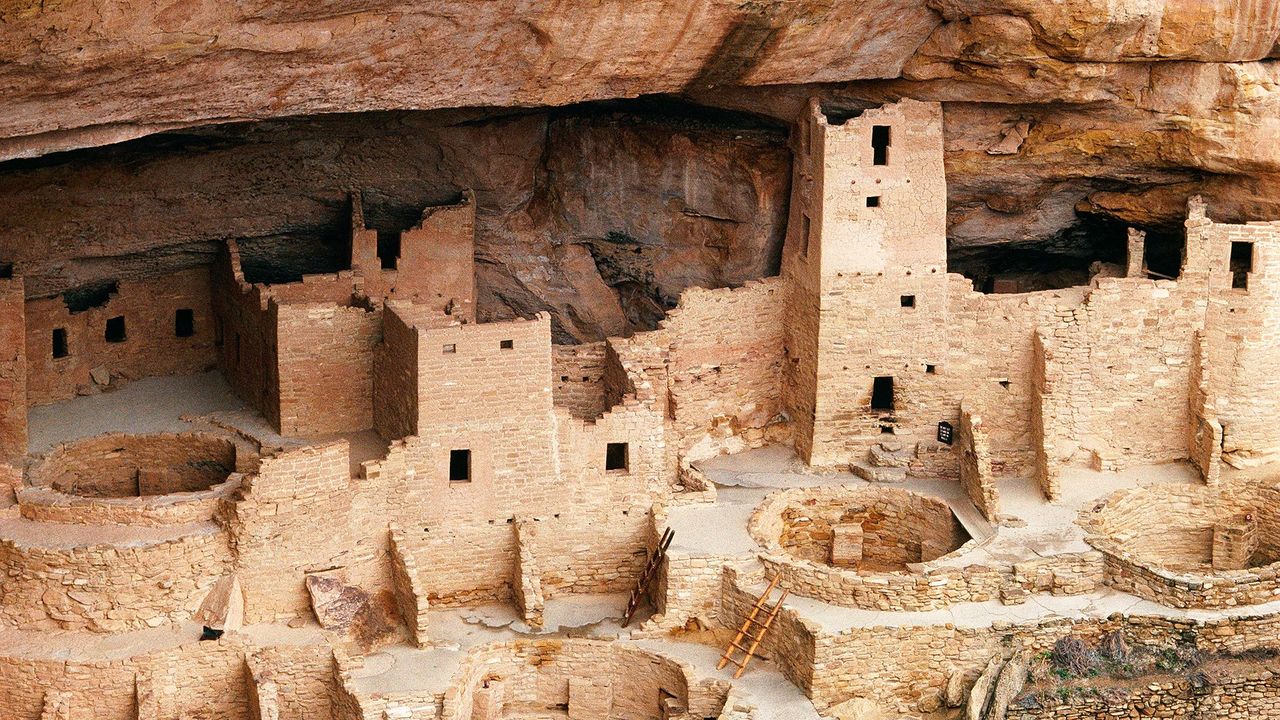
The story of Mesa Verde is the story of a resilient people who adapted brilliantly to their environment. Initially, the Ancestral Puebloans lived in pithouses on the mesa tops, cultivating corn, beans, and squash using dryland farming techniques. Over centuries, their architectural skills evolved dramatically, leading to the construction of remarkable multi-story stone villages built into the natural alcoves of the canyon walls. These structures, ranging from small storage rooms to expansive complexes with over 150 rooms, like the famed Cliff Palace, were masterpieces of engineering and design.
The exact reasons for the construction of these cliff dwellings, and the eventual migration of the Ancestral Puebloans from the area around A.D. 1300, remain subjects of archaeological study and speculation. Theories range from prolonged droughts and resource depletion to social or religious reasons. What is undeniable is the profound legacy they left behind – a testament to human ingenuity, community living, and an intimate understanding of their natural world. Visiting Mesa Verde offers a tangible connection to this ancient culture, inviting reflection on their daily lives, spiritual beliefs, and the challenges they faced. For travelers interested in local culture and history, it’s an unparalleled educational experience.
A Landscape Shaped by Time: Location and Environment
Geographically, Mesa Verde is situated on a high plateau that tilts gently to the south, part of the larger Colorado Plateau. The park’s distinct topography is characterized by deep, narrow canyons carved by erosion, separating broad, flat-topped mesas. It’s this unique mesa-and-canyon structure that provided the perfect canvas for the Ancestral Puebloans to build their iconic dwellings. The rock formations, primarily sandstone and shale, were naturally sculpted over millions of years, creating the massive alcoves that offered shelter and protection from the elements.
The park covers over 52,000 acres, dominated by pinyon-juniper woodlands, sagebrush, and various desert flora, providing a stark contrast to the verdant areas that give the mesa its “green” name. The climate is semi-arid, with hot, dry summers and cold, snowy winters. This challenging environment underscores the incredible adaptability of its ancient inhabitants. The elevation within the park ranges from about 6,000 feet to over 8,500 feet, which means visitors should be prepared for varying temperatures and potentially thinner air. Understanding this unique natural setting enhances the appreciation for both the ancient people and the ongoing efforts to preserve this remarkable landmark.
Planning Your Journey to Mesa Verde: Access and Accommodation
Embarking on a trip to Mesa Verde National Park requires thoughtful planning, especially concerning travel logistics and where to stay. Given its protected status and somewhat remote location, visitors should consider the best routes and lodging options to maximize their experience.
Getting There: Gateways and Road Trips
Access to Mesa Verde National Park is primarily by vehicle, as the park’s main entrance is located off U.S. Highway 160 between Cortez and Mancos.
For air travelers, several airports serve the Four Corners region:
- Durango-La Plata County Airport (DRO): Located about an hour and a half east of the park, DRO is the most convenient regional airport, offering flights from major hubs like Denver, Phoenix, and Dallas/Fort Worth.
- Grand Junction Regional Airport (GJT): Roughly a three-hour drive north, GJT provides another option for travelers from other parts of the country.
- Denver International Airport (DIA): For those looking for a scenic Colorado road trip, flying into DIA (approximately 6-7 hours drive) allows for an epic journey across the state, potentially including stops in the Rocky Mountains.
Many visitors also incorporate Mesa Verde into a larger Southwest road trip, driving from cities like Salt Lake City (6-7 hours), Phoenix (6-7 hours), or Las Vegas (8-9 hours). These longer drives offer stunning desert landscapes and the opportunity to visit other national parks and monuments along the way, making the journey an integral part of the travel experience. Renting a car is essential, as public transportation within the park and to the cliff dwellings is not available.
Where to Stay: Lodging Options Near the Park
While the primary focus of a trip to Mesa Verde is its ancient history, comfortable and convenient accommodation is key to a rewarding visit.

Inside the Park:
The only lodging option within Mesa Verde National Park is the Far View Lodge. Open from late spring to late fall, this lodge offers simple, comfortable rooms with breathtaking panoramic views, including vistas into New Mexico, Arizona, and Utah. Staying at Far View Lodge provides the advantage of being just a short drive from the major cliff dwellings on Chapin Mesa, allowing for early morning starts or late evening stargazing without a long drive back outside the park. For those seeking an immersive, convenient experience directly within the park’s natural beauty, booking well in advance is highly recommended due to limited availability.
Outside the Park:
The nearby towns offer a wider range of accommodation options to suit various budgets and travel styles:
- Cortez Colorado: Just 10 miles west of the park entrance, Cortez is the closest and most practical base. It boasts numerous hotels, motels, and budget-friendly accommodations, along with restaurants, grocery stores, and other essential services. Visitors can find family-friendly hotels, independent inns, and even some vacation rentals or apartments for longer stays.
- Mancos Colorado: Located 7 miles east of the park entrance, Mancos is a charming, artsy town with a more quaint, rural feel. It offers a smaller selection of bed and breakfasts, historic hotels, and cabin rentals, appealing to those who prefer a quieter, more boutique experience.
- Durango Colorado: About an hour’s drive east of Mesa Verde, Durango is a popular tourist hub known for its historic downtown, the Durango & Silverton Narrow Gauge Railroad, and its proximity to the San Juan Mountains. Here, you’ll find a full spectrum of lodging, from luxury resorts and boutique hotels to family-friendly suites, vacation rentals, and even glamping options. While it requires a longer commute to the park, Durango offers a vibrant nightlife, a wider array of dining, and many other attractions for extending your trip, appealing to those seeking a more extensive lifestyle experience.
For budget travelers, Morefield Campground, located just four miles inside the park entrance, provides a more rustic experience with individual and group campsites, some with hookups for RVs. Regardless of your choice, it’s advisable to book accommodation, especially during peak season (late spring to early fall), to ensure availability and potentially secure better rates. Websites dedicated to booking, reviews, and comparison are invaluable resources for finding the perfect place to stay.
Experiencing Mesa Verde: Attractions and Activities
Mesa Verde National Park is not merely a place to observe; it is an invitation to explore, learn, and deeply connect with an ancient civilization. The park’s main attractions revolve around its incredible archaeological sites, complemented by opportunities for hiking, cultural immersion, and ranger-led programs.
Must-See Cliff Dwellings and Archaeological Sites
The core of any Mesa Verde visit is undoubtedly the chance to see and, in some cases, enter the famous cliff dwellings. Most of these sites are located on two main mesas: Chapin Mesa and Wetherill Mesa.
Chapin Mesa Sites:
- Cliff Palace: The largest and arguably most iconic cliff dwelling in North America, Cliff Palace is a multi-story structure with over 150 rooms and 23 kivas. Access is via a ranger-guided tour only, which is highly recommended for its interpretive value.
- Balcony House: Known for its adventurous access, involving climbing ladders and crawling through a short tunnel, Balcony House offers a thrilling and intimate look at a smaller, well-preserved dwelling. Also requires a ranger-guided tour.
- Spruce Tree House: This is the park’s third-largest cliff dwelling and is unique because it’s often accessible via a self-guided trail from the Chapin Mesa Museum during non-winter months, when conditions allow. It features 130 rooms and 8 kivas.
- Mesa Top Loop Road: This scenic six-mile loop drive offers numerous overlooks with excellent views of various mesa-top ruins and several cliff dwellings, including Square Tower House and Sun Point Pueblo. It’s a great option for a self-guided introduction to the park’s archaeological richness.
Wetherill Mesa Sites:
- Long House: The second-largest cliff dwelling in the park, located on Wetherill Mesa. Access to Wetherill Mesa Road and its sites (including Long House and Step House) is seasonal and often requires a shuttle bus from the parking area. Long House is explored via a ranger-guided tour, which usually involves a significant walk.
- Step House: This unique site on Wetherill Mesa combines a pithouse from A.D. 625 with a cliff dwelling from A.D. 1226, showcasing the evolution of Ancestral Puebloan architecture. It is typically accessible via a self-guided walk from the shuttle drop-off point.
Tickets for ranger-guided tours are essential and must be purchased in advance online at Recreation.gov, sometimes up to two weeks ahead during peak season. These tours are highly popular and often sell out quickly, so proactive booking is crucial for experiencing the interior of these iconic structures.
Beyond the Ruins: Hiking, Ranger Programs, and Cultural Immersion
While the cliff dwellings are the main draw, Mesa Verde offers much more:
- Hiking Trails: The park features several scenic trails, ranging from easy walks to more strenuous hikes. The Petroglyph Point Trail and Knife Edge Trail offer stunning views and glimpses into ancient rock art. Always carry plenty of water and wear appropriate footwear.
- Mesa Verde Visitor & Research Center: Located near the park entrance, this center provides essential information, exhibits on Ancestral Puebloan culture, and a bookstore. It’s an excellent starting point for any visit.
- Chapin Mesa Museum: Situated near Spruce Tree House, this museum offers extensive exhibits on the archaeology and history of Mesa Verde, providing crucial context for the sites you’ll visit.
- Ranger Programs: Beyond the cliff dwelling tours, rangers offer interpretive talks and evening programs that delve deeper into the history, ecology, and cultural significance of the park. These programs offer valuable insights and are a great way to engage with park staff.
- Photography: The unique light and stunning vistas offer endless opportunities for photographers, especially at sunrise and sunset.
For travelers seeking cultural immersion, the park’s focus on authentic historical preservation, combined with the educational opportunities provided by the National Park Service, makes for a profoundly enriching experience. It’s a journey into the daily lives, art, and beliefs of a sophisticated ancient civilization, set against a backdrop of breathtaking natural beauty.
Maximizing Your Mesa Verde Experience: Essential Tips for Travelers
To truly appreciate the wonders of Mesa Verde National Park, careful preparation is key. A little foresight can significantly enhance your comfort, safety, and overall enjoyment of this unique destination.
Practical Advice for a Rewarding Visit
- Best Time to Visit: The shoulder seasons – late spring (April-May) and early fall (September-October) – are often considered the best times. Temperatures are milder, crowds are smaller, and all facilities and tours are typically operational. Summer (June-August) brings warmer weather and peak crowds, requiring diligent planning for tours and accommodation. Winter (November-March) offers a serene, snow-dusted landscape, but many roads and facilities, including most cliff dwelling tours, are closed.
- Book Tours in Advance: As mentioned, ranger-guided tours for Cliff Palace, Balcony House, and Long House sell out quickly. Purchase tickets online at Recreation.gov as soon as your travel dates are firm.
- Come Prepared: The park’s remote location means fewer immediate services.
- Water: Carry plenty of water, especially during warmer months and when hiking. There are limited refill stations.
- Sun Protection: High altitude and clear skies mean intense sun. Bring hats, sunglasses, and sunscreen.
- Footwear: Wear sturdy, comfortable walking shoes. Many trails and tour routes involve uneven terrain, stairs, and ladders.
- Altitude: The park’s elevation can be a factor. Take it easy on your first day, stay hydrated, and be aware of symptoms of altitude sickness.
- Food: Pack snacks, as dining options within the park are limited, primarily found near the Far View Lodge and Morefield Campground.
- Allow Ample Time: Mesa Verde National Park is expansive. The drive from the entrance to Chapin Mesa (where many popular sites are located) takes about 45 minutes to an hour without stops. Plan at least two full days to explore Chapin Mesa thoroughly and ideally an additional day for Wetherill Mesa if it’s open.
- Park Fees: Be aware of the entrance fee, which varies by season and vehicle type. An annual national park pass (America the Beautiful Pass) is also accepted.
Extending Your Adventure: Nearby Attractions
The Four Corners region is rich with other attractions that complement a visit to Mesa Verde, offering further opportunities for travel, tourism, and exploring landmarks:
- Four Corners Monument: The unique spot where Colorado, Utah, Arizona, and New Mexico meet, allowing you to be in four states at once. It’s managed by the Navajo Nation and involves an entrance fee.
- Canyon of the Ancients National Monument: Located just north of Cortez, this monument preserves the highest known archaeological site density in the United States, with over 6,000 recorded sites. It offers a more rustic, self-guided exploration experience for the adventurous.
- Ute Mountain Ute Tribal Park: Managed by the Ute Mountain Ute Tribe, this park borders Mesa Verde National Park and offers extended full-day tours into well-preserved, unexcavated cliff dwellings and surface sites. It provides a unique perspective and deeper cultural insight, often considered a more intimate alternative or addition to the National Park experience.
- Durango & Silverton Narrow Gauge Railroad: Experience a historic coal-fired, steam-powered train ride through the stunning San Juan National Forest to the old mining town of Silverton. This is a fantastic family activity and a memorable way to see the regional landscape.
In conclusion, Mesa Verde Colorado is far more than a geographical location; it is a gateway to understanding an ancient civilization, an immersive cultural experience, and a testament to the power of preservation. Its awe-inspiring cliff dwellings and unique natural setting make it an essential destination for anyone exploring the rich tapestry of American history and natural beauty. Plan your trip with care, embrace the journey, and prepare to be moved by the enduring legacy of the Ancestral Puebloans who once called this magnificent place home.
LifeOutOfTheBox is a participant in the Amazon Services LLC Associates Program, an affiliate advertising program designed to provide a means for sites to earn advertising fees by advertising and linking to Amazon.com. Amazon, the Amazon logo, AmazonSupply, and the AmazonSupply logo are trademarks of Amazon.com, Inc. or its affiliates. As an Amazon Associate we earn affiliate commissions from qualifying purchases.