
Embarking on a journey to the heartland of America, where vast prairies meet rugged mountains and iconic landmarks dot the landscape, requires a little forethought – especially when it comes to understanding time. South Dakota, a state renowned for its breathtaking natural beauty, rich history, and vibrant local culture, presents a unique challenge for travelers: it operates across two distinct time zones. For anyone planning a trip, whether for an adventurous family vacation, a serene couples’ retreat, or a business stay, knowing the precise time in different parts of South Dakota is crucial for seamless travel, timely bookings, and making the most of every moment. From coordinating flight arrivals and hotel check-ins to scheduling tours and dining experiences, a firm grasp of the state’s temporal landscape can be the key to an unforgettable South Dakota experience.
This guide will not only clarify the current time situation in South Dakota but also delve into how these time zones impact your travel plans, offering insights into optimizing your itinerary, accommodation choices, and overall lifestyle experience. We’ll explore the iconic destinations, practical travel tips, and how to immerse yourself in the local rhythm, ensuring your adventure, whether through the bustling streets of Sioux Falls or the majestic presence of Mount Rushmore National Memorial, is perfectly timed.
Decoding South Dakota’s Dual Time Zones
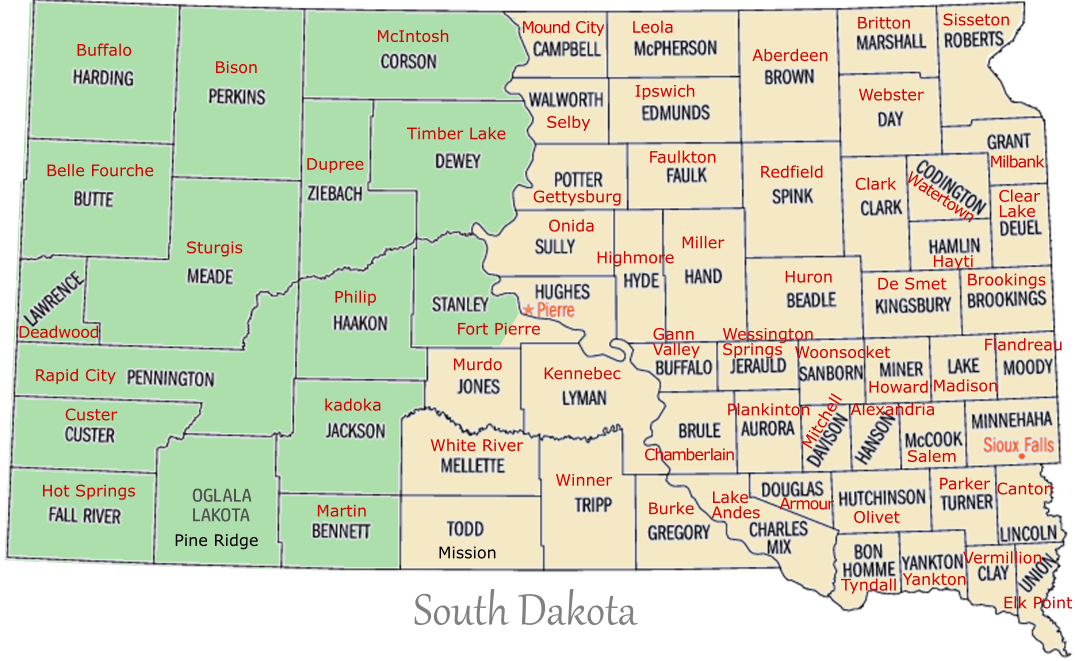
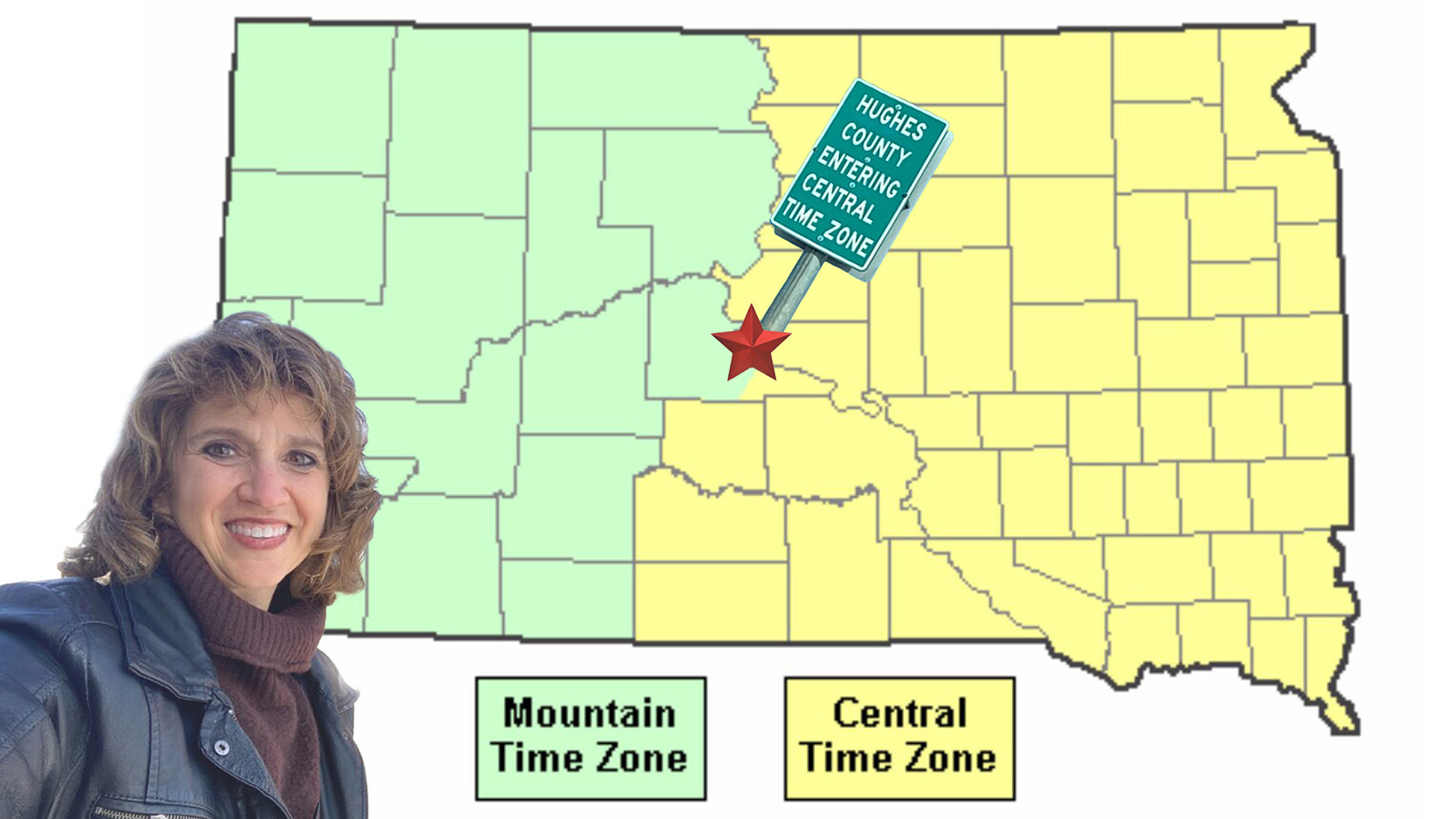
Understanding the time in South Dakota isn’t as straightforward as in many other states. South Dakota is bisected, not by a physical border, but by a temporal one, falling into both the Central Time Zone (CT) and the Mountain Time Zone (MT). This geographical-temporal split is a significant detail for any traveler, as it dictates everything from business hours to sunrise and sunset times, profoundly influencing daily activities and travel logistics.
Central Time Zone: The Eastern Half
The larger, eastern portion of South Dakota observes the Central Time Zone. This means it is typically one hour ahead of the Mountain Time Zone. Major cities and popular destinations within this zone include the state’s largest city, Sioux Falls, known for its vibrant arts scene, charming downtown, and the picturesque waterfalls of the Big Sioux River. Other notable cities in the Central Time Zone include Aberdeen, a hub for agriculture and education, and Watertown, famous for its beautiful lakes and the Bramble Park Zoo. When planning to visit attractions or make reservations in these areas, remember that they operate on Central Time, which is UTC-6 during standard time (CST) and UTC-5 during daylight saving time (CDT). This alignment with many other Midwestern states can simplify travel for those arriving from nearby regions, but it’s a critical distinction when heading west within South Dakota.
Mountain Time Zone: The Western Wonders
As you venture westward across the state, you’ll cross into the Mountain Time Zone. This transition typically occurs around the Missouri River, which often serves as a natural dividing line for many aspects of the state’s geography and culture. The Mountain Time Zone is observed in the western part of South Dakota, home to some of the state’s most iconic landmarks and natural wonders. Rapid City, often referred to as the “Gateway to the Black Hills,” is the largest city in this zone and serves as an ideal base for exploring the region. Other significant areas include the historic mining town of Deadwood, known for its Wild West legends, and the towns bordering Badlands National Park and Custer State Park. These areas operate on Mountain Time, which is UTC-7 during standard time (MST) and UTC-6 during daylight saving time (MDT). The state capital, Pierre, is an interesting anomaly, as it lies on the Missouri River but observes Central Time Zone, a testament to the sometimes nuanced application of time zone boundaries. This means that travelers moving between the eastern and western halves of the state will experience a one-hour time shift, which can sometimes catch visitors off guard.
Why the Split? A Glimpse into Geography and History
The division of South Dakota into two time zones is not arbitrary but rather a result of geographical considerations, historical railway operations, and practical regional alignment. The initial establishment of time zones in the late 19th century was largely driven by the needs of the burgeoning railway industry, requiring a standardized system to prevent collisions and streamline schedules. For South Dakota, the Missouri River naturally formed a convenient demarcation point, aligning the eastern part with the more populous Midwestern states (Central Time) and the western part with the Rocky Mountain states (Mountain Time). This historical precedent has largely remained, serving the regional commerce and communication needs of both halves of the state. While it can pose a minor logistical challenge for travelers, it’s a fascinating aspect of South Dakota‘s identity, reflecting its position as a bridge between two distinct American regions. Understanding this historical and geographical context adds another layer of appreciation to your journey through this diverse state.
Navigating Time for Seamless South Dakota Travel
For any traveler, ignoring South Dakota‘s dual time zones can lead to missed flights, late check-ins, or closed attractions. Proactive planning that accounts for the time difference is essential for a smooth and enjoyable trip, ensuring you maximize your experience without any temporal hiccups.
Planning Your Itinerary: Syncing with Local Hours
When crafting your South Dakota itinerary, the first step is to identify which time zone each destination falls into. If your trip involves crossing the Missouri River or traveling between eastern cities like Sioux Falls and western icons like Mount Rushmore National Memorial, you’ll need to adjust your internal clock by an hour. For instance, a morning flight landing in Rapid City (Mountain Time) might feel earlier if you’re departing from a Central Time Zone location, potentially giving you an extra hour in your day – or costing you one if traveling the other way.
It’s crucial to confirm the operating hours of attractions, restaurants, and other services based on their local time. A historical museum in Deadwood (Mountain Time) might close at 5 PM local time, which would be 6 PM in Central Time Zone. Similarly, if you plan to enjoy a sunset view over the Badlands National Park, knowing the local sunset time (Mountain Time) is vital to ensure you arrive with ample light. Many official websites and booking platforms will display times in the local zone, but a quick double-check, especially for border-area destinations, can prevent any missteps. Creating a detailed itinerary that clearly notes the time zone for each activity or location will be an invaluable tool.
The Impact on Transportation and Bookings
The time zone split significantly impacts transportation and accommodation bookings. When reserving flights, always verify the arrival and departure times for each leg of your journey in relation to the specific airport’s local time. If you’re flying into Sioux Falls Regional Airport (FSD) in the Central Time Zone and then driving to a hotel in Rapid City (Mountain Time), remember that your arrival time in Rapid City will be one hour earlier than your departure from Sioux Falls (relative to the Central Time Zone). This can affect rental car pick-up times or shuttle service availability.
For hotel check-ins, which typically occur in the afternoon, be mindful of the local time. If you’ve booked a hotel in Custer State Park (Mountain Time) and are driving from Aberdeen (Central Time), plan for the time change. Arriving at 3 PM Central Time Zone means it’s only 2 PM local time at your hotel, giving you an extra hour. Conversely, if you arrive at 4 PM local time, your internal clock might feel like it’s 5 PM, potentially rushing your check-in process. Always confirm check-in and check-out times in the property’s local time zone. When comparing prices or looking for long-term stays, factoring in any time differences for communication with property managers or booking agents is also a good practice. Seamless travel hinges on this temporal awareness, transforming potential confusion into a smooth, well-orchestrated adventure.
Exploring South Dakota’s Timeless Attractions
South Dakota is a treasure trove of experiences, from the awe-inspiring grandeur of its natural Landmarks to its vibrant cities steeped in history and local culture. The diversity of attractions ensures there’s something for every type of traveler, whether seeking adventure, relaxation, or historical immersion.
Eastern South Dakota: Urban Charms and Natural Beauty
The eastern half of South Dakota, primarily within the Central Time Zone, offers a blend of urban sophistication and serene natural beauty. Sioux Falls stands out as the state’s largest city and a dynamic destination. Visitors can explore the Falls Park, where the Big Sioux River cascades over ancient quartzite, providing a stunning natural spectacle right within the city. The downtown area boasts a thriving arts scene, numerous galleries, boutiques, and an array of dining options that showcase the region’s culinary delights. From farm-to-table restaurants to cozy cafes, Sioux Falls offers a taste of local flavors. Accommodation options range from luxury hotels like the Hotel On Phillips to comfortable mid-range suites, catering to various Lifestyle preferences and budgets. Reviews often highlight the city’s friendly atmosphere and accessibility, making it an excellent starting point for family trips or business stays.
Further north, Watertown delights with its chain of lakes, perfect for fishing, boating, and enjoying the outdoors. The Bramble Park Zoo and the Goss Opera House offer cultural and entertainment experiences. Aberdeen, another significant eastern city, provides a relaxed atmosphere with its parks, the Dacotah Prairie Museum, and annual events that celebrate local traditions. For those interested in Tourism beyond city limits, the glacial lakes region in eastern South Dakota offers ample opportunities for fishing, hunting, and birdwatching, providing a tranquil escape into nature. Understanding that these experiences operate on Central Time Zone helps in planning your visits to ensure you catch opening hours and enjoy events to their fullest.
Western South Dakota: Iconic Landmarks and Wild West History
The western half of South Dakota, in the Mountain Time Zone, is undeniably home to some of the most iconic and historically significant Landmarks in the United States. No visit to South Dakota is complete without witnessing the majestic Mount Rushmore National Memorial, a colossal sculpture carved into the granite face of the Black Hills National Forest, depicting four revered U.S. presidents. Nearby, the Crazy Horse Memorial, an ongoing carving dedicated to the Oglala Lakota warrior, offers another profound cultural experience and a testament to indigenous heritage.
The rugged beauty of Badlands National Park provides a stark contrast with its dramatic geological formations, fossil beds, and abundant wildlife, making it a paradise for hikers and photographers. Custer State Park, just a short drive from Rapid City, is famed for its “Wildlife Loop Road,” where visitors can encounter bison, pronghorn, and burros in their natural habitat. The park also encompasses the scenic Needles Highway and the thrilling Iron Mountain Road, perfect for a drive experience. For history buffs, the town of Deadwood transports visitors back to the Wild West era, with its historic main street, saloons, and re-enactments of famous shootouts. Here, you can immerse yourself in the stories of figures like Wild Bill Hickok and Calamity Jane. Wall Drug Store, a legendary roadside attraction in Wall, offers a unique shopping and dining experience that has captivated travelers for decades.
Rapid City serves as the primary gateway to these western marvels, offering a wide array of hotels, resorts, and apartments. From budget-friendly motels to luxury resorts nestled in the Black Hills, Accommodation options cater to all preferences. The Grand Gateway Hotel, for example, offers comfortable rooms and amenities, while The Lodge at Deadwood provides a rustic yet luxurious stay amidst the historic charm of Deadwood. Experiences in western South Dakota often revolve around outdoor adventure, historical exploration, and cultural immersion, all planned around the Mountain Time Zone to ensure you don’t miss a single breathtaking vista or historical revelation.
Accommodation and Lifestyle: Making the Most of Your Stay
Beyond the “what time is it” question, a truly enriching trip to South Dakota involves thoughtful consideration of your accommodation choices and embracing the local lifestyle. Whether you’re seeking luxury, adventure, or a family-friendly environment, South Dakota offers diverse options to enhance your travel experience.
Choosing Your Stay: From Rustic Retreats to Urban Comforts
South Dakota‘s Accommodation landscape is as varied as its scenery, designed to cater to every traveler’s preference and budget. In urban centers like Sioux Falls and Rapid City, you’ll find a range of modern hotels, including well-known chains offering comfortable suites and business-friendly amenities, as well as boutique hotels providing unique character and personalized service. For families, resorts often feature pools, activity programs, and spacious rooms, ensuring everyone has an enjoyable stay. Booking these accommodations can be done through various platforms, where you can compare prices, read Reviews, and find the best deals for your desired dates.
For those drawn to the natural beauty of the Black Hills or the tranquility near the Missouri River, options expand to include charming cabins, cozy bed & breakfasts, and even glamping sites that offer a luxurious camping experience. Places like Custer State Park have lodges and cabins that provide rustic charm combined with modern comforts, perfect for an immersive nature retreat. If you’re planning a long-term stay, perhaps for an extended vacation or a remote work stint, apartment rentals or vacation homes can offer more space and amenities, giving you a taste of local living. Luxury travel is also well-represented, with high-end resorts offering spa services, gourmet dining, and concierge assistance to ensure an opulent escape. Conversely, budget travel options, including motels and campgrounds, are readily available for those looking to explore South Dakota without breaking the bank. Always remember to consider the time zone of your chosen accommodation when making reservations and planning your arrival.

Experiencing South Dakota’s Unique Culture and Cuisine
Immersing yourself in South Dakota‘s Local Culture is a highlight of any trip. The state is rich in Native American heritage, particularly from the Lakota, Dakota, and Nakota tribes, whose traditions, art, and history are celebrated in museums and cultural centers across the state. Visiting sites like the Crazy Horse Memorial or attending a powwow (if scheduled during your visit) can offer profound insights into this deep-rooted culture. The cowboy and pioneer heritage is also palpable, especially in the western towns where rodeos, historical re-enactments, and frontier museums bring the Wild West to life.
No Travel experience is complete without savoring the local Food. South Dakota‘s cuisine reflects its agricultural roots and diverse cultural influences. Don’t leave without trying chislic, a local delicacy of cubed meat, often lamb or beef, deep-fried or grilled. Bison burgers are a staple, offering a leaner alternative to beef. For those with a sweet tooth, kolaches, a pastry with Czech origins, are a beloved treat in many communities. The state also boasts a growing craft brewery and winery scene, particularly in Sioux Falls and the Black Hills region, where you can sample local brews and wines. Farmers’ markets are excellent places to discover fresh, seasonal produce and artisanal products, providing a true taste of South Dakota.
Whether you’re planning a family trip centered around educational experiences, a romantic getaway with fine dining, or a business stay requiring convenient access to amenities, South Dakota offers a multifaceted experience. By being mindful of its dual time zones, you can ensure your journey is not just timely, but also deeply enriching, allowing you to fully engage with its incredible Destinations, unique culture, and welcoming hospitality.
LifeOutOfTheBox is a participant in the Amazon Services LLC Associates Program, an affiliate advertising program designed to provide a means for sites to earn advertising fees by advertising and linking to Amazon.com. Amazon, the Amazon logo, AmazonSupply, and the AmazonSupply logo are trademarks of Amazon.com, Inc. or its affiliates. As an Amazon Associate we earn affiliate commissions from qualifying purchases.