
California, often called the Golden State, shines brightly in the American imagination as a land of opportunity, innovation, and unparalleled beauty. From the sun-kissed beaches of Southern California to the majestic redwoods of the north, and from the vibrant urban sprawl of Los Angeles to the entrepreneurial spirit of Silicon Valley, it offers a diverse tapestry of experiences. However, alongside its undeniable allure comes a reputation for being remarkably expensive, a fact that can give pause to prospective residents and enthusiastic travelers alike. This high cost of living and travel isn’t a mere perception; it’s a complex reality driven by a confluence of economic, geographic, and cultural factors. Understanding these underlying causes is key to appreciating the state’s unique value proposition and for planning any visit or long-term stay.
For those planning to explore California’s iconic destinations or considering making it their home, the price tag often sparks questions: Why do basic necessities seem so much higher here than in other parts of the United States? What drives up the cost of accommodation, from luxury resorts to budget-friendly apartments? How does one navigate the expenses to still enjoy the rich travel experiences, local culture, and breathtaking natural landmarks that define the state? This article delves into the multifaceted reasons behind California’s high costs, exploring how its unique economy, desirable lifestyle, and unparalleled tourism appeal contribute to its premium price. By dissecting these factors, we aim to provide a comprehensive understanding for anyone contemplating a journey or a life within the Golden State’s borders.
The Economic Engine Driving High Costs
At the core of California’s expensiveness lies a robust, diverse, and highly competitive economy. The state boasts the fifth-largest economy in the world, a testament to its innovation, productivity, and attractive job market. However, this economic strength brings with it a host of challenges, particularly concerning the cost of living and housing.
Housing Market Dynamics
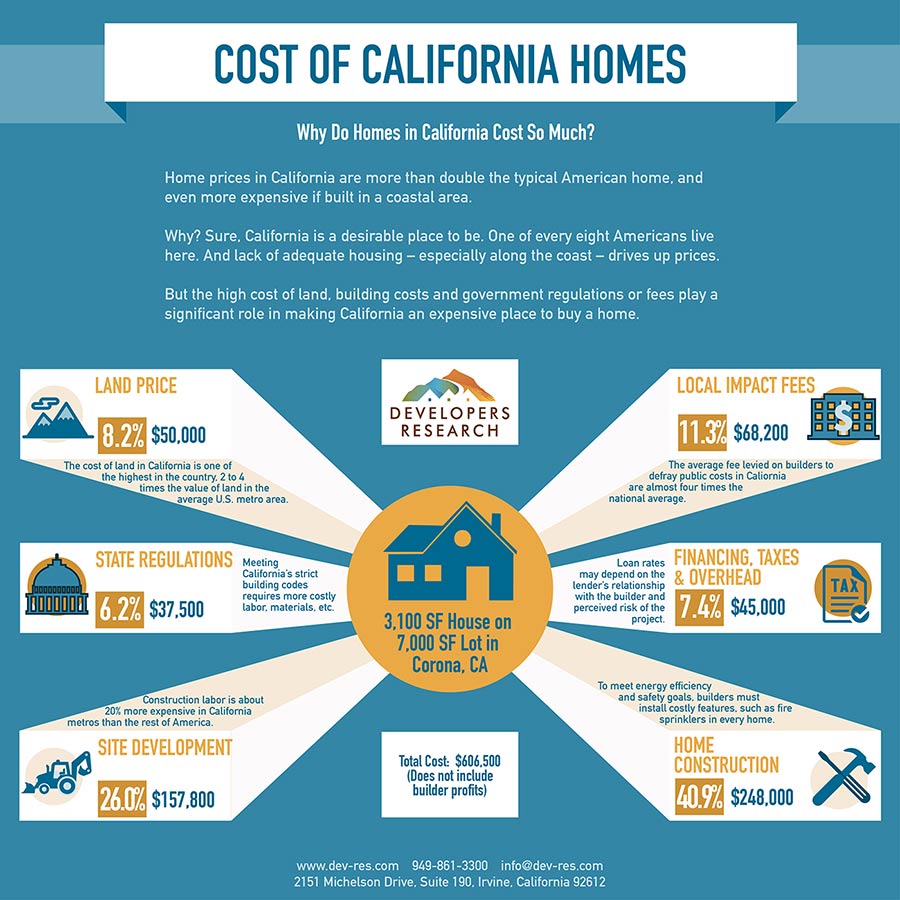
Perhaps the most significant contributor to California’s high cost is its housing market. Cities like San Francisco, San Jose, and Los Angeles consistently rank among the most expensive housing markets globally. The reasons are multifold:
- Supply and Demand Imbalance: There simply aren’t enough homes to meet the demand. Decades of restrictive zoning laws, stringent environmental regulations, and local opposition to new construction (“Not In My Backyard” or NIMBYism) have severely limited housing development, particularly in desirable urban and coastal areas. This scarcity drives up prices for both rentals and homeownership, impacting everything from long-term accommodation options to short-term vacation rentals.
- Desirability: Millions aspire to live in California for its climate, job opportunities, natural beauty, and cultural amenities. This constant influx of people, coupled with limited housing, creates intense competition.
- Land Value: Prime land in coastal regions and major metropolitan areas is inherently valuable. The cost of acquiring land for development is astronomically high, which is then passed on to consumers.
This dynamic directly impacts the “Accommodation” aspect of travel and lifestyle. Even booking a standard hotel room in popular tourist destinations can feel disproportionately expensive compared to other states. Travelers often find themselves paying a premium for proximity to attractions, or needing to venture further out to find more affordable options, potentially sacrificing convenience for budget.
High Wages and Cost of Living
California is a magnet for high-tech industries, entertainment, and specialized services, leading to a job market characterized by high salaries, especially in fields like technology and healthcare. While high wages might seem like a benefit, they contribute to a higher overall cost of living. Businesses often face higher labor costs, which they then pass on to consumers through increased prices for goods and services. This ripple effect touches almost every aspect of daily life, from groceries and dining out to transportation and entertainment.
For visitors, this translates into higher prices for basic goods, restaurant meals, and local services. A seemingly simple lunch can become a significant expense, especially in tourist hotspots. This means “Budget Travel” in California requires careful planning and perhaps a willingness to explore less conventional dining options or to utilize self-catering accommodation.
Taxation and Regulations
The Golden State also has a reputation for high taxes and extensive regulations. State income taxes are among the highest in the nation, and sales taxes can add a significant percentage to purchases. Businesses operating in California also face a complex web of regulations, from labor laws to environmental standards, all of which add to operational costs. These costs are ultimately reflected in the prices consumers pay. While many of these regulations are aimed at protecting the environment or ensuring worker welfare, their cumulative effect contributes to the state’s elevated price structure. This impacts not only residents but also the businesses that cater to tourists, influencing hotel rates, attraction prices, and the cost of guided experiences.
The Irresistible Allure of Lifestyle and Tourism
Beyond the raw economic factors, California’s appeal as a lifestyle destination and a global tourism powerhouse plays a significant role in its expense. The demand to experience its unique culture, breathtaking landscapes, and world-class attractions drives up prices across the board.
Iconic Destinations and Their Premium
California is home to some of the most famous landmarks and tourist attractions on the planet, each drawing millions of visitors annually.
- Theme Parks: Disneyland in Anaheim and Universal Studios Hollywood in Los Angeles are global icons, offering unparalleled entertainment experiences. The demand for entry to these parks, combined with the cost of maintaining such elaborate facilities, naturally leads to high ticket prices. Surrounding areas, particularly in Anaheim, see elevated hotel rates due to the sheer volume of tourists.
- Natural Wonders: From the granite cliffs of Yosemite National Park to the serene beauty of Lake Tahoe and the dramatic coastline of Big Sur, California’s natural landmarks are awe-inspiring. Managing and preserving these pristine environments comes at a cost, often reflected in park entry fees, permit requirements, and the price of accommodation near these popular sites. Remote yet luxurious resorts like the Post Ranch Inn in Big Sur command premium rates for their exclusive access to nature.
- Urban Icons: The Golden Gate Bridge in San Francisco, the Hollywood Sign and Hollywood Walk of Fame in Los Angeles, and the historic Alcatraz Island are major draws. While viewing some of these is free, accessing tours or staying in the vibrant districts surrounding them comes at a premium due to high demand for “Travel” experiences.
Luxury Travel and Accommodation
California’s reputation as a playground for the rich and famous further contributes to its luxury market. High-end hotels, resorts, and exclusive experiences are abundant, particularly in areas like Beverly Hills, Malibu, Napa Valley, and Laguna Beach. Resorts such as The Ritz-Carlton, Laguna Niguel offer opulent amenities and stunning ocean views, catering to a clientele willing to pay top dollar for exclusivity and impeccable service. Similarly, hotels like the Beverly Wilshire, A Four Seasons Hotel are synonymous with glamour and provide a glimpse into the lavish “Lifestyle” often associated with the state. This elevates the baseline expectation for service and quality, impacting pricing even for more modest establishments. The overall perception of California as a luxury destination means that visitors often anticipate higher costs and are, to some extent, willing to pay them for premium “Experiences.”

The Impact on Local Culture and Experiences
The vibrant “Local Culture” and diverse “Food” scene are also significant draws, but they too come with a price. From farm-to-table dining experiences in Napa Valley to trendy eateries in San Francisco and Los Angeles, the culinary landscape is world-class. However, the high cost of ingredients, labor, and commercial rents means that restaurant prices can be significantly higher than in other regions. Even enjoying simple “Activities” like surfing lessons in Santa Monica or exploring art galleries in Carmel-by-the-Sea can carry a premium due to the desirability of these locations and the quality of the services offered. This premium is woven into the fabric of the California experience, defining a certain standard of living and leisure that many visitors seek.
Navigating the Costs: Strategies for Travelers and Residents
While California’s high costs are undeniable, it doesn’t mean the state is inaccessible. With smart planning and a willingness to explore alternatives, both travelers and prospective residents can enjoy its splendors without breaking the bank. This involves understanding various “Accommodation” types, making informed “Booking” decisions, and embracing “Budget Travel” philosophies.
Smart Planning for Your California Trip
For tourists, strategic planning can significantly mitigate expenses:
- Timing Your Visit: Traveling during off-peak seasons (e.g., late fall or early spring, avoiding major holidays) can result in lower airfares, reduced hotel rates, and fewer crowds at popular attractions. This is especially true for destinations like Palm Springs, which sees price surges in winter, or coastal towns that peak in summer.
- Accommodation Alternatives: Beyond traditional hotels, explore options like vacation rentals (apartments or villas), hostels, or even camping in one of California’s numerous state and national parks. “Reviews” and “Comparison” sites are invaluable tools for finding the best deals and understanding what amenities are truly worth the cost. Consider staying slightly outside major city centers and using public transport or ride-shares to access attractions.
- Budgeting for Food: Eating out for every meal can quickly deplete a budget. Opt for self-catering accommodation with a kitchen, pack picnics for day trips, or take advantage of farmers’ markets for fresh, affordable produce. Exploring diverse culinary scenes often includes excellent, less expensive ethnic restaurants that offer authentic “Local Culture” experiences.
- Free and Low-Cost Activities: Many of California’s greatest treasures are free or low-cost. Hiking trails in state parks, spending a day at the beach, exploring historic neighborhoods like those in San Diego, or simply enjoying scenic drives offer immense value. Cities like Sacramento also offer a rich array of historical sites and museums, some with free admission days. Look for free walking “Guides” or self-guided tours in urban areas.
Exploring Diverse Accommodation Options
The “Accommodation” landscape in California is vast, ranging from ultra-luxury “Suites” and “Resorts” to quaint “Apartments” and charming “Villas.” Understanding the variety available, and using effective “Booking” strategies, is essential. For extended stays, “Long-term Stay” options can often provide better value than short-term hotel bookings, especially if you plan to immerse yourself in the local scene. Utilizing hotel “Amenities” wisely can also save money, for instance, choosing a hotel with complimentary breakfast or a fitness center instead of paying for these services externally.
Websites focusing on hotel reviews and comparisons can help travelers find hidden gems and ensure they are getting the best value for their money. For those seeking unique “Experiences,” boutique hotels or eco-lodges might offer a more authentic and memorable stay, even if they come at a slightly higher price point, offering value beyond just a place to sleep.
A Balanced Perspective: Is the Price Worth It?
Ultimately, the question of whether California’s high costs are “worth it” is subjective and depends heavily on individual priorities, financial capacity, and what one seeks from the experience. For millions, the answer is a resounding yes.
The premium associated with California often reflects the exceptional quality of life, the unparalleled natural beauty, the dynamic economy, and the sheer diversity of “Travel” and “Tourism” experiences it offers. Where else can you surf in the morning, ski in the afternoon, and dine at a Michelin-starred restaurant in the evening? The state is a global leader in innovation, culture, and environmental consciousness, providing a rich backdrop for both personal and professional growth.
For travelers, the investment often translates into unforgettable memories of exploring world-class “Landmarks,” enjoying vibrant “Local Culture,” and indulging in unique “Experiences.” For residents, despite the financial hurdles, the appeal lies in the abundant opportunities, the progressive lifestyle, and access to a stunning natural environment that fosters an active and healthy way of life.

While the “Why Is California So Expensive?” question has complex answers rooted in economics, geography, and desirability, it also invites a deeper appreciation for what makes the Golden State so uniquely compelling. With careful planning and a clear understanding of what drives its costs, anyone can find a way to experience and enjoy the magic of California, making their journey or residency a truly golden one.
LifeOutOfTheBox is a participant in the Amazon Services LLC Associates Program, an affiliate advertising program designed to provide a means for sites to earn advertising fees by advertising and linking to Amazon.com. Amazon, the Amazon logo, AmazonSupply, and the AmazonSupply logo are trademarks of Amazon.com, Inc. or its affiliates. As an Amazon Associate we earn affiliate commissions from qualifying purchases.