
The question “Is Detroit a dangerous city?” is one that has lingered in the minds of many travelers for decades. For years, the city of Detroit grappled with a tough reputation, often depicted in media as a symbol of urban decay, economic hardship, and high crime rates. However, to approach Detroit with only this preconceived notion is to miss out on one of America’s most resilient and rapidly evolving destinations. This article aims to dismantle the stereotypes and provide a nuanced, up-to-date perspective on safety in Detroit for potential visitors, diving into what modern Detroit truly offers.

Today, Detroit is a city in the midst of an incredible renaissance. It’s a place where history meets innovation, where a vibrant arts scene thrives alongside groundbreaking urban development. From its iconic music heritage to its burgeoning food scene and impressive architectural landmarks, Detroit offers a rich tapestry of experiences for tourists. Like any major urban center in the United States, it has its challenges, but understanding the specific areas, current safety trends, and practical tips can help ensure a rewarding and secure visit.
Unpacking Detroit’s Reputation: Past vs. Present
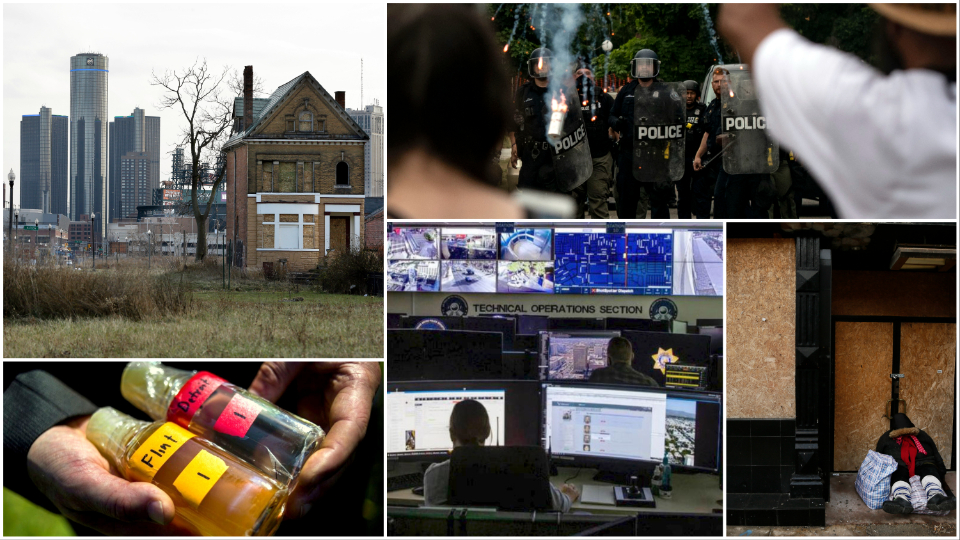
The narrative surrounding Detroit’s safety is deeply rooted in its tumultuous past. The city experienced significant economic decline and population loss in the latter half of the 20th century, leading to social challenges that contributed to elevated crime rates. This era heavily shaped public perception, and these images often persist even as the city transforms.
The Historical Context of Crime in Detroit
Detroit’s high crime rates were often a consequence of complex socioeconomic factors, including deindustrialization, white flight, racial tensions, and a shrinking tax base that impacted public services. News reports from decades past frequently highlighted violent crime, cementing a formidable reputation that has been hard to shake. This history, while important to acknowledge, does not fully represent the current reality. Many of the areas that struggled most historically were not typically tourist zones, even then.
A City Reimagined: The Turnaround
Over the last decade, Detroit has seen substantial investment and revitalization. Billions of dollars have poured into redevelopment projects, particularly in its core downtown and surrounding neighborhoods. This investment has brought new businesses, residential growth, and a palpable sense of optimism. With this revitalization has come a significant focus on public safety. Police presence has increased in key areas, and community initiatives have worked to foster safer environments. The result is a dramatically different urban landscape, especially in areas frequented by visitors. Crime statistics, while still showing challenges, demonstrate a consistent downward trend in violent and property crime in recent years, particularly in the central business district and tourist hubs.
Exploring Safe Neighborhoods and Tourist Hotspots
For travelers, knowing which areas are safe and vibrant is key to enjoying Detroit. The city’s main tourist destinations are generally well-maintained, well-lit, and benefit from increased security measures.
Downtown Detroit: The Revitalized Core
Downtown Detroit has undergone a dramatic transformation. It is now a bustling hub of activity, home to major corporations, sports stadiums, theaters, restaurants, and hotels. Areas like Campus Martius Park serve as a vibrant public square, hosting events year-round and surrounded by offices and eateries. The historic Fox Theatre and Comerica Park (home of the Detroit Tigers) draw large crowds, contributing to a lively and secure atmosphere. Walking around Downtown Detroit during the day and into the evening feels much like navigating any other major American city center. Many visitors choose to stay in modern hotels here, such as the Detroit Marriott at the Renaissance Center or the boutique Shinola Hotel, which offer excellent amenities and easy access to attractions.
Midtown: Culture and Academia
Just north of downtown, Midtown is Detroit’s cultural heart. It’s home to the Detroit Institute of Arts, the Motown Museum, the Detroit Historical Museum, and Wayne State University. This area is characterized by beautiful historic buildings, tree-lined streets, and a lively student population. It’s a fantastic place for exploring museums, enjoying diverse dining, and experiencing Detroit’s artistic side. With a strong university presence and numerous institutions, Midtown is generally considered very safe for pedestrians and sightseers during the day and evening.
Corktown: Historic Charm and Gastronomy
Corktown, Detroit’s oldest surviving neighborhood, is another jewel. Known for its Irish heritage, charming Victorian homes, and an explosion of trendy restaurants and bars, Corktown offers a different, more laid-back vibe. It’s also the site of the massive redevelopment of the historic Michigan Central Station by Ford Motor Company, signaling continued growth and investment. Corktown is a very walkable neighborhood with a strong community feel, making it a safe and enjoyable area for visitors interested in history, architecture, and innovative cuisine.
Greektown and New Center: Entertainment and Style
Greektown is renowned for its vibrant entertainment district, featuring casinos like MGM Grand Detroit, restaurants, and nightlife. It’s lively well into the night and well-patrolled, making it a popular and safe destination for evening entertainment. Further north, the New Center area boasts the stunning Fisher Building and Cadillac Place, offering architectural marvels and proximity to major business centers. These areas, like their downtown counterparts, are consistently invested in and maintained for public enjoyment and safety.
Practical Safety Tips for Travelers in Detroit
While Detroit’s core tourist areas are generally safe, smart travel practices are always advisable in any large city, particularly when exploring beyond the main attractions.
General Urban Safety Practices
- Be Aware of Your Surroundings: This is perhaps the most fundamental tip for urban travel. Pay attention to who and what is around you, especially when using your phone or listening to music.
- Avoid Walking Alone at Night in Unfamiliar Areas: Stick to well-lit, populated streets and established entertainment districts. If you’re venturing out after dark, consider taking a taxi or ride-share service.
- Secure Valuables: Keep wallets in front pockets, use cross-body bags, and avoid flashing expensive electronics or jewelry. Don’t leave valuables visible in your parked car.
- Trust Your Instincts: If a situation or area feels unsafe, remove yourself from it.
- Utilize Public Transportation Wisely: The QLine runs along Woodward Avenue connecting Downtown Detroit, Midtown, and New Center, offering a convenient and safe way to move between these key areas. For other destinations, ride-sharing apps (Uber/Lyft) and traditional taxis are readily available and reliable.
Specific Considerations for Detroit
- Research Your Accommodation: When booking hotels or accommodation, ensure it is located in one of the well-regarded neighborhoods mentioned above. Reputable hotels in Downtown Detroit, Midtown, or Corktown often provide excellent security and amenities. Reading recent reviews on platforms like Life Out of the Box can offer valuable insights.
- Parking: If driving, use secure, well-lit parking garages, especially overnight. Many hotels offer valet services or secure parking. Avoid parking on deserted streets.
- Explore Beyond the Center Cautiously: While the revitalization is spreading, some outer neighborhoods still face economic challenges. If you plan to visit a specific attraction or restaurant outside the main tourist zones, research the area beforehand and consider driving or taking a ride-share directly there.
- Engage with Locals: Detroiters are known for their resilience and hospitality. Don’t hesitate to ask hotel staff or restaurant employees for local safety advice or recommendations. They can offer real-time insights into specific areas or events.
The Visitor Experience: What to Expect
Visiting Detroit is an experience rich in culture, history, and innovation. The city is home to an incredible array of attractions that cater to diverse interests.
Iconic Landmarks and Attractions
Beyond the museums in Midtown and the sporting venues downtown, Detroit boasts other must-see landmarks. Belle Isle Park, a large island park designed by Frederick Law Olmsted, offers stunning views of the skyline, the Detroit River, and even Canada. It hosts the Belle Isle Aquarium and the Anna Scripps Whitcomb Conservatory, providing a peaceful retreat. The Henry Ford Museum of American Innovation and Greenfield Village in nearby Dearborn offer an immersive look into American ingenuity and history, from presidential limousines to historically significant buildings. The architecture throughout downtown, from the Art Deco splendor of the Guardian Building to the imposing Renaissance Center, is a testament to Detroit’s past grandeur and future vision.
A Vibrant Food and Arts Scene
Detroit’s culinary scene has exploded in recent years, with award-winning restaurants opening across the city, especially in Corktown, Midtown, and Downtown Detroit. From fine dining to casual eateries and bustling food halls, there’s something for every palate. The arts scene is equally dynamic, with galleries, live music venues, and street art adding to the city’s unique character. Experiencing Detroit’s local culture through its food and art is a highlight for many travelers, offering an authentic glimpse into its creative spirit.
Accommodation and Lifestyle Choices
Whether you prefer luxury travel, budget travel, or a family-friendly trip, Detroit has a range of accommodation options. From high-end suites in established hotel brands like the Marriott or Hilton to unique boutique hotels and Airbnb apartments, visitors can find stays that suit their lifestyle and budget. Many hotels offer modern amenities, excellent service, and are strategically located within the safest and most convenient parts of the city, making booking and comparison straightforward. Long-term stays are also becoming popular, catering to business travelers and those looking to immerse themselves deeper into the city’s evolving lifestyle.

Conclusion: Detroit is Ready for Your Visit
So, is Detroit a dangerous city? The simple answer is that like any major urban center, it requires visitors to exercise common sense and situational awareness. However, the prevailing narrative of extreme danger is largely outdated and does not reflect the reality of the revitalized core and tourist-friendly neighborhoods.
Detroit is a city that has defied expectations, a testament to its enduring spirit and the hard work of its residents. It offers a unique and compelling travel experience, rich in history, culture, and innovation. By staying in recommended areas, being mindful of your surroundings, and utilizing reliable transportation, you can confidently explore this remarkable city and discover why so many are now calling it a must-visit destination. Don’t let old perceptions deter you from experiencing the new Detroit – a city ready to welcome you with open arms.
LifeOutOfTheBox is a participant in the Amazon Services LLC Associates Program, an affiliate advertising program designed to provide a means for sites to earn advertising fees by advertising and linking to Amazon.com. Amazon, the Amazon logo, AmazonSupply, and the AmazonSupply logo are trademarks of Amazon.com, Inc. or its affiliates. As an Amazon Associate we earn affiliate commissions from qualifying purchases.