
Florida, a land of sunshine, stunning beaches, and vibrant ecosystems, has long captivated the hearts of travelers seeking unforgettable experiences. From the bustling energy of Miami to the serene shores of the Florida Keys, the Sunshine State offers an unparalleled array of destinations, attractions, and accommodations. However, beneath this idyllic facade, a significant ecological challenge has emerged, impacting not only the state’s natural beauty but also its tourism industry and residents’ lifestyle: the proliferation of iguanas. These charismatic reptiles, often mistaken for harmless exotic additions, are indeed an invasive species in Florida, posing complex problems that extend far beyond their visual appeal. Understanding their impact is crucial for anyone planning a visit, considering a long-term stay, or simply appreciating the delicate balance of this unique travel destination. This article delves into the iguana invasion, exploring its origins, consequences for the environment and local tourism, and the ongoing efforts to manage this growing issue.
The Green Scourge: Understanding the Iguana Invasion
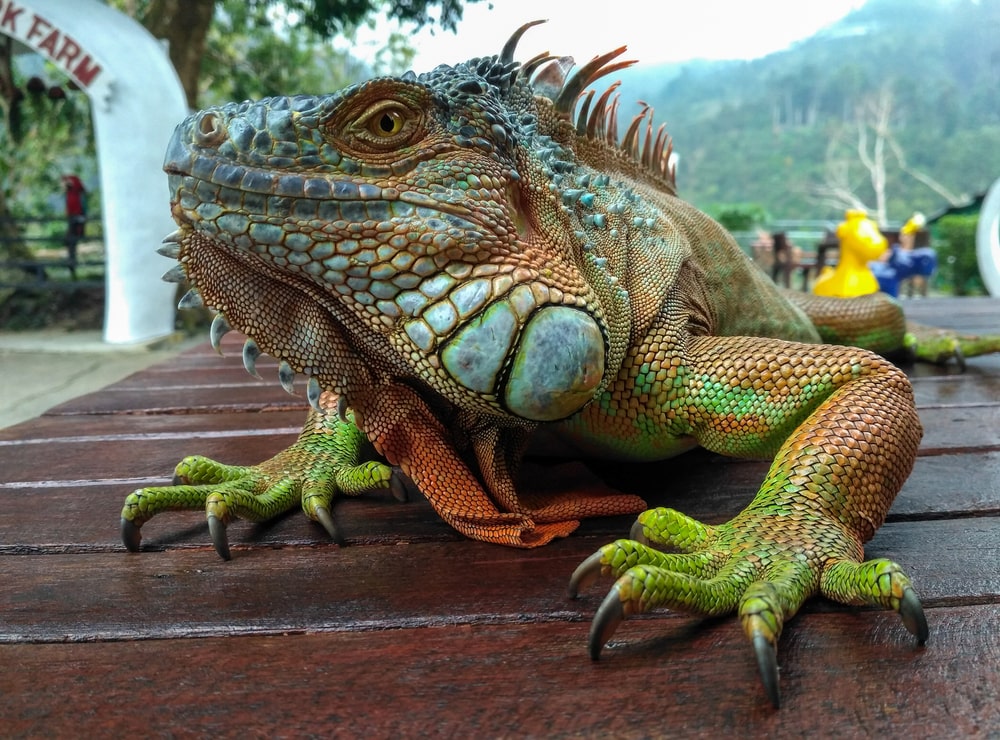
The story of iguanas in Florida is a classic tale of unintended consequences, where a seemingly innocuous presence transformed into a widespread ecological concern. Their vibrant green scales and docile demeanor might suggest a harmonious fit within Florida’s tropical landscape, but the reality is starkly different. These reptiles have found a paradise where they can thrive, reproduce rapidly, and significantly alter the natural order.
A Tropical Transplant: How Iguanas Arrived in Florida
Green iguanas ( Iguana iguana ), native to Central America, South America, and parts of the Caribbean, were not always a fixture of the Florida landscape. Their introduction to the state primarily occurred through the exotic pet trade in the 1960s. Many individuals were either intentionally released by owners who could no longer care for them once they grew too large, or they escaped captivity. Florida’s subtropical climate, remarkably similar to their native habitats, provided the perfect conditions for these newcomers to not only survive but also to establish breeding populations. The warm temperatures, abundant food sources, and crucially, a notable absence of natural predators capable of controlling their numbers, allowed their populations to explode. This rapid expansion meant that what began as isolated sightings quickly escalated into a widespread invasion, particularly across the southern half of the state.
Where Iguanas Thrive: Hotspots and Habitats
While iguanas can be found in various parts of Florida, their primary strongholds are concentrated in South Florida. Areas like Miami-Dade County, Broward County, and Palm Beach County are particularly heavily impacted, with the Florida Keys also experiencing significant population surges. These reptiles are incredibly adaptable, making themselves at home in a variety of environments. They prefer lush, tropical vegetation, often found near canals, lakes, and other bodies of water, which provide both hydration and a quick escape route from perceived threats. Urban and suburban settings are particularly attractive to them, offering a mosaic of manicured landscapes, ornamental plants (a ready food source), and numerous burrowing opportunities under homes, seawalls, and sidewalks.
It’s not uncommon for visitors staying at upscale resorts or boutique hotels in places like Fort Lauderdale or Key West to spot iguanas basking by pool decks or scurrying across golf courses. While their presence might initially add an exotic touch to a vacation experience, their sheer numbers and the damage they inflict quickly shift perceptions from novelty to nuisance, impacting the very allure that draws travelers to these beautiful Florida destinations.
The Far-Reaching Impact: From Ecosystems to Tourist Experiences
The invasive nature of iguanas in Florida manifests in a multitude of ways, creating ripple effects across the state’s delicate ecosystems, urban infrastructure, and crucially, its thriving tourism and hospitality sectors. The impact is a complex web that affects everything from the food tourists eat to the structural integrity of their chosen accommodations.
Environmental and Ecological Damage
The most profound and concerning impact of the iguana invasion is on Florida’s native environment. As herbivores, green iguanas have an insatiable appetite for a wide array of vegetation, including many native plant species. They decimate ornamental plants in gardens and landscapes, but more critically, they consume endangered and threatened species, altering natural plant communities. This unchecked herbivory disrupts the food web and deprives native wildlife of their natural food sources.
Beyond plants, iguanas also pose a direct threat to native animal populations. They are known to consume the eggs of various native birds, alligators, and even the federally threatened Florida scrub-jay. Perhaps most notably, their predation on gopher tortoise and burrowing owl eggs and hatchlings is a significant concern, as these species are themselves protected and vital to Florida’s biodiversity.
Furthermore, iguanas are notorious for their burrowing habits. They dig extensive tunnel systems, especially along waterways, under foundations of homes, roads, seawalls, and utility lines. This structural damage can lead to erosion, collapse of infrastructure, and costly repairs. For a state heavily reliant on its coastal infrastructure and waterways for both tourism and local life, this burrowing activity is a serious and expensive problem. There’s also a public health aspect; iguanas carry Salmonella bacteria, which can be transmitted through contact with their feces, posing a risk to humans and pets, especially in areas frequented by tourists and families.
The Tourist and Hospitality Perspective
The presence of iguanas directly influences the travel, tourism, and accommodation experience in Florida. While some visitors might initially find them an interesting sight, the sheer scale of the problem can detract from the pristine image Florida strives to maintain.
Hotels and Resorts
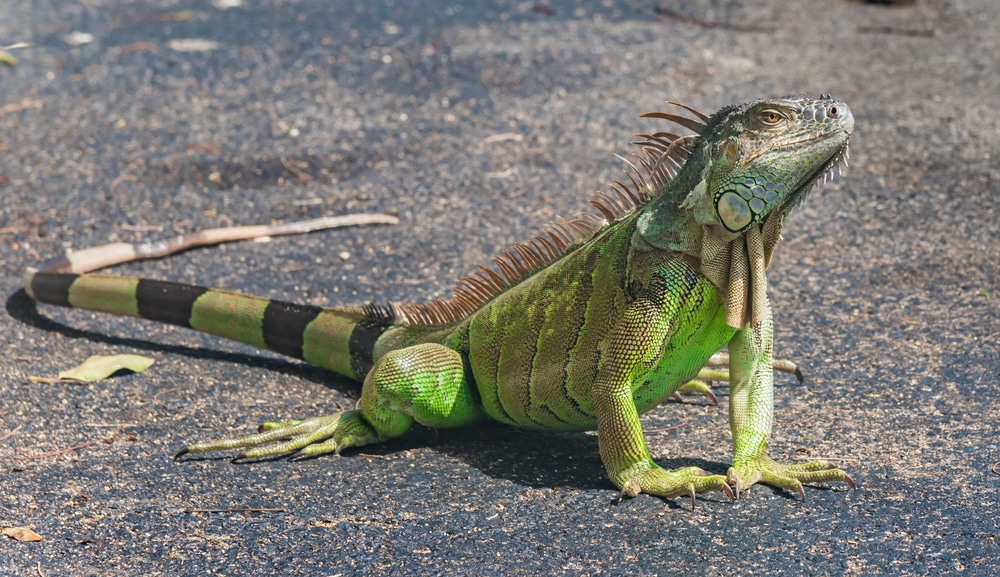
Luxury hotels and sprawling resorts, often defined by their immaculate landscapes and high-end amenities, bear a significant brunt of the iguana invasion. Properties like The Breakers Palm Beach or the Four Seasons Resort Palm Beach invest heavily in creating lush, tropical environments for their guests. Iguanas damage these meticulously maintained gardens, consuming flowers, shrubs, and even young trees, leading to substantial landscaping costs. They often congregate around swimming pools, leaving droppings that can contaminate the water and pool decks, requiring increased cleaning and maintenance. Guests enjoying outdoor dining at a Hyatt Regency or a Marriott Bonvoy property might find iguanas lurking under tables or even attempting to snatch food, diminishing the luxury experience.
For accommodation providers, managing iguanas is an ongoing operational challenge. It impacts guest satisfaction, property aesthetics, and maintenance budgets. Positive reviews for hotels often hinge on cleanliness and a pristine environment, both of which can be compromised by a significant iguana presence. For long-term stays, apartment rentals, or villa bookings, understanding a property’s iguana management strategy can become a legitimate concern for prospective guests.
Attractions and Landmarks
Florida’s famous landmarks and nature attractions also face challenges. Botanical gardens, such as Fairchild Tropical Botanic Garden in Coral Gables, are prime targets for iguanas seeking food, jeopardizing their collections of rare and exotic plants. Natural reserves and parks, including sections of Everglades National Park (particularly its fringes), grapple with the ecological disturbance caused by iguanas competing with native wildlife. Historical sites with ancient architecture can also suffer structural damage from burrowing.
The impact extends to common tourist activities. A leisurely round of golf in Boca Raton or Naples might be interrupted by iguanas on the greens, or a boat tour along South Florida’s canals might reveal damaged seawalls. Even a simple walk through a vibrant South Beach park can be affected. While some visitors find them exotic, the widespread issue can shift the focus from enjoying Florida’s natural beauty to encountering an ecological pest.
Local Culture and Activities
Florida’s lifestyle is deeply intertwined with its outdoor environment. Outdoor dining, watersports, and gardening are cornerstones of local culture and popular tourist activities. Iguanas disrupt these. Homeowners and businesses spend considerable resources on mitigation, reflecting the deeply embedded nature of this problem in daily life. For tourists seeking authentic local experiences, understanding the iguana situation can be part of responsible travel, ensuring they respect local efforts to manage the invasive species and don’t inadvertently contribute to the problem by feeding them.
Navigating the Iguana Presence: Management and Coexistence for Visitors and Residents
Addressing the iguana invasion is a multi-faceted challenge, requiring coordinated efforts from state agencies, local communities, property owners, and even tourists. For a state like Florida that prides itself on its natural beauty and exceptional visitor experiences, finding effective strategies to manage this invasive species is paramount.
What’s Being Done: Control Efforts and Regulations
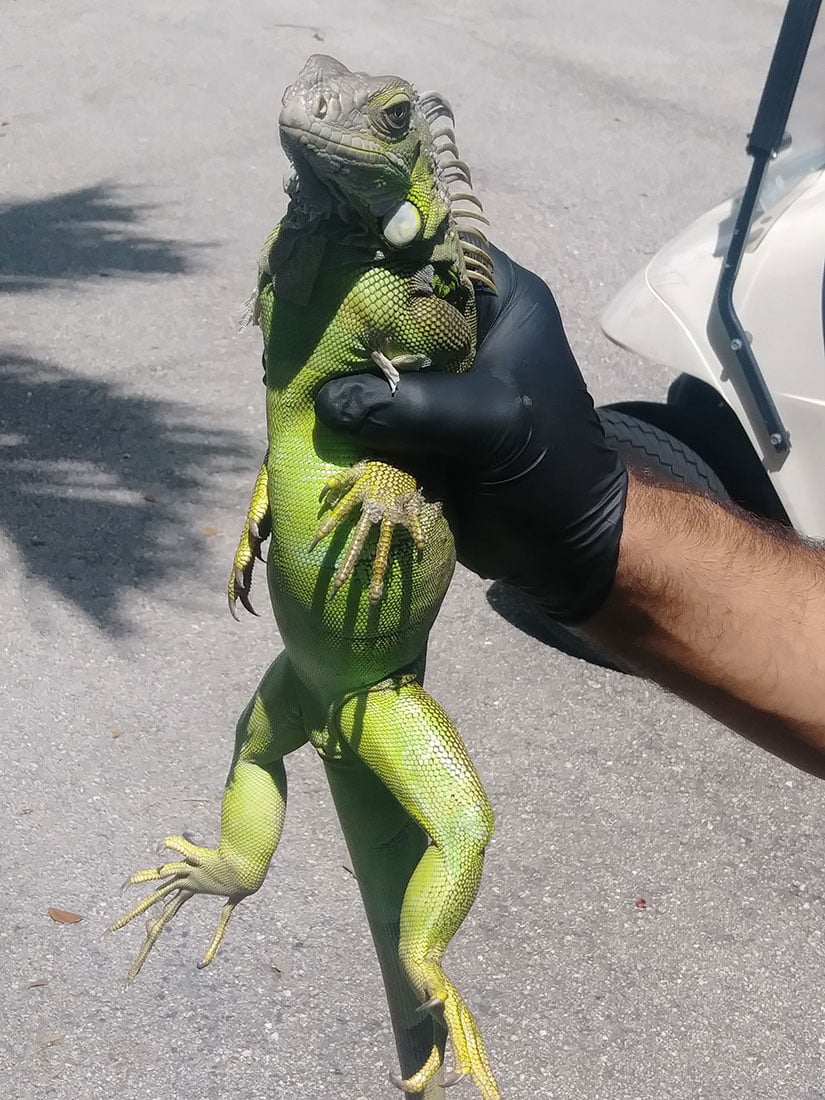
The Florida Fish and Wildlife Conservation Commission (FWC) classifies green iguanas as a non-native, invasive species. This designation permits and even encourages their removal, particularly on private property. The FWC emphasizes that green iguanas are not protected in Florida except by anti-cruelty law. Homeowners are encouraged to humanely remove iguanas from their property, with various methods recommended, including trapping, deterrence, and in some cases, lethal removal. Many municipalities and homeowner associations contract with professional wildlife removal services to manage populations in common areas and on private properties.
Regulations have also been put in place to curb the pet trade and prevent future releases. As of 2021, the FWC implemented new rules that prohibit the possession, breeding, and sale of green iguanas (and several other non-native reptiles) for commercial purposes. While existing pet owners can keep their iguanas, they must obtain a permit and mark their animals, and the sale or acquisition of new iguanas as pets is severely restricted. These measures aim to prevent further introductions and reduce the overall wild population over time. Public awareness campaigns also play a crucial role, educating residents and visitors about the ecological threats posed by iguanas and promoting responsible practices.
Tips for Travelers and Accommodations
For visitors to Florida, encountering iguanas is increasingly likely, especially in South Florida. Here are some tips to navigate their presence responsibly:
- Observe from a Distance: Enjoy the sight of iguanas as part of Florida’s unique fauna, but maintain a respectful distance. Do not attempt to handle them, as they can bite or scratch if they feel threatened.
- Never Feed Iguanas: This is perhaps the most crucial tip. Feeding iguanas habituates them to humans, encourages them to congregate in populated areas, and can lead to aggressive behavior when they expect food. It also contributes to their population growth by providing an easy food source.
- Report Concerns: If you observe an unusually high concentration of iguanas, or if they are causing significant damage to the property where you are staying, it’s appropriate to inform the hotel management or local authorities.
- Consider Property Management: When booking accommodation, especially for longer stays or luxury villas, consider properties that actively manage their landscapes and have clear policies regarding invasive species. Reviews sometimes mention iguana presence, offering insight.
For accommodations, proactive iguana management is becoming an essential aspect of maintaining property value and guest satisfaction. This includes implementing exclusion measures, working with professional trappers, and educating guests. By effectively managing these invasive reptiles, resorts in places like Orlando (less affected but still vigilant) or hotels in Sarasota can continue to offer the pristine experiences travelers expect from the Sunshine State.
Iguanas and the Future of Florida Travel
The invasive iguana population presents an undeniable challenge to Florida’s natural ecosystems, infrastructure, and the pristine image it projects as a premier travel destination. While these reptiles are here to stay, the ongoing efforts in control, prevention, and public education demonstrate a commitment to mitigating their impact.
Florida’s allure remains strong, with its iconic attractions like Walt Disney World Resort and Universal Orlando Resort, breathtaking beaches, and vibrant cultural scene continuing to draw millions of visitors annually. However, understanding and acknowledging the ecological realities, such as the iguana invasion, is an important part of responsible tourism. By being informed, travelers can contribute to the preservation of Florida’s unique environment, ensuring that future generations can continue to enjoy the unparalleled beauty and experiences the state has to offer, from the historic charm of St. Petersburg to the tranquil waters of the Gulf Coast. The ongoing battle against invasive species is a reminder of the delicate balance within our world’s most cherished destinations and the collective responsibility required to protect them.
LifeOutOfTheBox is a participant in the Amazon Services LLC Associates Program, an affiliate advertising program designed to provide a means for sites to earn advertising fees by advertising and linking to Amazon.com. Amazon, the Amazon logo, AmazonSupply, and the AmazonSupply logo are trademarks of Amazon.com, Inc. or its affiliates. As an Amazon Associate we earn affiliate commissions from qualifying purchases.