Embarking on a journey to a new city, especially one as dynamic and sprawling as Chicago, involves meticulous planning. Beyond booking flights, securing accommodations, and curating an itinerary of must-see Chicago landmarks, understanding the local time zone is a fundamental, yet often overlooked, aspect of preparation. It affects everything from your flight schedule and hotel check-in to dining reservations, business meetings, and even your body’s internal clock.
Chicago operates on Central Time (CT), a time zone that plays a pivotal role in the rhythm of this magnificent metropolis. For travelers, understanding whether it’s Central Standard Time (CST) or Central Daylight Time (CDT) can be the difference between a seamless, stress-free trip and a series of missed connections or frustrating delays. This comprehensive guide will delve into the intricacies of Chicago’s time zone, offering insights and practical advice for navigating it like a seasoned local, ensuring your visit to the Windy City is as enjoyable and efficient as possible.
Understanding the Central Time Zone (CT)
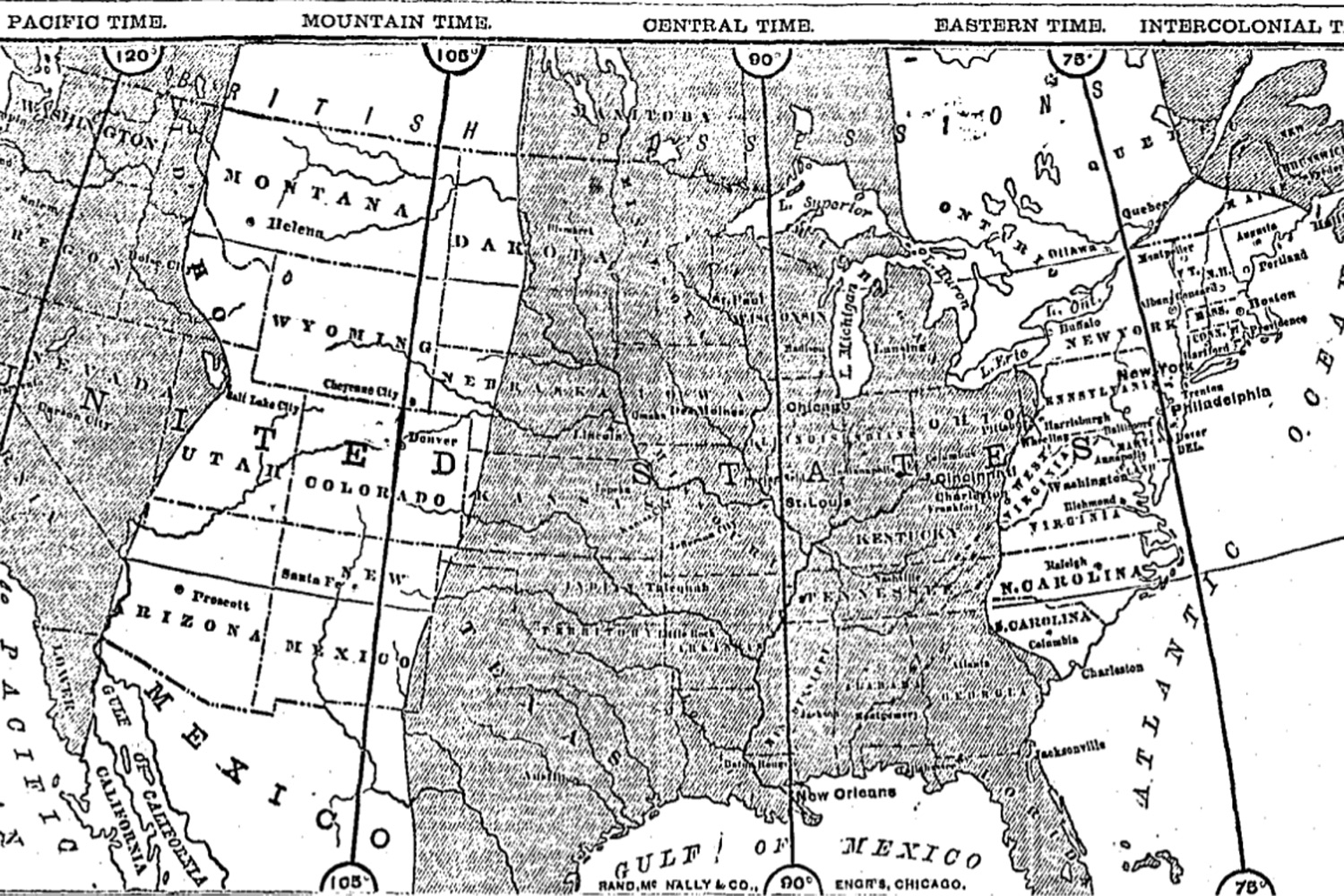
The United States is vast, spanning multiple time zones, and Chicago proudly resides in the Central Time Zone. This means that, at its core, Chicago is typically six hours behind Coordinated Universal Time (UTC-6) during standard time and five hours behind UTC-5 during daylight saving. This seemingly simple fact carries a wealth of implications for anyone visiting or conducting business in the city.
CST vs. CDT: Decoding Daylight Saving Time
The primary distinction within the Central Time Zone is between Central Standard Time (CST) and Central Daylight Time (CDT). This shift occurs annually due to Daylight Saving Time.
- Central Standard Time (CST): This is the default time zone, observed during the colder months. It runs from the first Sunday in November until the second Sunday in March. During this period, Chicago is UTC-6. You might hear locals refer to this as “standard time” when the clocks “fall back.”
- Central Daylight Time (CDT): As the weather warms and longer days approach, Chicago switches to Central Daylight Time. This occurs on the second Sunday in March, when clocks “spring forward” by one hour, effectively moving Chicago to UTC-5. This period lasts until the first Sunday in November. The purpose of Daylight Saving Time is to make better use of daylight, shifting an hour of daylight from the morning to the evening. For tourists, this means more sunlight during prime sightseeing hours.
Understanding this annual transition is crucial. If you’re planning a trip around these changeover dates, double-check your bookings and itinerary to ensure you’re always operating on the correct local time. Most modern devices adjust automatically, but it’s always wise to verify.
The Geographic Scope of the Central Time Zone
Chicago’s position within the Central Time Zone means it shares its time with a vast swath of the United States. This geographical alignment can be particularly relevant for travelers arriving from or departing to neighboring states. The Central Time Zone encompasses nearly all of Illinois, Wisconsin, Missouri, Arkansas, Iowa, Oklahoma, Mississippi, and Minnesota. Large portions of Texas, Kansas, Nebraska, North Dakota, South Dakota, Louisiana, Alabama, and Tennessee also fall within this zone, as do smaller parts of Michigan, Indiana, and Kentucky.
This widespread adoption means that a drive to a nearby state like Wisconsin or Indiana typically won’t involve a time change, simplifying regional travel plans. However, for those traveling from the East Coast (Eastern Time, UTC-5/UTC-4) or West Coast (Pacific Time, UTC-8/UTC-7), the time difference becomes a critical factor in managing schedules and combating jet lag.
Navigating Time Zones for Chicago Travelers
For any traveler, managing time zones is paramount to a smooth journey. This is especially true when traveling to a vibrant city like Chicago, where every hour can be packed with experiences. From the moment you book your flight to the last souvenir you purchase, the Central Time Zone will influence your decisions.
Planning Your Arrival and Departure Logistics
Your arrival and departure in Chicago are the first points where time zone awareness becomes crucial.
If you’re flying from the East Coast, you’ll gain an hour upon arrival. For example, a flight departing at 9:00 AM Eastern Time might land at 10:00 AM Central Time, giving you a welcome “extra” hour in your day. Conversely, flying from the West Coast means you’ll lose two hours, so an 8:00 AM Pacific Time departure might land you in Chicago at 2:00 PM Central Time, making the afternoon feel shorter.
These differences directly impact when you can check into your hotel or start your sightseeing. Consider booking flights that arrive earlier in the day if you’re crossing multiple time zones, allowing ample time to settle in and adjust. Similarly, when departing, factor in the time zone change for connecting flights or appointments back home. Many travelers landing at O’Hare International Airport or Midway International Airport will appreciate having a clear sense of local time to navigate transportation and reach their downtown accommodations efficiently.
Accommodation and Booking Across Time Zones
Booking your accommodation in Chicago also requires time zone diligence. Most hotels, whether it’s the historic Palmer House Hilton or the luxurious The Langham Chicago, adhere to standard check-in and check-out times, typically around 3:00 PM and 11:00 AM or 12:00 PM local time, respectively. If you’re arriving from a distant time zone, an early morning arrival might mean a few hours before your room is ready. Plan for this by having a “day bag” with essentials or by arranging with your hotel for luggage storage so you can explore immediately.
When making reservations for dining, tours, or entertainment, always confirm the times are expressed in Chicago’s local time. Online booking systems usually adjust, but a manual confirmation can prevent misunderstandings, especially if you’re booking well in advance or from a different continent. For instance, securing a coveted reservation at a restaurant in the West Loop for 7:00 PM Central Time needs to be crystal clear, regardless of what time it is where you are booking from.

Maximizing Your Chicago Experience: Time Zone Savvy Tourism
Chicago’s reputation as a world-class destination is built on its incredible array of attractions, vibrant culture, and culinary prowess. To truly immerse yourself in the city’s offerings, understanding how the Central Time Zone impacts your daily itinerary is key.
Sightseeing and Attractions
The operating hours of Chicago’s many museums, parks, and architectural marvels are all set to Central Time. The Art Institute of Chicago, Shedd Aquarium, and the Field Museum typically open around 9:00 AM or 10:00 AM and close in the late afternoon or early evening. Iconic spots like the Willis Tower Skydeck or Navy Pier might have extended hours, especially during peak tourist season.
Planning your sightseeing schedule with the time zone in mind allows for optimal flow. For example, if you arrive from the East Coast feeling an “extra” hour, an early start to visit Millennium Park and snap photos with Cloud Gate (The Bean) might feel natural. If you’re combating jet lag from the West Coast, starting with a more relaxed activity in the afternoon might be preferable. Always check the official websites for the most up-to-date operating hours, as these can vary seasonally or for special events. Consider an architectural boat tour on the Chicago River in the late afternoon, timed perfectly for a magical sunset view as the city lights begin to sparkle.
Dining and Nightlife
Chicago’s food scene is legendary, from deep-dish pizza to Michelin-starred restaurants. Dinner reservations typically begin around 5:00 PM or 6:00 PM Central Time, with prime times often being 7:00 PM or 8:00 PM. If you’re coming from a later time zone (like the East Coast), your internal clock might be ready for dinner earlier than locals, potentially allowing you to snag an earlier reservation. Conversely, from the West Coast, you might find yourself ready for a late-night snack when most restaurants are winding down.
The city’s nightlife, from jazz clubs in Uptown to cocktail lounges in River North, usually kicks off later in the evening and extends into the early morning hours, often until 2:00 AM or 3:00 AM on weekends. Being aware of the time difference can help you adjust your meal timings to align with local dining habits, making for a more authentic and enjoyable experience.
Business Engagements and Major Events
For business travelers or those attending conferences, understanding Chicago’s time zone is not just convenient, it’s essential. Meeting schedules, conference calls, and event timelines will all operate on Central Time. If you’re collaborating with colleagues on the East Coast, remember they are one hour ahead; with those on the West Coast, they are two hours behind. This requires careful coordination to avoid scheduling conflicts and ensure everyone is present and punctual.
Chicago also hosts numerous major events throughout the year, such as Lollapalooza in Grant Park, the Chicago Marathon, and various trade shows at McCormick Place. All schedules, performance times, and race starts are announced in Central Time. Missing the start of a favorite band or an important keynote speech due to a time zone miscalculation would be a significant disappointment, so always confirm local times for any scheduled activities.
Practical Tips for a Seamless Chicago Trip
A well-planned trip to Chicago hinges on anticipation and preparation. By integrating time zone awareness into your travel lifestyle habits, you can ensure a remarkably smooth and stress-free experience.
Pre-Arrival Preparation and On-The-Go Adjustments
- Reset Your Devices Immediately: Upon landing at O’Hare International Airport or Midway International Airport, or even as your plane begins its descent, manually update your analog watch if you wear one. Your smartphone and laptop will likely adjust automatically, but it’s always good to verify. Having all your devices on local time from the outset minimizes confusion.
- Utilize World Clock Apps: Before your trip, download a reliable world clock app. This allows you to quickly see the time in Chicago alongside your home time zone and any other relevant time zones (e.g., for family or business contacts). This is invaluable for planning calls or simply understanding the time difference.
- Confirm All Bookings in Local Time: This cannot be stressed enough. Whether it’s your Hyatt Regency Chicago reservation, a table at a critically acclaimed restaurant, a show at the Chicago Theatre, or a visit to the Lincoln Park Zoo, explicitly verify that all times are for Chicago’s Central Time. A quick confirmation call or email can prevent a missed experience.
- Communicate with Contacts: If you’re meeting friends, family, or business associates in Chicago, or if they’re relying on you to contact them, clearly establish meeting times in Central Time. For those you’re staying in touch with back home, let them know your time zone difference so they don’t call you at 3:00 AM local Chicago time.
Managing Jet Lag and Daily Rhythm
- Hydrate and Rest: Jet lag can significantly impact your enjoyment, especially when crossing multiple time zones. Stay well-hydrated before, during, and after your flight. Try to get as much sleep as possible on the plane if it’s an overnight journey.
- Adjust to Local Meal Times: Even if you’re not hungry, try to eat meals at Chicago’s local meal times. This helps signal to your body when it’s appropriate to be awake and when to wind down. Embrace the city’s culinary scene as a tool for time zone adaptation.
- Embrace Natural Light: Sunlight is a powerful regulator of your circadian rhythm. Spend time outdoors, especially in the morning, exploring areas like the Magnificent Mile, Grant Park, or admiring the architecture by Frank Lloyd Wright at the Robie House. Exposure to natural light helps reset your internal clock faster.
- Consider a Buffer Day: For longer trips or significant time zone changes, consider scheduling your first day in Chicago with lighter activities. This allows you to settle into your accommodation, explore your immediate surroundings, and gradually acclimate to the local time without the pressure of a packed itinerary. This “budget travel” tip can save you stress and enhance your overall experience.
In conclusion, knowing “What is Chicago’s time zone?” is far more than a trivial fact; it’s a cornerstone of effective trip planning and a key to maximizing your experience in this incredible city. By understanding the nuances of Central Standard Time and Central Daylight Time, managing your logistics, and adjusting your daily rhythm, you can ensure a seamless and unforgettable Chicago adventure. So, set your watches, embrace the Central Time Zone, and get ready to discover all that Chicago has to offer!