
When envisioning a home, many people automatically picture a multi-level structure complete with a basement, a subterranean space offering extra storage, a family room, or perhaps a quiet retreat. However, for those exploring the housing landscape or planning a long-term stay in the Sunshine State, a common question arises: “Do houses in Florida have basements?” The straightforward answer, for the vast majority of residential properties across this vibrant corner of the United States, is a resounding no. This isn’t just a quirky architectural preference; it’s a fundamental consequence of Florida’s unique geography, climate, and construction realities.
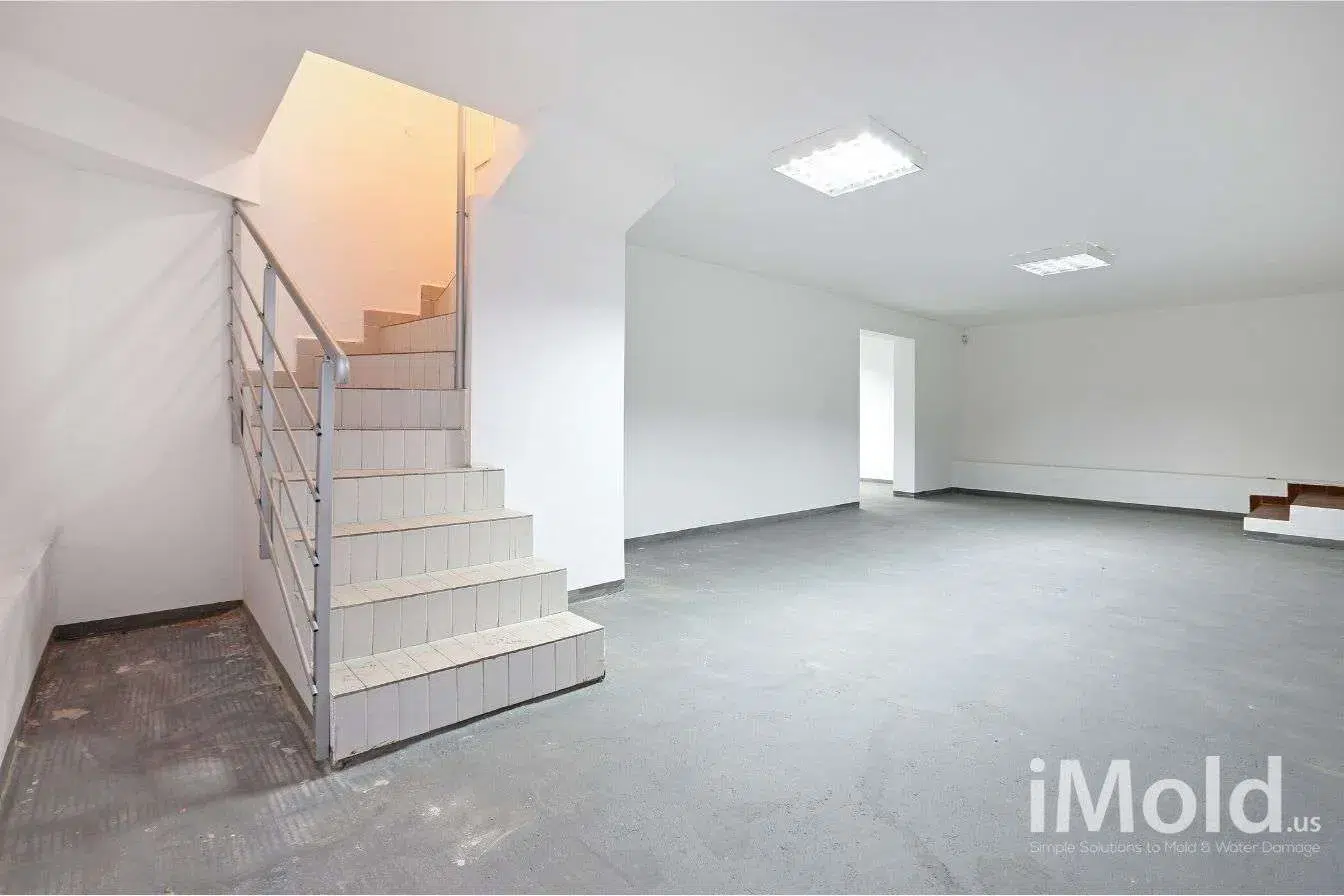
Understanding why basements are practically non-existent in Florida is crucial for anyone considering a move, a long-term rental, or even just curious about the local lifestyle and accommodation options. It touches upon everything from home design and resilience to the very fabric of daily life in a state renowned for its beaches, theme parks, and subtropical environment.
The Peculiarities of Florida’s Subterranean Landscape
Florida is famously flat, with much of its landmass lying barely above sea level. This topographical feature, combined with its distinct geological makeup and omnipresent water, creates an environment uniquely inhospitable to basement construction.
Geological Realities: The Sandy Foundation and Porous Limestone
Imagine digging a hole in Florida. More often than not, you’ll quickly encounter sand – lots of it. The state is largely built upon a foundation of sand, sediment, and shell fragments, accumulated over millions of years. Beneath this sandy topsoil lies a vast network of porous limestone. This isn’t the solid, bedrock-like granite found in many other parts of the world, but a highly permeable rock formed from ancient marine organisms.
This combination of loose sand and Swiss cheese-like limestone presents significant challenges for deep excavation. Trying to dig a stable, load-bearing basement into such a substrate is akin to building on a sponge. The loose sand offers poor structural support for subterranean walls, and the porous limestone provides little resistance to the inevitable — water. For those interested in landmarks and natural history, the extensive cave systems and sinkholes across Florida offer dramatic proof of the limestone’s soluble nature, revealing what happens when groundwater slowly erodes the rock over millennia.
The Unavoidable Water Table: A Constant Challenge
Perhaps the single most critical factor preventing basement construction in Florida is its notoriously high water table. Because the state is so low-lying and surrounded by the Atlantic Ocean to the east and the Gulf of Mexico to the west, groundwater is never far from the surface. In many areas, especially near the coasts or in low-lying central regions, the water table can be just a few feet below ground level.
Attempting to excavate a basement in such conditions would quickly turn into an aquatic endeavor. Builders would almost immediately hit groundwater, necessitating constant, expensive dewatering efforts. Even if a basement were successfully constructed, it would require an incredibly robust and costly waterproofing system to prevent persistent leaks and flooding, a battle that most engineers and homeowners are unwilling to fight. This constant battle against water profoundly shapes how Florida homes are designed and built, influencing everything from foundation types to landscaping.
The Climate Factor: Humidity and Mold Concerns
Florida’s subtropical climate is famous for its warmth and sunshine, drawing millions of tourists seeking travel experiences and a vibrant lifestyle. However, it’s also characterized by high humidity levels year-round, particularly during the lengthy rainy season. While this humidity is invigorating outdoors, it poses a significant threat to enclosed, below-grade spaces.
Basements, by their very nature, are cooler and often damper than the main living areas of a home. In Florida’s humid environment, any basement would be a prime breeding ground for mold, mildew, and other moisture-related issues. These aren’t just cosmetic problems; they can lead to structural damage, unpleasant odors, and serious indoor air quality concerns, impacting the health and comfort of residents. The constant need for aggressive dehumidification and ventilation would add another layer of ongoing expense and maintenance, making basements impractical and undesirable from a long-term habitability perspective. This is a crucial consideration for anyone looking into long-term accommodation options, whether renting an apartment or buying a home.
Engineering and Construction: Why Basements Are Impractical
The natural challenges posed by Florida’s environment translate into formidable engineering hurdles and exorbitant costs, making basement construction a financially unviable option for the vast majority of builders and homeowners.
The High Cost of Digging Deep: Waterproofing and Structural Integrity
Constructing a basement in Florida would be an engineering marvel, but one that comes with a prohibitive price tag. The process would involve:
- Extensive Dewatering: Pumping out groundwater continuously during excavation and construction, which is expensive and time-consuming.
- Advanced Waterproofing: Installing multi-layered, highly durable waterproofing membranes, drainage systems, and potentially even structural waterproofing additives to the concrete itself. This is far more complex and costly than standard foundation waterproofing.
- Reinforced Foundations: Designing and building exceptionally strong foundation walls and slabs capable of resisting hydrostatic pressure – the immense force exerted by groundwater pushing against the basement structure. This often requires thicker concrete, more rebar, and specialized construction techniques.
These specialized requirements would significantly inflate construction costs, often by hundreds of thousands of dollars, without adding proportional value to the property in a market where basements are neither expected nor desired. The return on investment simply isn’t there, making traditional slab-on-grade foundations or elevated construction far more economical and practical.
Facing the Storm: Basements and Hurricane Vulnerability
Florida is notoriously prone to hurricanes and tropical storms, particularly during the season stretching from June to November. These powerful weather events bring not only destructive winds but also torrential rainfall and storm surge, which can lead to widespread flooding. Given the state’s high water table and low elevation, basements would be exceptionally vulnerable to inundation during such events.

A basement, once flooded, becomes a breeding ground for mold and can suffer severe structural damage. The cleanup and repair process would be extensive, costly, and potentially recurring after each major storm. Insurance companies would likely shy away from covering such risks, or policies would come with astronomical premiums. Building codes and disaster preparedness guidelines prioritize elevating structures, not digging down, to mitigate flood damage. This focus on resilience against natural disasters heavily influences all aspects of home construction and urban planning across the state, ensuring that hotels, resorts, and residential accommodations are built to withstand Florida’s environmental challenges.
Building Codes and Regulations: Adapting to Florida’s Environment
Florida’s building codes are among the most stringent in the United States, particularly regarding wind resistance and flood mitigation, largely as a response to the state’s frequent hurricane activity. While codes don’t explicitly forbid basements, the practical requirements they impose for waterproofing, floodproofing, and structural integrity in high water table and flood-prone areas make their construction prohibitively complex and expensive.
Instead, codes encourage construction methods that are better suited to the local environment, such as slab-on-grade foundations (where the house sits directly on a concrete slab poured at ground level) or elevated pier-and-beam foundations (common in coastal flood zones). These methods are not only more cost-effective but also more resilient against the specific environmental challenges Florida faces. Local tourism boards and municipal planning departments often have readily available information on these regulations, reflecting a broader commitment to safety and sustainability in the face of natural elements.
Alternatives to Basements: Maximizing Space in Florida Homes
Despite the absence of basements, Florida homes are far from lacking in storage or additional living space. Builders and homeowners have developed creative and practical alternatives that align perfectly with the state’s environment and lifestyle.
The Indispensable Garage: More Than Just Parking
In Florida, the garage often takes on the role that a basement might play elsewhere. While primarily intended for vehicles, it frequently serves as a multipurpose space for storage, workshops, or even overflow living areas. Many homes, from modest residences to expansive villas, feature oversized two or three-car garages, offering ample room for bikes, kayaks, lawn equipment, holiday decorations, and much more.
The garage’s direct access to the exterior makes it convenient for storing recreational gear, a necessity in a state where outdoor activities are a cornerstone of the lifestyle. Furthermore, garages are built at grade, eliminating the water table and hydrostatic pressure issues that plague basements. They are an integral part of Florida home design, deeply integrated into the state’s approach to accommodation and practical living.
Attics, Bonus Rooms, and Elevated Living: Creative Space Solutions
When additional enclosed living space is desired, Florida homes typically look upwards, not downwards.
- Attics: While not usually designed for finished living spaces due to heat, attics provide valuable storage, particularly for items not sensitive to temperature fluctuations. Modern homes often include accessible attic spaces for this purpose.
- Bonus Rooms/Flex Spaces: Many homes are designed with dedicated bonus rooms above garages, or flex spaces that can be adapted as home offices, playrooms, media rooms, or extra bedrooms. These rooms are integrated into the main structure, benefiting from the home’s air conditioning and insulation, making them comfortable year-round.
- Two-Story Homes: Building vertically is a common solution for maximizing square footage on a limited footprint, providing extra bedrooms or living areas without subterranean complications.
- Elevated Homes: Particularly in coastal and flood-prone areas, homes are often built on pilings or stilts, elevating the main living areas several feet off the ground. While the space underneath is typically left open or screened, it can provide shaded parking, outdoor living areas, and limited storage for items like paddleboards or patio furniture, creating a unique lifestyle that embraces the outdoors. This architectural style, often seen in places like Key West, also provides an iconic visual for tourism.
Storage Sheds and Outdoor Living: Embracing the Sunshine State Lifestyle
Given Florida’s generous lot sizes and year-round pleasant weather, outdoor storage solutions are incredibly popular. Backyard sheds, ranging from small utility units to larger, workshop-style structures, provide abundant space for tools, gardening equipment, and recreational gear. These detached structures are cost-effective, easy to install, and pose no water table concerns.
Furthermore, much of Florida living revolves around the outdoors. Screened lanais, covered patios, and expansive decks effectively extend the living space, blurring the lines between indoor and outdoor environments. These areas, perfect for entertaining, dining, or simply relaxing, offer functional “rooms” that negate the need for a dark, subterranean space. For many, the idea of spending time in a basement when the sun is shining outside seems antithetical to the Florida lifestyle. This emphasis on outdoor living space is a key feature in many Florida resorts and vacation rentals as well, enhancing the travel experience.
Implications for Florida Lifestyles and Accommodation
The absence of basements in Florida homes has shaped not only construction practices but also the very fabric of daily life and the options available for both residents and visitors.
Buying, Building, and Renting: What to Expect
When searching for homes to buy, rent, or even booking long-term accommodation in Florida, prospective residents or long-term travelers should not expect to find basements. This is a standard feature of the local housing market. Instead, focus on properties that offer:
- Generous Garage Space: Essential for storage and possibly a hobby area.
- Functional Attics or Bonus Rooms: For additional flexible living or storage space.
- Outdoor Living Areas: Screened lanais and patios are significant assets, providing comfortable extensions of the indoor living space.
- Sufficient Closet and Pantry Space: Builders compensate for the lack of a basement by incorporating more built-in storage throughout the home.
Understanding these typical features will help set realistic expectations and allow you to better evaluate properties based on Florida’s unique architectural context. Many hotels and resorts in destinations like Orlando and Miami are also designed with an emphasis on open, airy spaces that maximize natural light, reflecting the same principles found in residential architecture.

Unique Charm and Practicality: Embracing the Florida Home Style
Ultimately, the lack of basements in Florida homes is not a deficiency but rather a sensible adaptation to the state’s distinctive environment. It reflects a practical approach to construction that prioritizes resilience against natural elements, optimizes for comfort in a humid climate, and maximizes the enjoyment of year-round outdoor living.
From the architectural nuances of homes in Tampa to the sprawling villas near Everglades National Park, Florida properties have a unique charm, shaped by the sun, sand, and water. Embracing this regional characteristic allows homeowners and visitors alike to fully appreciate the ingenious solutions that have evolved to create comfortable, functional, and beautiful living spaces in one of the most popular and environmentally distinct regions of the United States. So, while you won’t find a basement, you’ll discover a host of other features designed to enhance your Florida experience, making any stay, long or short, a true taste of the Sunshine State lifestyle.
LifeOutOfTheBox is a participant in the Amazon Services LLC Associates Program, an affiliate advertising program designed to provide a means for sites to earn advertising fees by advertising and linking to Amazon.com. Amazon, the Amazon logo, AmazonSupply, and the AmazonSupply logo are trademarks of Amazon.com, Inc. or its affiliates. As an Amazon Associate we earn affiliate commissions from qualifying purchases.