
For many, the mention of Florida conjures images of endless sunshine, pristine beaches, and swaying palm trees – a quintessential warm-weather paradise. It’s the “Sunshine State” for a reason, a beacon of warmth that draws millions seeking escape from the biting cold of winter. The very idea of snow gracing its shores seems almost paradoxical, a meteorological anomaly that defies its tropical and subtropical reputation. Yet, the question “Does it snow in Florida?” is one that often sparks curiosity, hinting at a rare, almost mythical phenomenon that occasionally, against all odds, becomes a fleeting reality.

While snow in Florida is indeed an exceptionally rare occurrence, it is not entirely unheard of. These instances are so infrequent and localized that they become significant historical events, talked about for decades. Far from the consistent blizzards and white landscapes of more northern climes, any snowfall in Florida is typically light, ephemeral, and quickly melts away, leaving behind only memories and a sense of wonder. This article delves into Florida’s unique climate, the extraordinary circumstances that lead to snow, and, more importantly, what visitors can truly expect from a winter escape to this enchanting state, focusing on the abundant travel, accommodation, and lifestyle experiences that define its enduring appeal.
The Sunshine State’s Diverse Climate: A Warm Welcome Awaits
Florida’s geographical span, stretching from its northern border deep into the Caribbean, results in a fascinating climate mosaic. This diversity is key to understanding why some parts of the state might glimpse a snowflake while others remain stubbornly warm.
Tropical and Subtropical Zones: Understanding Florida’s Weather Patterns
The state is broadly divided into two primary climate zones. The northern part of Florida, including vibrant cities like Jacksonville and historic Pensacola, experiences a humid subtropical climate. This means that while winters are generally mild and pleasant, there can be periods of cooler temperatures, occasionally dipping close to freezing. Summers here are hot and humid, typical of the southeastern United States. The central corridor, home to world-renowned attractions in Orlando, also falls predominantly within this subtropical classification, enjoying mild winters that are incredibly appealing for theme park visitors seeking comfortable weather for outdoor activities.
Further south, particularly from Miami down through the enchanting Florida Keys, the climate transitions into a true tropical zone. Here, freezing temperatures are almost unheard of, and the weather remains warm and humid throughout the year, even in the “winter” months. This distinct climatic division explains why the chances of snow diminish significantly the further south one travels. For travelers planning a winter getaway, understanding these nuances is crucial for packing appropriately and setting realistic expectations for the weather. Whether you’re chasing the vibrant city life of Miami, the family adventures of Orlando, or the serene beauty of the Florida Panhandle, the climate influences every aspect of your experience.
Typical Winter Weather: What to Expect During Florida’s Peak Season
Forget snow shovels and thick winter coats; a typical winter day in Florida is a far cry from the classic image of winter. Instead, visitors and residents alike bask in comfortable, often sunny conditions. In South Florida, daytime temperatures rarely fall below the high 60s Fahrenheit (20s Celsius) and frequently climb into the 70s and 80s. Even in North Florida, while mornings can be crisp, afternoons typically warm up to pleasant levels. The air is often drier and less humid than in summer, making it an ideal time for exploring attractions, enjoying outdoor sports, or simply relaxing by a pool.
This glorious winter weather is precisely why Florida becomes a prime travel destination from November to April. It’s the peak season for tourism, attracting “snowbirds” from colder regions, families seeking a holiday escape, and luxury travelers looking for an opulent retreat. This comfortable climate supports a vibrant lifestyle centered around outdoor living, making it an unparalleled choice for destinations ranging from bustling urban centers to secluded natural parks.
Rare Occurrences: When Snowflakes Grace Florida’s Skies
Given Florida’s reputation, actual snowfall is less a weather forecast and more a historical footnote, a rare marvel that captivates anyone fortunate enough to witness it.
Historic Snowfall Events: A Glimpse into Florida’s Icy Past
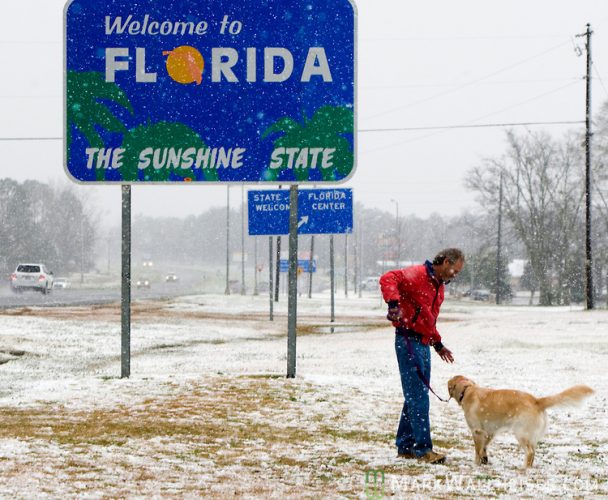
While incredibly uncommon, snow has indeed fallen in Florida on a handful of occasions, creating unforgettable moments for those who experienced them. The most famous and widespread event occurred on January 19, 1977. On this historic day, a powerful cold front brought snow flurries across much of the state, extending as far south as Miami. This remains the only time in recorded history that snow has been observed in Miami itself, a truly iconic moment that shocked residents and made national headlines. Imagine the awe of seeing flakes fall on palm trees – a sight almost alien to the subtropical landscape.
Other notable instances include January 13, 1958, when widespread snow blanketed parts of North Florida and even central regions. More recently, on January 28, 2014, parts of the Florida Panhandle and North Florida reported sleet and light snow, reminding residents of the potential, however slim, for winter precipitation. Perhaps the most significant recent event was on January 3, 2018, when Tallahassee, the state capital, experienced its first measurable snowfall in decades, accumulating enough to briefly cover surfaces and disrupt normal routines. These events, though sparse, serve as powerful reminders of weather’s unpredictable nature and the fleeting magic of snow in an unexpected place.
Factors Contributing to Snow: A Perfect Alignment of Rare Conditions
For snow to fall in Florida, a very specific and rare set of meteorological conditions must align perfectly. It’s not just about cold air; it requires a sustained and deep cold air mass, combined with sufficient moisture, both reaching the ground at freezing temperatures.
Typically, an unusually potent arctic cold front must push far south from the Arctic region, diving deep into the Gulf Coast states and overriding the typically warm waters surrounding Florida. This frigid air mass must be strong enough to maintain temperatures at or below 32°F (0°C) not only at the ground level but also through the entire atmospheric column where precipitation is forming. Concurrently, there must be enough atmospheric moisture to generate precipitation. Often, cold fronts in Florida are dry, or the cold air doesn’t extend high enough for snow to form, resulting in rain even when ground temperatures are low. When these elements miraculously converge, the result is the ethereal, fleeting snowfall that occasionally graces Florida’s landscape. These precise conditions are why such events are so infrequent, making them truly remarkable when they occur.

Beyond the Flurries: Experiencing Florida’s Winter Charm
While the prospect of snow in Florida is a fascinating rarity, the true charm of a winter visit lies in the abundance of activities and experiences that thrive under its celebrated sun. Florida during winter is not about huddling indoors; it’s about embracing the vibrant outdoors.
Winter Activities and Attractions: Sunshine-Filled Adventures
Instead of worrying about snow boots, travelers to Florida in winter should pack swimsuits, light jackets, and comfortable walking shoes, ready to explore a diverse array of destinations and attractions. The pristine beaches of South Florida, such as those in glamorous Fort Lauderdale, sophisticated Naples, or the iconic South Beach in Miami, become idyllic havens. The cooler, less humid air makes beach activities, from sunbathing and swimming to paddleboarding and jet skiing, incredibly enjoyable without the intense heat of summer.
For families, the winter months are arguably the best time to visit world-famous theme parks like Walt Disney World Resort and Universal Orlando Resort. The comfortable temperatures make navigating the parks, enduring lines, and enjoying outdoor shows far more pleasant. Beyond the theme parks, Florida’s natural wonders beckon. Ecotourism flourishes with airboat tours through the vast Everglades National Park, allowing visitors to spot alligators and diverse birdlife. Kayaking or swimming in the refreshing, crystal-clear waters of natural springs like Weeki Wachee Springs State Park offers a unique and memorable experience.
For those interested in culture and history, cities like St. Petersburg boast world-class museums, while St. Augustine, the nation’s oldest continuously inhabited European-established settlement, offers a captivating journey through centuries of history. Winter is also prime time for numerous festivals, outdoor concerts, and art fairs across the state, adding to the rich tapestry of local culture and activities. These experiences cater to various lifestyles, from adventurous family trips to serene cultural explorations, making Florida a dynamic destination for all types of travelers.
Planning Your Winter Getaway: Accommodation and Tourism Tips
Given its immense popularity during the winter season, meticulous planning is essential for a seamless and enjoyable Florida trip. Accommodation options are incredibly diverse, catering to every budget and travel style. From luxurious resorts offering unparalleled amenities in exclusive locales like Palm Beach to sprawling family-friendly complexes around Orlando, and charming boutique hotels tucked away in the bohemian streets of Key West, there’s a perfect stay for everyone.
Many visitors opt for vacation rentals or villas, especially for extended stays or larger groups, providing the comforts of home with the added benefit of private pools and spacious living areas. It’s always advisable to book your hotels and accommodation well in advance, particularly if traveling during peak holiday periods or major events, to secure the best rates and preferred locations. Websites and travel guides often provide valuable reviews and comparisons, helping travelers choose between budget-friendly suites, mid-range apartments, or opulent villas.
Beyond lodging, consider local food tours to savor Florida’s fresh seafood and rich Latin-influenced cuisine, especially in cities like Tampa and Key West. Explore different lifestyle offerings, whether it’s a dedicated golf trip to one of Florida’s championship courses, a thrilling fishing charter in the Gulf of Mexico, or simply unwinding by a heated pool at a lavish resort. The state’s tourism infrastructure is geared towards providing an exceptional experience, ensuring that your winter escape is filled with unforgettable moments, far removed from the cold realities of winter elsewhere.
Debunking Myths: Snow vs. Sleet vs. Frost
While the word “snow” captures the imagination, it’s often mistakenly used to describe other forms of winter precipitation that are more common in Florida. Clarifying these distinctions is crucial for visitors who might hear reports of “wintry mix” and imagine a white wonderland.
Differentiating Winter Precipitation: The Real Story in Florida
True snow consists of ice crystals that fall from the sky and remain frozen as they reach the ground, typically forming delicate flakes. In Florida, this is the rarest phenomenon.
More commonly, especially in the northern and central parts of the state when temperatures dip near or below freezing, one might encounter sleet. Sleet forms when snowflakes melt into rain as they fall through a layer of warm air, then refreeze into tiny ice pellets before hitting the ground. These small, often bouncing, ice pellets can sometimes be mistaken for snow due to their icy appearance, but they are distinct.
Even more frequent than sleet is frost. Frost is not precipitation falling from the sky but rather ice crystals that form on surfaces (like grass, car windshields, or rooftops) when the ambient air temperature drops to freezing or below, and there’s sufficient moisture in the air. This typically occurs on clear, calm winter nights. While a “frosty morning” might make for a picturesque scene, it’s a surface phenomenon and doesn’t involve precipitation falling as snow. Understanding these differences helps to contextualize any rare reports of “winter weather” in Florida, reinforcing that the true, picturesque snowfall is a truly extraordinary event.
Conclusion
So, does it snow in Florida? The definitive answer is yes, but with an emphatic asterisk: it’s an extremely rare and historically significant event, not a regular occurrence. The instances of snow are fleeting, localized, and typically confined to the northern reaches of the state, with only one truly historic event reaching as far south as Miami in the last century.
For the vast majority of visitors and residents, Florida’s winter is characterized by glorious sunshine, comfortable temperatures, and an unparalleled array of outdoor activities. It’s a time when the state truly lives up to its “Sunshine State” moniker, offering a perfect escape from colder climates. From the thrill of world-class theme parks and the serenity of pristine beaches to the adventure of ecotourism and the richness of cultural landmarks, Florida presents an inviting canvas for diverse travel experiences.
Whether you’re seeking a luxurious resort stay, a budget-friendly family trip, or an immersive cultural adventure, Florida’s winter promises warmth, excitement, and relaxation. So, while you might tell a fascinating story if you ever witness a snowflake in Florida, rest assured that your winter getaway will primarily be filled with sunshine, gentle breezes, and unforgettable memories that are wonderfully unique to this extraordinary destination.
LifeOutOfTheBox is a participant in the Amazon Services LLC Associates Program, an affiliate advertising program designed to provide a means for sites to earn advertising fees by advertising and linking to Amazon.com. Amazon, the Amazon logo, AmazonSupply, and the AmazonSupply logo are trademarks of Amazon.com, Inc. or its affiliates. As an Amazon Associate we earn affiliate commissions from qualifying purchases.