
Florida, the Sunshine State, is a paradise for anglers, beckoning millions with its diverse aquatic landscapes and abundant fish populations. From the vast saltwater expanses of the Atlantic Ocean and the Gulf of Mexico to its numerous freshwater lakes, rivers, and ponds, fishing here isn’t just a pastime; it’s a cherished lifestyle and a significant draw for tourism. Whether you’re a seasoned pro planning a dedicated fishing expedition or a family looking to cast a line off a pier during your vacation, a fundamental question often arises: “Do you need a license to fish in Florida?”
The simple and most common answer is yes, with some important nuances and exceptions that every prospective angler should understand. Navigating the regulations set forth by the Florida Fish and Wildlife Conservation Commission (FWC) is crucial not only for compliance but also for contributing to the conservation of Florida’s invaluable natural resources. This comprehensive guide aims to demystify the licensing process, clarify exemptions, detail license types, and provide insights into making your Florida fishing adventure both enjoyable and compliant. For travelers, understanding these requirements is as essential as booking your ideal accommodation or planning your itinerary of attractions.
Navigating Florida’s Fishing License Requirements
Before you pack your tackle box and head to the nearest fishing spot, it’s imperative to understand who needs a license and who might be exempt. These rules are designed to manage fish populations sustainably, ensuring that future generations can also enjoy the thrill of fishing in Florida.
Who Needs to Cast with Caution?
Generally, anyone engaging in recreational fishing in Florida will need to possess a valid recreational fishing license. This applies universally to both residents and non-residents, though there are slight differences in pricing and duration options.
- Residents: If you are a Florida resident between the ages of 16 and 64, a recreational fishing license is a must. Proof of residency is often required when purchasing a resident license.
- Non-residents: All non-residents aged 16 and older are required to have a recreational fishing license. This is a common requirement across most states and helps ensure that everyone who benefits from the state’s natural resources contributes to their maintenance.
The definition of a “resident” for licensing purposes typically involves residing continuously in Florida for a certain period (e.g., six months) and claiming Florida as your primary state of residence. Always verify the latest residency definitions on the FWC website.
Understanding Exemptions: When You Don’t Need a License
While the general rule is to have a license, several scenarios provide exemptions, often catering to specific demographics or fishing contexts. Understanding these can save you time and money, especially if you’re visiting for a short trip or fall into a specific category.
- Youthful Anglers: Children under 16 years of age are exempt from needing a fishing license in Florida, making it an excellent family-friendly activity. This encourages young people to engage with nature and develop an appreciation for the outdoors from an early age.
- Senior Residents: Florida residents who are 65 years of age or older are not required to purchase a recreational fishing license. However, they must carry proof of age and residency, such as a Florida driver’s license or ID card, to demonstrate their eligibility for the exemption.
- For-Hire Vessels (Charter Boats): If you are fishing from a licensed for-hire vessel, such as a charter boat or a guide boat, you typically do not need your own individual fishing license. The vessel itself is usually covered by a valid vessel license that extends to all its passengers. This is a popular option for tourists who want a hassle-free fishing experience guided by local experts.
- Licensed Piers or Facilities: Similarly, if you’re casting your line from a pier or facility that has been issued a valid pier fishing license, you are generally exempt from needing an individual license. Many tourist-friendly piers along the coasts operate under such licenses. It’s always a good idea to check with the pier management beforehand.
- Free Fishing Days: The FWC periodically designates “Free Fishing Days” during the year. These special days allow residents and non-residents to fish without a license in either freshwater (typically the first weekend of June) or saltwater (first weekend of September). These are fantastic opportunities for beginners to try fishing without the initial investment of a license.
- Cane Pole Fishing (Residents Only): Florida residents can fish for non-commercial purposes with a cane pole in their county of residence without a license. A cane pole is defined as a non-mechanical fishing device without a reel.
- Persons with Disabilities: Certain individuals with disabilities may also be exempt or eligible for reduced-cost licenses. Specific criteria apply, so it’s advisable to consult the FWC website for detailed information regarding these provisions.
Understanding these exemptions is vital for anyone planning a fishing trip to Florida. Always carry appropriate identification or proof of eligibility if you believe you qualify for an exemption.
Your Guide to Florida Fishing Licenses: Types and Purchase
Once you’ve determined that you need a license, the next step is to choose the correct type and know where to purchase it. Florida’s diverse fishing environments necessitate different licenses, and the state has made the purchasing process remarkably convenient.
Choosing the Right License for Your Angling Adventure
The type of license you need largely depends on where you plan to fish and what species you intend to target.
- Freshwater Fishing License: This license is essential if your angling adventures will take you to Florida’s inland lakes, rivers, and ponds. Think bass fishing in Orlando‘s surrounding lakes or exploring the Everglades’ unique ecosystem.
- Saltwater Fishing License: If your passion lies with the ocean, bays, estuaries, or intercoastal waterways, a saltwater fishing license is required. This covers everything from deep-sea fishing off the Florida Keys to casting from the beaches of Miami or St. Petersburg. It applies whether you’re fishing from a private boat, wading, or casting from shore (unless covered by a specific shoreline exemption).
- Combination License: For those who enjoy both freshwater and saltwater fishing, a combination license is often the most cost-effective and convenient option. This single license covers both environments, eliminating the need for separate purchases.
- Shoreline Saltwater License: A special, no-cost saltwater fishing license is available for Florida residents who only fish for saltwater species from the shore or a structure attached to the shore. It’s important to note that this license does not cover fishing from a boat, by swimming, or by wading.
- Special Permits/Tags: Beyond the basic licenses, certain highly regulated species require additional permits or tags. For instance, if you intend to harvest a Tarpon (a predominantly catch-and-release species) or Snook, you’ll need a special Tarpon tag or a Snook permit in addition to your regular saltwater license. Harvesting spiny lobster also requires a specific lobster permit. These special permits are crucial for conservation efforts.
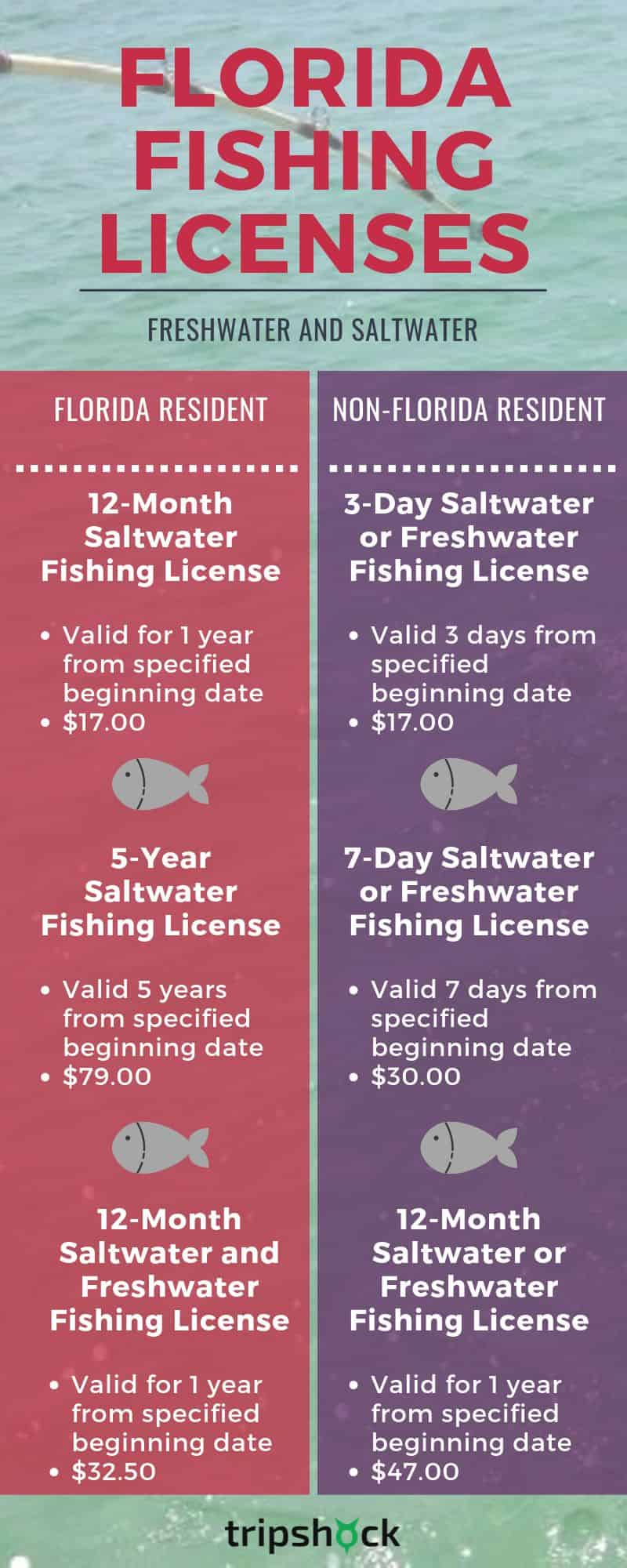
Licenses can be purchased for various durations to suit different travel and lifestyle needs. Options typically include annual licenses (valid for one year from the date of purchase), five-year licenses for residents, and short-term licenses (e.g., 3-day or 7-day options) that are incredibly popular among tourists. The cost varies based on residency status, license type, and duration. For example, a non-resident 3-day saltwater license might be around $17, while an annual resident freshwater/saltwater combo could be approximately $32.50.
Where to Secure Your Fishing Permit
Obtaining a Florida fishing license is a straightforward process, designed for maximum convenience.
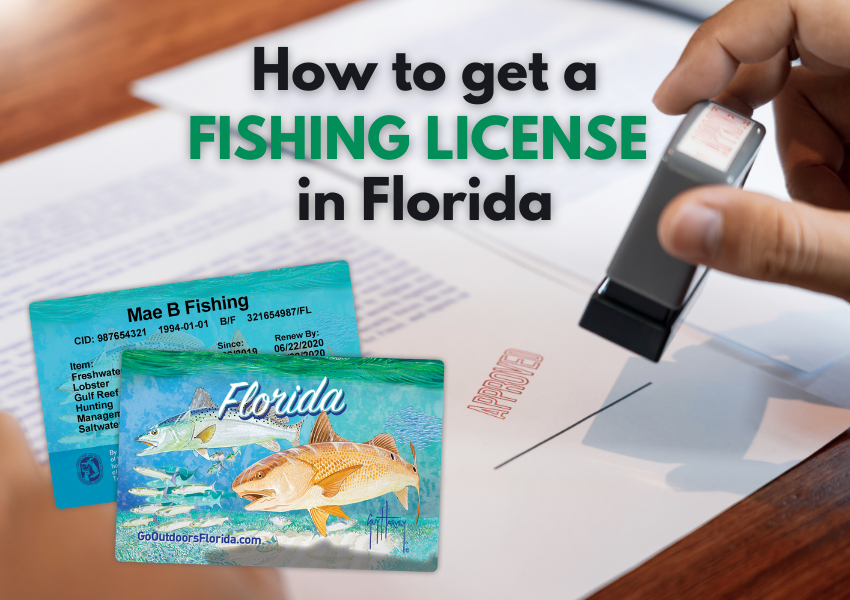
- Online: The quickest and most recommended method is to purchase your license online through the FWC’s official licensing portal, GoOutdoorsFlorida.com. This platform allows you to purchase and print your license instantly, or save it to your mobile device, making it ideal for last-minute decisions.
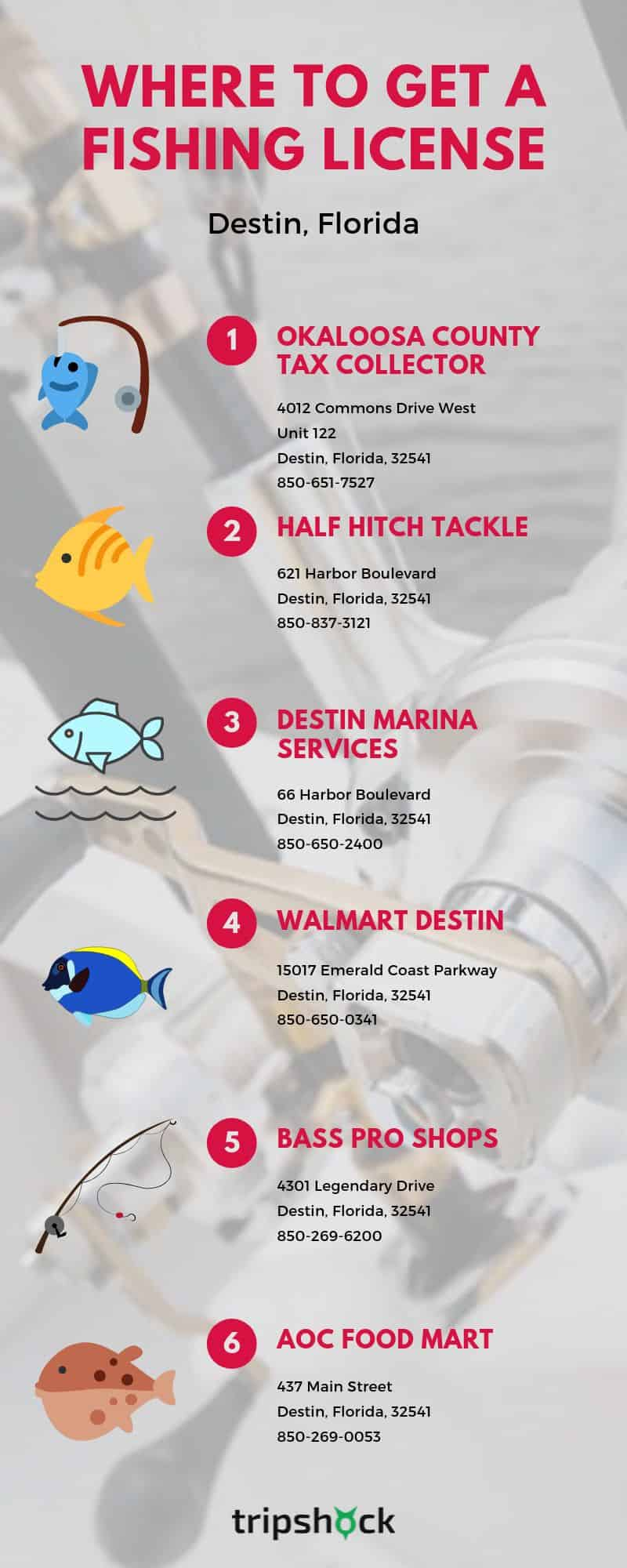
- In Person: Licenses can also be bought in person at numerous authorized vendors across the state. These include local bait and tackle shops, major sporting goods retailers like Bass Pro Shops and Cabela’s, chain stores such as Walmart, and various county tax collectors’ offices. Look for establishments displaying the “GoOutdoorsFlorida” sign.
- By Phone: For those who prefer phone transactions, licenses can be purchased by calling the toll-free number 888-FISH-FLORIDA (888-347-4356).
Regardless of how you purchase it, always ensure your license is valid and readily accessible when you are fishing. Digital copies on your smartphone are usually accepted.
Beyond the License: Essential Regulations and Conservation
Possessing a valid fishing license is just the first step. To truly be a responsible and effective angler in Florida, you must also understand and adhere to the broader set of fishing regulations. These rules are not arbitrary; they are the backbone of Florida’s successful conservation efforts and are vital for maintaining healthy fish populations, which in turn supports the state’s tourism and lifestyle offerings.
Adhering to Florida’s Fishing Rules
The FWC enforces a comprehensive set of regulations designed to protect specific species and manage fishing pressure. These rules can vary significantly based on the species, the body of water, and even the time of year.
- Bag Limits: These specify the maximum number of fish of a particular species you are permitted to keep per person, per day. Bag limits prevent overharvesting and allow a healthy number of fish to remain in the ecosystem.
- Size Limits: For many species, there are minimum or maximum length requirements for keeping a fish. For example, a Red Drum might need to be within a certain slot size (e.g., 18-27 inches) to be legal to harvest, protecting both juvenile fish and large, breeding adults.
- Closed Seasons: Certain species have specific periods when they cannot be harvested at all. These closed seasons typically coincide with spawning periods, allowing fish to reproduce undisturbed and replenish their populations.
- Prohibited Gear: The use of certain types of fishing gear may be restricted or entirely prohibited to prevent indiscriminate harvesting or damage to habitats. Examples might include specific net types or certain hook configurations.
- Marine Protected Areas (MPAs) and No-Take Zones: Some areas are designated as MPAs or no-take zones where fishing is either highly restricted or completely forbidden to protect critical habitats or vulnerable species. Always be aware of your location.
It is absolutely crucial to consult the current FWC fishing regulations handbook or their website before each fishing trip. Regulations can change, and ignorance of the law is not an excuse for non-compliance. Penalties for violating fishing regulations can range from significant fines to the confiscation of gear and even criminal charges, so always err on the side of caution.
The Importance of Sustainable Fishing for Florida’s Ecosystem and Tourism
Florida’s vibrant tourism economy is intrinsically linked to its pristine natural environment, and world-class fishing is a cornerstone of this appeal. Healthy fish populations are not just important for anglers; they are vital for the entire marine and freshwater ecosystems.
The fees collected from fishing license sales directly contribute to the FWC’s critical conservation efforts. These funds support habitat restoration projects, scientific research into fish populations, law enforcement to ensure compliance, and educational programs that promote responsible angling practices. Without these funds and regulations, overfishing could quickly deplete fish stocks, leading to devastating impacts on biodiversity, the health of the waterways, and the livelihoods of countless individuals involved in the fishing and tourism industries. From charter captains and bait shop owners to hotels and restaurants that cater to visiting anglers, many depend on the sustainability of Florida’s aquatic resources. Engaging in licensed and regulated fishing is, therefore, a direct contribution to preserving the very attraction that draws so many to the Sunshine State.
Enhancing Your Florida Fishing Experience
Fishing in Florida is more than just catching fish; it’s an immersive experience that can be seamlessly integrated into various travel styles and lifestyles. Whether you seek luxury, adventure, or a budget-friendly family outing, Florida offers a fishing experience for everyone.
Integrating Fishing into Your Florida Travel Itinerary
For travelers, planning a fishing trip in Florida opens up a world of possibilities. Destinations across the state offer unique angling opportunities, often complemented by excellent accommodation and attractions.
- Coastal Havens: Destinations like the Florida Keys, Miami, St. Petersburg, or Sarasota are renowned for their saltwater fishing. Many hotels and resorts in these areas specialize in catering to anglers, offering amenities such as private docks, fish cleaning stations, and even on-site fishing gear rentals. Some luxury resorts can arrange private yacht charters for deep-sea fishing, complete with professional guides and gourmet catering. When booking your accommodation, consider properties that are centrally located to popular marinas or fishing piers, or those that explicitly advertise fishing packages.
- Freshwater Gems: While theme parks like Walt Disney World Resort in Orlando might be the main draw, the Central Florida region also boasts some of the best freshwater bass fishing in the country. Many vacation rentals and smaller, family-run lodges near lakes offer direct access and boat rentals, perfect for a peaceful day of fishing away from the crowds.
- Unique Adventures: For a truly unique experience, consider fishing in Everglades National Park, where you can encounter an incredible variety of freshwater and saltwater species in a stunning natural setting. Guided airboat tours often include fishing opportunities, providing an unforgettable blend of wildlife viewing and angling.
Before finalizing your travel plans, always check with your accommodation provider or local tourism board about specific fishing opportunities, recommended guides, and local regulations. They can often provide invaluable tips and help you make the most of your trip.
Making the Most of Your Angling Lifestyle in the Sunshine State
Florida offers a diverse range of fishing experiences that can be tailored to any lifestyle.
- Luxury Travel: Imagine a week-long stay at a five-star resort in Naples, where daily excursions on a fully crewed sportfishing yacht target prized game fish. Post-fishing, indulge in a gourmet meal prepared with your day’s catch, perhaps paired with fine wines. These experiences cater to those seeking an exclusive and pampered angling adventure.
- Budget Travel: Fishing doesn’t have to break the bank. With a low-cost shoreline saltwater license (for residents) or an affordable short-term non-resident license, you can enjoy excellent fishing from public piers, bridges, or beaches. Pack a picnic, rent an affordable apartment or stay at a budget-friendly hotel, and enjoy the simple pleasure of casting a line into the ocean or a quiet lake.
- Family Trips: Fishing is a fantastic activity for families, teaching patience, fostering an appreciation for nature, and creating lasting memories. Many resorts offer kid-friendly fishing programs, and the abundance of easily accessible fishing spots (like licensed piers where no individual license is needed) makes it an easy addition to any family vacation.
- Business Stays: Even during a business trip to cities like Tampa or Jacksonville, a quick morning or evening fishing trip can provide a perfect break. Many urban areas have accessible fishing spots, and a short-term license allows for flexibility.
No matter your preference, Florida’s fishing scene is designed to accommodate and delight. The key is to be prepared, understand the rules, and embrace the vast opportunities that the Sunshine State offers.
In conclusion, the answer to “Do you need a license to fish in Florida?” is generally a resounding yes for most adults. However, a clear understanding of the exemptions, license types, and purchasing options provided by the Florida Fish and Wildlife Conservation Commission ensures a legal, enjoyable, and environmentally responsible fishing experience. So, secure your license, familiarize yourself with the regulations, and get ready to create unforgettable memories in Florida’s unparalleled aquatic playgrounds. Your next great catch awaits!
LifeOutOfTheBox is a participant in the Amazon Services LLC Associates Program, an affiliate advertising program designed to provide a means for sites to earn advertising fees by advertising and linking to Amazon.com. Amazon, the Amazon logo, AmazonSupply, and the AmazonSupply logo are trademarks of Amazon.com, Inc. or its affiliates. As an Amazon Associate we earn affiliate commissions from qualifying purchases.