
Florida, often affectionately known as the Sunshine State, beckons travelers and adventure-seekers with its pristine beaches, vibrant cities, and endless stretches of scenic roads. From the sun-drenched sands of South Beach in Miami to the historic charm of St. Augustine and the enchanting natural beauty of the Florida Keys, the state offers a unparalleled backdrop for exploration. For many, the ultimate way to experience this subtropical paradise is from the seat of a motorcycle, feeling the warm breeze and soaking in the panoramic views. The freedom of the open road, especially along iconic routes like the Overseas Highway, makes motorcycling an exceptionally popular lifestyle choice and a thrilling mode of travel in Florida.

However, amidst the allure of motorcycle travel, a crucial question arises for both residents and visitors alike: “Do you need insurance for a motorcycle in Florida?” The answer, while seemingly straightforward, carries nuances that are essential to understand for legal compliance, financial protection, and ultimate peace of mind. Navigating the legalities of motorcycle insurance can be complex, especially since Florida’s laws differ significantly from those governing automobile insurance. Whether you’re planning a cross-state tour, renting a bike for a weekend getaway in Orlando, or are a permanent resident enjoying the local routes of Tampa or Jacksonville, understanding your insurance obligations and options is paramount. This comprehensive guide will delve into the intricacies of motorcycle insurance in Florida, helping you ensure your journeys are as safe and worry-free as they are exhilarating.
The Legal Landscape of Motorcycle Insurance in Florida
The legal requirements for motorcycle insurance in Florida are distinct and often misunderstood, especially when compared to the mandatory Personal Injury Protection (PIP) coverage for automobiles. This unique approach reflects Florida’s specific legislative framework, designed to address the risks and responsibilities associated with operating a motorcycle. Understanding these requirements is the first step toward responsible riding in the Sunshine State.
Is Motorcycle Insurance Mandatory in Florida?
The direct answer to whether motorcycle insurance is mandatory in Florida is often surprising: it is not explicitly required by law unless certain conditions are met. Unlike cars, which are subject to Florida’s no-fault insurance laws requiring PIP, motorcycles are exempt from this specific mandate. This means a motorcycle owner does not need to carry a PIP policy in Florida.
However, this does not mean riders are free from financial responsibility. Florida operates under a “financial responsibility” law. This statute dictates that if you are involved in an at-fault accident, you are personally liable for any bodily injuries or property damage you cause. If you fail to demonstrate financial responsibility—either by possessing an adequate insurance policy, posting a bond, or showing other proof of financial solvency—your driving privileges, motorcycle registration, and license plates could be suspended for up to three years. This crucial distinction means that while upfront insurance isn’t universally mandatory for all riders, it becomes a necessity if you’re found at fault in an accident, or if you’re financing your motorcycle (as lenders almost always require full coverage). Thus, for practical purposes and protection, carrying insurance is highly advisable for any motorcyclist traversing Florida’s roads.
Minimum Requirements and Coverage Options
When an insurance policy is required, or when a rider chooses to purchase one for protection, Florida sets minimum liability limits. The standard minimum coverage to satisfy the financial responsibility law is:
- Bodily Injury Liability (BIL): $10,000 per person and $20,000 per accident. This covers medical expenses and lost wages for others if you’re at fault in an accident.
- Property Damage Liability (PDL): $10,000 per accident. This covers damage to other people’s property, such as vehicles, fences, or buildings, if you’re at fault.
Beyond these minimums, a comprehensive motorcycle insurance policy offers a range of additional coverage options that provide far greater protection and peace of mind, especially given the unique risks associated with motorcycling. These include:
- Uninsured/Underinsured Motorist (UM/UIM) Coverage: This is incredibly important in a state where not all drivers carry adequate insurance. UM/UIM protects you if you’re injured by a driver who has no insurance or insufficient insurance to cover your medical bills and damages.
- Medical Payments (MedPay): Covers medical expenses for you and your passengers, regardless of who is at fault in an accident. This can fill gaps left by health insurance deductibles or co-pays.
- Collision Coverage: Pays for damage to your motorcycle resulting from a collision with another vehicle or object, regardless of fault. This is essential for protecting your investment.
- Comprehensive Coverage: Protects your motorcycle from non-collision incidents such as theft, vandalism, fire, natural disasters (a significant concern in Florida during hurricane season), or striking an animal.
- Accessory Coverage: If you’ve customized your bike with aftermarket parts, chrome, or special electronics, this coverage protects those modifications, which often exceed standard policy limits.
- Roadside Assistance: Provides help with towing, flat tires, battery jump-starts, and fuel delivery, which can be invaluable when exploring remote areas or experiencing a breakdown far from home or your chosen accommodation.
Considering the potential costs of an accident—medical bills, property damage, legal fees—opting for more than the bare minimum is a prudent decision for any rider planning to experience the vibrant lifestyle and diverse attractions of Florida.
Beyond the Law: Why Motorcycle Insurance is a Smart Choice in the Sunshine State
While the legal nuances of motorcycle insurance in Florida might suggest that it’s not always a hard requirement, responsible riders and savvy travelers understand that carrying comprehensive coverage extends far beyond mere compliance. It’s a strategic decision that safeguards your financial well-being, offers invaluable peace of mind, and ultimately enhances your entire travel or lifestyle experience in the Sunshine State.
Protecting Yourself and Your Ride on Florida’s Roads
Florida’s allure as a motorcycling destination is undeniable, with its miles of coastal roads, lush landscapes, and iconic landmarks like the Kennedy Space Center Visitor Complex and the vibrant Art Deco Historic District of Miami Beach. However, even in paradise, risks exist. Motorcycles, by their very nature, offer less protection than enclosed vehicles, making riders more vulnerable in the event of an accident.
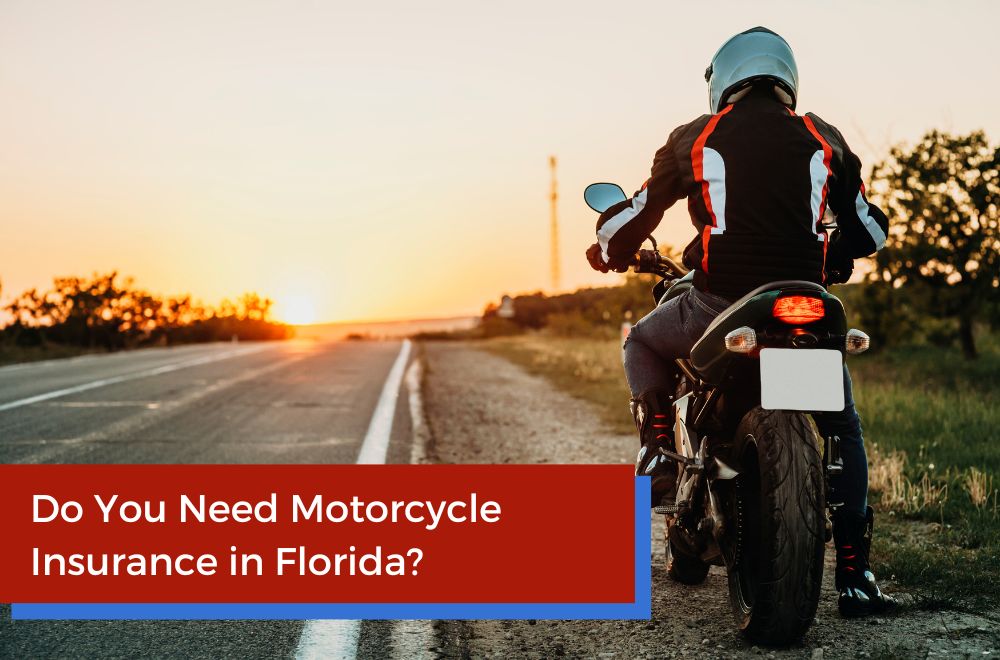
Motorcycle insurance provides a critical safety net. Imagine cruising along the Gulf Coast near Sarasota or exploring the historic streets of St. Augustine when an unforeseen incident occurs. Without adequate insurance, the financial aftermath could be catastrophic. Medical bills for injuries, even minor ones, can quickly escalate into tens of thousands of dollars. If you’re at fault, you could face hefty repair costs for other vehicles or property, not to mention potential lawsuits. Insurance shields you from these direct financial burdens, allowing you to focus on recovery rather than crushing debt.
Furthermore, Florida’s environment presents unique challenges. The state is known for its sometimes unpredictable weather, including sudden downpours and tropical storms, particularly during hurricane season. Comprehensive coverage can protect your motorcycle from damage caused by natural disasters, theft (unfortunately, a risk in any popular tourist area), or vandalism while it’s parked at your hotel in Fort Lauderdale or an attraction near Orlando like Walt Disney World Resort or Universal Studios Florida. For those planning long-term stays or simply enjoying extended exploration, this protection is invaluable. The freedom to traverse the state, from the serene beaches of Clearwater Beach to the bustling cityscapes of West Palm Beach, without constant financial worry, truly elevates the lifestyle of a motorcyclist in Florida.
Navigating Accidents and Claims in Florida
Should the unthinkable happen and you’re involved in a motorcycle accident in Florida, having insurance simplifies an otherwise complex and stressful situation. The immediate aftermath of an accident can be chaotic, filled with shock, potential injuries, and the daunting task of assessing damage. Your insurance policy acts as a crucial guide through this process.
If you have liability coverage, your insurance company will handle the claims from the other parties involved, negotiating with their insurance providers and covering the costs up to your policy limits. This alleviates the immense pressure of direct financial negotiation and potential legal disputes. If you have collision coverage, your insurer will assess the damage to your motorcycle and arrange for repairs or provide compensation for its total loss, minus your deductible. For those traveling and relying on their motorcycle for getting around, this efficient claims process can be critical for getting back on the road quickly or arranging alternative transportation while your bike is being serviced.
Moreover, if you are injured, medical payments or uninsured/underinsured motorist coverage can ensure that your healthcare costs are covered, allowing you to focus on recovery without the added burden of medical bills. This is especially vital in a state like Florida where numerous visitors and residents might not carry comprehensive policies. For tourists or those on extended vacations, having a reliable insurance provider to assist with these unforeseen events can make all the difference, transforming a potential nightmare into a manageable challenge. It’s an investment in uninterrupted travel and enjoyment of Florida’s unique tourism experiences.
Factors Influencing Your Motorcycle Insurance Premiums in Florida
Understanding that motorcycle insurance is a wise investment is one thing; comprehending how its cost is determined is another. Several variables contribute to the premium you’ll pay in Florida, and being aware of these factors can help you make informed decisions, potentially saving you money while ensuring adequate coverage for your journeys across the Sunshine State.
Understanding the Costs: What Affects Your Rates?
Motorcycle insurance premiums are not one-size-fits-all. Insurers consider a multitude of factors to assess risk and determine your rate. Here are the key elements:
- Rider Profile: Your personal history is a significant determinant.
- Age and Experience: Younger, less experienced riders typically face higher premiums due to a statistical higher risk of accidents. As you gain years of riding experience and maintain a clean record, your rates often decrease.
- Driving Record: A clean driving record, free of accidents, traffic violations, and DUIs, is paramount. Any infractions will almost certainly lead to higher premiums.
- Credit History: In many states, including Florida, your credit score can influence insurance rates. A higher credit score often correlates with lower premiums.
- Completed Safety Courses: Many insurers offer discounts for riders who complete approved motorcycle safety courses. This demonstrates a commitment to safe riding practices.
- Motorcycle Type: The bike itself plays a crucial role.
- Make, Model, and Engine Size: High-performance bikes, sport bikes, or those with larger engines are generally more expensive to insure due to their higher accident rates and greater repair costs. Cruisers and touring bikes often have lower rates.
- Age and Value of the Motorcycle: Newer, more expensive motorcycles require higher coverage limits for collision and comprehensive, leading to higher premiums. Older bikes, while cheaper to insure for collision/comprehensive, still need liability.
- Anti-theft Devices: Installing approved anti-theft devices can often qualify you for a discount, reflecting a reduced risk of theft.
- Location within Florida: Where you live and ride in Florida can significantly impact your rates.
- Urban vs. Rural: Riders in densely populated areas like Miami, Orlando, or Tampa often pay more due to higher traffic volumes, increased accident rates, and greater theft risks compared to those in more rural parts of the state.
- Weather Patterns: Areas prone to severe weather, especially during hurricane season, might see slightly higher comprehensive rates due to increased risk of storm damage.
- Coverage Limits and Deductibles:
- Higher Coverage Limits: Opting for higher liability limits (e.g., 100/300/50 instead of 10/20/10) provides greater protection but will increase your premium.
- Lower Deductibles: Choosing a lower deductible for collision and comprehensive coverage means your insurer pays more in the event of a claim, so your premium will be higher. Conversely, a higher deductible lowers your premium.
- Discounts: Don’t overlook potential savings! Many insurers offer various discounts:
- Multi-policy (bundling motorcycle with car or home insurance)
- Safe rider/good driver
- Loyalty discounts
- Military or affinity group discounts
- Paid-in-full discount
By carefully considering these factors and shopping around for quotes from different providers, riders can find an optimal balance between comprehensive coverage and affordable premiums, ensuring their exploration of Florida’s diverse destinations, from Everglades National Park to the historic Castillo de San Marcos in St. Augustine, is both protected and economical.
Essential Tips for Motorcycling in Florida
Embracing the motorcycle lifestyle in Florida is an exhilarating experience, offering unique perspectives on the state’s natural beauty, vibrant culture, and iconic landmarks. Whether you’re a seasoned rider planning a multi-day tour through the Florida Keys or a visitor considering renting a bike to explore Daytona Beach or Naples, a few essential tips can enhance your safety, enjoyment, and adherence to local regulations. These considerations tie directly into the broader themes of travel, tourism, and responsible lifestyle exploration that define a trip to the Sunshine State.

Staying Safe and Legal on Florida’s Scenic Routes
Riding a motorcycle in Florida is about more than just having the right insurance; it’s also about preparing for the road, understanding the local environment, and making smart choices that contribute to a memorable and safe journey.
- Helmet Laws: Florida has specific helmet laws that riders must adhere to. While helmets are mandatory for all riders under the age of 21, riders aged 21 and older are legally permitted to ride without a helmet if they are covered by an insurance policy that provides at least $10,000 in medical benefits for injuries incurred in a motorcycle accident. Despite the option for experienced riders, wearing a DOT-approved helmet is always recommended for maximum safety, especially when navigating busy urban centers like Miami or traversing high-speed highways.
- Appropriate Riding Gear: Beyond the helmet, investing in proper riding gear significantly enhances safety and comfort. This includes protective jackets, gloves, long pants (preferably armored), and sturdy over-the-ankle boots. Florida’s climate can be hot, but many modern gear options offer excellent ventilation while still providing crucial abrasion resistance in case of a fall. This gear is an extension of your safety strategy, working in conjunction with your insurance to mitigate risks.
- Weather Considerations: Florida’s weather is renowned for its sunny disposition, but it can also be unpredictable. Afternoon thunderstorms are common, especially during the summer months, and can bring sudden heavy rain and slick roads. During hurricane season (June 1st to November 30th), severe weather events are a possibility, which could impact travel plans and road conditions. Always check the forecast before embarking on a ride, and be prepared for sudden changes. This foresight is crucial for any form of travel in the region, particularly for motorcyclists.
- Awareness of Other Drivers: Florida is a popular destination, meaning its roads can be busy with tourists, commuters, and distracted drivers. Motorcyclists must ride defensively, assume they are unseen by other vehicles, and maintain extra vigilance, especially in high-traffic areas near attractions like Busch Gardens Tampa Bay or the lively streets of Key West.
- Renting a Motorcycle: For visitors to Florida who wish to experience the thrill of riding without owning a bike, motorcycle rentals are widely available in major cities and tourist hubs. It’s critical to understand that rental companies will require you to carry insurance, either through their own offerings (which can be expensive) or by verifying your personal policy covers rental motorcycles. Always clarify insurance requirements and coverage limits before signing any rental agreement. This is a vital aspect of accommodation and travel planning for motorcycling enthusiasts.
- Route Planning: Florida offers an incredible variety of scenic routes. Plan your journeys to include stops at picturesque landmarks, charming towns, and beautiful natural areas like Dry Tortugas National Park or Amelia Island. Utilize guides and maps to discover less-traveled roads that offer a more immersive experience. Responsible route planning, coupled with reliable insurance, allows you to truly embrace the freedom and joy of motorcycle travel in one of the most beautiful states in the United States of North America.
Ultimately, while the legal framework for motorcycle insurance in Florida may seem less stringent than for cars, the pragmatic choice for any rider is to secure comprehensive coverage. This foundational layer of protection ensures that your adventures, whether they take you to the bustling shores of Panama City Beach or the tranquil roads through Everglades National Park, remain focused on enjoyment and discovery, rather than potential financial distress. By combining smart insurance choices with responsible riding practices, you can unlock the full potential of motorcycling in the Sunshine State and create unforgettable memories.
LifeOutOfTheBox is a participant in the Amazon Services LLC Associates Program, an affiliate advertising program designed to provide a means for sites to earn advertising fees by advertising and linking to Amazon.com. Amazon, the Amazon logo, AmazonSupply, and the AmazonSupply logo are trademarks of Amazon.com, Inc. or its affiliates. As an Amazon Associate we earn affiliate commissions from qualifying purchases.