
When planning a trip to the Sunshine State, visitors often consider a myriad of factors: the perfect beachfront accommodation, exhilarating theme park adventures, tantalizing local cuisine, or the best way to explore vibrant cities like Miami or Orlando. However, one natural phenomenon that rarely crosses the mind of those heading to Florida is the possibility of an earthquake. Unlike regions frequently associated with seismic activity, such as California or Alaska, Florida is widely considered to be seismically stable. This perception isn’t unfounded; the state experiences very few tremors, and those it does feel are typically minor and often attributable to distant geological events.
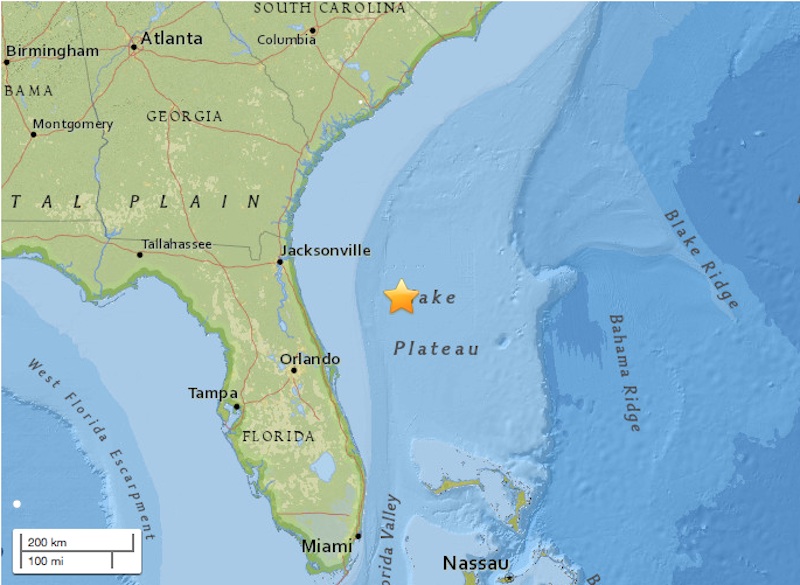
This article delves into the fascinating geological context of Florida, exploring why it’s largely spared from significant seismic events, examining its limited history with earthquakes, and offering insights into what this means for travelers and residents. For anyone considering Florida as their next travel destination or even a potential long-term stay, understanding the local geological landscape adds another layer to appreciating this unique part of the United States. From booking the ideal resort to exploring natural landmarks, peace of mind regarding natural disasters is always a valuable aspect of planning.
Florida’s Geological Foundation: A Stable Sanctuary?
To understand why Florida experiences so few earthquakes, one must look deep beneath its sandy beaches and lush wetlands. The answer lies primarily in the state’s geographical position relative to major tectonic plate boundaries. Unlike areas situated along the “Ring of Fire” or directly atop active fault lines, Florida enjoys a remarkably stable geological foundation.
The Tectonic Plate Landscape
The Earth’s crust is made up of several large tectonic plates that are constantly, albeit slowly, moving. Earthquakes are most common at the boundaries where these plates meet, rub against each other, or pull apart. Florida is situated squarely on the passive margin of the North American Plate. This means it is far from any major plate boundaries. The nearest significant boundary is located hundreds of miles to the south, where the North American Plate interacts with the Caribbean Plate, a zone responsible for seismic activity in countries like Cuba and parts of Central America.
Being in the interior of a stable plate, rather than at its edge, significantly reduces the likelihood of seismic events. This geological tranquility is a primary reason why concerns about earthquakes are practically non-existent for tourists and residents alike. When planning your accommodation, whether it’s a luxury suite in Miami or a charming villa in Key West, the structural integrity of buildings in Florida is designed more with hurricanes in mind than tremors, reflecting the state’s true natural hazards.
Beneath the Sunshine State: Bedrock and Sediments
Beyond plate tectonics, the composition of the land itself plays a role. The Florida Peninsula is primarily characterized by a thick layer of sedimentary rock, predominantly limestone, topped by unconsolidated sands and clays. This geological makeup contributes to its low seismic activity. While some minor fault lines exist within the bedrock, they are largely inactive and not associated with major plate movements.
The absence of deep, active fault systems means there’s less geological stress accumulating that could suddenly release as an earthquake. Instead, the subsurface geology of Florida is characterized by ancient, stable structures. The limestone bedrock, famous for its role in creating the state’s unique karst topography, sinkholes, and freshwater springs, acts as a relatively stable foundation. While sinkholes can be a concern in some areas, they are a distinct geological phenomenon unrelated to seismic tremors. Therefore, when you are exploring natural landmarks or enjoying the serene environment of places like the Everglades National Park, you can rest assured that the ground beneath you is one of the most stable in the United States.
A History of Tremors: The Rare Quakes of Florida
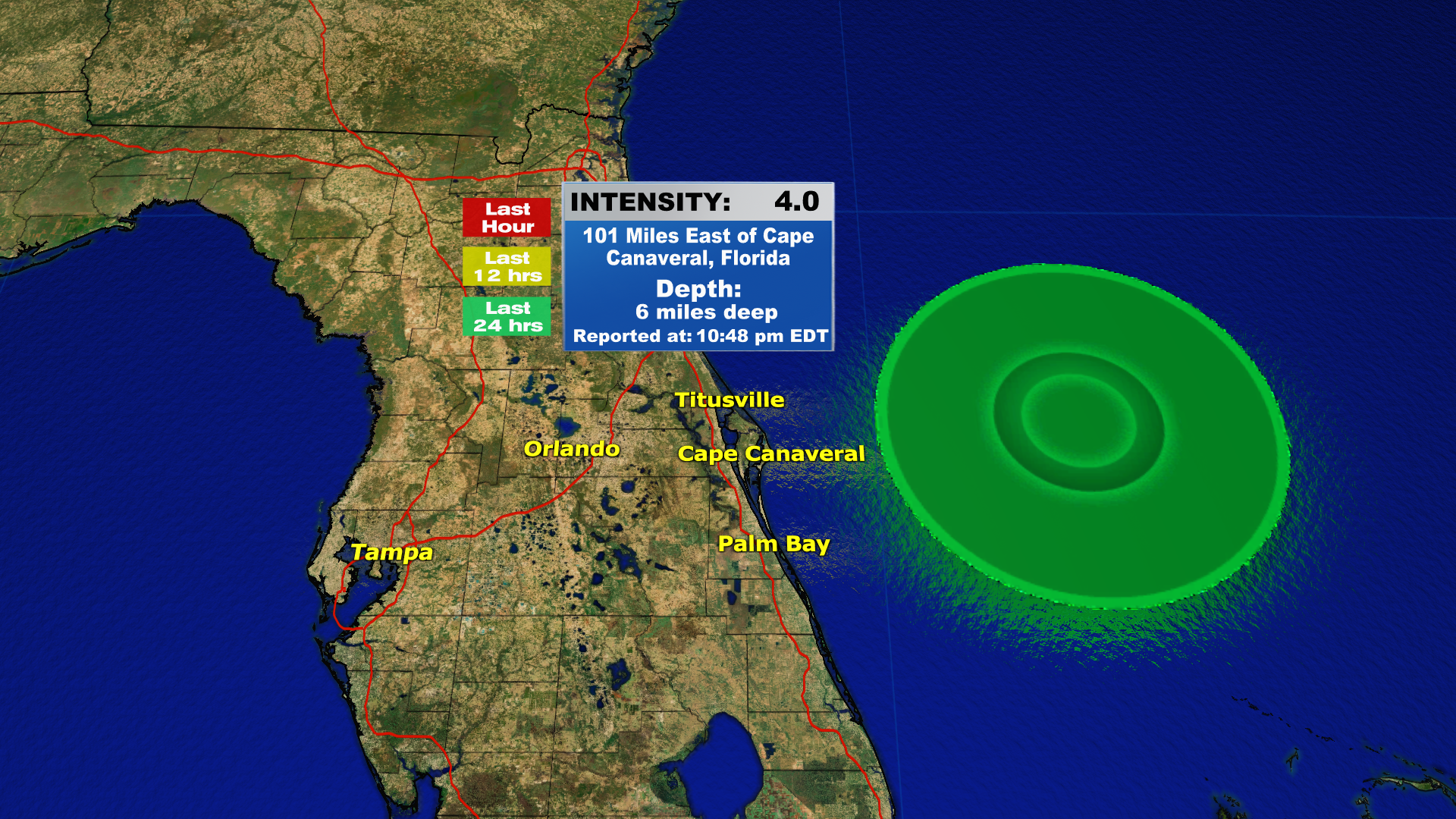
Despite its reputation for seismic stability, Florida has experienced a handful of earthquakes throughout its recorded history. These events, however, are exceptionally rare, typically low in magnitude, and often felt more strongly due to their proximity to the surface or their transmission through the underlying bedrock from distant epicenters. Understanding this history provides valuable context for what constitutes an “earthquake” in Florida.
Notable Seismic Events in Florida’s Past
The historical record shows that direct, Florida-originated earthquakes are few and far between. The most significant historical events often originated outside the state but were felt within its borders.
One of the most notable indirect impacts came from the 1886 Charleston earthquake in South Carolina. This powerful earthquake, estimated at a magnitude of 6.9-7.3, was widely felt across the southeastern United States, including northern and central Florida. Reports from St. Augustine and other northern cities described significant shaking, cracked plaster, and objects falling from shelves. While the epicenter was hundreds of miles away, the magnitude was sufficient to transmit seismic waves across the stable geological formations connecting the two states.
Closer to home, localized tremors have been occasionally reported. For example, some minor quakes have been recorded in the Florida Panhandle, often associated with specific, small-scale fault adjustments or related to deep underground injection wells, though the latter is a distinct phenomenon. These events are usually very low magnitude, often below 3.0, and are rarely felt by the general public unless they are very close to the epicenter. The last truly “felt” earthquake directly originating within Florida with a noticeable impact was a small tremor in 1973 near Lake Okeechobee, estimated at magnitude 2.0. This barely registered and caused no damage.
Distant Quakes, Local Effects: Felt Tremors from Afar
More commonly, when residents of Florida report feeling a tremor, it is often attributed to seismic activity occurring far away. The stable geology that protects Florida from homegrown quakes can also efficiently transmit seismic waves from powerful earthquakes hundreds or even thousands of miles away.
Besides the 1886 Charleston event, there have been instances where strong earthquakes in the Caribbean or the Gulf of Mexico have sent faint ripples across the Florida Peninsula. For example, a powerful earthquake near Cuba in 2020, with a magnitude over 7.0, generated noticeable, albeit minor, shaking in parts of South Florida, causing some high-rise buildings in Miami to sway. These distant events rarely cause any damage in Florida but serve as a reminder of the interconnectedness of the Earth’s crust.
Another source of “felt” tremors in Florida can be activities like military testing or even deep rock blasting in quarries, particularly in the northern and central regions. These are not natural earthquakes but can sometimes be mistaken for them due to the ground vibrations they produce. Overall, the likelihood of experiencing a damaging earthquake in Florida remains infinitesimally small, making it one of the safest places in the United States from a seismic perspective.

Preparing for the Unlikely: Earthquake Safety in Florida
While the probability of a significant earthquake in Florida is exceedingly low, preparedness is always a wise approach to any natural phenomenon. For both residents and the millions of tourists who visit annually, understanding basic safety measures can provide an extra layer of reassurance, even if highly unlikely to be needed. This applies to all aspects of travel and accommodation, from resort amenities to planning daily activities.
Understanding Risk and Resilience
Florida’s building codes and infrastructure development are primarily focused on resilience against hurricanes, which are by far the most significant natural disaster risk for the state. Buildings, especially newer constructions, are engineered to withstand high winds and heavy rainfall, featuring reinforced concrete, impact-resistant windows, and secure roofing. While these measures are not specifically for earthquakes, many aspects of robust construction, such as strong foundations and rigid frames, can inherently offer some resistance to minor seismic shaking.
For tourism and travel, the state’s resilience planning often includes emergency response protocols for a variety of scenarios. Hotels, resorts, and major attractions like Walt Disney World Resort or Universal Studios Florida have comprehensive safety plans. While an earthquake drill might not be a standard part of your hotel’s orientation in Florida, knowing that facilities are designed with general safety in mind can provide peace of mind.
Practical Tips for Visitors and Residents
Even with the low risk, basic earthquake safety principles are universally applicable and good knowledge to possess:
- Drop, Cover, and Hold On: If you ever feel shaking, the standard advice is to drop to the ground, take cover under a sturdy table or desk, and hold on until the shaking stops. If no shelter is nearby, drop to the ground and cover your head and neck with your arms.
- Stay Indoors: Most injuries during earthquakes are caused by falling objects or debris from outside. Stay inside until the shaking stops and it is safe to exit.
- Avoid Windows and Tall Furniture: These are potential sources of injury from shattered glass or falling items.
- If Outdoors: Move to an open area away from buildings, streetlights, and utility wires.
- Know Your Emergency Exits: Familiarize yourself with emergency exits in your hotel or accommodation, just as you would for fire safety.
- Keep an Emergency Kit: While not specific to earthquakes, having a basic emergency kit with water, non-perishable food, a flashlight, and a first-aid kit is good practice for any potential emergency, especially during hurricane season.
For travelers, these tips are more theoretical in Florida but valuable knowledge nonetheless. Your focus will more likely be on how to navigate the diverse attractions, from the historical streets of St. Augustine to the vibrant nightlife of Tampa, rather than earthquake preparedness.
Beyond Earthquakes: Florida’s Diverse Natural Landscape
While earthquakes might be a virtually non-existent concern, Florida’s natural landscape is undeniably dynamic and offers a wealth of experiences. The state’s unique geography, extending between the Atlantic Ocean and the Gulf of Mexico, has shaped its rich ecosystems and created stunning natural landmarks, making it a prime destination for tourism and lifestyle adventures.
Exploring Florida’s Unique Attractions and Ecosystems
Florida’s geology, though stable, has given rise to a fascinating array of natural features. The limestone bedrock, for instance, is responsible for the state’s famous aquifer system, which feeds thousands of natural freshwater springs. These springs are popular tourist attractions, offering crystal-clear waters for swimming, snorkeling, and diving, allowing visitors to encounter manatees and other wildlife.
The extensive coastline, stretching for thousands of miles, defines much of the state’s appeal. From the sugary white sands of the Panhandle to the tropical reefs of the Florida Keys, beach destinations cater to every preference. These coastal environments are not just for relaxation; they are vital habitats for diverse marine life, birds, and even sea turtles, which nest on many of Florida’s protected beaches.
Inland, the Everglades National Park represents a vast, unique wetland ecosystem unlike anywhere else in the world. This “River of Grass” is home to alligators, crocodiles, panthers, and countless bird species, offering unparalleled opportunities for wildlife viewing, airboat tours, and hiking. The state’s flat terrain and ample sunshine also support a thriving agricultural industry, with citrus groves and vast farms contributing to the local economy and culinary scene. When considering local culture and food, the bounty of Florida’s land and sea is always a highlight.
Planning Your Florida Adventure: A Guide to Safe and Enjoyable Travel
When planning a trip to Florida, your safety concerns will primarily revolve around enjoying the abundant sunshine responsibly and being aware of other common travel considerations. For example, hydration and sun protection are paramount. If traveling during hurricane season (June to November), staying informed about weather forecasts is crucial, and most hotels and resorts have well-established evacuation plans in place.
Whether you’re looking for luxury travel, a budget-friendly family trip, or a business stay, Florida offers diverse options for accommodation and activities. You can find everything from high-end hotels and resorts with every amenity imaginable in bustling cities like Miami and Orlando, to cozy vacation rentals near quieter beaches or charming historic districts. Attractions range from world-famous theme parks like Walt Disney World and Universal Orlando Resort, to historical sites like St. Augustine, to the awe-inspiring space exploration history at NASA’s Kennedy Space Center, and wildlife encounters at Busch Gardens Tampa Bay.
In conclusion, while the question “Does Florida have earthquakes?” might spark curiosity, the practical answer for travelers and residents is that seismic activity poses virtually no threat. Florida’s stable geological position and history of minimal tremors mean that earthquake preparedness is very low on the list of concerns. Instead, visitors can focus on the state’s true treasures: its beautiful beaches, vibrant cities, unique ecosystems, and world-class attractions, all under the reliable Florida sun. Enjoy your travels to this remarkable and seismically serene destination!
LifeOutOfTheBox is a participant in the Amazon Services LLC Associates Program, an affiliate advertising program designed to provide a means for sites to earn advertising fees by advertising and linking to Amazon.com. Amazon, the Amazon logo, AmazonSupply, and the AmazonSupply logo are trademarks of Amazon.com, Inc. or its affiliates. As an Amazon Associate we earn affiliate commissions from qualifying purchases.