
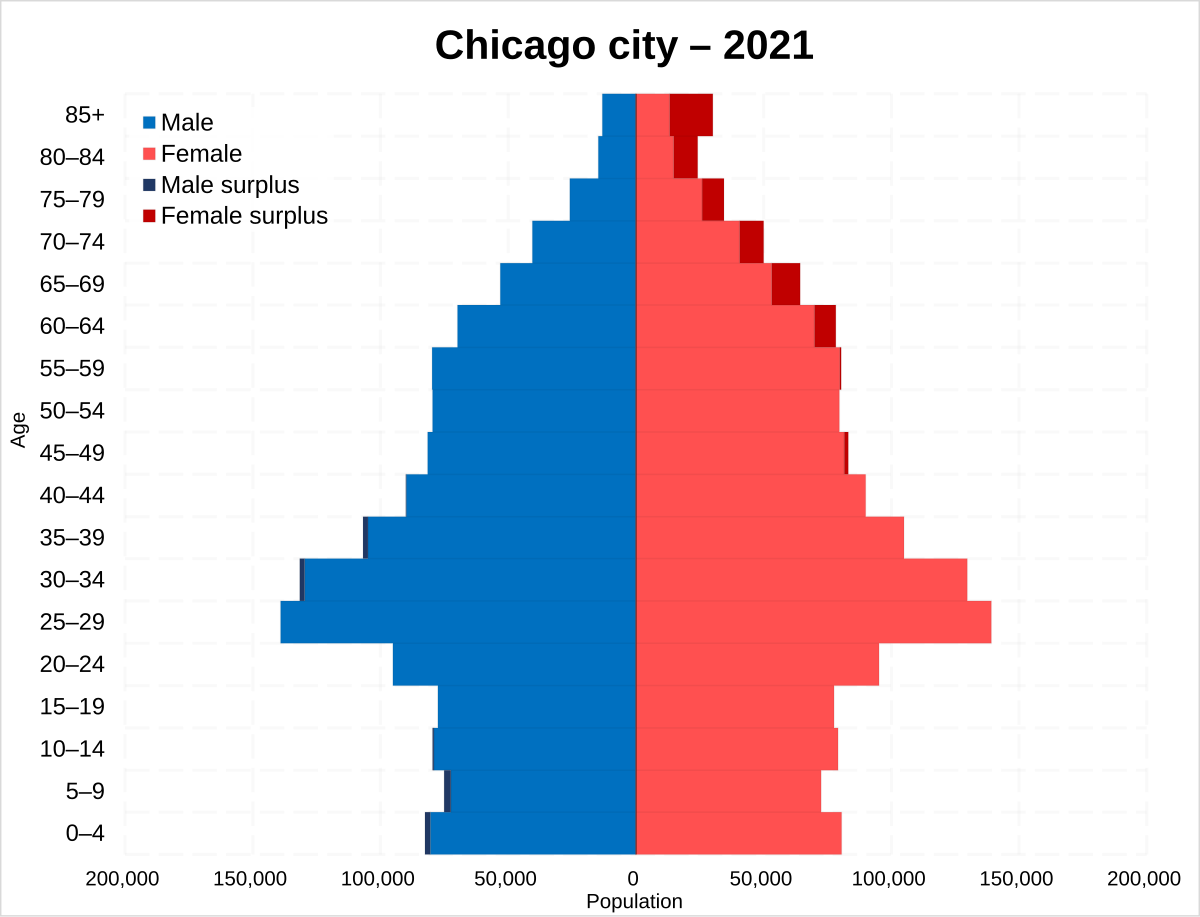
Chicago, a city synonymous with breathtaking architecture, a vibrant cultural scene, and a robust economic engine, stands as a beacon in the American Midwest. Often called the “Windy City,” its allure extends far beyond its distinctive skyline, drawing in millions of residents and visitors alike. To truly understand Chicago – its rhythm, its opportunities, and its charm – one must first consider its beating heart: its population. As of recent estimates, the population of Chicago within its city limits hovers around 2.7 million people, making it the most populous city in the state of Illinois and the third-largest city in the United States. When considering the wider metropolitan area, often referred to as Chicagoland, this number swells significantly, encompassing nearly 10 million individuals who call this dynamic region home.
This vast and diverse population is not merely a statistic; it’s the very essence that fuels Chicago’s diverse neighborhoods, its world-class dining, its extensive public transportation system, and its myriad of cultural institutions. For travelers, understanding this demographic tapestry is key to appreciating the city’s unique character and planning an unforgettable visit. From the bustling streets of the Loop to the serene shores of Lake Michigan, the people of Chicago contribute to an atmosphere that is both cosmopolitan and surprisingly welcoming, offering an endless array of experiences for every type of explorer.
The Melting Pot of the Midwest: Demographics and Diversity
Chicago’s population is a rich mosaic, reflecting centuries of immigration and internal migration that have shaped its identity into one of the most multicultural cities in the United States. This diversity is not just an abstract concept; it’s palpable in every corner of the city, influencing everything from the culinary landscape to the architectural styles and the unique cultural festivals celebrated year-round.
Historically, Chicago has been a destination for immigrants from across Europe, Asia, and Latin America, alongside a significant influx of African Americans during the Great Migration. Today, these historical movements have resulted in a city where over 100 languages are spoken, and countless cultures coexist and thrive. The city is home to large communities of Polish, Irish, German, Italian, Mexican, Puerto Rican, Chinese, and Indian descent, among many others. This vibrant mix translates into distinct neighborhoods, each with its own character, traditions, and specialties.
Cultural Hubs and Neighborhood Life
Exploring Chicago means embarking on a journey through these culturally rich enclaves. For instance, Pilsen offers a vibrant immersion into Mexican-American culture with its colorful murals, authentic taquerias, and lively street art. Argyle Street in Uptown transforms into a bustling hub of Southeast Asian flavors and shops, providing a taste of Vietnam or Thailand in the heart of the Midwest. Little Italy and Chinatown offer traditional eateries and cultural landmarks that transport visitors to other parts of the world.
This demographic richness directly impacts the visitor experience. Travelers can indulge in an unparalleled global culinary adventure, sampling everything from authentic deep-dish pizza to Michelin-starred international cuisine. Beyond food, the diversity fuels a dynamic arts scene, with countless theaters, music venues, and galleries showcasing talent from various backgrounds. Events like the Taste of Chicago, Lollapalooza, and numerous ethnic festivals throughout the year are direct reflections of the city’s diverse population, drawing massive crowds and celebrating collective heritage. This incredible tapestry makes Chicago not just a place to visit, but a place to experience the world.
The Appeal of Chicago: Why People Stay and Visit
The steady population, coupled with a consistent influx of tourists, speaks volumes about Chicago’s enduring appeal. What exactly makes this city such a magnet for residents and travelers? It’s a confluence of economic opportunities, an unparalleled quality of life, and a treasure trove of attractions and experiences.
A Hub of Business and Innovation
Economically, Chicago is a powerhouse. It’s a global financial center, a major hub for transportation and logistics, and a growing leader in technology, healthcare, and advanced manufacturing. The city hosts numerous Fortune 500 companies and a thriving startup ecosystem, offering robust employment opportunities across various sectors. This economic vibrancy attracts a constant stream of professionals and entrepreneurs, contributing to a youthful and ambitious demographic that further energizes the city. For business travelers, Chicago offers world-class convention centers like McCormick Place, an abundance of luxury hotels, and efficient transport networks, making it a prime destination for conferences and corporate events.
Unrivaled Attractions and Lifestyle
Beyond its economic prowess, Chicago offers an exceptional lifestyle that balances urban sophistication with accessible green spaces and a friendly Midwestern demeanor. The city boasts an impressive array of attractions that cater to every interest:
- World-Class Museums: The Art Institute of Chicago, Field Museum, Shedd Aquarium, and the Museum of Science and Industry are just a few examples of institutions that consistently rank among the best globally, drawing millions of visitors annually.
- Iconic Landmarks: The towering Willis Tower (home to Skydeck Chicago), the playful Cloud Gate (affectionately known as “The Bean”) in Millennium Park, and the historic Navy Pier are instantly recognizable symbols that define the city’s landscape and offer memorable experiences.
- Architectural Marvels: Chicago is widely regarded as an architectural mecca. Its stunning skyline, punctuated by works from legendary architects, is best appreciated through a guided Chicago Architecture Foundation Center River Cruise, which provides fascinating insights into the city’s pioneering design and engineering.
- Green Spaces and Waterfronts: Despite its urban density, Chicago offers an extensive park system, including the expansive Lincoln Park and the scenic Grant Park, providing residents and visitors with ample opportunities for recreation and relaxation. The beautiful Chicago Riverwalk and the miles of beachfront along Lake Michigan further enhance its appeal, offering breathtaking views and recreational activities.
- Culinary Scene: From Michelin-starred fine dining to casual neighborhood eateries serving up its famous deep-dish pizza and Chicago-style hot dogs, the city’s food scene is as diverse as its population. This vibrant culinary landscape is a major draw for foodies worldwide.
These attractions, combined with a robust public transport system, a thriving arts scene (including Broadway in Chicago and countless live music venues), and a passionate sports culture, create an irresistible pull for residents and tourists alike.
Navigating Chicago: Accommodations and Experiences for Every Traveler
The sheer volume of Chicago’s population, combined with its status as a premier tourist destination, has naturally led to a highly developed and diverse tourism and accommodation sector. Whether you’re planning a luxury getaway, a budget-friendly adventure, a family trip, or a business stay, Chicago offers a plethora of options to suit every need and preference.
A Spectrum of Accommodation Options
The city’s hotel landscape is as varied as its populace. Along the prestigious Magnificent Mile, you’ll find an array of opulent hotels offering unparalleled service and amenities. Establishments like the Peninsula Chicago, Langham Chicago, and Four Seasons Chicago epitomize luxury travel, featuring world-class spas, gourmet dining, and lavish suites designed for the most discerning travelers. For those seeking a blend of historic grandeur and modern comfort, the iconic Palmer House Hilton provides a glimpse into Chicago’s rich past.
Mid-range hotels and boutique options are plentiful in neighborhoods like River North and the Loop, catering to business travelers and tourists looking for convenience and style without the top-tier price tag. Brands like Loews Chicago Hotel and Thompson Chicago offer excellent service and chic aesthetics. For budget-conscious travelers or those planning longer stays, a growing number of apartments, hostels, and extended-stay properties provide cost-effective and comfortable alternatives, especially around areas like Wicker Park or Fulton Market, which also boast lively nightlife and culinary scenes. The high demand driven by both residents and visitors means that booking in advance, particularly during peak seasons and major events like the Chicago Marathon or summer festivals, is always advisable to secure the best rates and locations.

Tailoring Your Chicago Experience
The diversity of Chicago’s population also informs the variety of experiences available. Visitors interested in local culture can dive into neighborhood festivals, explore community art galleries, or attend performances at smaller, independent theaters. Food tours offer a fantastic way to sample the city’s culinary diversity, moving from traditional American fare to international delicacies, often with historical context provided by local guides.
Families will find an abundance of child-friendly attractions, from the hands-on exhibits at the Museum of Science and Industry to the interactive displays at the Shedd Aquarium. Couples might enjoy romantic dinners with city views, scenic boat rides on the Chicago River, or live jazz performances in historic venues. Solo travelers can join walking tours, explore different neighborhoods by foot or public transport, and immerse themselves in the city’s vibrant social scene. The sheer number of people living in and visiting Chicago ensures that there’s always something happening, creating a dynamic environment where every visit can be uniquely tailored.
The Future of Chicago: Growth and Evolution
Looking ahead, Chicago’s population trends suggest a city that continues to evolve. While the core city population has seen fluctuations over the decades, the broader metropolitan area continues to grow, adapting to economic shifts and demographic changes. Urban planning initiatives are constantly underway to accommodate this growth, focusing on sustainable development, enhancing public infrastructure, and fostering community development.
The city’s commitment to green spaces, improved public transportation, and innovative architectural projects ensures that it remains an attractive place to live and visit. Projects like the expansion of the Riverwalk and the revitalization of various neighborhoods are testaments to Chicago’s forward-thinking approach. For tourists, this means a city that is always renewing itself, offering fresh perspectives and new attractions with each passing year, while retaining its classic charm and historical significance. The blend of historical reverence and contemporary innovation is a hallmark of Chicago’s appeal, making it a perpetually fascinating destination.
In conclusion, the population of Chicago – its 2.7 million residents within the city limits and nearly 10 million in the wider metropolitan area – is far more than just a number. It is the lifeblood that powers its world-renowned tourism industry, its diverse cultural tapestry, its economic might, and its unparalleled array of landmarks and lifestyle experiences. For anyone considering a visit, understanding the scale and diversity of its people offers a deeper appreciation for this truly magnificent American city, ensuring a journey that is as enriching as it is memorable. Chicago invites you not just to see its sights, but to feel its pulse – a pulse driven by its vibrant, diverse, and welcoming population.
LifeOutOfTheBox is a participant in the Amazon Services LLC Associates Program, an affiliate advertising program designed to provide a means for sites to earn advertising fees by advertising and linking to Amazon.com. Amazon, the Amazon logo, AmazonSupply, and the AmazonSupply logo are trademarks of Amazon.com, Inc. or its affiliates. As an Amazon Associate we earn affiliate commissions from qualifying purchases.