
Welcome to the Sunshine State, a destination synonymous with vibrant experiences, breathtaking natural beauty, and a lifestyle coveted by many. From the world-renowned theme parks of Orlando to the historic cobblestone streets of St. Augustine and the pristine beaches of the Gulf Coast, Florida offers an unparalleled blend of adventure, relaxation, and cultural immersion. Whether you’re considering a long-term stay, relocating for retirement, or simply embracing the unique rhythm of Florida living, establishing yourself within the community involves more than just finding the perfect accommodation or identifying your next must-see landmark. A crucial aspect of building a stable and fulfilling lifestyle in Florida is understanding your healthcare options.
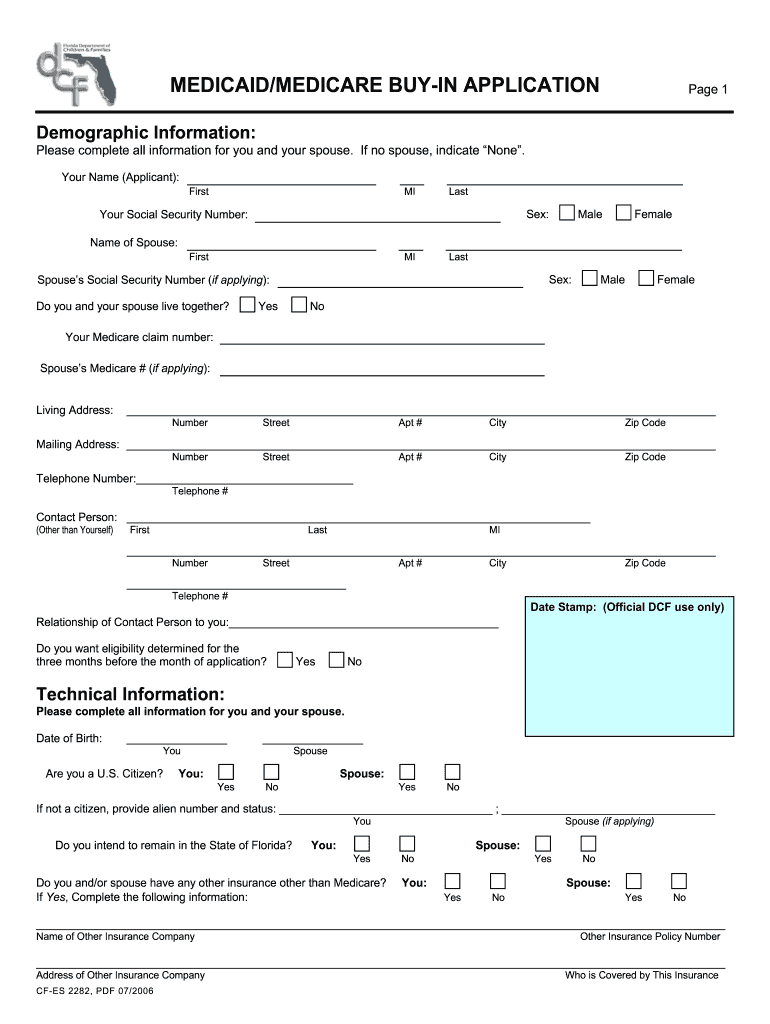
While our guides often delve into the best resorts, hidden attractions, or the culinary delights of Miami, we also recognize that true peace of mind comes from knowing essential services are accessible. For many residents, especially those with limited income or specific health needs, Florida Medicaid is a cornerstone of this security. This comprehensive program provides vital healthcare coverage, ensuring that eligible individuals and families can access necessary medical care without prohibitive costs. Navigating government programs can seem daunting, but with the right information, the process becomes much clearer. This article will guide you through the intricacies of applying for Florida Medicaid, helping you lay a solid foundation for your health and well-being in your new Floridian home.
Understanding Florida Medicaid: A Foundation for Your Florida Lifestyle
As you settle into the rhythm of life in Florida, whether you’re exploring the bustling arts scene in St. Petersburg, enjoying the natural wonders of Everglades National Park, or contemplating a quiet retirement, understanding local essential services is key. Florida Medicaid is a joint federal and state program that provides healthcare coverage to eligible low-income adults, children, pregnant women, elderly adults, and people with disabilities. It’s administered by the Florida Agency for Health Care Administration (AHCA), ensuring that vital medical, dental, and behavioral health services are available to those who qualify.
For individuals and families new to Florida or those undergoing changes in their financial situation, Medicaid can be a critical safety net. It covers a wide array of services, from doctor visits and hospital stays to prescription drugs, mental health services, and long-term care for the elderly or disabled. Having this coverage means you can focus on enjoying all that Florida has to offer, from a leisurely day at Universal Studios Florida to a quiet evening by the Atlantic Coast, without the constant worry of unexpected medical expenses. Understanding who this program is designed for is the first step in determining if it’s the right option for you or your loved ones.
Who is Florida Medicaid For? (Eligibility Overview)
Florida Medicaid is not a one-size-fits-all program; rather, it’s structured to assist specific populations who meet certain income and non-financial eligibility requirements. While the program serves a broad demographic, its focus is always on ensuring that those most in need have access to essential healthcare services. The primary categories of individuals who may qualify include:
- Children and Pregnant Women: This is often the broadest category, with higher income thresholds, recognizing the importance of early childhood health and maternal care. Programs like MediKids and Florida Healthy Kids are part of this broader effort.
- Adults with Disabilities: Individuals who have a qualifying disability as determined by the Social Security Administration, and meet income and asset limits, may be eligible. This includes programs that support independent living and provide long-term care services.
- Elderly Adults: Those aged 65 and older who meet financial criteria, especially those needing nursing home care or home- and community-based services, can receive significant assistance through Medicaid.
- Low-Income Families: Parents or caretakers of dependent children, whose income falls below specific federal poverty levels, can also qualify for coverage.
- Individuals Receiving Supplemental Security Income (SSI): In Florida, if you qualify for SSI, you generally automatically qualify for Medicaid.
A fundamental non-financial requirement for all applicants is residency. To apply for Florida Medicaid, you must be a resident of Florida. This means you must live in the state with the intent to remain permanently or indefinitely. For those moving to the state, establishing residency will be a key step before applying.
Navigating the Eligibility Criteria in the Sunshine State
Once you understand the general scope of Florida Medicaid, the next crucial step is to delve into the specific eligibility criteria. Florida, like other states in the United States, adheres to federal guidelines while also implementing its own specific rules, particularly concerning income and asset limits. These criteria are designed to ensure that the program primarily serves those who genuinely need assistance, allowing individuals to enjoy the diverse offerings of cities like Tampa or the cultural richness of Sarasota with peace of mind regarding their health.
The main eligibility factors include:
- Florida Residency: As mentioned, you must reside in Florida. This is generally proven with documents like a Florida driver’s license or state ID, utility bills, a lease agreement, or property deeds in Florida. For those who travel frequently or split their time, establishing clear residency is vital.
- Citizenship or Qualified Non-Citizen Status: Applicants must be U.S. citizens or qualified non-citizens (such as lawful permanent residents, refugees, asylees, or individuals granted withholding of deportation). Specific documentation will be required to verify this status.
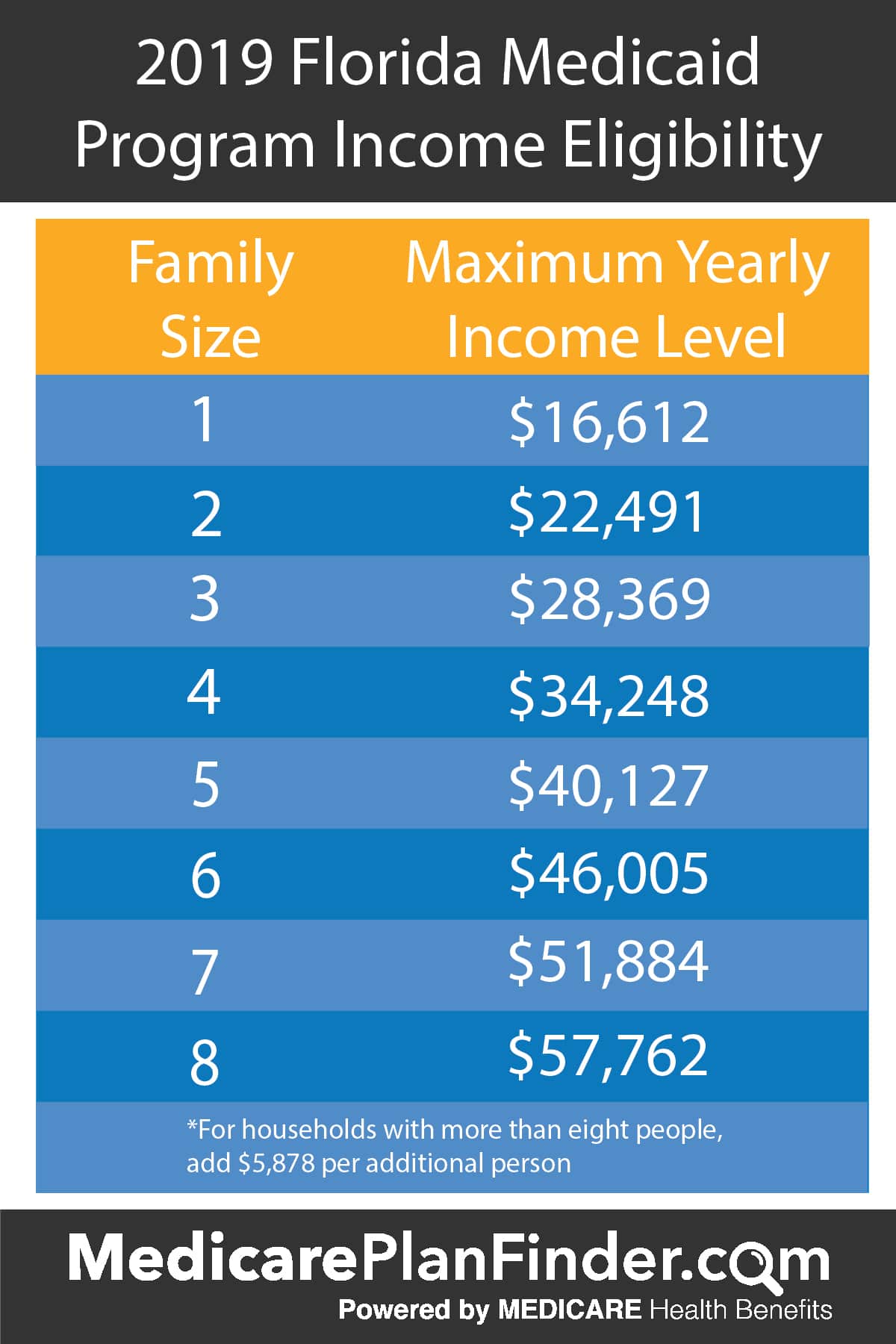
- Income Limits: This is often the most complex aspect of eligibility. Medicaid is a needs-based program, meaning your household’s gross income must fall below a certain percentage of the Federal Poverty Level (FPL). These percentages vary significantly depending on the specific Medicaid program and the composition of your household (e.g., a pregnant woman applying will have a different income limit than a single adult without children). Florida has not expanded Medicaid under the Affordable Care Act, which means there isn’t a broad category for non-disabled, non-pregnant adults without dependent children. This makes income limits particularly stringent for these groups compared to states that have expanded Medicaid.
- Household Size: The number of people in your household significantly impacts the income limit you must meet. A larger household generally allows for a higher income threshold.
- Asset Limits (for certain programs): While many Medicaid programs for children, pregnant women, and low-income families do not have an asset test, specific programs for the elderly, individuals with disabilities, and those needing long-term care do have asset limits. These limits apply to countable resources such as bank accounts, stocks, bonds, and certain types of property. Your primary residence, one vehicle, and some other assets are typically exempt.
Navigating these criteria can be challenging, but resources are available. The Florida Department of Children and Families (DCF) is the primary agency responsible for determining eligibility, and their website and local offices provide detailed information and assistance.
Income and Asset Considerations for Different Households
The specifics of income and asset limits are dynamic and depend heavily on the applicant’s category. For instance:
- Pregnant Women and Children: Florida has relatively generous income limits for these groups. A pregnant woman or child may qualify with a household income significantly above the FPL, recognizing the importance of early intervention and preventative care. For example, a child may qualify for Medicaid if their family income is up to 133% of the FPL, and for the Florida Healthy Kids program (which works in conjunction with Medicaid) if their family income is higher.
- Adults with Disabilities and Elderly Individuals: For these populations, particularly those seeking long-term care services (either in a nursing home or through home- and community-based care), both income and asset limits are stringent. The income limit is typically tied to the Supplemental Security Income (SSI) federal benefit rate, and there are specific rules for “medically needy” pathways where individuals with higher incomes can “spend down” their income on medical expenses to qualify. Asset limits generally hover around $2,000 for an individual and $3,000 for a couple, though there are special rules for spouses (“spousal impoverishment” rules) that allow the non-applicant spouse to retain a certain amount of assets and income.
- Medically Needy Program: This is a crucial program for individuals whose income is too high to qualify for regular Medicaid but who have significant medical expenses. They can “spend down” their income by incurring medical bills until their net income falls below a certain threshold, thus becoming eligible for Medicaid for the remainder of the eligibility period. This provides a safety net for those with chronic conditions or unexpected medical emergencies.
Given the complexities, especially regarding asset planning for long-term care, it’s often advisable to seek guidance from an elder law attorney or a benefits specialist. They can help you understand how specific assets and income sources, such as pensions, social security, or inheritances, might affect your eligibility.
The Application Process: Your Gateway to Healthcare in Florida
Once you’ve determined that you likely meet the eligibility criteria, the next step is to formally apply for Florida Medicaid. The process is designed to be accessible, with multiple avenues for submission, ensuring that residents across the state, from the bustling port city of Jacksonville to the vibrant nightlife of Fort Lauderdale and the laid-back charm of Key West, can apply conveniently.
The most common ways to apply for Florida Medicaid are:
- Online via MyACCESS Florida: This is generally the fastest and most preferred method. The MyACCESS Florida website allows you to create an account, complete your application digitally, and upload required documents from the comfort of your home. It’s available 24/7, making it convenient for those with busy schedules.
- In-Person at a Local DCF Office: If you prefer face-to-face assistance or need help with the application, you can visit a local Florida Department of Children and Families (DCF) service center. Staff members are available to answer questions and help you through the process.
- Mail or Fax: You can download the application form from the MyACCESS Florida website, fill it out, and mail or fax it to the designated processing center. This method is suitable for those who may not have internet access or prefer paper applications.
- Phone: You can also apply for Medicaid by calling the Florida DCF customer service line. While this method might primarily involve initial screening or getting the application mailed to you, it offers an immediate point of contact.
Regardless of the method you choose, it’s crucial to be thorough and provide accurate information to avoid delays in processing your application.
Essential Documents and Information You’ll Need
Gathering all necessary documents before you start your application will significantly streamline the process. Think of it like packing for an important trip; having everything organized makes the journey smoother. For Florida Medicaid, you will generally need to provide:
- Proof of Identity: A state-issued driver’s license or ID card, U.S. passport, or birth certificate.
- Proof of Florida Residency: Utility bills (water, electricity), a lease agreement, mortgage statements, or a Florida driver’s license/ID card with your current Florida address.
- Proof of Income: Recent pay stubs (typically for the last 30 days), tax returns (if self-employed), Social Security award letters, unemployment benefits statements, pension statements, or any other documentation showing all sources of income for every household member.
- Proof of Assets (if applicable): Bank statements (checking, savings), investment statements (stocks, bonds, IRAs, 401ks), property deeds, or life insurance policies with a cash value. Remember, asset tests are primarily for specific programs for the elderly and disabled.
- Social Security Numbers (SSNs): For all household members applying for coverage. If a household member does not have an SSN, they may still be eligible, but additional documentation might be required.
- Proof of Citizenship or Qualified Non-Citizen Status: U.S. birth certificate, U.S. passport, Certificate of Naturalization, or immigration documents (e.g., Green Card, I-94, visa).
- Information About Other Health Insurance: Details of any other health insurance you currently have, including Medicare, TRICARE, or private plans.
- Household Composition: Names, dates of birth, and relationship to you for everyone in your household, even if they are not applying for Medicaid.
Accuracy is paramount. Providing false or incomplete information can lead to delays or denial of benefits.
What to Expect After You Apply
Once you submit your application and all required documents, the waiting begins. The processing time for Medicaid applications in Florida can vary, but generally, it takes 30 to 45 days. If you’re applying based on a disability, it could take longer, up to 90 days. During this period, the DCF will review your application and verify the information provided.
- Possible Interview: In some cases, a caseworker may contact you for an interview to clarify information or request additional documentation. It’s crucial to respond promptly to any such requests.
- Notification of Decision: You will receive a written notice informing you whether your application has been approved or denied. If approved, the notice will include information about your coverage start date and what services are covered. If denied, the notice will explain the reason for the denial and your right to appeal the decision.
- Retroactive Coverage: In some instances, Medicaid can cover medical expenses incurred up to three months before your application date if you met all eligibility requirements during that period. This is particularly helpful for those who faced an urgent medical need before they could apply.
- Managed Care Plans: Most Medicaid recipients in Florida are enrolled in a Medicaid managed care plan. This means you will choose a health plan from a list of approved providers, and that plan will manage your healthcare services. You will receive information about how to choose a plan if your application is approved.

Maintaining Your Florida Medicaid and Embracing Your New Home
Gaining approval for Florida Medicaid is a significant step towards ensuring your health and financial security in the state. However, the process doesn’t end there. To maintain your eligibility and continue receiving benefits, there are ongoing responsibilities you must fulfill. This continuous engagement ensures that you can truly embrace the vibrant Tallahassee community (the state capital, where many of these programs are administered), explore the marvels of the Kennedy Space Center Visitor Complex, or simply enjoy the everyday pleasures of Florida life with peace of mind.
- Annual Renewals: Florida Medicaid eligibility is typically reviewed annually. You will receive a renewal packet in the mail well in advance of your renewal date. It’s crucial to complete and return this packet with updated information about your income, household, and residency by the deadline. Missing the deadline or failing to provide updated information can lead to a termination of benefits.
- Reporting Changes: It is your responsibility to report any significant changes in your circumstances to the Florida DCF within 10 days of the change. This includes changes in:
- Income: A new job, a raise, changes in Social Security benefits, or any new source of income.
- Household Size: Birth of a child, someone moving into or out of your home, marriage, or divorce.
- Address: If you move to a new address within Florida.
- Assets: For programs with asset limits, any significant change in your bank balances or other countable resources.
- Other Health Insurance: If you obtain or lose other health insurance coverage.
Promptly reporting these changes helps ensure that your benefits are accurately calculated and that you avoid any potential overpayments or interruptions in coverage.
Having comprehensive healthcare coverage through Florida Medicaid allows you to fully immerse yourself in the Florida experience. Whether you’re planning a weekend getaway to the white sands of Clearwater Beach, exploring the historic sites of Pensacola, or simply enjoying the local parks and community events, the assurance of accessible healthcare is invaluable. It’s an essential component of the comfortable, secure, and enjoyable Florida lifestyle that so many seek.
In conclusion, applying for Florida Medicaid, while requiring attention to detail and adherence to specific guidelines, is a manageable process that opens the door to crucial healthcare services. By understanding the eligibility criteria, preparing the necessary documentation, and diligently managing your application and renewal, you can secure your health foundation in the Sunshine State. This peace of mind allows you to focus on truly living and thriving in Florida, embracing its unique charm and countless opportunities for exploration and enjoyment.
LifeOutOfTheBox is a participant in the Amazon Services LLC Associates Program, an affiliate advertising program designed to provide a means for sites to earn advertising fees by advertising and linking to Amazon.com. Amazon, the Amazon logo, AmazonSupply, and the AmazonSupply logo are trademarks of Amazon.com, Inc. or its affiliates. As an Amazon Associate we earn affiliate commissions from qualifying purchases.