
Exploring the diverse landscapes and vibrant cities of the Sunshine State is a quintessential American travel experience. From the enchanting theme parks of Orlando to the sun-kissed beaches of Miami and the historic charm of St. Augustine, Florida offers an array of destinations that cater to every type of traveler. However, seamlessly navigating this popular state, whether for a luxury getaway, a family adventure, or a business trip, often means encountering toll roads. Understanding how to pay tolls in Florida is not just a practical concern; it’s a fundamental aspect of planning a stress-free and budget-conscious journey through one of the nation’s most visited states.
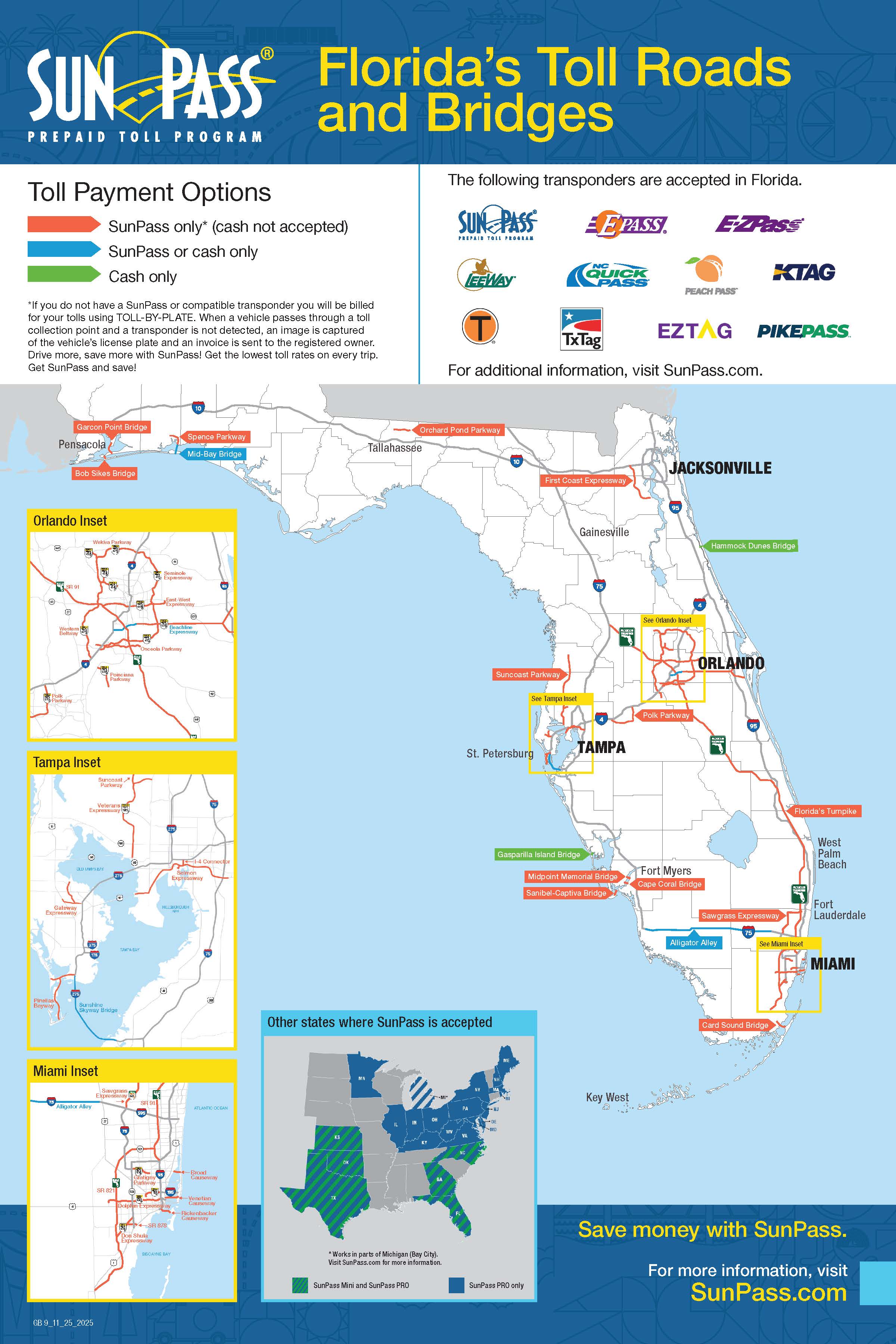
Tolls in Florida are a significant part of the state’s infrastructure, financing and maintaining its extensive network of highways, expressways, and bridges. These well-maintained roads ensure efficient travel, helping you get from the bustling urban centers to tranquil natural landmarks with ease. For visitors and residents alike, knowing the various payment methods can save time, money, and avoidable headaches. This comprehensive guide delves into everything you need to know about Florida tolls, ensuring your focus remains on enjoying your travel experiences, not on unexpected fees or logistical challenges. We’ll cover everything from electronic transponders to rental car policies, providing you with the insights necessary for a smooth journey through this captivating state.
Understanding Florida’s Toll Road Network
Florida’s toll road system is one of the most extensive in the United States, designed to manage traffic flow, reduce congestion, and connect major economic and tourism hubs. These roads are often the quickest routes between popular destinations, making them indispensable for anyone looking to maximize their vacation time or arrive promptly for a business meeting. The system is primarily operated by entities like the Florida Department of Transportation (FDOT), the Florida’s Turnpike Enterprise, and various regional authorities such as the Central Florida Expressway Authority (CFX).
The shift towards cashless tolling has been a significant trend across the state, especially in high-traffic areas. While a few legacy toll plazas might still accept cash, the vast majority of toll gantries are now fully electronic, relying on transponders or license plate recognition technology. This modernization streamlines traffic, eliminates queues at toll booths, and generally improves the efficiency of the road network. However, it also means travelers, particularly those unfamiliar with the system, need to be prepared with an appropriate payment method to avoid penalties.
Key toll roads you’re likely to encounter include the main artery of Florida’s Turnpike, which stretches from Miami northward through Orlando and beyond; the I-4 Express lanes in Central Florida; the SR 417 (Central Florida GreeneWay) and SR 528 (Beachline Expressway) in the Orlando area; and segments of Interstate 75, famously known as Alligator Alley between Naples and Fort Lauderdale. Each of these plays a crucial role in connecting Florida’s vibrant cities and popular attractions, making a pre-planned toll strategy essential for any well-rounded travel guide.
Primary Toll Payment Methods in Florida
Navigating Florida’s toll roads requires understanding the various payment options available. The state has largely moved away from traditional cash booths, embracing electronic systems for efficiency. Choosing the right method depends on your travel frequency, whether you’re a local or a visitor, and if you’re driving your own car or a rental.
Electronic Transponders: The Preferred Method
For frequent travelers or those planning an extensive road trip across Florida, an electronic transponder is by far the most convenient and cost-effective method. These small devices attach to your windshield and automatically deduct tolls as you pass under electronic gantries.
-
SunPass: The State’s Official Transponder
SunPass is Florida’s official prepaid toll program and the most widely accepted transponder across the state. It offers discounted toll rates compared to the “Toll-By-Plate” option, making it a favorite for budget-conscious travelers. There are two main types:- SunPass Mini Sticker: A sticker transponder that adheres to your windshield. It’s inexpensive, non-transferable between vehicles, and ideal for a single car.
- SunPass Portable Transponder: A hard-case transponder that can be moved between vehicles. While slightly more expensive, it offers flexibility for multi-car households or those who frequently switch vehicles.
You can purchase SunPass transponders at various retail locations throughout Florida, including major grocery chains like Publix, pharmacies like CVS and Walgreens, and AAA offices. They are also available online via the SunPass website. After purchase, you simply activate it online or by phone and load it with funds. For those looking to fully embrace the Florida lifestyle and explore the state’s diverse attractions, a SunPass is an essential tool.
-
Interoperable Transponders:
Florida’s toll system has achieved a high degree of interoperability with other state transponders, making travel easier for out-of-state visitors. Transponders like E-PASS (from Orlando), LeeWay (from Lee County), Peach Pass (from Georgia), and NC Quick Pass (from North Carolina) are generally accepted on Florida’s toll roads. Critically, EZ-Pass, widely used across the northeastern and mid-Atlantic United States, is also fully compatible with Florida’s toll roads. This broad acceptance is a boon for cross-country road trippers and helps integrate various regional travel networks into a seamless experience.
Pay By Plate / Toll-By-Plate: For Occasional Use
If you don’t have a transponder, most Florida toll roads utilize a “Toll-By-Plate” or “Pay By Plate” system. Cameras capture an image of your license plate as you pass through a toll gantry. A bill for the tolls incurred is then mailed to the registered owner of the vehicle.
- How it Works: The system identifies your vehicle by its license plate. The toll agency will send an invoice to the address associated with that license plate. These invoices typically include an administrative fee in addition to the toll amount, making it a more expensive option than using a transponder.
- Disadvantages: Besides the higher cost due to administrative fees, there can be delays in receiving the bill, especially for out-of-state drivers. If the bill isn’t paid on time, late fees and potential vehicle registration holds can occur. For rental cars, this system can lead to additional charges from the rental company (more on this below). While convenient for a one-off toll, it’s not recommended for extensive travel through Florida.
Cash Payment: A Dying Breed

The option to pay tolls with cash in Florida is rapidly diminishing. Many modern toll plazas are fully electronic and do not have cash lanes or attendants. While you might still find a few isolated toll bridges or specific exits that accept cash, it’s increasingly rare on major expressways and the Florida’s Turnpike system. Relying on cash for tolls in Florida is highly discouraged as it can lead to missed tolls and subsequent penalties. Always assume cashless payment unless explicitly stated otherwise. This shift reflects the broader trend in modern travel and tourism, prioritizing efficiency and technology.
Navigating Tolls as a Visitor: Rental Cars and Avoiding Surprises
For many visitors to Florida, a rental car is the primary mode of transportation, offering the freedom to explore at their own pace. However, understanding how tolls interact with rental agreements is crucial to avoid unexpected charges and ensure a smooth accommodation experience. Rental car companies have various programs to handle tolls, and being informed can save you a significant amount of money.
Most major rental car companies – such as Hertz, Enterprise, Avis, and Budget – offer their own toll payment solutions. These programs typically work in one of two ways:
- Automatic Enrollment / Opt-Out Programs: Many companies will automatically enroll you in their toll program unless you explicitly opt out. Under these programs, if you pass through a cashless toll, the rental company will pay the toll and then bill you, often adding a daily service fee or an administrative charge per toll transaction. These fees can quickly add up, turning a small toll into a much larger expense. For example, a $2 toll might become $10 or more after rental company fees.
- Pre-Paid / Unlimited Toll Packages: Some rental companies offer optional daily or weekly toll packages that provide unlimited toll usage for a flat fee. This can be a good option for travelers planning extensive driving on toll roads, especially around Orlando’s theme parks like Walt Disney World Resort and Universal Orlando Resort, or for those traversing the entire length of Florida’s Turnpike.
Tips for Rental Car Users:
- Read Your Rental Agreement Carefully: Before driving off the lot, understand your rental company’s specific toll policy. Ask about any daily fees, administrative charges, or activation costs associated with their toll program.
- Consider Bringing Your Own Transponder: If you have an interoperable transponder like SunPass or EZ-Pass, you can often use it in your rental car. Ensure it’s properly mounted and activated. Inform the rental company that you will be using your own transponder to avoid being charged twice. This is often the most cost-effective solution for seasoned travelers.
- Opt Out When Possible: If you plan to avoid toll roads entirely or only have one or two tolls, it might be cheaper to opt out of the rental company’s program and instead pay by plate (though still incurring the higher fees and potential administrative charges from the toll authority directly) or use your own transponder. However, carefully weigh the risk of missing a toll and incurring late fees.
- Plan Toll-Free Routes: Navigation apps like Google Maps or Waze offer options to avoid tolls. While these routes might be longer, they can be a viable alternative for budget travelers or those not in a hurry. However, be mindful that avoiding tolls, especially around major metropolitan areas like Tampa or Jacksonville, can significantly increase travel time and might lead you through less direct or slower local roads. This could impact your schedule if you have specific bookings at hotels or resorts.
Understanding these nuances is key to a smooth and enjoyable trip, especially when planning family trips where unexpected costs can impact the overall travel budget.
Planning Your Journey: Key Toll Roads and Popular Destinations
Florida’s toll roads are not random; they are strategic arteries that connect the state’s most iconic cities and attractions. Integrating toll awareness into your travel planning, much like booking the perfect suite or villa, is essential for a seamless trip.
-
Florida’s Turnpike: The Backbone of Florida Travel
The Florida’s Turnpike is arguably the most important toll road, spanning approximately 300 miles from Homestead in South Florida to Ocala in Central Florida. It offers a direct, high-speed route, bypassing local traffic and making connections between major cities like Miami, Fort Lauderdale, West Palm Beach, and Orlando incredibly efficient. Many travelers use the Turnpike to access popular destinations such as the Florida Keys (via US-1 in Homestead) or the various theme parks around Orlando. -
Central Florida Expressways (CFX): The Gateway to Attractions
Around Orlando, the Central Florida Expressway Authority (CFX) operates a network of critical toll roads that serve the region’s massive tourism industry.- SR 417 (Central Florida GreeneWay): Provides convenient access to Orlando International Airport (MCO) and routes around the eastern side of the Orlando metro area, connecting to theme parks and attractions.
- SR 528 (Beachline Expressway): Links Orlando with Cocoa Beach and the Kennedy Space Center on the Atlantic coast, making it a popular route for combining space exploration with a beach vacation.
- I-4 Express: Newer express lanes within Interstate 4 in Orlando offer a faster option during peak hours, though tolls are dynamic and can vary based on congestion. These lanes are exclusively electronic.
-
Interstate 75 (Alligator Alley): Coast-to-Coast Connection
The stretch of I-75 known as Alligator Alley crosses the Everglades between Naples on the Gulf Coast and Fort Lauderdale on the Atlantic coast. This vital link offers spectacular views of Florida’s unique natural environment, but it is a toll road for its entire length. It’s often used by travelers commuting between the coasts or venturing into the Everglades National Park. -
Other Regional Toll Roads:
Many other counties and municipalities operate their own toll roads, especially around major cities like Tampa, Jacksonville, and Miami. These typically facilitate local commutes and connect suburban areas to downtown cores. Using navigation apps with “avoid tolls” options can help you see the toll costs and compare travel times before you set out, aiding in your decision-making, whether you’re traveling for business or leisure. For a truly luxurious travel experience, minimizing travel time by utilizing these efficient toll roads can be invaluable.

Tips for a Seamless Toll Experience in Florida
Preparing for Florida’s tolls is a simple step that can significantly enhance your overall travel experience. Here are some actionable tips to ensure a seamless journey:
- Prioritize an Electronic Transponder: For any extended stay or significant driving, purchasing a SunPass is highly recommended. It offers the lowest toll rates and the greatest convenience, allowing you to breeze through electronic toll lanes without stopping. Even if you don’t travel to Florida frequently, the savings from avoiding Pay-By-Plate fees can quickly offset the initial cost of a SunPass Mini sticker.
- Understand Rental Car Toll Policies: This cannot be stressed enough. Before you even book your hotel or flight, research the toll policies of your chosen rental car company. The surcharges for using their toll programs can easily add hundreds of dollars to your trip if not managed properly. Factor this into your budget planning, especially if you’re on a budget travel adventure.
- Utilize Navigation Apps Effectively: Modern GPS applications like Google Maps, Waze, or Apple Maps are invaluable tools. Always check your route for tolls before departing. These apps often provide estimates of toll costs and allow you to select “avoid tolls” if you prefer a longer, toll-free route. This feature is particularly useful when exploring new cities or unfamiliar areas.
- Keep Track of Your Tolls (If Using Pay-By-Plate): If you find yourself on a cashless toll road without a transponder, make a note of the date, time, and specific toll location. This information will be crucial if you need to proactively pay a missed toll online or dispute an incorrect bill. The Florida’s Turnpike website offers a “Pay a Toll” option for those who have incurred Pay-By-Plate tolls.
- Address Violations Promptly: If you receive a toll violation notice, address it immediately. Ignoring violations will lead to escalating fines, late fees, and potentially administrative actions against your vehicle registration. Most toll authorities have clear instructions on their websites for how to resolve violations.
- Consider the Cost-Benefit of Tolls: While avoiding tolls might seem like a good way to save money, sometimes the time saved and the convenience offered by toll roads are well worth the expense. When traveling with family, especially to theme parks or major attractions, the faster routes provided by toll roads can significantly reduce travel stress and increase your enjoyment, contributing positively to your overall experience. The time saved could be spent enjoying amenities at your chosen resort or exploring local culture and food.
In conclusion, navigating Florida’s toll roads doesn’t have to be a source of anxiety. With a little preparation and understanding of the available payment methods, you can ensure your journey through the Sunshine State is as smooth and enjoyable as the white sand beaches it’s famous for. Whether you’re planning a luxurious escape, a bustling family vacation, or a crucial business trip, mastering the art of toll payment will allow you to focus on the myriad of incredible experiences that Florida has to offer. So, pack your bags, get your SunPass ready, and prepare for an unforgettable adventure in one of the world’s premier travel destinations.
LifeOutOfTheBox is a participant in the Amazon Services LLC Associates Program, an affiliate advertising program designed to provide a means for sites to earn advertising fees by advertising and linking to Amazon.com. Amazon, the Amazon logo, AmazonSupply, and the AmazonSupply logo are trademarks of Amazon.com, Inc. or its affiliates. As an Amazon Associate we earn affiliate commissions from qualifying purchases.