
Florida, a state renowned for its diverse landscapes, vibrant cities, and captivating attractions, offers a rich tapestry of experiences for every type of traveler. From the bustling theme parks of Orlando to the historic charm of Tallahassee, the state’s capital, the journey between these two significant urban centers encapsulates much of what makes the Sunshine State unique. Whether you’re a tourist planning an extended Florida adventure, a business traveler needing to commute, or a resident exploring your home state, understanding the distance and the best ways to traverse it is essential for a seamless trip.

This comprehensive guide will delve into the specifics of traveling from Orlando to Tallahassee, covering various transportation methods, estimated travel times, and essential tips to enhance your journey. We’ll also explore what makes each city a compelling destination, from world-class resorts and exhilarating theme parks to historical landmarks and natural beauty. Our aim is to provide you with all the information you need to plan an efficient and enjoyable trip, whether you prioritize speed, cost, comfort, or the scenic route.
The Journey Between Florida’s Capital and Its Theme Park Hub
The route connecting Orlando in central Florida to Tallahassee in the panhandle is a well-traveled corridor, linking two very different but equally important facets of the state. One represents global entertainment and tourism, while the other embodies state governance, history, and academic life. Understanding the nuances of this journey is the first step in planning your travel effectively.
Understanding the Distance and Drive Time
The straight-line distance, or “as the crow flies,” between Orlando and Tallahassee is approximately 170 miles (274 kilometers). However, when traveling by road, the distance naturally increases due to the winding nature of highways and interstates.
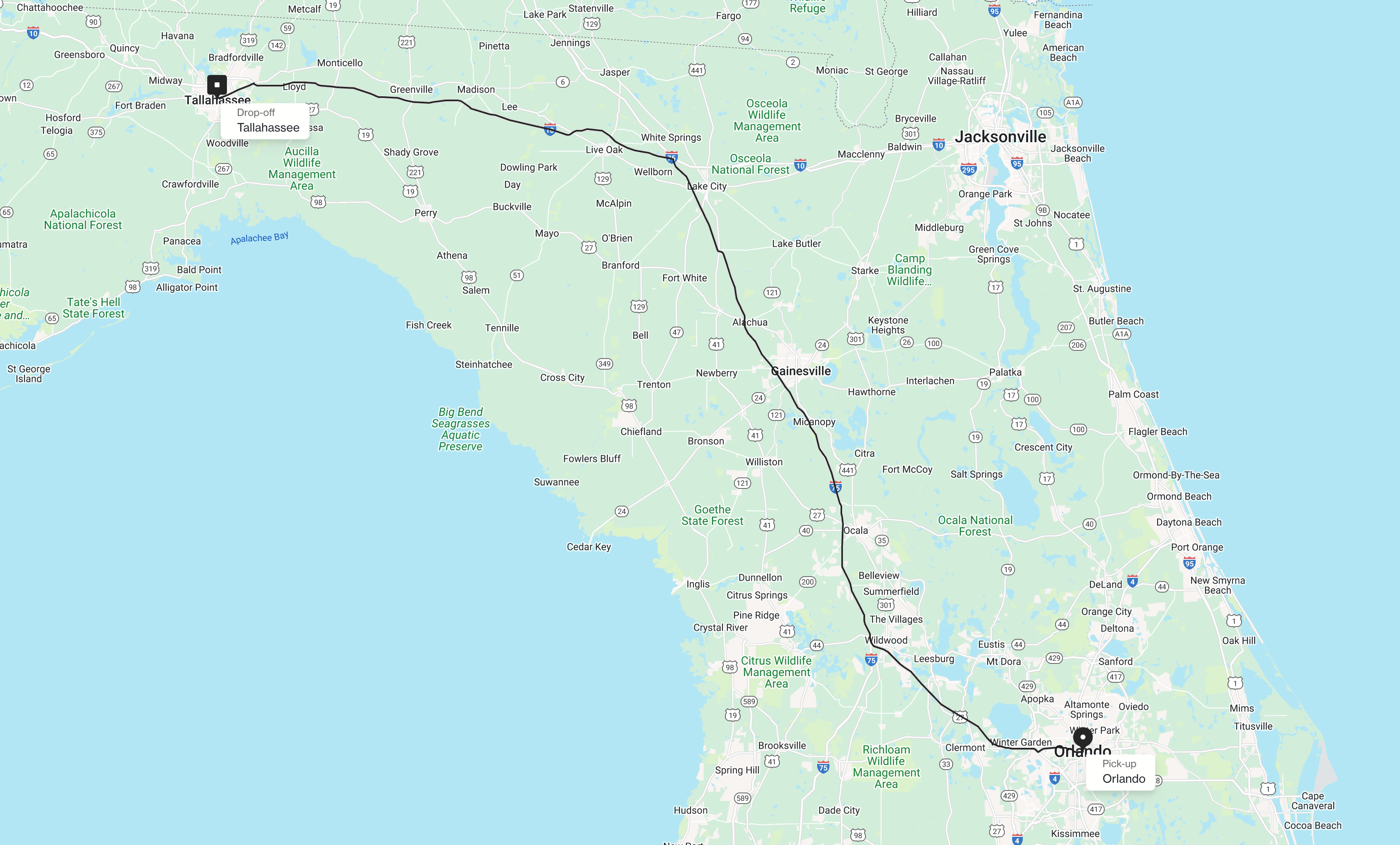
The typical driving distance between the two cities is roughly 250 to 260 miles (400 to 420 kilometers), depending on the specific starting point in Orlando and the destination in Tallahassee, as well as the chosen route.
The estimated driving time for this journey is generally between 3.5 to 4.5 hours under optimal conditions. This estimate assumes smooth traffic flow, minimal stops, and adherence to speed limits. Factors that can significantly impact this travel time include:
- Traffic Congestion: Orlando is a major metropolitan area, and traffic, particularly during rush hours, holidays, or special events, can add considerable time to the beginning of your journey. Similarly, entering Tallahassee during peak times can slow you down.
- Weather Conditions: Heavy rain, fog, or severe thunderstorms, common in Florida, can necessitate slower speeds and increase travel time for safety reasons.
- Road Construction: Ongoing roadwork projects are a constant on busy highways and can lead to lane closures and delays.
- Stops: Whether for fuel, food, rest, or sightseeing, any planned or unplanned stops will extend your overall travel duration.
Navigating the Road: Driving from Orlando to Tallahassee
Driving is by far the most popular method of transport between Orlando and Tallahassee, offering flexibility and the freedom to explore at your own pace. There are a couple of primary routes to consider:
-
The Most Direct Route (via Florida’s Turnpike and Interstate 75): This is generally considered the fastest and most straightforward path.
- Start by taking Florida’s Turnpike (SR 91) north from Orlando. Be aware that Florida’s Turnpike is a toll road, and you’ll need a SunPass or sufficient cash/credit card for tolls (though electronic payment is preferred and often cheaper).
- Continue north on the Turnpike until you reach Wildwood, where it merges with Interstate 75 North.
- Follow Interstate 75 North past cities like Ocala and Gainesville.
- Near Lake City, Interstate 75 turns northwest. You’ll then take Interstate 10 West towards Tallahassee.
- Follow Interstate 10 directly into Tallahassee.
This route is predominantly highway driving, offering high speeds and fewer traffic lights, making it efficient. There are ample rest stops, gas stations, and dining options along Interstate 75.
-
Alternative (Non-Toll) Routes: While generally longer and slower due to more surface roads and traffic lights, some travelers prefer to avoid tolls.
- One option involves taking U.S. Route 27 North from Orlando through areas like Clermont and Ocala, eventually connecting to other state roads or Interstate 75 further north, or even U.S. Route 19 into Tallahassee. This route can offer a glimpse of smaller Florida towns but will significantly extend your travel time, possibly to 5-6 hours or more.
Tips for Driving:
- Rental Cars: If you’re flying into Orlando, numerous car rental agencies are available at Orlando International Airport (MCO) and other locations. Consider renting a car with a SunPass transponder for convenience on toll roads.
- Fuel Up: Ensure your tank is full before departing Orlando and plan for at least one refill along the way.
- Break Up the Drive: For those who prefer to split the journey, Ocala or Gainesville make excellent half-way points for a meal or a brief stop. Ocala is known as the “Horse Capital of the World” and offers beautiful equestrian farms, while Gainesville is a vibrant college town home to the University of Florida.
Alternative Transportation Options
While driving offers unparalleled freedom, it’s not the only way to travel between Orlando and Tallahassee. Depending on your budget, schedule, and preferences, other modes of transport might be more suitable.
Bus Travel: An Economical Choice
Bus services offer an affordable and convenient alternative to driving, especially for solo travelers or those without access to a car.
- Operators: The main bus companies serving this route are Greyhound and RedCoach.
- Greyhound is a well-known national operator offering multiple daily schedules.
- RedCoach provides a more premium experience with comfortable seating, Wi-Fi, and often fewer stops, aiming for a more business-class feel.
- Travel Time: Bus journeys typically take longer than driving, usually ranging from 5 to 7 hours, due to scheduled stops and varying routes.
- Cost: Bus tickets are generally the most budget-friendly option, with prices fluctuating based on booking time, demand, and the class of service (especially with RedCoach).
- Convenience: Buses typically depart from central stations in Orlando and arrive at central locations in Tallahassee, making them accessible for travelers without personal vehicles. However, local transport will be needed to get to and from the bus stations.
Flying Between Orlando and Tallahassee: The Fastest Route
For those prioritizing speed and willing to pay a premium, flying is the quickest way to travel.
- Airports:
- Departure: Orlando International Airport (MCO) is the primary hub for Orlando.
- Arrival: Tallahassee International Airport (TLH) serves the state capital.
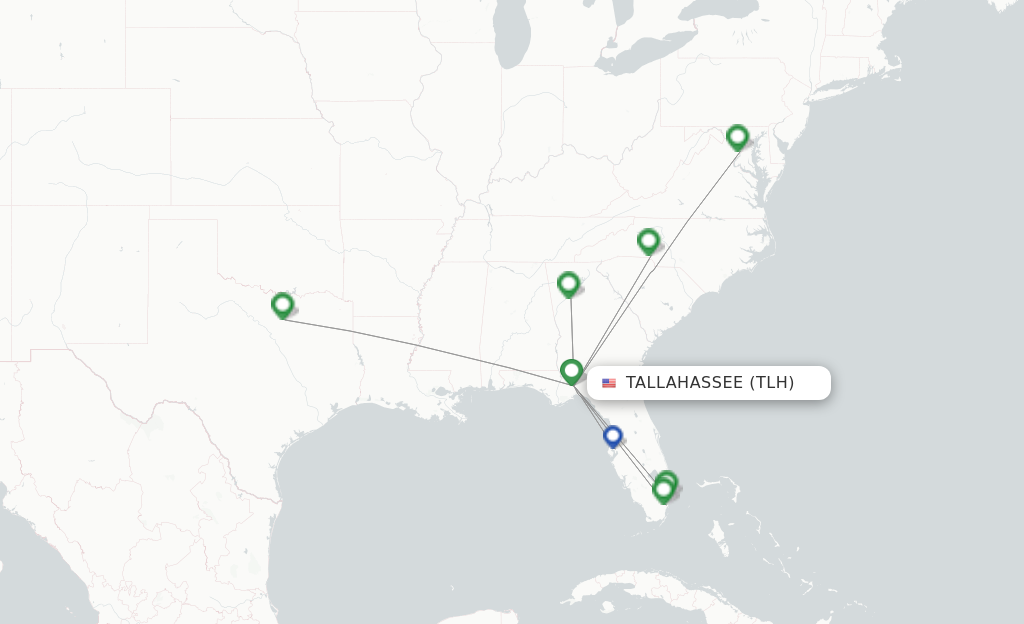
- Flight Duration: Direct flights are rare, but connecting flights typically have an in-air time of approximately 1 to 1.5 hours. However, the overall travel time, including check-in, security, potential layovers, and travel to/from airports, will significantly extend this.
- Airlines: Major carriers like Delta Air Lines, American Airlines, and Southwest Airlines offer connecting flights.
- Cost: Flights are usually the most expensive option, especially when booked close to the travel date. Prices can vary widely based on seasonality, airline, and how far in advance you book.
- Considerations: While the actual flight is fast, factor in the time and cost of getting to and from both airports, which can be considerable, negating some of the time savings for shorter distances like this.
Exploring Train Travel and Ride-Sharing
- Train Travel (Amtrak): Currently, there is no direct passenger rail service between Orlando and Tallahassee. Amtrak’s Silver Service/Palmetto routes serve Orlando, but their northern Florida route deviates significantly from Tallahassee. Therefore, train travel is not a viable direct option for this specific journey.
- Ride-Sharing Services (Uber, Lyft): While technically possible to book an Uber or Lyft for such a long distance, it would be extremely expensive, likely exceeding the cost of a flight or even a rental car for the day. These services are best utilized for shorter distances within cities or to and from airports/bus stations.
Exploring Your Destinations: What Awaits in Orlando and Tallahassee
Understanding the travel logistics is just one part of the equation. Knowing what each city offers can help you better plan your visit, whether it’s for leisure, business, or a blend of both.
Orlando: The Theme Park Capital and Beyond
Orlando is globally renowned as the “Theme Park Capital of the World,” attracting millions of visitors annually with its iconic attractions.
- Iconic Attractions:
- Walt Disney World Resort: Home to Magic Kingdom, Epcot, Hollywood Studios, and Animal Kingdom, along with numerous water parks and entertainment complexes.
- Universal Orlando Resort: Featuring Universal Studios Florida, Islands of Adventure (including The Wizarding World of Harry Potter), and Volcano Bay water park.
- SeaWorld Orlando: A marine zoological park and theme park.
- Other attractions include LEGOLAND Florida Resort (a bit outside Orlando), Gatorland, and various dinner shows and entertainment venues along International Drive.
- Accommodation: Orlando boasts an unparalleled array of accommodation options, from luxury resorts within the theme parks to budget-friendly hotels and vacation rentals. Travelers can choose from amenity-rich suites, sprawling resorts with water parks, or more intimate apartment and villa stays. Booking in advance, especially during peak season, is highly recommended.
- Dining and Shopping: The city offers diverse culinary experiences, from fine dining to casual eateries, and extensive shopping opportunities at outlets, malls, and unique boutiques in areas like Winter Park.
- Lifestyle: Orlando caters to all lifestyles, whether you’re planning a luxury family vacation, a romantic getaway, or a budget-conscious trip with friends. Its infrastructure is designed for tourism, making it easy to find guides, experiences, and activities.
Tallahassee: Florida’s Historic Capital
In stark contrast to Orlando’s hyper-modern entertainment focus, Tallahassee offers a glimpse into Florida’s history, political landscape, and natural beauty.
- Key Attractions and Landmarks:
- Florida State Capitol: Explore the historic Old Capitol and the modern 22-story New Capitol Building, offering panoramic views of the city.
- Mission San Luis de Apalachee: A National Historic Landmark, this living history museum reconstructs a 17th-century Spanish mission and Apalachee Indian village.
- Alfred B. Maclay Gardens State Park: Stunning ornamental gardens, a brick walk, and a secret garden perfect for nature lovers.
- Tallahassee Museum: A unique blend of history, nature, and wildlife, featuring historic buildings, native animals, and zip-lining.
- Florida State University (FSU) and Florida A&M University (FAMU): The presence of these major universities gives Tallahassee a youthful, academic vibe and contributes to its cultural scene.
- Local Culture and Food: Tallahassee’s food scene is a blend of Southern comfort, fresh seafood, and diverse international flavors, reflecting its position as a capital city. Its local culture is steeped in history, government, and college sports.
- Natural Beauty: Beyond the city, the surrounding area offers natural escapes like the St. Marks National Wildlife Refuge and parts of the Apalachicola National Forest, providing opportunities for hiking, birdwatching, and exploring untouched Florida wilderness. The Gulf Coast beaches, such as St. George Island and Mexico Beach, are also within a reasonable driving distance for a day trip or extended stay.
- Accommodation: Tallahassee offers a good selection of hotels, from business-oriented chains to charming boutique inns, catering to government visitors, university guests, and tourists.
Making the Most of Your Trip: Tips for a Seamless Journey
Whether you’re traveling for business or pleasure, a well-planned trip ensures a more enjoyable and stress-free experience.
Planning Your Accommodation and Stays
- Book in Advance: Especially if traveling during peak seasons, holidays, legislative sessions (for Tallahassee), or major university events, booking your accommodation well ahead of time is crucial.
- Consider Your Needs:
- Hotels & Suites: Ideal for comfort, amenities like pools and fitness centers, and often include breakfast. Many reputable brands offer consistent quality.
- Resorts: For a more comprehensive vacation experience, especially in Orlando, with on-site dining, entertainment, and extensive facilities.
- Apartments & Villas: Great for longer stays, families, or groups, offering more space, kitchen facilities, and a home-like feel.
- Location Matters: In Orlando, decide if you want to be close to specific theme parks, downtown, or the convention center. In Tallahassee, consider proximity to the Capitol, FSU, FAMU, or specific historical sites.
- Reviews and Comparisons: Always check recent reviews and compare prices across different booking platforms to find the best value and ensure the accommodation meets your expectations.
Travel Logistics and Essential Advice
- Best Time to Travel: Florida’s weather is generally pleasant from late fall through spring (November to May), with cooler temperatures and less humidity. Summer (June to September) can be very hot and humid, with a higher chance of afternoon thunderstorms and hurricane season concerns. Traveling off-peak can mean fewer crowds and potentially lower prices for flights and hotels.
- Packing Essentials: Depending on the season, pack light clothing, swimwear, sun protection (sunscreen, hats, sunglasses), comfortable walking shoes, and rain gear. For Tallahassee, if you plan to visit government buildings, consider smart casual attire.
- Budgeting: Factor in not just transportation and accommodation, but also food, attraction tickets, souvenirs, and incidental expenses. Create a realistic budget to avoid overspending.
- Local Transportation: Once you arrive in Orlando or Tallahassee, consider how you’ll get around. While Orlando has extensive public transport options, shuttle services, and ride-sharing, Tallahassee is more car-dependent. Ride-sharing services are available in both cities, but having a rental car offers maximum flexibility.
- Stay Hydrated: Florida’s climate can be warm and humid, so it’s important to drink plenty of water, especially when exploring outdoors.
In conclusion, the journey from Orlando to Tallahassee is a manageable one, spanning approximately 250-260 miles with a driving time of 3.5 to 4.5 hours. While driving offers the most flexibility, bus services provide an economical alternative, and flights offer the fastest, albeit most expensive, route. Each city presents a unique experience, from Orlando’s world-renowned entertainment to Tallahassee’s rich history and natural beauty. By planning your transportation, accommodation, and activities thoughtfully, you can ensure a smooth and memorable trip across these two vibrant Florida destinations.
LifeOutOfTheBox is a participant in the Amazon Services LLC Associates Program, an affiliate advertising program designed to provide a means for sites to earn advertising fees by advertising and linking to Amazon.com. Amazon, the Amazon logo, AmazonSupply, and the AmazonSupply logo are trademarks of Amazon.com, Inc. or its affiliates. As an Amazon Associate we earn affiliate commissions from qualifying purchases.