
Florida, the Sunshine State, is a magnet for dreamers. From its pristine beaches in Miami and Sarasota to the magical theme parks of Orlando, and the serene natural beauty of Everglades National Park, it offers an unparalleled lifestyle. Millions flock to Florida annually, whether for a memorable vacation, a long-term stay as a snowbird, or to make it their permanent home. The state’s vibrant culture, diverse attractions, and welcoming communities make it a top choice for retirees, families, and young professionals alike. Many acquire vacation homes, investment properties, or establish residency, drawn by the promise of sun-drenched days and an active lifestyle.
However, amidst the allure of Florida’s endless summer, it’s essential to consider the practicalities of life and, inevitably, the winding down of one’s affairs. For those who own property, reside, or have significant assets in the state, understanding the probate process is not just a legal formality, but a crucial aspect of responsible lifestyle planning. Probate is the legal procedure through which a deceased person’s assets are gathered, debts are paid, and the remaining property is distributed to heirs or beneficiaries. It’s a process that can often seem daunting and opaque, especially when navigating it from afar or during a time of grief. The question often arises, particularly for those with complex estates or out-of-state residences: “How long does probate take in Florida?” While there’s no single answer, understanding the nuances of Florida probate can provide clarity and peace of mind, ensuring that your legacy and your loved ones’ future are as bright as a Florida sunset. This comprehensive guide will delve into the intricacies of Florida probate, offering insights relevant to residents, visitors with Florida ties, and anyone planning their ultimate Florida lifestyle.
Understanding the Sunshine State’s Probate Landscape
Florida’s unique demographic – a large retiree population, a constant influx of seasonal residents, and a booming real estate market – makes its probate system particularly relevant to a broad spectrum of individuals. Whether you’re considering a luxurious retirement in Naples, a casual beach house in Key West, or an investment property near Walt Disney World Resort, knowing the basics of how assets are handled after death is paramount. The state’s probate courts are consistently busy, reflecting the dynamic nature of its population and the property ownership that comes with it.
What is Probate and Why Does it Matter in Florida?
At its core, probate is the legal validation of a will and the administration of an estate. It ensures that the deceased’s wishes, as outlined in their will, are honored, or if no will exists, that their assets are distributed according to Florida intestacy laws. The process typically involves several key steps: appointing a personal representative (executor), identifying and inventorying all assets, paying any outstanding debts and taxes, and finally, distributing the remaining assets to the rightful beneficiaries.
For those embracing the Florida lifestyle, whether as full-time residents, snowbirds, or investors, understanding probate is crucial. Many individuals purchase property in Florida without fully considering the implications of how that property will be handled upon their death. A vacation condo in Boca Raton or a retirement villa in Palm Beach can become entangled in a lengthy probate process if not properly planned for. This can lead to stress and financial burdens for surviving family members, potentially disrupting their ability to enjoy the very lifestyle that drew their loved one to Florida in the first place. Moreover, for individuals from other countries who own property in Florida, the complexities can multiply, often requiring ancillary probate in Florida in addition to probate in their home country.
Key Factors Influencing Probate Duration
The duration of probate in Florida is highly variable, much like the diverse experiences one can have exploring the state. While some estates sail through the process relatively quickly, others can become mired in complications for years. Several factors significantly influence this timeline:
- Estate Size and Complexity: This is perhaps the most significant determinant. A small, straightforward estate with few assets and no disputes will generally complete probate much faster than a large, complex estate involving multiple properties (perhaps a beachfront rental in St. Petersburg and a city apartment in Jacksonville), various types of investments, or business interests. Estates with assets spread across different states or countries will also naturally take longer due to the need for multiple probate proceedings.
- Existence and Validity of a Will: An uncontested, properly executed will simplifies the process immensely, providing clear instructions for asset distribution. If there is no will (intestacy), or if the will is challenged (a “will contest”), the probate period can extend significantly as the court must determine legal heirs and address disputes.
- Efficiency of the Personal Representative: The personal representative, or executor, plays a pivotal role. Their diligence in gathering documents, communicating with beneficiaries, and meeting court deadlines can dramatically impact the pace. An organized and proactive personal representative can expedite the process, while a less engaged one can cause delays.
- Creditor Claims: Florida‘s probate law requires the personal representative to notify creditors and allow them a specific period (typically 90 days) to file claims against the estate. If valid claims are numerous or contentious, the process will naturally take longer as these debts must be settled before assets are distributed.
- Court Backlogs and Caseloads: Like any legal system, Florida’s courts can experience backlogs. The volume of cases, staffing levels, and judicial efficiency in a particular county can sometimes influence how quickly a case moves through the system.
- Tax Issues: If the estate is subject to federal estate taxes (though Florida does not have its own estate tax), the need to file estate tax returns and obtain tax clearances can add considerable time. This is often a concern for high-net-worth individuals who might choose Florida for its favorable tax environment during their lifetime, but still face federal obligations upon death.
- Beneficiary Disputes: Perhaps the most emotionally charged and time-consuming factor, disagreements among beneficiaries or heirs can bring probate to a grinding halt. Whether it’s a dispute over the interpretation of a will, the valuation of assets, or simply sibling rivalries, these conflicts often require mediation or even litigation, significantly prolonging the process.
Navigating Florida Probate: A Guide for Residents and Visitors
Understanding the different types of probate proceedings in Florida is key to setting realistic expectations regarding timelines. Just as there are various ways to experience Florida – from a quick weekend getaway to a luxurious long-term retreat – there are different paths an estate can take through the probate court. The choice of path largely depends on the value of the estate and the circumstances surrounding the death.
Formal Administration vs. Summary Administration: Which Path for Your Florida Estate?
Florida law primarily outlines two types of probate administration:
- Formal Administration: This is the most common and comprehensive type of probate, generally required for estates where the total non-exempt assets exceed $75,000, or when the deceased has been dead for less than two years and still has outstanding creditor claims.
- Process: Formal administration is a multi-step process involving the appointment of a personal representative, extensive legal filings, inventorying assets, notifying creditors, paying debts, and ultimately distributing assets. It is a court-supervised process from beginning to end.
- Typical Timeline: Formal administration usually takes 6 to 12 months to complete, though complex estates with disputes, significant assets, or tax issues can easily extend beyond this, sometimes taking 18 months or even several years. The requirement to wait 90 days for creditor claims alone ensures a minimum duration.
- Relevance to Lifestyle: This path is typically taken for larger, more complex estates, often associated with individuals who have established significant wealth and property holdings in Florida, perhaps owning luxury resorts, multiple vacation properties, or extensive investment portfolios. It ensures a thorough, legally sound process for distributing substantial legacies.
- Summary Administration: This is an expedited version of probate designed for smaller, less complex estates.
- Eligibility: An estate qualifies for summary administration if the value of the entire estate (excluding exempt property) does not exceed $75,000, OR if the decedent passed away more than two years ago.
- Process: Summary administration bypasses many of the formal steps of full probate, such as the appointment of a personal representative with full powers. Instead, a petition is filed with the court, and after a review, an order is issued distributing the assets.
- Typical Timeline: Summary administration is considerably faster, often taking 2 to 4 months to complete. If all documentation is in order and there are no complications, it can sometimes be resolved even quicker.
- Relevance to Lifestyle: This option is ideal for snowbirds with minimal Florida assets, individuals with a small vacation property, or those whose main assets are held in trusts or other non-probate forms. It offers a quicker, less costly way to handle straightforward estates, allowing families to move forward with their lives without undue delay.
The Typical Timeline: What to Expect
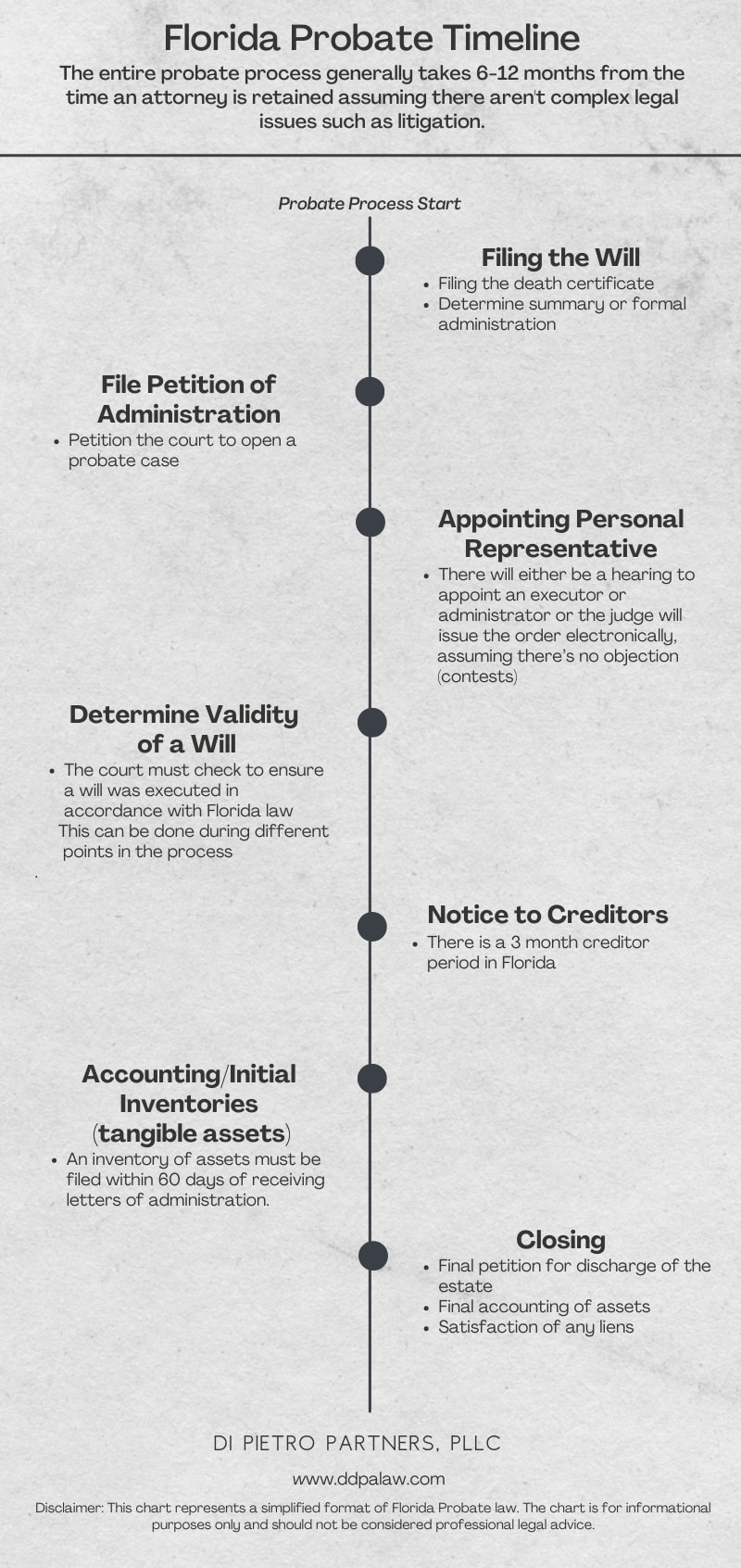
While the averages provide a useful benchmark, it’s crucial to remember that each probate case is unique, much like every journey through Florida offers different experiences. The following serves as a general guide for formal administration, the most common type:
- Month 1-2: Opening the Estate and Appointing a Personal Representative:
- Petition for Administration filed with the circuit court.
- Notice of Administration published (typically in a local newspaper) and served on interested parties.
- Court issues “Letters of Administration,” officially appointing the personal representative.
- Month 2-5: Identifying and Valuing Assets, Notifying Creditors:
- Personal representative gathers all estate assets (bank accounts, real estate like a condo in Tampa, personal property, etc.) and obtains valuations.
- Creditors are identified and formally notified. They have 90 days from notification to file a claim. This creditor period is a statutory minimum that significantly impacts the overall timeline.
- Month 5-8: Resolving Creditor Claims and Paying Debts:
- Personal representative reviews all creditor claims. Valid claims are paid from the estate assets. Disputes over claims can prolong this stage.
- Month 8-10: Preparing and Filing Tax Returns:
- Depending on the size of the estate, federal estate tax returns may need to be filed. Even if no tax is due, filing might be necessary.
- Final income tax returns for the decedent and the estate’s income tax returns must be prepared.
- Month 10-12+: Accounting and Distribution:
- The personal representative prepares a final accounting, detailing all transactions.
- This accounting is submitted to the court and beneficiaries for approval.
- Once approved, the court issues an Order of Discharge, authorizing the personal representative to distribute the remaining assets to beneficiaries. The estate is then closed.
It’s important to note that unexpected issues, such as a missing will, unidentified heirs, challenges to the will’s validity, or complex assets like undeveloped land or an ongoing business, can push these timelines significantly. While Florida is known for its relaxed pace, the legal system adheres strictly to statutory requirements, making patience a necessary virtue during this process.
Planning Your Florida Lifestyle: Minimizing Probate Impact
For many, the allure of Florida lies in its promise of a worry-free existence, whether that means endless beach days, world-class golf, or vibrant cultural experiences. Integrating estate planning into your Florida lifestyle ensures that this peace of mind extends beyond your lifetime, protecting your legacy and streamlining the future for your loved ones. Proactive planning can significantly reduce, or even eliminate, the need for probate, saving time, money, and emotional strain.
Strategic Estate Planning: Protecting Your Florida Investments and Legacy
The good news is that there are numerous strategies available to individuals seeking to minimize or avoid probate in Florida. These methods are particularly valuable for those who have invested in Florida real estate, whether a condominium in Jacksonville, a resort property, or a sprawling retirement home.
- Living Trusts (Revocable Trusts): This is one of the most powerful tools for avoiding probate. When you establish a living trust, you transfer ownership of your assets (including your Florida property, bank accounts, and investments) into the trust during your lifetime. You typically serve as the trustee and beneficiary, maintaining full control. Upon your death, a successor trustee you’ve named can distribute the assets to your beneficiaries according to your instructions, all without court involvement. This allows for a private and usually much quicker transfer of assets, bypassing the probate court entirely. It’s an ideal solution for those with extensive property portfolios or a desire for ultimate privacy.
- Joint Ownership with Right of Survivorship: Holding property, particularly real estate, in joint tenancy with right of survivorship (or as tenants by the entirety for married couples) is a common way to avoid probate for that specific asset. Upon the death of one owner, their share automatically passes to the surviving owner(s) outside of probate. This is frequently used for a primary residence or a shared vacation property, perhaps a charming bungalow in Key West co-owned by spouses or partners.
- Beneficiary Designations: Many assets, such as life insurance policies, retirement accounts (IRAs, 401ks), and even some bank accounts (Payable-on-Death or POD accounts) and investment accounts (Transfer-on-Death or TOD accounts), allow you to name beneficiaries directly. Upon your death, these assets transfer directly to the named beneficiaries without going through probate. This is an essential step for every individual, regardless of their estate’s complexity, ensuring these vital financial assets reach their intended recipients swiftly.
- Lady Bird Deeds (Enhanced Life Estate Deeds): Unique to Florida and a few other states, a Lady Bird Deed allows you to retain full control over your Florida real estate during your lifetime (including the right to sell or mortgage it) while automatically transferring ownership to a named beneficiary upon your death, avoiding probate. This is an excellent option for single property owners who wish to simplify the transfer of their homestead.
Implementing these strategies is not merely a legal exercise; it’s a profound act of care and foresight, ensuring that your family can focus on navigating grief rather than bureaucratic hurdles. For those who embrace the “life out of the box” philosophy, enjoying Florida’s unique offerings, smart estate planning ensures that your legacy continues to provide comfort and stability for your loved ones.
Seeking Professional Guidance: Ensuring a Smooth Transition
While the concept of probate might seem straightforward, the actual process in Florida can be filled with intricacies, legal jargon, and specific deadlines that are easy to miss for the uninitiated. This is especially true for individuals who may be managing an estate from out-of-state or even from another country, adding layers of logistical and legal complexity.
Engaging an experienced Florida probate attorney is not an expenditure but an investment in efficiency and peace of mind. A skilled attorney can:
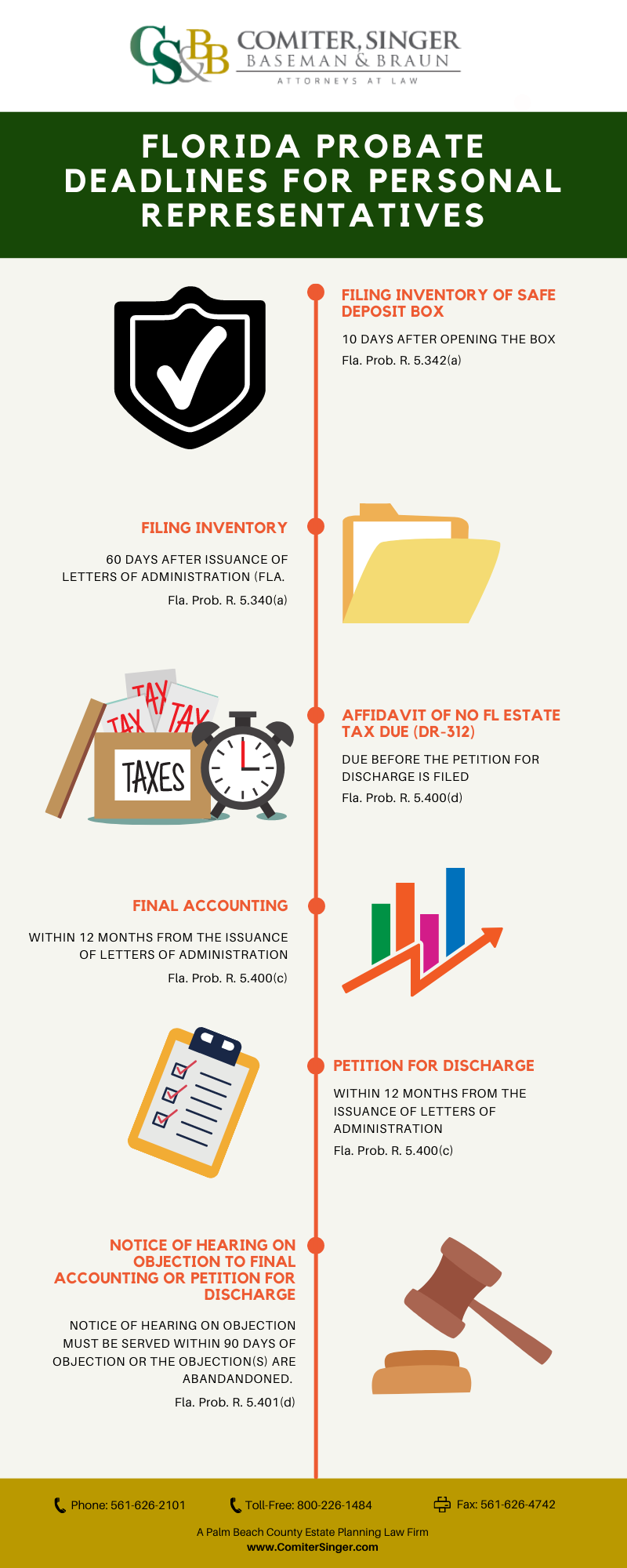
- Navigate Legal Requirements: Ensure all filings are correct, deadlines are met, and statutory procedures are followed, preventing costly delays or mistakes.
- Minimize Disputes: Act as a neutral third party, helping to mediate disagreements among beneficiaries or resolve creditor claims effectively.
- Handle Complex Assets: Manage the valuation and distribution of unusual assets, such as intellectual property, foreign investments, or fractional ownership in a Florida resort.
- Optimize Tax Implications: Advise on any federal estate tax issues or other tax-related matters, ensuring compliance and potentially minimizing liabilities.
- Provide Timely Updates: Keep beneficiaries informed about the progress of the estate, reducing anxiety and uncertainty during an already difficult time.
For anyone who has chosen Florida as a destination for travel, accommodation, or a long-term lifestyle, understanding probate is a vital part of comprehensive life planning. Whether you’re enjoying a cruise from Miami, exploring the historic streets of St. Petersburg, or simply savoring the sunshine, having your affairs in order allows you to fully immerse yourself in the experiences Florida has to offer, knowing that your future, and that of your loved ones, is secure.
In conclusion, while “How long does probate take in Florida?” doesn’t have a one-size-fits-all answer, proactive estate planning is the most effective way to influence the timeline and minimize its impact. By taking the time to consult with legal professionals and implement appropriate strategies, you can ensure that your Florida legacy is transferred smoothly and efficiently, allowing your loved ones to cherish memories rather than grapple with legal complexities. This thoughtful approach ensures that the “life out of the box” you enjoyed in Florida continues to provide freedom and ease for generations to come.
LifeOutOfTheBox is a participant in the Amazon Services LLC Associates Program, an affiliate advertising program designed to provide a means for sites to earn advertising fees by advertising and linking to Amazon.com. Amazon, the Amazon logo, AmazonSupply, and the AmazonSupply logo are trademarks of Amazon.com, Inc. or its affiliates. As an Amazon Associate we earn affiliate commissions from qualifying purchases.