
Florida, often celebrated as the Sunshine State, is a global magnet for travelers drawn to its pristine beaches, vibrant cities, and unique natural landscapes. From the magical theme parks of Orlando to the bustling urban allure of Miami, and the tranquil, historic charm of St. Augustine, Florida offers an unparalleled diversity of experiences. Yet, beneath the surface of this idyllic travel paradise, a significant ecological challenge lurks in its southern wetlands: the invasive Burmese python. These massive constrictors, non-native to the United States, have established a breeding population that poses a profound threat to the state’s delicate ecosystems, particularly the iconic Everglades. For visitors planning their next vacation, understanding this environmental issue adds an important layer to responsible tourism and appreciating the state’s wild beauty. The question of “How many Burmese pythons are in Florida?” is not just a matter of scientific curiosity but a crucial indicator of the health of one of America’s most treasured natural landscapes and a hidden narrative woven into the fabric of this popular travel destination.

The Silent Invasion: An Ecological Challenge in the Sunshine State
The story of the Burmese python in Florida is a cautionary tale of unintended consequences, largely stemming from the exotic pet trade. Native to Southeast Asia, these impressive reptiles were once sought after for their striking patterns and docile nature when young. However, as they grow to formidable sizes – often exceeding 20 feet in length – they become unmanageable pets, leading some irresponsible owners to release them into the wild. Florida’s subtropical climate, particularly the vast, watery expanse of the Everglades, proved to be an ideal, predator-free environment for these opportunistic hunters to thrive. The state’s warm temperatures and abundant prey offered a perfect breeding ground, allowing a small, initial population to explode into a pervasive ecological problem. This invasive species now represents a significant threat to native wildlife, disrupting food webs and threatening biodiversity within one of the world’s most unique wetland ecosystems.
The Unseen Numbers: Estimating a Hidden Population
Accurately counting Burmese pythons in the Everglades is an incredibly difficult, if not impossible, task. Their cryptic nature, expert camouflage, and preference for dense vegetation make them elusive. They are masters of concealment, often blending seamlessly with their surroundings, making direct observation challenging. Furthermore, the sheer scale of their primary habitat – the vast, sprawling, and largely inaccessible 1.5 million acres of Everglades National Park and surrounding protected lands – presents an enormous logistical hurdle for researchers.
Scientists and wildlife experts rely on various methods to estimate the population, including trap captures, detection dogs, satellite telemetry, and public sightings. While there’s no precise number, conservative estimates suggest tens of thousands of pythons inhabit South Florida. Some researchers believe the true figure could potentially run into the hundreds of thousands. What is clear, however, is that the population is robust and well-established, with females capable of laying clutches of up to 100 eggs. The sheer reproductive capacity and longevity of these snakes mean that even if control efforts remove thousands annually, the population continues to expand, pushing further into new territories and compounding the challenge for conservationists trying to protect Florida’s iconic natural heritage.
A Predator’s Rise: Impact on Native Wildlife
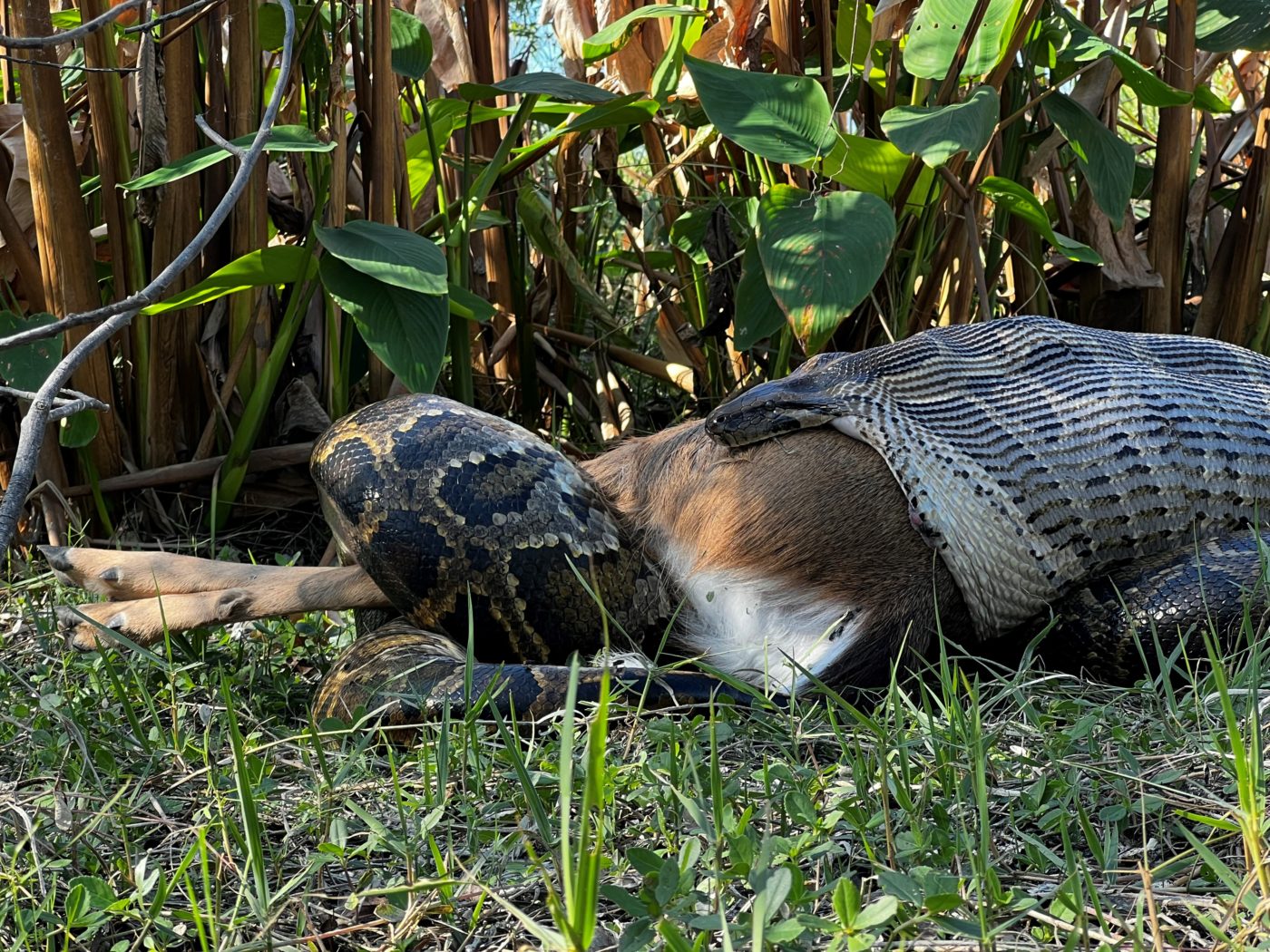
The rise of the Burmese python in Florida has had devastating consequences for native wildlife populations. As apex predators in their introduced environment, they have few natural enemies in the Everglades, allowing them to exert immense pressure on prey species. Research, particularly studies conducted within Everglades National Park, has documented severe declines in mammal populations directly attributable to python predation. For instance, populations of raccoons, opossums, bobcats, and white-tailed deer have plummeted by over 90% in some areas where pythons are prevalent. These mammals are crucial components of the Everglades ecosystem, serving as both predators and prey, and their decline creates a ripple effect throughout the food web.
Beyond mammals, pythons are also known to consume birds, including various wading bird species that are characteristic of the Everglades. Their broad diet means they are generalist predators, capable of consuming almost anything they can overpower, from small rodents to alligators and even Florida panthers. This relentless predation poses a direct threat to endangered and threatened species, further imperiling Florida’s already vulnerable biodiversity. The long-term ecological ramifications are profound, potentially leading to ecosystem collapse in areas where pythons have eradicated native species, thereby diminishing the very natural wonders that draw so many to explore Florida’s unique wilderness.
Florida’s Natural Beauty Meets Conservation Efforts: Implications for Travel
Florida’s breathtaking natural beauty is a cornerstone of its appeal as a global travel destination. From the vibrant coral reefs off the Florida Keys to the sprawling wetlands of the Everglades, these natural assets attract millions of visitors annually, underpinning a robust tourism economy. However, the ongoing struggle against the Burmese python presents a unique challenge, prompting questions about how this ecological crisis might affect the traveler’s experience. While pythons are primarily concentrated in remote wilderness areas and encounters in popular tourist spots or urban centers like Fort Lauderdale or Naples are extremely rare, the perception of danger can sometimes overshadow the reality. Nonetheless, for those venturing into or near the Everglades, understanding the issue becomes part of a broader commitment to responsible and informed travel. Instead of deterring visitors, this challenge presents an opportunity for greater environmental awareness and engagement, encouraging travelers to support conservation efforts that safeguard Florida’s natural heritage for future generations.
Responsible Tourism in a Challenged Ecosystem
For travelers visiting Florida, especially those drawn to its natural wonders, engaging in responsible tourism practices is more important than ever. While the likelihood of encountering a Burmese python during a typical visit to a resort or a stroll on South Beach is negligible, excursions into the Everglades or other wild areas require a mindful approach. Many eco-tourism operators in regions like Key Largo and the greater Everglades area offer guided tours, such as airboat rides or swamp walks, that not only showcase the beauty of the wetlands but also educate visitors about the python problem and its ecological impacts. These experiences provide a safe and informative way to appreciate the ecosystem while understanding the threats it faces. By choosing tours and accommodations that prioritize sustainable practices and support local conservation initiatives, travelers contribute directly to the efforts to protect Florida’s unique environment. This mindful approach transforms a leisure trip into an opportunity to learn, engage, and support the ongoing battle to preserve the state’s extraordinary natural heritage.
Supporting the Solution: Hunter Programs and Research
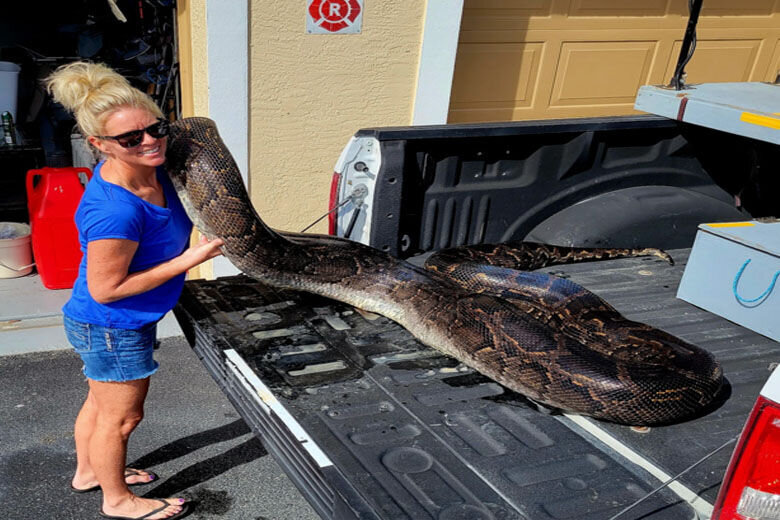
In response to the escalating python crisis, Florida has implemented a range of aggressive control strategies, including innovative hunter programs and extensive scientific research. The Florida Fish and Wildlife Conservation Commission (FWC), along with organizations like the South Florida Water Management District, runs a professional python elimination program that employs trained hunters to remove pythons from sensitive areas. These skilled individuals dedicate countless hours to tracking and capturing snakes, often using techniques like detector dogs or even surgically implanting male “scout” snakes with transmitters to locate breeding females.
Beyond direct removal, extensive research is underway to develop more effective tools and methods for controlling the python population, including genetic manipulation and new trapping technologies. As a traveler, your support, whether through choosing eco-friendly resorts or participating in educational tours, indirectly contributes to the broader conservation economy that funds these crucial initiatives. Many hotels and resorts, particularly those near natural parks, are increasingly adopting sustainable practices and partnering with conservation groups. For instance, staying at an eco-lodge that champions local environmental causes or simply opting for accommodations that are transparent about their sustainability efforts helps funnel resources towards protecting the very landscapes that make Florida such a desirable destination.
Planning Your Florida Adventure: Beyond the Pythons
While the ecological challenge posed by the Burmese python is significant, it’s crucial for travelers to understand that Florida remains an incredibly safe and diverse destination offering an unparalleled array of experiences. The python issue is largely confined to specific wilderness areas in South Florida, and it should not overshadow the vast and varied attractions that draw millions of visitors annually. From world-class theme parks to serene beaches, historic cities, and vibrant cultural hubs, Florida provides an escape for every type of traveler. Your adventure in the Sunshine State is far more likely to involve encounters with stunning sunsets, captivating marine life, thrilling rides, or exquisite dining experiences than with an elusive python. The state’s commitment to responsible tourism ensures that visitors can enjoy its wonders safely while also being informed about the environmental stewardship vital to its future.
Diverse Destinations and Experiences Across the State
Florida’s appeal lies in its extraordinary diversity. Families flock to Walt Disney World Resort and Universal Studios Florida in Orlando for magical adventures and thrilling rides, creating cherished memories. Beach lovers find their paradise along the endless stretches of coastline, whether it’s the glamorous shores of South Beach, the family-friendly sands of Sarasota, or the tranquil beauty of the Emerald Coast. History buffs can step back in time in St. Augustine, the nation’s oldest city, exploring ancient forts and cobblestone streets. For those seeking a unique blend of relaxation and vibrant culture, Key West offers a laid-back, bohemian atmosphere with stunning sunsets and delicious seafood.
Adventure seekers can explore kayaking in pristine springs, snorkeling in crystal-clear waters, or cycling through scenic coastal trails. Luxury travelers can indulge in world-class shopping and dining in cities like Miami and Palm Beach, while budget travelers can discover charming small towns, state parks, and beautiful public beaches. Whether you’re planning a romantic getaway, a fun-filled family vacation, or a solo adventure, Florida’s tapestry of destinations ensures there’s always something new and exciting to explore, far removed from the ecological battles fought in its wild heart.
Accommodation Choices: From Eco-Lodges to Luxury Resorts
Florida’s accommodation landscape is as diverse as its attractions, catering to every preference and budget, from opulent luxury resorts to charming eco-lodges. For those seeking an unparalleled stay, iconic establishments like The Breakers Palm Beach offer five-star amenities, championship golf courses, and exquisite dining, embodying the height of luxury travel. In Orlando, theme park enthusiasts can immerse themselves in the magic at properties such as the Loews Portofino Bay Hotel at Universal Orlando Resort, which provides convenient access and themed experiences.
For travelers with an interest in sustainable travel and a connection to nature, numerous eco-lodges and boutique hotels, particularly in regions bordering natural parks or coastal areas, prioritize environmental responsibility. These accommodations often feature practices like reduced water consumption, solar power, and locally sourced food, providing a comfortable stay that aligns with conservation values. Vacation rentals and apartments are also popular, offering flexibility for families or longer stays, especially in areas like Sarasota or Key Largo. Whether you prefer a beachfront suite, a tranquil villa nestled among mangroves, or a budget-friendly hotel with all essential amenities, Florida’s extensive range of lodging options ensures a perfect base for exploring all the state has to offer, allowing visitors to choose experiences that align with both their travel style and their commitment to responsible tourism.
The Future of Florida’s Wilds: A Call to Awareness
The question of “How many Burmese pythons are in Florida?” continues to be a complex and evolving challenge, underscoring the delicate balance of Florida’s ecosystems. While precise numbers remain elusive, the reality of a thriving, invasive population is undeniable, demanding ongoing vigilance and robust conservation efforts. For visitors and residents alike, this issue is a powerful reminder of the interconnectedness of all living things and the lasting impact of human actions, whether intentional or accidental. Florida’s unique biodiversity, a major draw for tourism and an invaluable natural resource, hangs in the balance.
A Shared Responsibility for Conservation
Ultimately, the future of Florida’s wilds and its ability to maintain its ecological integrity is a shared responsibility. While scientists and wildlife managers are at the forefront of the battle against the Burmese python, every visitor plays a role. By choosing to travel responsibly, supporting businesses that prioritize sustainability, and learning about the local environment, travelers contribute to the broader conservation efforts. This includes adhering to park rules, never releasing exotic pets into the wild, and reporting python sightings if encountered. Florida remains a vibrant, beautiful, and welcoming destination, and by embracing an informed and respectful approach to travel, we can all help ensure that its stunning landscapes and unique wildlife continue to thrive for generations to come, preserving the very essence that makes the Sunshine State an extraordinary place to explore.
LifeOutOfTheBox is a participant in the Amazon Services LLC Associates Program, an affiliate advertising program designed to provide a means for sites to earn advertising fees by advertising and linking to Amazon.com. Amazon, the Amazon logo, AmazonSupply, and the AmazonSupply logo are trademarks of Amazon.com, Inc. or its affiliates. As an Amazon Associate we earn affiliate commissions from qualifying purchases.