
As of the current date in 2024, the specific number of hurricanes that have made direct landfall in Florida is a question that requires a nuanced answer, given that the Atlantic hurricane season typically runs from June 1st to November 30th. While tropical activity can occur outside these months, the peak period for hurricane formation and impact often falls between August and October. For travelers eyeing the Sunshine State for their next adventure, understanding Florida’s’s relationship with these powerful weather systems is crucial for planning a safe and enjoyable trip.
Florida, a peninsula surrounded by the Atlantic Ocean to the east and the Gulf of Mexico to the west, is no stranger to tropical weather. Its unique geographical position makes it one of the most susceptible states in the United States to hurricanes and tropical storms. This doesn’t, however, diminish its allure as a premier destination for travel, tourism, and vibrant lifestyle experiences. Instead, it underscores the importance of being well-informed and prepared. This guide aims to shed light on the 2024 hurricane season’s outlook, equip travelers with essential planning tips, and highlight Florida’s remarkable resilience, ensuring your focus remains on soaking up the sun and enjoying its myriad attractions.

Understanding Florida’s Hurricane Landscape in 2024
Florida’s reputation as a storm-prone region is well-documented, but each year brings its own set of meteorological conditions. For 2024, experts are keenly observing global weather patterns to provide forecasts that, while not specific to landfalls, can indicate the potential intensity of the season.
The Current Outlook for the 2024 Hurricane Season
As of now, in the early to mid-stages of 2024, directly answering “how many hurricanes have hit Florida?” can be misleading, as the most active part of the season is often yet to come. Meteorologists at institutions like the National Hurricane Center (NHC) and the National Oceanic and Atmospheric Administration (NOAA) issue seasonal outlooks that forecast the number of named storms, hurricanes, and major hurricanes expected in the Atlantic Ocean basin. These predictions are based on various factors, including sea surface temperatures in the Atlantic Ocean and the Caribbean Sea, as well as the presence or absence of phenomena like El Niño or La Niña, which significantly influence storm development.
For 2024, many early season forecasts have pointed towards the potential for an above-average hurricane season due to unusually warm ocean temperatures and the anticipated shift towards a La Niña pattern. While these forecasts provide a broad picture of potential activity, they do not predict specific hurricane landfalls. It’s entirely possible for an active season to occur without a single storm directly hitting Florida, just as it’s possible for a less active season to still see significant impacts. Therefore, the most accurate answer at any given point during the season is dynamic and requires continuous monitoring of official weather updates. The key takeaway for travelers is that while the season progresses, direct impacts remain uncertain until a storm develops and tracks towards the coast.
A Brief History of Hurricanes in Florida
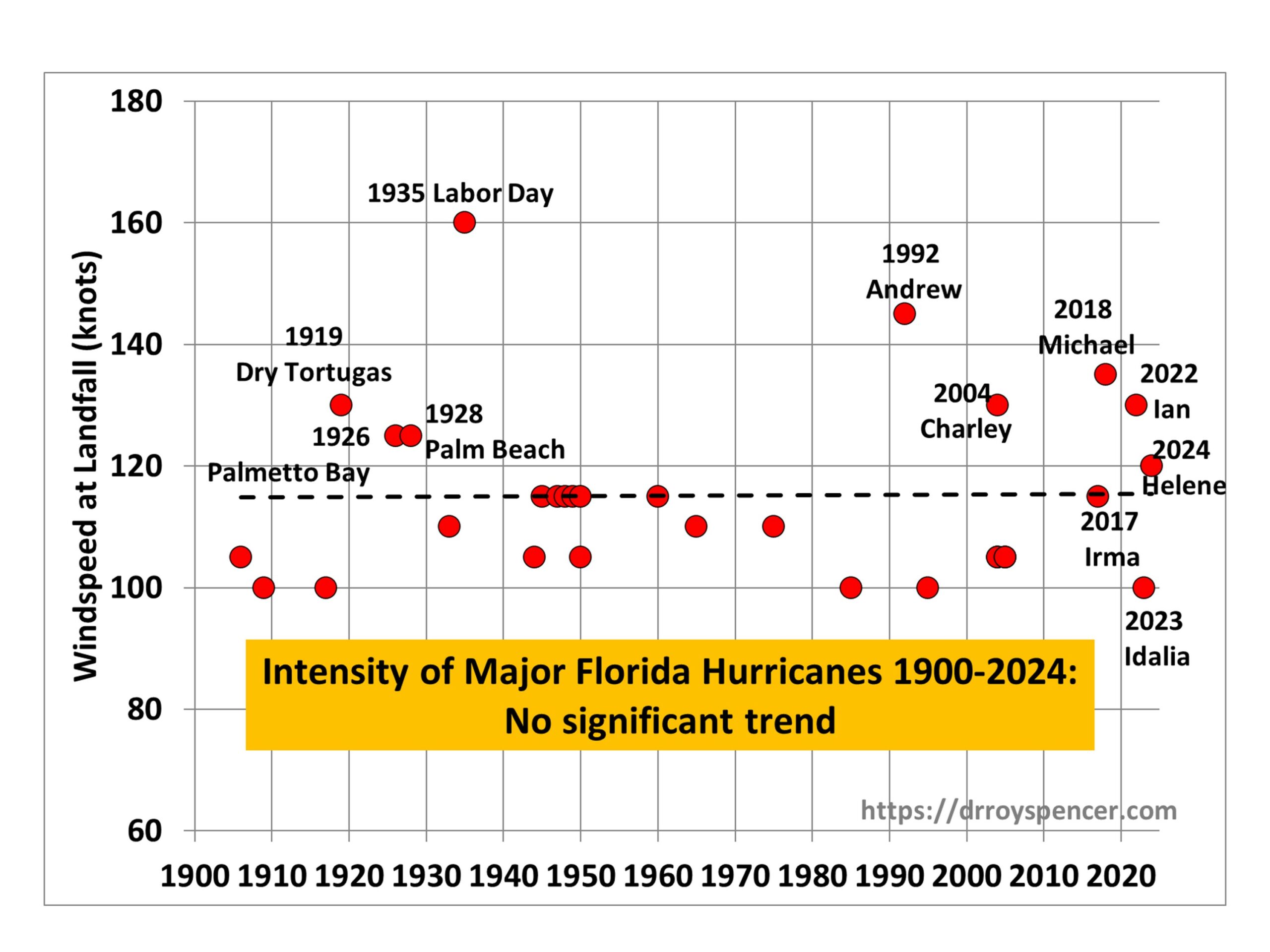
Florida’s history is intimately intertwined with hurricanes. From the devastating 1928 Okeechobee hurricane to more recent powerful storms like Hurricane Andrew in 1992, Hurricane Charley in 2004, and Hurricane Irma in 2017, the state has experienced the full spectrum of tropical cyclone impacts. These events, while tragic, have also forged a resilient spirit among Floridians and led to robust infrastructure improvements and sophisticated emergency preparedness systems. Coastal cities such as Miami, Tampa, and Key West have developed extensive hurricane plans, evacuation routes, and public information campaigns to protect residents and visitors alike.
The state’s experience has taught valuable lessons about construction standards, wetland preservation for storm surge mitigation, and the importance of clear communication during emergencies. This historical context is not meant to deter visitors but rather to emphasize that Florida is highly experienced in dealing with these natural events. This expertise translates into a safer environment for those who plan their trips wisely and stay informed. Understanding this history can empower travelers to make educated decisions, recognizing that while risks exist, the state is remarkably prepared to handle them.
Navigating Travel During Hurricane Season in Florida
Visiting Florida during hurricane season (June to November) can still be a fantastic experience, often offering fewer crowds and competitive pricing on hotels, resorts, and flights. However, it requires a proactive approach to planning and a keen awareness of safety protocols.
Pre-Trip Planning and Preparedness
Diligent pre-trip planning is the cornerstone of a worry-free vacation during hurricane season. The first and foremost recommendation is to consider travel insurance. A comprehensive travel insurance policy can cover unexpected cancellations, delays, or medical emergencies arising from a hurricane. Look for policies that specifically include “cancel for any reason” or robust weather-related coverage to ensure maximum flexibility and financial protection. Reviewing the fine print to understand what is and isn’t covered is paramount.
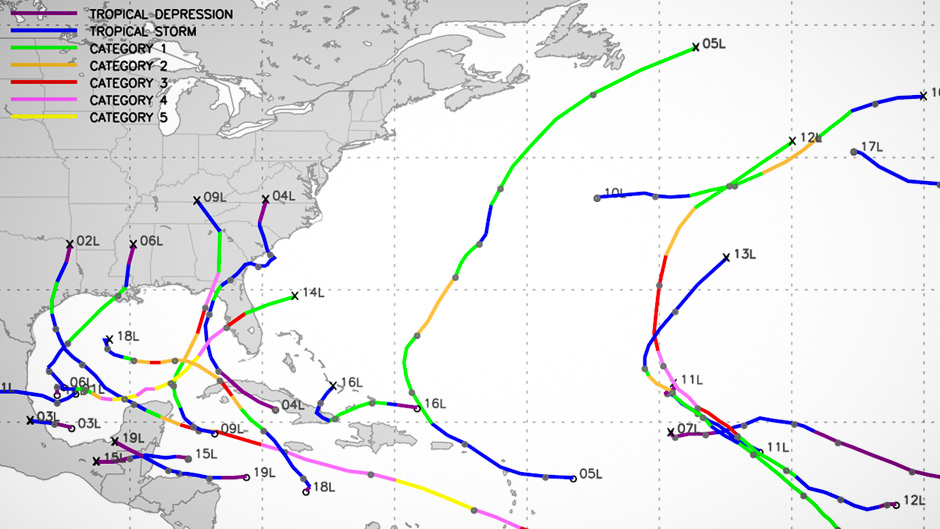
Next, staying informed is critical. Before and during your trip, make it a habit to monitor official weather sources. The National Hurricane Center (NHC) website is the authoritative source for real-time hurricane tracking, forecasts, and advisories. Complement this with local news channels and emergency management websites for the specific areas you plan to visit, such as Orlando or St. Augustine. Many local governments offer opt-in alert systems that can send notifications directly to your phone.
When booking accommodation, prioritize options with flexible booking and cancellation policies. Many hotels, apartments, and villas in Florida understand the unique challenges of hurricane season and offer more lenient terms. Double-check these policies before finalizing your reservations. This flexibility can be a lifesaver if you need to reschedule or cancel due to an approaching storm. Similarly, investigate the cancellation policies for theme park tickets, rental cars, and other prepaid activities. Planning your route and having contingency plans, including alternative destinations or evacuation routes, can also contribute to peace of mind.
During Your Stay: Safety and Awareness
Once you’ve arrived in Florida, maintaining a high level of awareness is key. Familiarize yourself with local emergency plans specific to your accommodation and the region. Many hotels and resorts have detailed hurricane preparedness guides for guests. Ask about designated shelter areas, evacuation routes, and emergency communication procedures upon check-in.
Heed all local advisories and official instructions from authorities in cities like Miami, Tampa, or Key West. These advisories are issued for your safety and should be taken seriously. If an evacuation order is issued for your area, comply promptly. Delaying can put yourself and emergency responders at unnecessary risk.
Ensure you have reliable means to stay connected. Keep your phone fully charged, and consider carrying a portable power bank. Familiarize yourself with local radio stations that provide emergency broadcasts. If power outages occur, these can be crucial sources of information. Discuss a communication plan with your travel companions, especially if you’re traveling as a family or group, to ensure everyone knows how to contact each other if separated.
Finally, consider assembling a small “go-bag” with essentials like important documents (identification, insurance information, reservation confirmations), medications, a first-aid kit, a flashlight, some non-perishable snacks, and bottled water. While you hope never to use it, having such a bag ready can save valuable time and reduce stress if an evacuation becomes necessary. By taking these proactive steps, you significantly enhance your safety and preparedness, allowing you to fully enjoy your Florida experience, even during hurricane season.
Florida’s Resilience and Uninterrupted Experiences
Despite its susceptibility to hurricanes, Florida consistently demonstrates remarkable resilience. The state’s vibrant tourism industry, essential to its economy, means that recovery and preparedness are top priorities. Visitors will find that even after a significant weather event, the spirit of Florida bounces back quickly, with many attractions and services resuming operations swiftly.
Destinations and Attractions: Preparing for the Storm and Beyond
Major Florida attractions are renowned for their robust emergency protocols. Theme park giants like Walt Disney World and Universal Studios Florida in Orlando have sophisticated systems in place to monitor weather, communicate with guests, and ensure safety. These parks often have their own comprehensive emergency management teams that work closely with state and local authorities. They can quickly implement closures, secure outdoor attractions, and provide shelter for guests if a storm poses a direct threat. Their swift recovery capabilities mean that operations often resume shortly after a storm passes, minimizing disruption to vacation plans.
Beyond the theme parks, Florida’s diverse landscape offers various experiences, some of which are inherently less susceptible to direct coastal impacts. While coastal areas like South Beach in Miami or the Florida Keys might bear the brunt of a hurricane, inland destinations often experience only tropical storm-force winds and heavy rainfall. For instance, exploring the vast wetlands of Everglades National Park or delving into the rich history of St. Augustine offers a different facet of Florida that might be less impacted by coastal storms.
Moreover, the state’s infrastructure is continually upgraded to withstand severe weather. Building codes are among the strictest in the nation, and investments in flood control, seawalls, and power grid hardening are ongoing. This commitment to resilience helps ensure that critical services and access to popular landmarks and attractions can be restored efficiently after a storm. The focus is always on guest safety and the swift return to normal operations, showcasing Florida’s dedication to its visitors.
Beyond the Storm: Enjoying Florida Year-Round
While hurricane season demands extra vigilance, it’s important to remember that Florida offers incredible experiences throughout the entire year. The winter and spring months, typically outside hurricane season, boast ideal weather with lower humidity and comfortable temperatures, making them prime times for outdoor activities, beach visits, and exploring Florida’s natural beauty. Many travelers prefer these seasons specifically to avoid the concerns associated with tropical weather.
However, even during the hurricane season, many days are perfectly sunny and beautiful. Storms do not impact the entire state simultaneously, and many systems pass by without making landfall or causing significant disruption. The allure of Florida – its stunning beaches, world-class theme parks, vibrant cities, and unique ecosystems – remains strong. The economic importance of tourism means that the state and its businesses are deeply committed to ensuring visitor safety and satisfaction. This includes proactive communication, extensive preparedness, and efficient recovery efforts.
Whether you’re seeking luxury resorts in Miami, family-friendly adventures in Orlando, or serene natural escapes, Florida continues to be a top destination. By staying informed, planning carefully, and embracing the state’s resilient spirit, you can enjoy all that Florida has to offer, regardless of the season.
In conclusion, as of the dynamic 2024 hurricane season, the precise number of direct hurricane landfalls in Florida is an evolving statistic that relies on real-time weather developments. While the state is in a region prone to tropical activity, its preparedness, resilience, and wealth of attractions mean that travel remains a viable and rewarding option for informed visitors. By prioritizing safety, staying updated with official forecasts, and understanding the robust measures in place, you can ensure your Florida adventure is filled with sunshine, unforgettable experiences, and peace of mind.
LifeOutOfTheBox is a participant in the Amazon Services LLC Associates Program, an affiliate advertising program designed to provide a means for sites to earn advertising fees by advertising and linking to Amazon.com. Amazon, the Amazon logo, AmazonSupply, and the AmazonSupply logo are trademarks of Amazon.com, Inc. or its affiliates. As an Amazon Associate we earn affiliate commissions from qualifying purchases.