
The question “How many Keys in Florida are there?” might seem simple, but its answer unravels a fascinating tapestry of geography, ecology, and unique culture that defines one of the United States’ most cherished travel destinations. The Florida Keys, an archipelago of coral cay islands stretching southwest from the tip of the Florida peninsula, offers a distinct lifestyle and an unparalleled tourism experience. Far more than just a collection of islands, the Keys represent a vibrant continuum where aquatic adventures meet laid-back charm, and luxurious resorts stand alongside quaint guesthouses. This guide delves into the precise count of these captivating islands, explores the diverse experiences they offer, from world-class diving to historic landmarks, and provides insights into finding your perfect accommodation in this tropical paradise. For travelers seeking an escape that blends natural beauty with vibrant local culture, understanding the scope and character of the Florida Keys is the first step towards an unforgettable journey.

The Geographic Tapestry: Defining the Florida Keys Archipelago
The Florida Keys are a crescent-shaped chain of islands formed from ancient coral reefs, stretching approximately 120 miles (190 km) into the Atlantic Ocean and the Gulf of Mexico. This unique geological formation creates a distinctive ecosystem and a breathtaking landscape, making it a prime destination for travel and exploration. The definition of “Key” itself can be fluid, referring to everything from large, inhabited islands to small, uninhabitable islets barely rising above the waterline.
Numbers and Nomenclature: Explaining “Keys”
When asking “how many keys,” the answer varies depending on what constitutes a “key.” Geographically, the Florida Keys archipelago is often cited as comprising around 1,700 islands or emergent landmasses. However, the number of named keys is significantly less, and the number of inhabited keys connected by the Overseas Highway is even smaller still. The vast majority of these 1,700 keys are tiny, uninhabited islets, often submerged during high tide or too small to support any development.
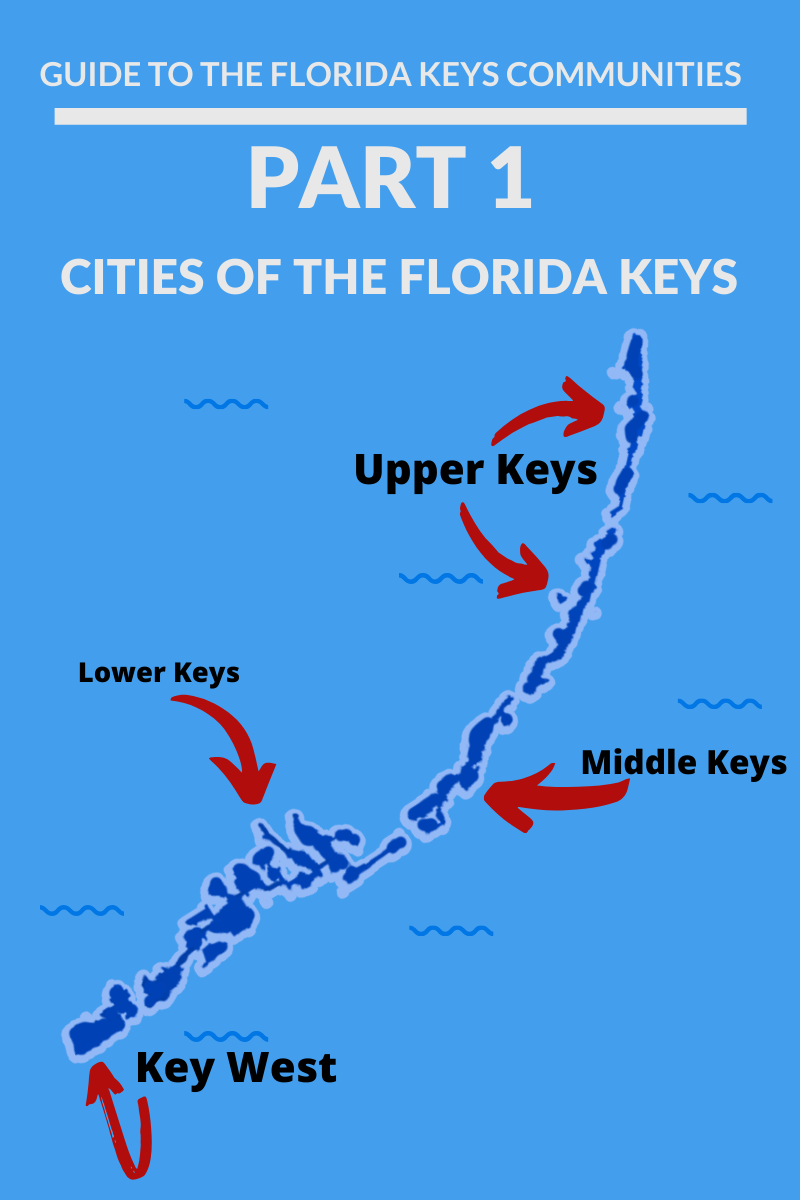
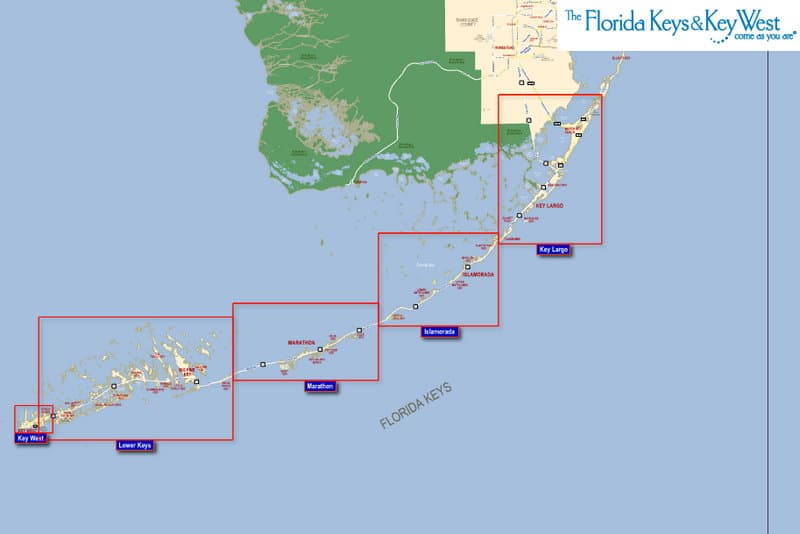
For practical purposes, particularly for tourism and travel, discussions about the Florida Keys usually refer to the major, populated islands accessible via the iconic Overseas Highway (U.S. Route 1). This engineering marvel, often called “the Highway That Goes to Sea,” connects the main keys, allowing visitors to drive from mainland Florida all the way down to Key West. This continuous ribbon of road, punctuated by 42 bridges, including the spectacular Seven Mile Bridge, links the primary islands into a singular, breathtaking journey. These main keys are typically grouped into three broad regions: the Upper Keys, Middle Keys, and Lower Keys, each possessing its own unique character and attractions.
The Major Players: Key Islands You Need to Know
While the sheer number of keys is astounding, it’s the larger, more prominent islands that form the backbone of the Florida Keys’ reputation as a world-class travel destination. Each offers a distinctive flavor of the Keys lifestyle and a myriad of tourism opportunities.
-
Key Largo: The Dive Capital of the World
As the first and longest island in the Upper Keys, Key Largo is renowned for its exceptional diving and snorkeling opportunities. It is home to the John Pennekamp Coral Reef State Park, the first underwater park in the United States, and the adjacent Florida Keys National Marine Sanctuary. Here, visitors can explore vibrant coral reefs, shipwrecks, and the iconic Christ of the Abyss statue, making it a paradise for marine enthusiasts. Accommodation options range from cozy motels to larger resorts catering to dive groups, making it a popular base for aquatic adventures. -
Islamorada: The Sport Fishing Capital
Often called the “Village of Islands,” Islamorada is a collection of six islands (Tea Table Key, Lower Matecumbe Key, Upper Matecumbe Key, Windley Key, Plantation Key, and Lignumvitae Key) in the Upper Keys, celebrated for its world-class sport fishing. From offshore big-game fishing to backcountry fly-fishing, anglers flock here seeking tarpon, bonefish, and sailfish. Beyond fishing, Islamorada offers charming art galleries, unique boutiques, and exquisite waterfront dining experiences, embodying a more refined Keys lifestyle. Resorts like Cheeca Lodge & Spa provide luxury accommodations, while smaller inns offer a more intimate experience. -
Marathon: Heart of the Keys
Situated in the Middle Keys, Marathon is a hub for boating, family activities, and marine life encounters. It serves as a gateway to the famous Seven Mile Bridge and boasts attractions like the Dolphin Research Center, where visitors can interact with dolphins and sea lions, and the Turtle Hospital, dedicated to rescuing and rehabilitating sea turtles. Sombrero Beach offers a pristine sandy escape, while numerous marinas make it easy for boaters to access the surrounding waters. Marathon offers a blend of hotels, vacation rentals, and fishing lodges, catering to diverse budgets and travel styles. -
Big Pine Key and the Lower Keys: Nature’s Sanctuary
South of Marathon, the Lower Keys present a wilder, more serene side of the archipelago. Big Pine Key is most famous as the primary habitat for the adorable and endangered Key Deer, protected within the National Key Deer Refuge. This area emphasizes eco-tourism, with opportunities for kayaking through mangroves, bird watching, and exploring untouched natural landscapes. Accommodation here tends to be quieter, with more emphasis on eco-lodges, private vacation rentals, and campgrounds, perfect for those seeking a tranquil retreat and connection with nature. -
Key West: The End of the Line, A Beginning of Adventure
The southernmost point of the continental United States, Key West is the vibrant crown jewel of the Florida Keys. This historic island is a melting pot of cultures, known for its colorful Victorian architecture, lively Duval Street, and unforgettable sunset celebrations at Mallory Square. Landmarks abound, including the Ernest Hemingway Home and Museum, the Southernmost Point Buoy, and countless art galleries and theaters. Key West offers an eclectic mix of luxury resorts, charming guesthouses, and historic inns, catering to every imaginable lifestyle, from budget travelers to those seeking indulgent luxury travel. The island’s unique blend of history, arts, and unapologetic revelry makes it a perennial favorite for tourism.
Unlocking Experiences: Travel, Tourism, and Lifestyle in the Keys
The allure of the Florida Keys lies not just in their number, but in the myriad of experiences they offer. This unique destination caters to a diverse range of travelers, from adventure seekers and nature lovers to history buffs and those simply looking to unwind. The prevailing lifestyle here is one of relaxed authenticity, a slower pace where flip-flops are standard attire and the ocean dictates the rhythm of daily life.
Aquatic Adventures and Natural Wonders
The geography of the Florida Keys makes it an unparalleled hub for aquatic activities. The waters surrounding the islands are part of the Florida Reef, the third-largest barrier reef in the world, teeming with marine life. This natural landmark offers breathtaking opportunities for snorkeling and diving, with crystal-clear waters providing visibility to vibrant coral gardens, tropical fish, and fascinating shipwrecks. Guided dive trips and certification courses are readily available throughout the Keys, particularly in Key Largo.
Beyond the reefs, the shallow, mangrove-lined flats provide perfect conditions for kayaking, paddleboarding, and flats fishing, allowing visitors to explore tranquil backcountry channels and spot unique wildlife. Deep-sea fishing charters depart daily, offering the thrill of battling marlin, tuna, and dolphin fish (mahi-mahi). For a truly unforgettable experience, a trip to Dry Tortugas National Park, located 70 miles west of Key West, offers pristine snorkeling, historical exploration of Fort Jefferson, and incredible birdwatching opportunities in a remote, protected environment. The journey itself, typically by ferry or seaplane, is an adventure, making it a bucket-list landmark for many.
Culture, Cuisine, and Conviviality
The lifestyle in the Florida Keys is distinctively laid-back, infused with a bohemian spirit and a strong sense of community. Each key, while connected, maintains its own local charm. Key West, for example, is famous for its lively arts scene, colorful characters, and nightly sunset celebrations, reflecting a festive and free-spirited atmosphere. The Upper Keys, in contrast, offer a more serene, family-friendly vibe, focusing on outdoor pursuits and tranquil relaxation.
The cuisine of the Keys is a reflection of its island geography, heavily featuring fresh seafood. No visit is complete without indulging in local delicacies like conch fritters, stone crab (in season), and the iconic Key Lime Pie – a tart, sweet dessert that is a true taste of Florida. Restaurants range from casual seafood shacks with dockside dining to upscale establishments offering gourmet interpretations of Caribbean and Floridian flavors. Live music, especially reggae and island-inspired tunes, is a staple in many bars and restaurants, adding to the convivial atmosphere. Local festivals, art walks, and farmers’ markets further immerse visitors in the unique culture of the Keys, making tourism here a rich blend of natural beauty and authentic human experience.
A Key to Comfort: Accommodation and Stays
Finding the right place to stay is crucial for any travel experience, and the Florida Keys offer an extensive array of accommodation options to suit every preference, budget, and lifestyle. From opulent resorts designed for luxury travel to charming guesthouses and practical vacation rentals, the choices are as diverse as the islands themselves.
Finding Your Perfect Island Retreat
The nature of accommodation in the Keys often reflects the specific island’s character and the type of travel experience it offers. For those focused on water activities, many hotels and resorts provide direct access to marinas, dive shops, and watersports rentals, making it easy to embark on adventures. Families might prefer larger resorts with amenities like pools, kids’ clubs, and multiple dining options. Couples seeking a romantic getaway can find secluded, boutique hotels or adults-only guesthouses that prioritize privacy and personalized service.
Vacation rentals, including apartments, villas, and beachfront homes, are particularly popular for longer stays or for groups and families seeking more space and self-catering facilities. These often come with private pools, docks, and fully equipped kitchens, providing a “home away from home” experience. When booking, travelers often consult reviews and comparison sites to ensure they find the best fit for their needs, considering factors like location, proximity to attractions, and specific amenities. Long-term stay options are also available for snowbirds or those looking to immerse themselves in the Keys lifestyle for extended periods.
From Luxury Resorts to Quaint Guesthouses
The spectrum of hotels and accommodations in the Florida Keys is wide and varied, ensuring that every traveler can find their ideal island retreat.
-
Luxury Resorts: For the ultimate indulgence and luxury travel, the Keys boast several world-renowned resorts. Little Palm Island Resort & Spa, located on its own private island, offers an exclusive, adults-only escape with bungalows, fine dining, and unparalleled service. Cheeca Lodge & Spa in Islamorada provides a blend of historic charm and modern amenities, famous for its fishing pier, spa, and elegant suites. These resorts often feature multiple swimming pools, award-winning restaurants, full-service spas, and concierge services to arrange every aspect of a luxurious vacation.
-
Family-Friendly and Mid-Range Options: Many resorts cater specifically to families and those seeking a comfortable yet comprehensive experience. Hawks Cay Resort on Duck Key is a prime example, offering a wide array of activities, multiple pools, a protected lagoon, and a full-service marina, making it a fantastic choice for family trips. In Islamorada, the Postcard Inn Beach Resort & Marina (formerly the iconic Holiday Isle) blends retro charm with modern comforts, appealing to a broad audience with its beach access and lively atmosphere. These establishments often strike a balance between amenities and affordability, making them popular choices for tourism in the Keys.
-
Boutique Hotels and Guesthouses: Particularly in Key West, a plethora of charming boutique hotels and historic guesthouses offer a more intimate and personalized stay. Often housed in beautifully restored Victorian homes, these properties provide unique character, a sense of local history, and often include delightful perks like complimentary breakfasts and evening happy hours. They cater to travelers seeking an authentic local experience and a cozy, home-like atmosphere, perfect for romantic getaways or independent explorers.
-
Budget-Friendly Stays: For budget travel, travelers can find smaller motels, campgrounds (especially in state parks like Bahia Honda State Park), and more modest guesthouses scattered throughout the Keys. These options allow visitors to experience the beauty of the archipelago without breaking the bank, often providing clean, comfortable lodging close to key attractions and public beaches.
Planning Your Journey Through the Keys
Embarking on a journey through the Florida Keys requires a bit of planning to fully appreciate its unique charm and diverse offerings. The experience is about savoring the journey as much as the destinations, and a well-thought-out itinerary can enhance your travel significantly.
Essential Tips for Travelers
- Best Time to Visit: The peak season for tourism in the Florida Keys is typically from December to May when the weather is dry, sunny, and cooler, making it ideal for outdoor activities. Summer (June to November) brings hotter temperatures, higher humidity, and the possibility of hurricanes, but also fewer crowds and lower prices for accommodation. Shoulder seasons (late spring and early fall) can offer a good balance of pleasant weather and moderate crowds.
- Transportation: While there are small regional airports in some keys, the most common way to access the Keys is by flying into Miami or Fort Lauderdale and renting a car. Driving the Overseas Highway is an integral part of the Keys experience, allowing you to stop at various landmarks, attractions, and viewpoints at your leisure. Public transportation between the keys is limited, so a car provides the most flexibility.
- Packing Essentials: Pack light, breathable clothing, swimsuits, sun protection (sunscreen, hats, sunglasses), insect repellent, and comfortable walking shoes or sandals. For water activities, consider bringing water shoes and rash guards.
- Respecting the Environment: The delicate ecosystem of the Florida Keys is its greatest treasure. Visitors are encouraged to practice responsible tourism by using reef-safe sunscreen, not touching coral, disposing of trash properly, and respecting wildlife, especially the endangered Key Deer in the Lower Keys.
- Budgeting Tips: While the Keys can be a luxurious destination, budget travel is also possible. Consider staying in less expensive accommodation options, cooking some of your meals (especially if you opt for a vacation rental), and taking advantage of free activities like enjoying public beaches, exploring state parks (with modest entrance fees), and watching the sunset at Mallory Square.
Beyond the Mainstream: Hidden Gems
While the major keys offer abundant attractions, exploring some of the lesser-known spots can provide a deeper appreciation for the Keys lifestyle. Bahia Honda State Park, located in the Lower Keys, is frequently ranked among Florida’s best beaches, offering pristine sands, excellent snorkeling, and historic bridge views without the crowds of more famous spots. The small, unassuming local eateries away from the main tourist strips often serve the most authentic and delicious seafood. Kayaking through the mangroves of the backcountry offers a tranquil escape and an opportunity to spot unique birdlife and marine creatures in their natural habitat. Even taking a detour to explore parts of the Everglades National Park, just a short drive from the Upper Keys, can add a different dimension to your Florida adventure, showcasing another facet of the state’s incredible natural diversity.
In conclusion, while the question “How many Keys in Florida are there?” technically yields an answer in the thousands, the true magic of the Florida Keys lies in the handful of major islands that form its vibrant backbone. Each key, from the diving paradise of Key Largo to the historic charm of Key West, contributes to an unparalleled travel experience. Whether you seek thrilling aquatic adventures, a taste of unique island culture, or simply a luxurious retreat, the Keys offer a lifestyle unlike any other. Planning your journey with an understanding of these diverse islands and their rich offerings will undoubtedly unlock an unforgettable chapter in your travel adventures.
LifeOutOfTheBox is a participant in the Amazon Services LLC Associates Program, an affiliate advertising program designed to provide a means for sites to earn advertising fees by advertising and linking to Amazon.com. Amazon, the Amazon logo, AmazonSupply, and the AmazonSupply logo are trademarks of Amazon.com, Inc. or its affiliates. As an Amazon Associate we earn affiliate commissions from qualifying purchases.