
Orlando, Florida is a name that instantly conjures images of magic, thrilling rides, and unparalleled family fun. Globally recognized as the theme park capital of the world, it draws tens of millions of visitors each year, making it one of the planet’s premier travel destinations. Yet, beneath the veneer of tourist attractions and bustling resorts, lies a thriving city, home to a diverse and growing permanent population. The question, “How many people live in Orlando, Florida?” is more complex than it might initially appear, encompassing not just the residents within the city limits but also the sprawling metropolitan area that underpins its vibrant economy and unique lifestyle. Understanding these numbers is crucial for anyone considering a visit, a relocation, or an investment in this dynamic part of the Sunshine State, as they shed light on everything from local culture and infrastructure to the demand for accommodation and amenities.
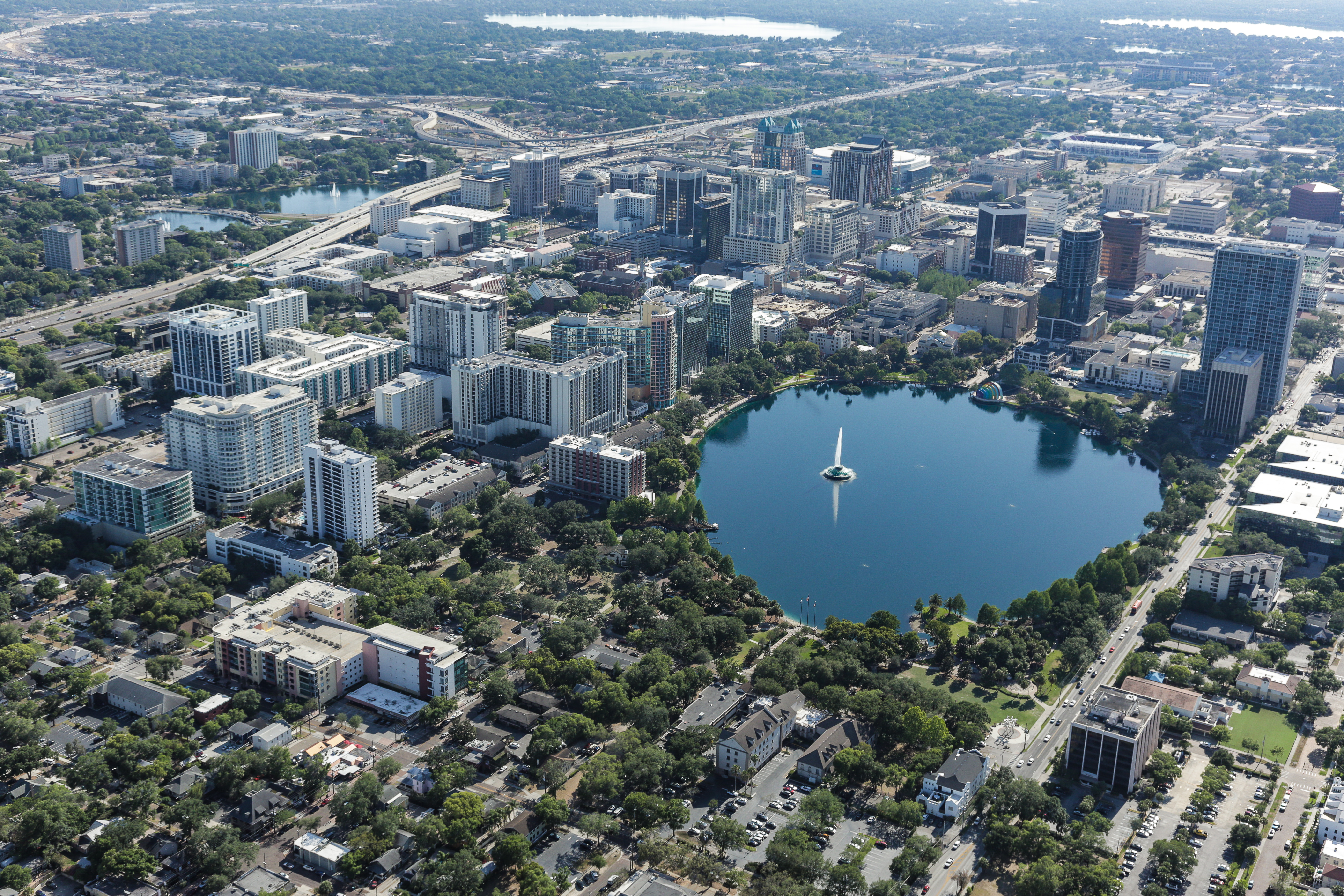
Unpacking Orlando’s Population Figures
To truly grasp the demographic landscape of Orlando, it’s essential to differentiate between the city proper and the broader metropolitan statistical area. Each offers a distinct perspective on the scale and growth of this Central Florida hub.
The City of Orlando: Core Numbers
When people refer to the “city of Orlando,” they are typically thinking of the municipal boundaries governed by the city council. According to the latest available data, specifically the 2020 United States Census, the population of the City of Orlando was 307,573. This figure represents a significant increase from previous decades, reflecting a steady growth trajectory that speaks to the city’s appeal beyond its tourist fame. For a city so globally renowned, its core population is substantial, creating a vibrant urban environment with its own distinct neighborhoods, cultural institutions, and local economy.
This resident population forms the backbone of the city’s services, from its acclaimed culinary scene in districts like Thornton Park and Ivanhoe Village to its burgeoning arts scene at venues such as the Dr. Phillips Center for the Performing Arts. While visitors flock to the theme parks, residents enjoy a rich tapestry of experiences including parks like Lake Eola Park, a growing job market, and a quality of life that attracts a continuous influx of new arrivals. These core numbers are vital for urban planning, resource allocation, and maintaining the infrastructure that supports both the local populace and the millions of tourists passing through.
The Greater Orlando Metropolitan Area: A Broader Perspective
While the city proper provides a snapshot, the true economic and social engine is the Orlando-Kissimmee-Sanford Metropolitan Statistical Area (MSA). This broader region encompasses several counties, providing a more comprehensive understanding of the area’s population density and reach. As of recent estimates, the Orlando MSA boasts a population of well over 2.7 million people, making it one of the largest metropolitan areas in Florida and the Southeastern United States.
This MSA includes key counties such as Orange County (where much of Orlando city is located, along with the major theme parks), Seminole County, Osceola County, and parts of Lake County and Volusia County. The inclusion of cities like Kissimmee and Sanford within this statistical area highlights the interconnectedness of communities that all benefit from, and contribute to, the region’s overall prosperity. This expanded view is particularly relevant for the travel and accommodation industry, as many resorts and attractions, while associated with Orlando, are physically located just outside the city limits in these adjacent counties. For instance, much of the Walt Disney World Resort is in Osceola County and Orange County, yet it’s inextricably linked to the Orlando brand. This metropolitan expanse also explains the vast array of hotels, suites, resorts, apartments, and villas available, catering to both the transient tourist population and the growing demand for residential living.
Driving Forces Behind Orlando’s Growth
The consistent population growth in both the city and the wider metropolitan area isn’t accidental. It’s the result of a powerful combination of economic opportunities, an appealing lifestyle, and robust infrastructure. These factors not only attract millions of tourists but also serve as a magnet for new residents, reinforcing Orlando’s position as a vibrant place to live and work.
Economic Opportunities and Job Market
Orlando’s economic engine is famously fueled by tourism. The colossal presence of entities like Walt Disney World Resort, Universal Orlando Resort, and SeaWorld Orlando creates hundreds of thousands of jobs, from hospitality and entertainment to retail and culinary arts. These major attractions are constantly expanding, introducing new experiences like EPCOT’s World Showcase transformations or Universal’s Epic Universe, driving continuous demand for a skilled workforce. This sustained growth in the tourism sector directly translates into a robust job market, attracting individuals and families seeking employment in these dynamic industries.
However, Orlando’s economy has diversified significantly beyond theme parks. The region has become a burgeoning hub for technology, with a growing presence in simulation and training, digital media, and aerospace. Healthcare is another major employer, with leading institutions like Orlando Health and AdventHealth Orlando providing advanced medical care and research opportunities. The proximity to the Kennedy Space Center also bolsters its reputation in space and defense. This economic diversification provides a stable foundation for population growth, offering a wider range of career paths and reducing reliance on a single industry.
Lifestyle and Climate Appeal
Beyond the job market, the very essence of the Florida lifestyle is a huge draw. Orlando boasts year-round sunshine, mild winters, and abundant opportunities for outdoor activities. Residents can enjoy everything from boating and fishing on its numerous lakes to golfing on world-class courses or simply relaxing in one of its many green spaces. This appealing climate fosters a vibrant outdoor culture, which is a significant factor for many choosing to relocate.
The city also offers a compelling quality of life, especially for families. With a wide array of schools, family-friendly attractions (beyond the major theme parks), and a strong sense of community in many neighborhoods like Baldwin Park or Lake Nona, it’s an attractive place to raise children. Compared to some other major metropolitan areas in the United States, Orlando has historically offered a relatively affordable cost of living, particularly regarding housing, though this is evolving with its rapid growth. This blend of economic opportunity and desirable lifestyle makes Orlando a magnet for people seeking a balance between career advancement and a high quality of life.

Infrastructure and Accessibility
A city’s ability to grow is inherently tied to its infrastructure. Orlando is exceptionally well-connected, which facilitates both tourism and residential expansion. The Orlando International Airport (MCO) is one of the busiest airports in the world, serving as a major gateway for domestic and international travelers. This accessibility makes it easy for businesses to conduct operations and for residents to travel, reinforcing its status as a global hub.
Major highways like I-4 dissect the metropolitan area, connecting various suburbs and commercial centers. While traffic congestion is a challenge typical of fast-growing cities, continuous investments in road expansion and public transportation initiatives, such as the SunRail commuter rail system, aim to improve connectivity. This well-developed infrastructure not only supports the influx of tourists but also ensures that residents can commute, access services, and engage with the wider community efficiently, further solidifying Orlando’s appeal as a permanent residence.
The Interplay of Residents and Visitors: Orlando’s Unique Dynamic
Orlando’s identity is intrinsically linked to its role as a global tourism magnet. This unique dynamic, where a thriving residential population coexists with tens of millions of annual visitors, shapes every facet of life in the city, from its economy and infrastructure to its culture and accommodation options.
Tourism’s Impact on Residential Life
The constant flow of tourists profoundly impacts the lives of Orlando’s residents. Firstly, it creates a massive demand for services, leading to a robust hospitality job market that provides employment for a significant portion of the population. From working at major attractions like Universal CityWalk or in one of the myriad hotels, to operating local businesses catering to visitors, the tourism industry directly sustains countless households.
However, this dynamic also presents challenges. The sheer volume of visitors can strain infrastructure, contributing to traffic congestion, especially near popular tourist corridors. Demand for housing also intensifies, impacting affordability for residents, although new developments like those around the Medical City in Lake Nona are attempting to keep pace. Despite these pressures, tourism also brings immense cultural enrichment. The diverse array of visitors from around the world introduces new perspectives, fostering a cosmopolitan atmosphere. Moreover, the tax revenues generated by tourism fund public services and amenities that benefit all residents, including parks, cultural centers, and infrastructure improvements that might otherwise be unaffordable. The local culture itself is a fascinating blend, offering everything from quaint neighborhood eateries to world-class dining experiences, often driven by the diverse palettes of its international visitors.
Accommodation and Urban Development
The relentless demand from both tourists and new residents has spurred a massive boom in accommodation and urban development across the Orlando metropolitan area. The hotel sector alone is monumental, offering an unparalleled variety of choices. Luxury travelers might opt for the opulence of the Waldorf Astoria Orlando or the sophisticated amenities of the Hyatt Regency Orlando. Families often seek out resorts with extensive facilities and themed experiences, while business travelers might prefer suites in downtown Orlando or near the Orange County Convention Center.
Beyond traditional hotels, the region has seen an explosion of alternative accommodations. Vacation villas and apartments, particularly in areas like Kissimmee and near Disney property, cater to long-term stays and larger groups, offering the comforts of home with resort-style amenities. These options are crucial for accommodating the vast number of visitors and also for new residents looking for temporary housing while they settle in. The continuous need for new booking platforms, comparison tools, and detailed reviews speaks to the sheer volume and diversity of choices available.
This development extends beyond hotels to entire new communities. Urban planning in Orlando frequently involves creating mixed-use developments that combine residential spaces with retail, dining, and green areas, aiming to foster livable and walkable communities. Examples include Baldwin Park, built on the site of a former naval training center, and the aforementioned Lake Nona, which is a master-planned community focusing on health, wellness, and technology. This ongoing urban expansion ensures that the city can accommodate its growing permanent population while continuing to welcome its millions of annual guests, maintaining a delicate balance between local lifestyle and global tourism.

Planning for Tomorrow: Sustaining Growth
Orlando’s impressive growth, both in terms of resident population and visitor numbers, comes with inherent challenges that require forward-thinking planning and sustainable solutions. The trajectory of the city is one of continued expansion, necessitating strategic approaches to maintain its appeal and quality of life for everyone.
One of the most pressing challenges is housing affordability. As the population grows and demand increases, housing costs can rise, making it difficult for long-term residents and those in service industries to find affordable homes. Solutions involve encouraging diverse housing types, incentivizing affordable housing developments, and exploring innovative urban planning strategies to maximize residential capacity without sacrificing quality of life. Related to this is traffic congestion, a common byproduct of rapid urban expansion. While Orlando has invested in highway expansions and initiatives like SunRail, the need for comprehensive public transportation networks and smart traffic management systems remains critical to ensure smooth movement for both residents and the constant flow of tourists.
Another significant concern is the environmental impact of such extensive development. Protecting Florida’s fragile ecosystems, managing water resources, and expanding green spaces are vital for sustainable growth. The city and surrounding counties are increasingly focused on green infrastructure projects, promoting energy efficiency, and preserving natural landmarks.
Looking ahead, future projections suggest that Orlando’s population will continue to grow steadily. This anticipated growth will likely be driven by the continued expansion of its diversified economy, particularly in tech and healthcare, alongside the enduring allure of its tourist attractions. To sustain this, Orlando must continue to invest in its infrastructure, foster economic diversification beyond tourism, and prioritize smart growth initiatives that balance development with environmental stewardship and community well-being. This includes fostering a dynamic local culture that caters to its residents, ensuring that the city remains a desirable place to live, not just visit.
In conclusion, the question of “How many people live in Orlando, Florida?” reveals a vibrant metropolis with a permanent population of over 300,000 within its city limits, expanding to more than 2.7 million across its metropolitan area. These numbers tell a story of remarkable growth, driven by a powerful combination of economic opportunity, an attractive lifestyle, and robust infrastructure. Orlando’s unique identity is forged in the constant interplay between its permanent residents and the millions of visitors who flock to its world-famous attractions. This dynamic shapes everything from its thriving hotel and accommodation sector to its evolving urban landscape and diverse cultural offerings. As Orlando continues to grow, its success will depend on its ability to manage these complex dynamics, ensuring a high quality of life for its residents while continuing to captivate the hearts of travelers worldwide.
LifeOutOfTheBox is a participant in the Amazon Services LLC Associates Program, an affiliate advertising program designed to provide a means for sites to earn advertising fees by advertising and linking to Amazon.com. Amazon, the Amazon logo, AmazonSupply, and the AmazonSupply logo are trademarks of Amazon.com, Inc. or its affiliates. As an Amazon Associate we earn affiliate commissions from qualifying purchases.