
The allure of the Sunshine State is undeniable. From its pristine beaches and vibrant cities to its robust economy and year-round outdoor lifestyle, Florida has consistently topped lists as one of the most desirable places to live in the United States. But just how many people are drawn to this paradise on a daily basis? The numbers are staggering and reflect a profound shift in population dynamics, cementing Florida’s status as a premier destination not only for tourists but also for permanent residents seeking a new beginning.
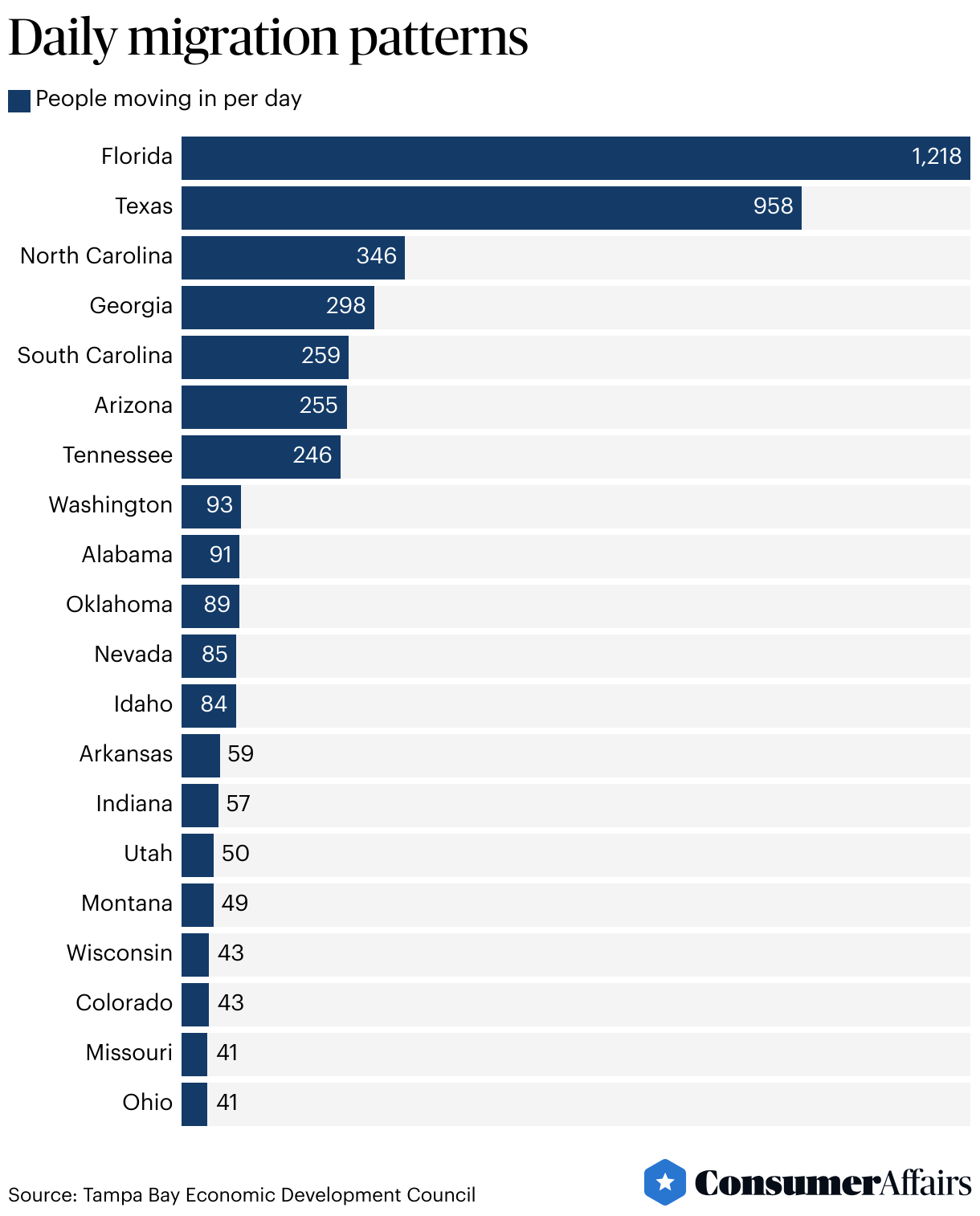
Recent demographic analyses consistently place Florida among the fastest-growing states in the nation. While exact figures fluctuate, it’s widely estimated that the state welcomes an average of well over 1,000 new residents every single day. Some reports even push this figure closer to 1,500 or more, accounting for both domestic and international migration. This phenomenal growth isn’t just a fleeting trend; it’s a sustained phenomenon that has reshaped the state’s landscape, economy, and culture over the past decade. This influx contributes significantly to the demand for diverse accommodation options, from luxurious resorts and apartments to cozy villas and long-term stay solutions, catering to individuals and families transitioning to their new Florida lives.
The Sunshine State’s Irresistible Allure: A Daily Influx
The continuous stream of newcomers to Florida is not accidental. It’s the result of a powerful combination of economic incentives, lifestyle promises, and natural beauty that few other places can match. Understanding these drivers is key to comprehending the state’s rapid expansion.
Understanding the Migration Numbers
The raw statistics paint a vivid picture of Florida’s popularity. For several consecutive years, Florida has ranked among the top states for net migration, frequently contending with or surpassing other growth magnets like Texas. People are not just moving within the state; they are pouring in from other major states such as California, New York, New Jersey, and Illinois, seeking refuge from high taxes, colder climates, and perceived diminishing quality of life elsewhere.
This population boom has profound implications. It fuels an ever-expanding housing market, necessitates significant infrastructure development, and enriches the cultural tapestry of cities and towns across the state. It also means a constant demand for information on destinations, attractions, and experiences for new residents, transforming them from temporary tourists into permanent explorers of their new home. For those looking at long-term stay options, the market is dynamic and competitive, requiring thorough booking and comparison strategies.
Primary Drivers Behind the Move
Why Florida? The reasons are multifaceted and often deeply personal, but several recurring themes emerge as powerful motivators:
- Economic Opportunities and Fiscal Benefits: Florida boasts a business-friendly environment and, perhaps most appealingly, no state income tax. This significant financial advantage translates into more disposable income for residents, a major draw for both working professionals and retirees. The state’s diverse economy, spanning tourism, agriculture, aerospace, healthcare, and technology, offers a broad spectrum of job opportunities. Major corporations are increasingly relocating or expanding their operations here, creating a robust job market that attracts talent from across the nation. This economic vibrancy is a key component of the overall lifestyle proposition.
- Climate and Lifestyle: The promise of year-round sunshine is arguably Florida’s most iconic draw. Warm temperatures, abundant beaches, and countless opportunities for outdoor activities like boating, fishing, golf, and nature exploration define the Florida lifestyle. For many, escaping harsh winters is a dream come true, allowing for an active and vibrant way of life that simply isn’t possible in colder climates. This contributes heavily to the state’s reputation for luxury travel and leisurely experiences, even for its residents.
- Retirement Haven: For decades, Florida has been synonymous with retirement. The pleasant climate, lack of state income tax, extensive healthcare infrastructure, and abundance of age-restricted communities make it an ideal place for seniors to enjoy their golden years. These communities often offer a wealth of amenities and social activities, fostering a strong sense of community among residents.
- Affordability (Relative): While housing costs have risen significantly due to demand, many still perceive Florida as more affordable than major metropolitan areas in California or the Northeast. The overall cost of living, combined with the tax benefits, can offer a higher quality of life for the same or even less expenditure compared to other high-cost states.
- Diverse Culture and Attractions: Beyond the beaches, Florida is a melting pot of cultures, offering a rich tapestry of food, music, and art. World-renowned theme parks, historical landmarks, vibrant city centers, and serene natural parks ensure there’s something for everyone, regardless of age or interest. This diversity also makes it a prime location for family trips and exploring local culture.
Florida’s Hotspots: Where Newcomers Are Settling
While the entire state experiences growth, certain regions and cities act as powerful magnets, attracting disproportionate numbers of new residents. These areas often blend economic opportunity with desirable lifestyles, catering to a wide range of preferences.
Major Urban Centers and Their Appeal
Florida’s largest cities are at the forefront of the migration wave, each offering unique appeals.
- Miami: As a global metropolis and a gateway to Latin America, Miami is a hub for international business, finance, and culture. Its vibrant nightlife, stunning South Beach, iconic Art Deco Historic District, and diverse culinary scene attract a younger, ambitious demographic alongside those seeking a glamorous, luxury travel lifestyle. The city’s thriving arts scene and diverse neighborhoods make it a fascinating place for both tourism and permanent residency. Hotels in Miami range from ultra-luxurious suites to stylish boutique hotels.
- Orlando: Famous as the “Theme Park Capital of the World” thanks to Walt Disney World Resort and Universal Studios Florida, Orlando is a magnet for families. Beyond the magic, it has a rapidly growing tech industry and a robust healthcare sector, offering significant job growth. Its central location and abundance of family trips activities make it a popular choice for those seeking a balance of work and play. Accommodation options here are vast, catering to every budget and need.
- Tampa: Located on Florida’s Gulf Coast, Tampa offers a blend of urban amenities and laid-back coastal charm. It’s experiencing significant job growth, particularly in finance and healthcare, and boasts a revitalized downtown with a popular Riverwalk and the historic Ybor City. Its proximity to beautiful beaches and a burgeoning food scene make it attractive to young professionals and families alike.
- Jacksonville: As Florida’s largest city by land area, Jacksonville offers a more spread-out, suburban feel while still providing urban conveniences. Its strong military presence, growing port, and relatively more affordable housing market appeal to those seeking value without sacrificing access to beaches and a vibrant community. It’s an excellent choice for those considering a budget travel approach to relocation.
Coastal Gems and Lifestyle Choices
Beyond the major metropolises, Florida’s smaller coastal cities offer distinct lifestyles, often leaning into leisure, arts, and natural beauty.
- Sarasota: Renowned for its vibrant arts and culture scene, beautiful beaches like Siesta Key Beach (often ranked among the best in the world), and upscale living, Sarasota attracts a discerning crowd, including many retirees and cultural enthusiasts. It offers a more relaxed pace than Miami but still provides sophisticated dining and entertainment options.
- Fort Lauderdale: Often called the “Venice of America” due to its extensive canal system, Fort Lauderdale is a paradise for yachting enthusiasts and beach lovers. With upscale resorts, trendy Las Olas Boulevard, and a chic atmosphere, it appeals to those seeking a luxurious coastal lifestyle and vibrant social scene.
- Naples: Epitomizing luxury and refinement, Naples on the Gulf Coast is known for its pristine beaches, championship golf courses, high-end shopping, and exquisite dining. It’s a popular destination for affluent retirees and those seeking an exclusive, tranquil environment.
- St. Petersburg: Just across the bay from Tampa, St. Petersburg has undergone a significant revitalization, emerging as a thriving arts and culture hub. Its beautiful waterfront parks, world-class museums, and vibrant downtown scene appeal to a diverse demographic, including young professionals and artists.
The Impact of Rapid Growth on Florida’s Landscape

The continuous influx of residents brings undeniable benefits, driving economic expansion and cultural enrichment. However, such rapid growth also presents considerable challenges that Florida is actively working to address.
Housing Market Dynamics
One of the most immediate and significant impacts of Florida’s population boom is on its housing market. Increased demand, coupled with limited supply, has led to a significant appreciation in home prices and rental rates across the state. While this is beneficial for existing homeowners, it creates challenges for newcomers, especially first-time buyers and those seeking affordable accommodation.
Developers are responding with a surge of new construction, including master-planned communities, high-rise apartments, and single-family homes designed to cater to diverse needs. Potential residents often engage in extensive reviews and comparison of properties, sometimes even opting for long-term stay hotels or suites while they secure permanent housing. Navigating this competitive market often requires diligent research and, for many, expert guides or real estate assistance.
Infrastructure and Public Services
With hundreds of thousands of new residents annually, the strain on existing infrastructure—roads, public transportation, schools, and healthcare facilities—is immense. Traffic congestion in major metropolitan areas is a growing concern, and school districts often grapple with expanding enrollments.
Florida is investing heavily in infrastructure projects, from highway expansions to new public transit initiatives, to keep pace with the growth. There’s also a heightened focus on sustainable development and environmental protection, particularly in sensitive areas like the Everglades National Park and the Florida Keys, to ensure that the state’s natural beauty remains a draw for future generations.
Tourism and Lifestyle Evolution
The influx of new residents also impacts Florida’s core tourism industry. While tourists continue to flock to the state, new residents contribute to a more diverse and evolving local economy. They open businesses, participate in local events, and add to the cultural fabric, transforming communities from seasonal destinations into year-round vibrant hubs.
This evolution often means a greater variety of local food options, independent shops, and cultural activities that cater to a permanent population rather than just transient visitors. Balancing the needs of tourists with the desires of a growing residential base is a continuous act of adaptation for many Florida cities.
Navigating the Move: Tips for Prospective Floridians
For those contemplating joining the thousands who move to Florida every day, careful planning is essential to ensure a smooth transition and a fulfilling new life in the Sunshine State.
Planning Your Relocation
- Research Different Cities and Regions: Florida is incredibly diverse. A vibrant urban experience in Miami is vastly different from a quiet beach town on the Gulf Coast or a family-centric suburb in Orlando. Spend time researching various destinations to find the perfect fit for your lifestyle, career, and family needs. Consider visiting multiple areas before making a final decision.
- Understand the Cost of Living: While Florida offers tax advantages, the cost of living, particularly housing, varies significantly by region. Create a detailed budget that accounts for housing, insurance (especially flood and hurricane insurance), utilities, and everyday expenses.
- Job Market Research: If you’re moving for work, thoroughly research the job market in your target area and industry. Many industries are booming, but competition can be stiff in popular fields.
- Healthcare Considerations: Florida has an extensive healthcare network, but it’s important to understand your options for insurance and access to care, especially if you have specific medical needs or are moving as a retiree.
Finding the Perfect Accommodation
The dynamic housing market requires a strategic approach to accommodation.
- Rentals vs. Buying: Deciding whether to rent first or buy immediately depends on your financial situation, market conditions, and personal comfort level. Renting can provide flexibility while you get acquainted with the area. Many individuals opt for short-term apartments or extended-stay hotels initially.
- Types of Housing: Florida offers a vast array of housing types: single-family homes, condos, townhouses, luxury villas, high-rise suites, and dedicated retirement communities with various amenities. Consider what type of living environment best suits your preferences.
- Utilize Local Real Estate Experts: Given the competitive market, working with a knowledgeable local real estate agent who can provide insights into specific neighborhoods, market trends, and available properties is invaluable. Their tips can be crucial.
- Booking and Reviews: Before committing, thoroughly research properties, read online reviews, and if possible, visit in person. For temporary stays, leverage online booking platforms and compare options carefully.

Embracing the Florida Lifestyle
Once you’ve made the move, actively integrating into your new community will enrich your Florida experience.
- Get Involved: Join local clubs, volunteer, or participate in community events. This is an excellent way to meet new people and feel at home.
- Explore Natural Attractions: Take advantage of Florida’s incredible natural beauty. Visit state parks, national wildlife refuges, and famous natural landmarks like the Everglades National Park or the Florida Keys. These experiences are not just for tourists; they are integral to the local lifestyle.
- Understand Local Culture: Each region of Florida has its own unique flavor and traditions. Embrace the diversity, from the Cuban influences in Miami to the Southern charm of Jacksonville.
- Utilize Travel Guides: Even as a resident, travel guides can offer invaluable information on hidden gems, new restaurants, and unique local activities to explore in your new home state.
The daily migration to Florida is a testament to its enduring appeal as a land of opportunity, sunshine, and diverse lifestyles. While the journey involves careful planning and adaptation, the rewards of living in this dynamic state are immense, making it a dream destination for thousands seeking to rewrite their life’s next chapter under the warm Florida sun.
LifeOutOfTheBox is a participant in the Amazon Services LLC Associates Program, an affiliate advertising program designed to provide a means for sites to earn advertising fees by advertising and linking to Amazon.com. Amazon, the Amazon logo, AmazonSupply, and the AmazonSupply logo are trademarks of Amazon.com, Inc. or its affiliates. As an Amazon Associate we earn affiliate commissions from qualifying purchases.