
For most, the mere mention of Florida conjures images of sun-drenched beaches, swaying palm trees, and an endless summer. It’s the Sunshine State after all, a premier travel destination renowned for its balmy temperatures and vibrant outdoor lifestyle. Yet, tucked away in the northeastern corner of this tropical paradise lies Jacksonville, a sprawling metropolis that, against all odds, has occasionally witnessed one of nature’s most ephemeral and surprising phenomena: snow. The idea of snowflakes drifting down onto the St. Johns River or dusting the sands of Jacksonville Beach seems almost fantastical, a whimsical deviation from the expected. But it has happened, albeit rarely, leaving an indelible mark on the city’s collective memory and becoming a topic of local legend.

The question, “How many times did it snow in Jacksonville, Florida?” isn’t one with a simple, universally agreed-upon number, primarily because defining “snow” can be tricky. Does a mere flurry count? A light dusting that melts upon contact? Or only accumulations that truly cover the ground? For the purposes of this exploration, we’ll consider any documented instance of snowflakes falling within the city limits as a “snow event,” focusing on those rare occasions when Jacksonville transformed, however briefly, into a wintry scene. While tourism in Jacksonville typically revolves around its warm climate and coastal attractions, these rare snowfalls offer a unique historical perspective on the city’s dynamic weather patterns and an intriguing counter-narrative to its usual subtropical charm.
A Glimpse into Jacksonville’s Frozen Moments
To understand the full scope of Jacksonville’s flirtations with winter, we must delve into historical records, sifting through accounts that span centuries. These events are not just meteorological anomalies; they are moments etched into local lore, occasions when residents experienced something truly extraordinary in their sunny locale.
The Earliest Records and Notable Occurrences
The earliest documented snow in Jacksonville dates back surprisingly far, illustrating that while rare, winter weather has always been a potential, if improbable, visitor.
- February 13, 1835: This is often cited as the earliest significant snow event in Northeast Florida. While exact accumulation figures for Jacksonville itself are scarce from this period, contemporary accounts from across the region speak of a widespread and unusual snowfall. This severe cold snap brought freezing temperatures far south, impacting Florida’s burgeoning agricultural industry and leaving a lasting impression. For those interested in historical landmarks and the narratives they hold, imagining this scene across what was then a much smaller settlement offers a fascinating glimpse into the past.
- January 11, 1911: Another notable snowfall blanketed Jacksonville, with reports indicating accumulations of up to 0.4 inches. This event was significant enough to be widely reported, showcasing the excitement and novelty it brought to residents accustomed to mild winters. Photographs from the era, though rare, depict a city briefly transformed, providing a stark contrast to the sun-drenched images typically associated with Florida.
- February 12-13, 1899: While not strictly Jacksonville’s most intense snowfall, this period witnessed one of the most severe cold waves in United States history. Known as the “Great Blizzard of 1899,” it brought snow and record low temperatures across the Southeast U.S., reaching as far south as Florida. Jacksonville experienced significant freezing rain and sleet, with some reports of light snow. The impact on infrastructure and daily life, even without heavy snow, would have been considerable, reminiscent of how unusual weather can disrupt even the most prepared communities.
- December 22-23, 1989: This stands as arguably the most memorable and substantial snowfall in modern Jacksonville history. On this occasion, between 1 to 2 inches of snow fell across parts of Northeast Florida, including Jacksonville. The snow arrived just days before Christmas, creating a surreal and festive atmosphere for many residents. Children woke up to a legitimate white Christmas, albeit a brief one, making snowmen and enjoying snowball fights for the first time in their lives. The city effectively shut down for a short period as roads became slick, and the unusual weather led to widespread school and business closures. This event is often recounted by long-time residents as a definitive moment, a tangible memory of snow in a place where it’s almost mythical. The rarity made it an instant classic, something that future generations would hear about and wish to experience themselves. For locals and visitors planning a trip around this festive season, understanding such historical oddities adds depth to the city’s narrative, making it more than just a place for sun-seekers.
Recent Flurries and Lingering Memories
Beyond these major events, there have been several instances of lighter snow or flurries that, while not accumulating significantly, still count as “snow events” and contribute to the city’s unique meteorological story.
- January 3, 2018: This was the most recent occasion when Jacksonville saw snow. A cold front combined with moisture brought flurries and a very light dusting to some areas, particularly the beaches and northern parts of Duval County. While the accumulation was minimal, barely enough to cover grassy surfaces, it was enough for residents to capture photos and share the rare sight on social media. The excitement was palpable, even for such a fleeting moment. This event served as a reminder that despite its warm reputation, Jacksonville is not entirely immune to the whims of winter.
- December 26, 1999: Just shy of the millennium, a rare Christmas week cold snap brought flurries to parts of Jacksonville. Like the 2018 event, it was more of a meteorological curiosity than a significant snowfall, but it added to the city’s collection of fleeting winter spectacles.
In total, if we count significant accumulations and widely observed flurries, Jacksonville has experienced at least six to eight distinct snow events over the past two centuries. The precise number can vary slightly depending on how minor flurries are categorized, but the key takeaway is its extreme rarity. This makes each occurrence a truly memorable and talked-about event, often passed down through generations.
The Science Behind the Scarcity: Why Snow is a Rarity in the Sunshine State
Understanding why snow is so rare in Jacksonville requires a brief dive into meteorology and geography. It’s a testament to the powerful forces that shape regional climates, and why Florida remains an outlier when compared to many other parts of the United States during winter.
Meteorological Conditions for Snow
For snow to fall and accumulate, three primary conditions must be met simultaneously:
- Moisture: There must be sufficient moisture in the atmosphere to form precipitation. Jacksonville, being coastal and subtropical, generally has ample moisture.
- Freezing Temperatures Throughout the Atmosphere: This is the most challenging condition for Jacksonville. For snow to reach the ground as snow (not rain or sleet), temperatures from the clouds all the way down to the surface must be at or below freezing (32°F or 0°C). While surface temperatures can occasionally dip below freezing in Jacksonville, it’s far rarer for the entire atmospheric column to be cold enough. More often, a warm layer aloft causes any falling snow to melt into rain before it reaches the ground.
- Lift: There needs to be a mechanism to lift the moist air, causing it to cool and condense into precipitation. This often comes from cold fronts or low-pressure systems.
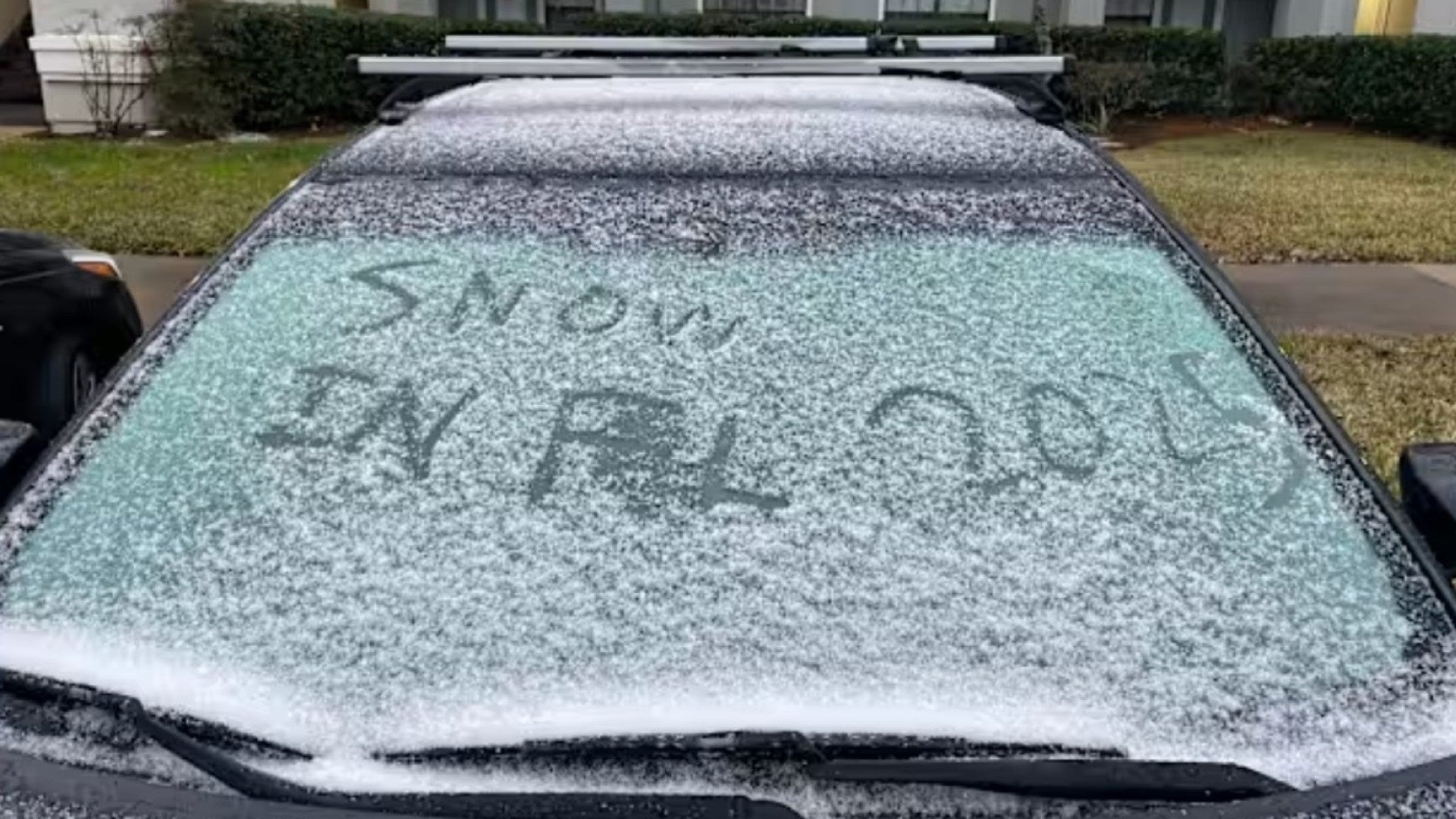
The Jacksonville Climate Anomaly
Jacksonville’s geographic location plays a crucial role in its lack of snow. Situated on the Atlantic coast, it benefits from the moderating influence of the Atlantic Ocean and the distant, but significant, warming effect of the Gulf Stream. While cold fronts from the north can certainly plunge temperatures into the freezing range, they often lose their “punch” by the time they reach Jacksonville.
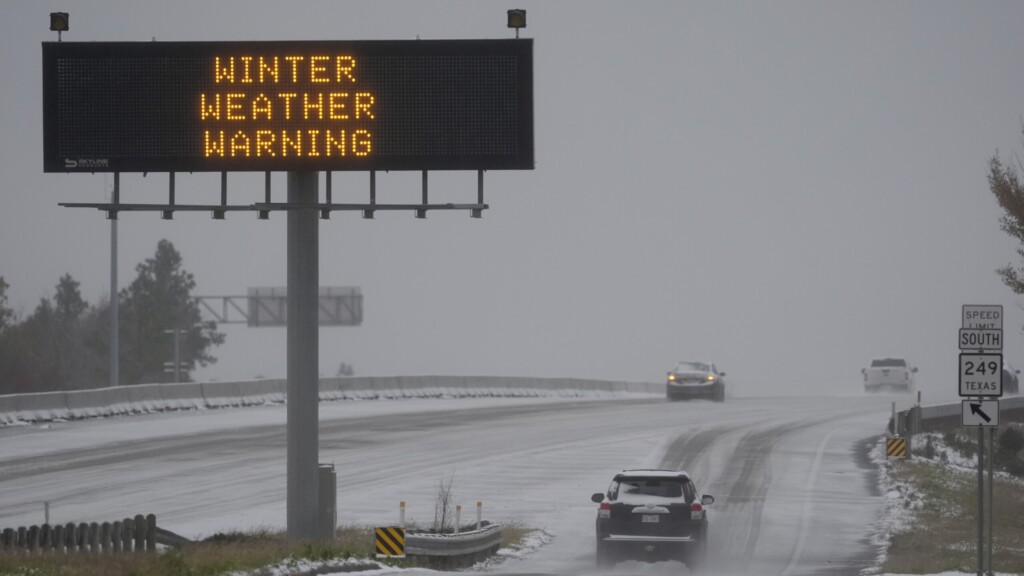
Furthermore, the track of most major winter storms (nor’easters) typically stays further north, impacting states like Georgia and the Carolinas more significantly. For a snow-producing system to hit Jacksonville, a very specific and rare combination of factors must align: an unusually strong and deep cold air mass must push far south, coinciding perfectly with an incoming moisture-laden storm system. This confluence of events is precisely why snowfall in Jacksonville is more of a meteorological lottery win than a regular seasonal occurrence.
Experiencing Jacksonville: Beyond the Winter Wonderland Fantasy
While the fleeting beauty of snow in Jacksonville makes for great stories, the city’s true charm and year-round appeal lie in its consistent warmth and vibrant subtropical lifestyle. Visitors don’t flock here hoping for a snowball fight; they come for the sun, the sand, the culture, and the extensive range of activities that define Florida living.
Jacksonville’s Allure: A Year-Round Travel Destination
Jacksonville stands out as a unique travel destination offering a blend of urban sophistication and natural beauty. Its extensive coastline, including areas like Jacksonville Beach, Neptune Beach, and Atlantic Beach, provides ample opportunities for surfing, sunbathing, and watersports. The St. Johns River, a defining feature of the city, offers scenic boat tours, fishing, and waterfront dining experiences.
The city’s rich local culture is reflected in its diverse neighborhoods, from the historic charm of San Marco with its boutiques and cafes, to the artsy vibe of Riverside and Avondale. Jacksonville also boasts an impressive array of parks and nature preserves, making it an ideal spot for ecotourism and outdoor adventures. Whether you’re interested in budget travel exploring the extensive park system or a luxury travel experience at a beachfront resort, Jacksonville caters to all tastes.
The city is also a hub for sports enthusiasts, home to the NFL’s Jacksonville Jaguars who play at EverBank Stadium, and a vibrant college sports scene. Foodies will delight in Jacksonville’s burgeoning culinary landscape, which features everything from fresh seafood to innovative farm-to-table restaurants, showcasing the region’s diverse flavors. This vibrant scene offers countless experiences that transcend the fleeting novelty of a rare snowfall.
Accommodation and Attractions in a Subtropical Paradise
When planning a trip to Jacksonville, visitors have a wide range of accommodation options to choose from, reflecting its status as a bustling Florida city. From luxurious hotels and resorts to cozy apartments and villas, there’s something to fit every preference and budget, ensuring a comfortable base for exploring the city.
For those seeking downtown convenience, options like the Omni Jacksonville Hotel or the Hyatt Regency Jacksonville Riverfront offer stunning views of the St. Johns River and easy access to cultural attractions like the Museum of Science & History (MOSH) and the Cummer Museum of Art & Gardens. For a more serene, coastal retreat, Ponte Vedra Inn & Club or similar properties near the beaches provide upscale amenities, golf courses, and direct beach access. These establishments, often equipped with impressive suites and comprehensive amenities, serve as perfect havens after a day of exploration. For longer stays or family trips, serviced apartments or vacation villas offer the comforts of home, making booking and comparison easy through various platforms that also feature valuable reviews.
Beyond the city limits, short drives can take visitors to historic St. Augustine, the nation’s oldest city, or the charming barrier island of Amelia Island, both offering unique cultural and natural landmarks. Jacksonville International Airport serves as a convenient gateway for domestic and international travelers, further enhancing the city’s accessibility as a premier Florida destination.
In summary, while the allure of a snowy Jacksonville is a rare and intriguing fantasy, the city’s true identity as a vibrant, warm, and welcoming travel destination shines brightest under the omnipresent Florida sun.
Conclusion
The question “How many times did it snow in Jacksonville, Florida?” leads us down a fascinating path of historical weather anomalies. While not a frequent occurrence, Jacksonville has indeed witnessed snow on a handful of occasions, with at least six to eight recorded instances over the past two centuries. The December 1989 snowfall remains the most significant and cherished memory for many residents, offering a rare glimpse into a “white Christmas” that defied Florida’s subtropical reputation.
These rare events are a testament to the unpredictable beauty of nature, even in a place famous for its sunshine. However, the true enduring appeal of Jacksonville lies not in its fleeting moments of winter but in its consistent charm as a year-round destination. It’s a city where sun-drenched beaches, rich cultural experiences, diverse dining, and abundant outdoor activities create a vibrant tapestry of life, making it an exceptional choice for any traveler seeking the quintessential Florida experience, far removed from the need for a snow shovel.
LifeOutOfTheBox is a participant in the Amazon Services LLC Associates Program, an affiliate advertising program designed to provide a means for sites to earn advertising fees by advertising and linking to Amazon.com. Amazon, the Amazon logo, AmazonSupply, and the AmazonSupply logo are trademarks of Amazon.com, Inc. or its affiliates. As an Amazon Associate we earn affiliate commissions from qualifying purchases.