
The Sunshine State of Florida offers a vibrant lifestyle, from the bustling metropolises of Miami and Orlando to the serene beaches of the Florida Keys. For those considering a career in healthcare, the role of a Certified Nursing Assistant (CNA) is a fundamental and rewarding path. CNAs provide essential direct patient care, assisting individuals with daily living activities, and are integral members of the healthcare team. Understanding the earning potential for CNAs in Florida is crucial for prospective and current professionals alike. This article delves into the salary landscape for CNAs in Florida, exploring the factors that influence compensation and providing insights into career growth opportunities.

Understanding CNA Compensation in the Sunshine State
The average salary for a Certified Nursing Assistant (CNA) in Florida is a dynamic figure influenced by a variety of interconnected elements. While national averages provide a benchmark, localized economic conditions, demand for healthcare services, and the specific type of healthcare facility all play significant roles in determining an individual’s pay. Florida, with its diverse population and growing healthcare sector, presents a unique market for CNA salaries. It’s important to recognize that the provided figures are averages, and individual earnings can fluctuate considerably.
Factors Influencing CNA Salaries
Several key factors contribute to the variation in CNA salaries across Florida. Understanding these influences can help CNAs strategize for career advancement and salary negotiation.
Experience Level
One of the most significant determinants of a CNA’s salary is their level of experience. Entry-level CNAs, those with less than a year or two of hands-on experience, typically earn at the lower end of the salary spectrum. As a CNA gains more experience, they become more valuable to employers due to their proficiency, familiarity with various patient needs, and potentially specialized skills. This accumulated expertise often translates into higher hourly wages and better overall compensation packages. CNAs with several years of dedicated service and a proven track record of excellent patient care are highly sought after and can command more competitive salaries.
Geographic Location Within Florida
Florida is a large state with significant economic disparities between its major metropolitan areas and more rural regions. Consequently, CNA salaries can vary considerably depending on the city or county of employment. For instance, CNAs working in major urban centers like Miami, Fort Lauderdale, or Tampa often earn higher wages compared to those in smaller towns or more remote areas. This difference is primarily driven by the cost of living, the density of healthcare facilities, and the overall demand for healthcare professionals in these more populous regions. Cities with a higher cost of living generally necessitate higher wages to attract and retain staff.
Type of Healthcare Facility
The environment in which a CNA works significantly impacts their earning potential. Different types of healthcare facilities have varying pay scales and benefit packages.
- Hospitals: CNAs employed in hospitals, particularly larger and more prestigious institutions, may earn a higher average salary. Hospitals often have more complex patient needs, specialized departments, and unionized workforces, which can contribute to better compensation.
- Skilled Nursing Facilities (SNFs) and Long-Term Care Homes: These facilities are a primary employer for many CNAs. While vital for chronic care, salaries in SNFs might be more standardized and potentially lower than those in acute care hospital settings, though this is not always the case and can depend on the specific facility’s profitability and staffing needs.
- Assisted Living Facilities: These offer a less intensive level of care than SNFs and may have competitive salary ranges, often influenced by the level of services provided and the facility’s amenities.
- Home Health Agencies: CNAs providing care in private homes can have varied earning potential, often based on an hourly rate that can be competitive, especially for experienced caregivers. The flexibility of home health can be appealing, but it may also mean less consistent hours or benefits compared to facility-based roles.
- Hospice Care: Working in hospice often requires specialized skills and a compassionate approach, and compensation can reflect this.
Specializations and Certifications
Beyond the basic CNA certification, additional specialized training and certifications can significantly boost a CNA’s earning potential. For example, CNAs who acquire certifications in areas like phlebotomy, EKG administration, or as medication aides (where permitted and applicable) may qualify for higher-paying positions or be able to negotiate better rates. These advanced skills make CNAs more versatile and valuable assets to healthcare employers.
Average CNA Salaries and Hourly Rates in Florida
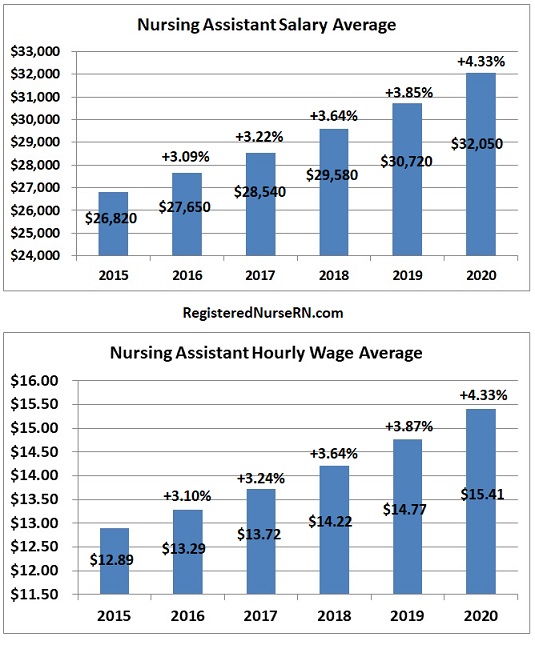
Pinpointing an exact average salary for every CNA in Florida is challenging due to the multitude of influencing factors. However, various reputable sources provide valuable insights into the typical earnings. These figures are dynamic and can change based on economic trends and healthcare industry demands.
National vs. Florida Averages
Nationally, the average annual wage for CNAs hovers around a certain figure, and Florida generally aligns with or slightly deviates from this national benchmark. It’s essential to look at data specifically for Florida to get the most relevant information. For instance, while the national average might be X, Florida might see averages closer to Y, influenced by its specific job market and cost of living.
Salary Ranges and Hourly Pay
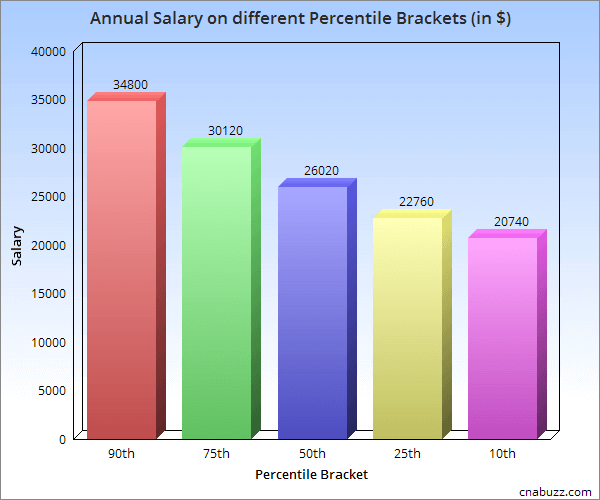
Based on recent data, the average annual salary for a CNA in Florida typically falls within a range, often between $28,000 and $36,000. This translates to an average hourly wage that can range from approximately $13 to $17. However, experienced CNAs, those working in high-demand areas, or in specialized roles can earn considerably more, potentially exceeding $40,000 annually. Conversely, entry-level positions in lower-cost-of-living areas might start at the lower end of this scale.
Highest Paying Cities for CNAs in Florida
Certain cities in Florida consistently offer higher compensation for CNAs. These urban centers often have a greater concentration of healthcare facilities and a higher demand for skilled healthcare professionals.
- Miami: As a major metropolitan area with a large population and numerous hospitals and healthcare systems, Miami often presents competitive CNA salaries.
- Orlando: With its growing population and expanding healthcare infrastructure, Orlando is another city where CNAs can expect to find higher earning potential.
- Fort Lauderdale: Similar to Miami, Fort Lauderdale and its surrounding areas offer robust healthcare employment opportunities with competitive salaries for CNAs.
- Tampa: This thriving city on the west coast of Florida also boasts a strong job market for CNAs, with many healthcare facilities contributing to higher average wages.
When considering job prospects, researching specific cities within Florida can provide a clearer picture of salary expectations.
Career Advancement and Earning Potential for CNAs
The role of a CNA is often a stepping stone into the broader healthcare industry. While the initial compensation may be modest, there are numerous avenues for career advancement that can lead to significantly higher earning potential. Pursuing further education, acquiring specialized skills, and moving into supervisory or specialized roles are all viable strategies for CNAs looking to enhance their income and career trajectory.
Transitioning to Higher-Paying Healthcare Roles
Many CNAs use their foundational experience to pursue further education and certifications in related healthcare fields. This is a common and highly effective path to increased earning potential.
- Licensed Practical Nurse (LPN): The transition from CNA to LPN is a popular choice. LPNs provide more advanced patient care than CNAs, administer medications, and work under the supervision of Registered Nurses (RNs) and physicians. The salary difference between a CNA and an LPN is substantial, often doubling the CNA’s average earnings. Many LPN programs are designed to be accessible for individuals with prior CNA experience.
- Registered Nurse (RN): For those aspiring to more comprehensive patient care responsibilities, critical thinking, and higher earning potential, becoming an RN is a significant career goal. RNs manage patient care plans, perform complex procedures, and often supervise LPNs and CNAs. The salary for an RN in Florida is considerably higher than that of a CNA. There are various pathways to becoming an RN, including Associate’s Degree in Nursing (ADN) and Bachelor of Science in Nursing (BSN) programs, with BSN-prepared nurses often commanding higher salaries and having more opportunities for leadership roles.
- Other Allied Health Professionals: CNAs can also explore careers in other allied health fields such as medical assisting, phlebotomy, or surgical technology after completing appropriate training and certification programs. These roles offer diverse work environments and varied salary scales.
Opportunities for Specialization and Management
Within the CNA role itself, there can be opportunities for increased responsibility and compensation through specialization or by taking on supervisory roles.
- Specialty Unit CNAs: Some hospitals or long-term care facilities may have specialized units (e.g., memory care, rehabilitation, palliative care) that require CNAs with specific training or experience. CNAs who develop expertise in these areas might be eligible for higher pay.
- Lead CNA or Supervisor: In some settings, experienced CNAs may have the opportunity to step into lead positions. These roles often involve supervising other CNAs, coordinating daily tasks, ensuring proper documentation, and acting as a liaison between CNAs and nursing management. These leadership roles typically come with an increase in salary and responsibility.
- Clinical Instructors: CNAs with extensive experience and a passion for teaching may find opportunities to become clinical instructors for CNA training programs. This role allows them to share their knowledge and skills with the next generation of CNAs.
By strategically planning their career path and investing in ongoing education and skill development, CNAs in Florida can significantly enhance their earning potential and build a stable, rewarding career in the healthcare field. The demand for compassionate and skilled caregivers is consistently high, making the CNA role a valuable entry point into a vital and growing industry.
LifeOutOfTheBox is a participant in the Amazon Services LLC Associates Program, an affiliate advertising program designed to provide a means for sites to earn advertising fees by advertising and linking to Amazon.com. Amazon, the Amazon logo, AmazonSupply, and the AmazonSupply logo are trademarks of Amazon.com, Inc. or its affiliates. As an Amazon Associate we earn affiliate commissions from qualifying purchases.