
Florida, often dubbed the Sunshine State, beckons millions of visitors annually with its pristine beaches, vibrant cities, and world-renowned attractions. From the magical allure of Walt Disney World in Orlando to the bustling nightlife of Miami’s South Beach, the state thrives on tourism, offering diverse experiences from serene natural landscapes like the Everglades National Park to the historic charm of St. Augustine. Integral to maintaining the safety and order that underpins this flourishing tourism and vibrant local lifestyle are the dedicated men and women of law enforcement. But what is the financial reality for those who serve and protect in this popular destination? Understanding a Florida police officer’s salary provides crucial insights not only into their personal livelihood and lifestyle choices but also the economic dynamics of working in a state synonymous with travel and leisure.

The financial compensation for a police officer in Florida is a complex mosaic, influenced by numerous factors ranging from geographical location and departmental size to years of experience and specialized skills. Unlike a uniform national standard, salaries can vary significantly, reflecting the diverse economic landscapes within the state. For those considering a career in law enforcement or simply curious about the life and earning potential of those who uphold peace in the Sunshine State, delving into these details is essential.
Understanding the Base Salary: Factors at Play
The starting point for any discussion about a Florida police officer’s earnings is the base salary. This figure is rarely static and is determined by a confluence of variables that dictate an officer’s initial compensation and subsequent growth potential throughout their career.
Experience and Tenure
As with most professions, experience is a significant driver of salary increases in law enforcement. A rookie officer fresh out of the police academy will naturally earn less than a seasoned veteran with a decade or more of service. Most departments in Florida operate on a step-and-grade system, where officers receive automatic pay raises based on their years of service. These incremental increases recognize loyalty, accumulated knowledge, and the invaluable wisdom gained through practical experience on the streets. For instance, an officer with 10 years on the force might command a salary considerably higher than their starting pay, reflecting their proven ability to handle complex situations, mentor newer officers, and contribute significantly to their agency’s mission.
Agency Size and Location
Perhaps the most impactful factor influencing a police officer’s salary in Florida is the specific agency they work for and its geographical location. Larger metropolitan police departments, such as the Miami-Dade Police Department, the Orlando Police Department, or the Tampa Police Department, generally offer higher starting salaries and more robust pay scales compared to smaller municipal departments in less populated areas. This often correlates with the higher cost of living in these urban centers, which are also major hubs for tourism and commerce.
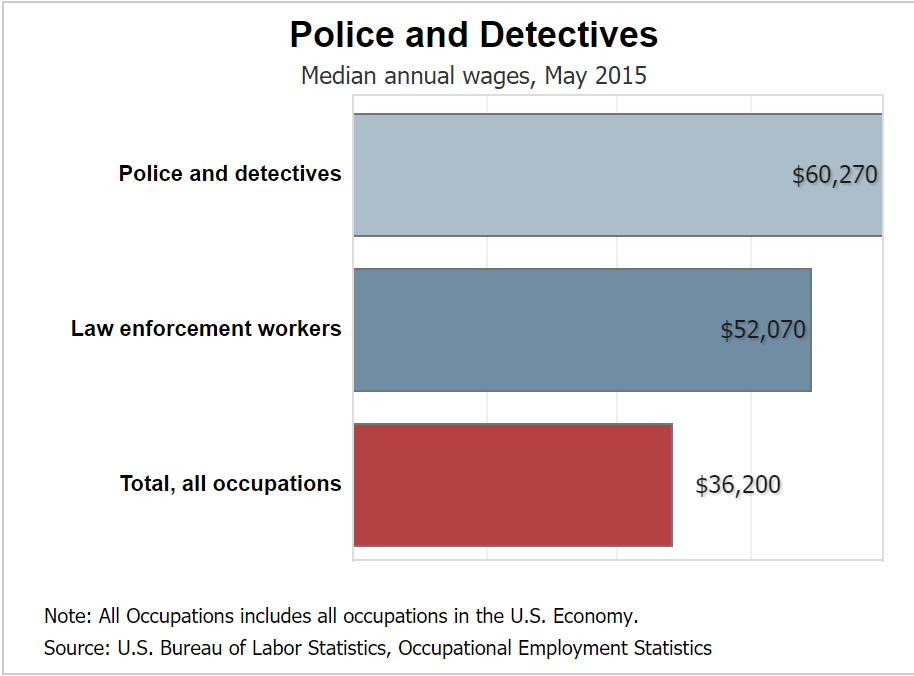
For example, an officer beginning their career in Miami or Fort Lauderdale might start in the mid-$50,000s to low-$60,000s, while a counterpart in a smaller town in North Florida might start in the low-$40,000s. These variations are crucial for officers considering where to live and work, impacting their ability to afford certain accommodations or maintain a desired lifestyle. Officers working for the Florida Highway Patrol, which operates statewide, also have a relatively competitive pay structure, often benefiting from the larger state budget.
Education and Specialization
While a college degree is not always a mandatory requirement for entry into law enforcement in Florida, many departments offer incentive pay for officers holding an Associate’s, Bachelor’s, or Master’s degree. This recognition of higher education highlights the increasing complexity of modern policing, which demands critical thinking, communication skills, and an understanding of diverse communities. Furthermore, officers who acquire specialized skills or certifications—such as K9 handling, SWAT team membership, forensic analysis, or marine patrol expertise in coastal areas like Key West or Sarasota—often receive additional pay or stipends. These specializations not only enhance an officer’s earning potential but also open doors to more diverse and engaging roles within their department, appealing to those seeking a varied and challenging career path.
Beyond the Paycheck: Comprehensive Benefits and Lifestyle
The discussion of a police officer’s compensation extends far beyond the base salary. A comprehensive benefits package significantly enhances an officer’s overall financial well-being and directly impacts their lifestyle, offering a level of security and opportunity that might not be immediately apparent from their take-home pay.
Health and Wellness
One of the most valuable components of a public safety career is access to comprehensive health insurance. Florida police officers and their families typically receive excellent medical, dental, and vision coverage, often with a significant portion of the premiums paid by the employer. This benefit provides immense financial relief, especially in a state where healthcare costs can be substantial. Beyond insurance, many departments offer wellness programs, gym memberships, and mental health support services, recognizing the physical and psychological demands of the job. These health benefits are not just practical; they contribute to an officer’s overall quality of life, allowing them to focus on their work and family without the added stress of exorbitant medical bills. This stability is particularly appealing to those who prioritize family well-being and seek a secure future, often enabling them to enjoy other aspects of the Florida lifestyle, such as recreational travel or exploring local culture.
Retirement and Pensions
A cornerstone of public service employment, and particularly vital for a demanding career like law enforcement, is a robust retirement plan. Most Florida police officers are enrolled in a state or municipal pension system, offering defined benefits upon retirement after a certain number of years of service. This ensures a stable income stream in their golden years, a crucial factor for long-term financial planning. The prospect of a secure pension can be a powerful incentive, allowing officers to plan for a comfortable post-service life, potentially including extensive travel, investing in a second home, or enjoying the many senior-friendly attractions Florida has to offer. Furthermore, many departments also offer deferred compensation plans (like 401k or 457 plans) where officers can contribute pre-tax income, often with employer matching contributions, further bolstering their retirement savings.
Paid Time Off and Work-Life Balance
Another substantial benefit that profoundly impacts an officer’s lifestyle and ability to engage in travel or leisure activities is paid time off (PTO). Florida police officers typically accrue generous vacation days, sick leave, and personal days. This accumulated time off allows them to take well-deserved breaks, spend quality time with family, pursue hobbies, or explore the myriad of destinations Florida offers, from a relaxing stay at a beach resort in Naples to an adventurous trip to the Florida Keys. The flexibility provided by PTO can significantly enhance work-life balance, reducing burnout and contributing to overall job satisfaction. For officers with families, the ability to plan annual vacations to Walt Disney World Resort or Universal Orlando Resort is a valued perk, made possible by both their earnings and their allotted time off.
Cost of Living vs. Earning Potential Across Florida
While competitive salaries and robust benefits paint a picture of financial security, the reality for a Florida police officer is profoundly shaped by the state’s diverse cost of living. Florida is a large state with significant variations in housing, transportation, and daily expenses, which directly impacts an officer’s disposable income and lifestyle choices.

High-Cost Tourist Hubs
Major tourist destinations and bustling metropolitan areas like Miami, Fort Lauderdale, Orlando, and Palm Beach are known for their vibrant tourism economies, luxurious accommodations, and high demand for real estate. Consequently, the cost of living in these areas can be considerably higher than the state average. Housing, whether renting an apartment or purchasing a home, often represents the largest expense. While police salaries in these areas are generally higher to compensate, officers might still find it challenging to afford living in desirable neighborhoods close to their workplace or to enjoy the same level of luxury travel and experiences as those in lower-cost areas.
An officer in Miami might earn a top-tier salary, but their purchasing power for housing could be constrained compared to an officer earning a slightly lower salary in a more affordable region. This often leads officers to commute from surrounding, less expensive communities, impacting their daily routine and free time. The proximity to world-class dining, upscale hotels, and popular landmarks like the Art Deco Historic District in South Beach or the Kennedy Space Center on the Space Coast certainly adds to Florida’s allure, but enjoying these amenities often requires careful budgeting.
More Affordable Regions
Conversely, many areas of Florida, particularly in the central and northern parts of the state or smaller coastal towns not heavily reliant on mass tourism, offer a significantly lower cost of living. Cities like Jacksonville, Gainesville, or the Panhandle region can provide a more favorable balance between salary and expenses. Officers working in these areas, even with potentially lower base salaries, might find their disposable income stretches further, allowing for a more comfortable lifestyle, greater savings, or increased opportunities for local exploration and shorter trips within the state. They might be able to afford larger homes, enjoy less expensive recreational activities, and experience a different facet of Florida’s lifestyle away from the major tourist throngs. This balance often influences an officer’s decision on where to serve, weighing the allure of higher pay against the realities of local expenses and desired quality of life.
Career Progression and Specialization: Path to Higher Earnings
The initial salary an officer receives is merely a starting point. The profession offers numerous avenues for career advancement and specialization, each providing opportunities for increased earnings and a more diverse range of responsibilities.
Specialized Units
For officers seeking to diversify their roles and enhance their earning potential, joining specialized units is a common path. These units demand additional training, expertise, and often come with supplementary pay. Examples include:
- SWAT (Special Weapons and Tactics): These elite teams respond to high-risk situations like hostage rescues, active shooter incidents, and high-risk warrant service. Members undergo rigorous training and receive additional pay for their specialized skills and inherent dangers.
- K9 Units: Officers paired with police dogs for patrol, tracking, and detection work receive specialized training and often a stipend for caring for their canine partners.
- Marine Patrol: In a state surrounded by the Atlantic Ocean and the Gulf of Mexico, marine units are crucial. Officers patrol waterways, respond to boating incidents, and enforce maritime laws, often receiving specialized pay for their expertise.
- Bomb Squad: Highly trained in identifying and disarming explosive devices, these officers operate in extremely dangerous environments, justifying additional compensation.
- Detectives/Investigators: Moving from patrol to investigative roles often involves a promotion in rank and a corresponding salary increase, reflecting the complex, long-term nature of criminal investigations.
Each of these specializations not only boosts an officer’s salary but also offers a more dynamic career path, appealing to those who thrive on unique challenges and continuous learning.
Leadership Roles
As officers gain experience and demonstrate leadership qualities, opportunities arise for promotion to supervisory and command positions. Roles such as Sergeant, Lieutenant, Captain, Major, and ultimately Chief of Police or Sheriff, come with significant increases in salary and responsibility. These positions require strong leadership, administrative skills, and a deep understanding of departmental operations and community needs. A Chief of Police in a major Florida city can earn a six-figure salary, reflecting the immense responsibility of overseeing an entire law enforcement agency and ensuring the safety of thousands or even millions of residents and tourists. These leadership roles are the pinnacle of a police career, combining strategic decision-making with the noble mission of public service.
The Broader Impact: Security, Tourism, and Community Life
The earnings of Florida police officers have implications that extend beyond their individual financial situations, directly impacting the state’s vital tourism industry and the overall quality of community life.
Ensuring Safe Journeys for Tourists
Florida’s reputation as a premier global travel destination hinges significantly on the safety and security it offers to visitors. Police officers play a critical role in maintaining this environment, patrolling popular landmarks like Busch Gardens Tampa Bay or the vibrant streets of South Beach, responding to incidents, and generally ensuring a secure atmosphere. Adequate compensation for these officers is essential for attracting and retaining high-caliber individuals dedicated to protecting residents and tourists alike. When officers are fairly compensated, it contributes to lower turnover, higher morale, and a more experienced, professional force, which in turn bolsters the state’s appeal as a safe place to visit and live. This directly supports the tourism economy, from hotel bookings to attraction ticket sales, making the officers’ role an indirect, yet powerful, economic driver.
Supporting Local Economies
The salaries and benefits earned by Florida police officers flow back into local economies. Officers purchase homes, rent apartments, shop at local businesses, dine at restaurants, and contribute to the tax base. This spending supports a wide array of industries, from real estate and construction to retail and services. Furthermore, their secure employment and consistent income make them reliable customers and community members, contributing to the stability and growth of the areas they serve. This economic contribution is a tangible benefit of investing in a well-compensated police force, reinforcing the intertwined nature of public service and economic vitality.
The Lifestyle of a Florida Officer
The lifestyle of a Florida police officer is a blend of demanding professional duties and the potential for enjoying the state’s unique offerings. While the job can be stressful, with irregular hours and significant responsibilities, the competitive salaries, comprehensive benefits, and opportunities for career progression allow many officers to lead fulfilling lives. They can afford to raise families in diverse communities, embark on family vacations to Florida’s many theme parks or natural landmarks, or pursue personal interests. Whether it’s living near the vibrant urban centers, enjoying the laid-back pace of a coastal town, or exploring the state’s natural beauty, their income and benefits are fundamental to shaping their personal and family lifestyle within the Sunshine State.
In conclusion, the question of “How Much Does A Florida Police Officer Make?” reveals a nuanced financial landscape. While average salaries provide a general benchmark, the true picture emerges when considering experience, location, agency size, education, and specialized roles. Furthermore, the robust benefits package, particularly health insurance and retirement plans, significantly augments the overall compensation. When balanced against the varied cost of living across the state, these factors shape the practical financial realities and lifestyle opportunities for the dedicated individuals who serve and protect in one of the world’s most popular travel destinations. Their commitment ensures the safety that allows Florida’s tourism and lifestyle to flourish, making their compensation a vital investment in the state’s present and future.
LifeOutOfTheBox is a participant in the Amazon Services LLC Associates Program, an affiliate advertising program designed to provide a means for sites to earn advertising fees by advertising and linking to Amazon.com. Amazon, the Amazon logo, AmazonSupply, and the AmazonSupply logo are trademarks of Amazon.com, Inc. or its affiliates. As an Amazon Associate we earn affiliate commissions from qualifying purchases.