
Navigating the Sunshine State often involves understanding the practicalities of life in Florida, and for many, this includes the cost of obtaining and renewing a license plate. Whether you’re a long-time resident, a new transplant, or a seasonal visitor, knowing the financial commitment associated with a Florida license plate is essential for compliance and budgeting. The price isn’t a single, fixed figure; rather, it’s a dynamic cost influenced by various factors, primarily the type of vehicle you own and the county in which you register it. This article will delve into the intricacies of Florida license plate costs, demystifying the fees and providing a comprehensive overview to help you prepare for this common, yet often overlooked, expense of motoring in Florida.

Understanding the Core Costs of a Florida License Plate
The cost of a Florida license plate is not solely determined by the plate itself but by a combination of state-mandated fees and county-specific surcharges. This tiered system ensures that revenue generated contributes to both statewide infrastructure and local services. At its heart, the price reflects the state’s need to identify registered vehicles, track ownership, and generate revenue for road maintenance, public safety initiatives, and other essential government functions.
Base Registration Fees
The foundation of your license plate cost is the base registration fee, which varies significantly depending on the type and weight of your vehicle. For passenger cars, this fee is generally modest. However, larger vehicles, such as trucks, RVs, and commercial vehicles, incur higher base fees due to their increased impact on road infrastructure and potential for commercial use. For instance, a light-duty pickup truck will have a different base fee than a heavy-duty commercial truck. The Florida Department of Highway Safety and Motor Vehicles (FLHSMV) provides detailed fee schedules that outline these base costs, which are subject to change by legislative action. It’s always advisable to consult the latest official documentation for the most up-to-date figures.
Additional State Fees and Taxes
Beyond the base registration, several other state-level fees are often bundled into the total cost. These can include fees for services like electronic titling, title transfer, and the issuance of registration certificates. Additionally, some counties may impose a local option county tax, which is a percentage of the vehicle’s value added to the registration fee. This tax is crucial to understand as it can significantly influence the overall price, especially for newer and more expensive vehicles. The state also collects a portion of these fees to fund specific programs, such as those aimed at improving traffic safety or environmental initiatives.
County-Specific Surcharges and Fees
The variability in license plate costs across Florida is largely attributable to county-specific surcharges. Each of Florida’s 67 counties has the authority to levy its own surcharges, which are collected at the time of initial registration and subsequent renewals. These surcharges are typically used to fund local transportation projects, law enforcement, or other county services. Therefore, a license plate for a car registered in Miami-Dade County might cost more than an identical vehicle registered in a less populous county like Liberty County. These local variations mean that a precise, statewide average is difficult to pinpoint without specifying the county of registration.
Factors Influencing License Plate Costs
Several key factors contribute to the final price tag of a Florida license plate, extending beyond the basic registration. Understanding these elements can help you anticipate the cost more accurately and make informed decisions when purchasing or registering a vehicle.
Vehicle Type and Weight
As previously mentioned, the type and weight of your vehicle are primary determinants of the registration cost. Passenger vehicles, including sedans, coupes, and SUVs, generally fall into lower fee brackets. However, as the vehicle’s gross vehicle weight rating (GVWR) increases, so does the registration fee. This applies to light trucks, heavier commercial vehicles, and even some types of recreational vehicles. The FLHSMV uses a classification system based on weight to assign the appropriate fee, ensuring that larger, heavier vehicles that place a greater burden on roadways contribute more to their upkeep.
Vehicle Age and Value (for certain fees)
While the base registration fee is primarily weight-based, some fees, particularly the local option county tax, are calculated as a percentage of the vehicle’s value. This means that newer, more expensive vehicles will incur higher fees than older, depreciated ones, even if they are of the same make and model. The state uses the Manufacturer’s Suggested Retail Price (MSRP) or a similar valuation method to determine the applicable tax, which is then prorated over the vehicle’s lifetime. This approach aims to capture revenue based on the vehicle’s initial economic impact.
Specialty Plates and Personalized Options
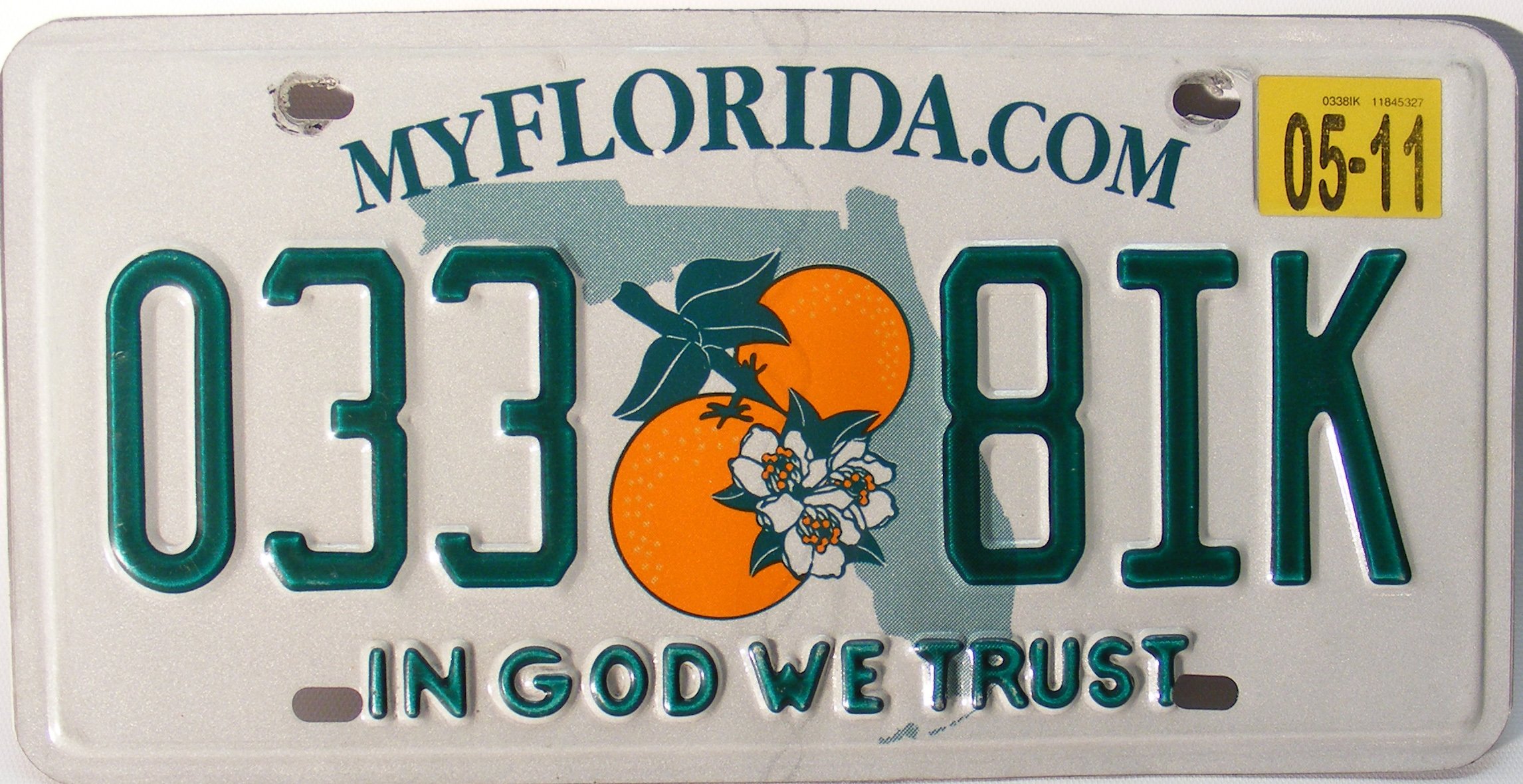
Florida offers a wide array of specialty license plates, often referred to as “vanity plates” or “prestige plates.” These plates feature unique designs and support various causes, organizations, or themes, such as environmental conservation, support for military veterans, or collegiate affiliations. While standard plates have a set fee, specialty plates come with an additional annual fee, which can range from a few dollars to $50 or more, depending on the plate’s design and the organization it benefits. Similarly, personalized plates, allowing drivers to choose custom letter and number combinations, also incur an extra fee. These options allow drivers to express their individuality or support for specific causes but come at a premium.
New Vehicle Registration vs. Renewal
The cost structure for a new vehicle registration will differ from the annual renewal process. When you first register a new vehicle in Florida, you will pay an initial registration fee, title fee, and potentially sales tax (or use tax) on the purchase price. Subsequent renewals, which are typically handled annually or biennially, will primarily involve the registration renewal fee and any applicable specialty plate fees. The initial registration often involves a higher upfront cost due to the titling and initial registration processes, while renewals are generally more straightforward and cost-effective.
Calculating Your Estimated License Plate Cost
While a precise, universally applicable figure for a Florida license plate is elusive due to the aforementioned variables, it’s possible to estimate your costs. The most reliable method involves consulting official resources and understanding the components that will be applied to your specific situation.
Using the FLHSMV Online Fee Calculator
The Florida Department of Highway Safety and Motor Vehicles provides a valuable tool on its website: an online fee calculator. This calculator allows you to input your vehicle’s type, weight, and the county in which you will be registering it. By doing so, you can receive a personalized estimate of your registration and title fees. This is the most accurate and recommended method for prospective and current vehicle owners to gauge their expected expenses. It takes into account all applicable state fees and the specific county surcharges you will encounter.
Sample Cost Scenarios
To illustrate the potential range, let’s consider a few hypothetical scenarios. For a standard passenger car (e.g., a sedan) in a county with moderate surcharges, the initial registration and annual renewal might fall within the $50-$100 range. This would include the base registration fee, plate fee, and county surcharges. For a larger vehicle, such as a light-duty pickup truck, the cost could be slightly higher, perhaps $75-$150 annually. If you opt for a specialty plate, add the additional annual fee for that specific plate to the total. For example, a specialty plate that costs an extra $25 per year would increase the overall annual expense by that amount. These are general estimates, and actual costs can vary.
What to Expect at the Tax Collector’s Office
When you visit your local County Tax Collector’s office to register your vehicle, you will be presented with a detailed breakdown of all the fees. The clerk will input your vehicle information into their system, which will then calculate the precise amount due based on state and county regulations. It’s wise to have a general idea of the expected cost from the online calculator, but be prepared for the exact figure presented at the counter. They will be able to explain each line item if you have any questions about the charges.
Beyond the Initial Purchase: Renewal Fees and Plate Transfers
The cost of a Florida license plate isn’t a one-time expense. You’ll need to renew your registration regularly, and there are also considerations if you decide to transfer a plate to a new vehicle. Understanding these ongoing costs is crucial for long-term vehicle ownership in the Sunshine State.
Annual and Biennial Renewal Costs
Most vehicle registrations in Florida are renewed on an annual basis, though some classifications may allow for biennial (two-year) renewals. The renewal fee typically includes the base registration fee, any applicable specialty plate fees, and county surcharges. As with initial registration, the renewal cost can fluctuate slightly from year to year due to legislative changes in fees or adjustments in county-specific surcharges. The FLHSMV sends out renewal notices in advance, providing a clear indication of the amount due.
Transferring a License Plate to a New Vehicle
If you purchase a new vehicle and wish to keep your existing license plate, Florida law generally allows you to transfer it. The process involves paying a transfer fee and any difference in registration fees if the new vehicle incurs a higher cost. For instance, if you are transferring a plate from a small sedan to a larger truck, you would likely have to pay the difference in the base registration fees. There is also a title fee associated with the new vehicle. The county tax collector’s office handles this process, and they can provide a precise quote based on your specific vehicle and plate transfer details.

Lost, Stolen, or Damaged Plates
In the unfortunate event that your license plate is lost, stolen, or damaged, you will need to obtain a replacement. There is a fee associated with issuing a new set of plates. This fee is generally modest and covers the cost of manufacturing and issuing the replacement plates. You will need to report the lost or stolen plate to the authorities and complete the necessary paperwork at the tax collector’s office to get your new plates. This ensures you remain compliant with Florida’s vehicle registration laws.
LifeOutOfTheBox is a participant in the Amazon Services LLC Associates Program, an affiliate advertising program designed to provide a means for sites to earn advertising fees by advertising and linking to Amazon.com. Amazon, the Amazon logo, AmazonSupply, and the AmazonSupply logo are trademarks of Amazon.com, Inc. or its affiliates. As an Amazon Associate we earn affiliate commissions from qualifying purchases.