
Florida, a land synonymous with sun-drenched beaches, world-class attractions, and vibrant cities, draws millions of visitors each year seeking memorable travel experiences. From the thrilling theme parks of Orlando to the bustling nightlife of Miami and the serene shores of the Gulf Coast, the Sunshine State offers an unparalleled array of destinations and activities. Yet, beneath the veneer of leisure and luxury, the economic realities of the state’s workforce play a crucial role in shaping both the visitor experience and the daily lives of its residents. A fundamental aspect of this economic landscape is the minimum wage. Understanding Florida’s’s minimum wage isn’t just a matter of compliance for businesses; it’s a key factor influencing everything from the cost of your vacation to the quality of service you receive at a resort or restaurant, and the overall lifestyle enjoyed by those who call this beautiful state home.
For travelers planning a trip, or those considering a move to the United States’s southeastern gem, knowing the current minimum wage provides valuable insight into the local economy. It helps contextualize prices for accommodation, dining, and various tourism-related services, while also shedding light on the economic well-being of the dedicated individuals who make Florida’s tourism engine hum. This article delves into the specifics of Florida’s minimum wage, its historical trajectory, its future projections, and the broader implications for both its thriving tourism sector and the diverse communities that comprise the state.
Understanding Florida’s Evolving Minimum Wage Landscape
Florida’s’s approach to the minimum wage is dynamic, shaped by both state legislation and a significant constitutional amendment. Unlike many states that strictly adhere to the federal minimum wage, Florida has established its own, typically higher, hourly rate. This reflects a commitment to ensuring a living wage for its workers, particularly in an economy where the cost of living in popular tourist destinations can be substantial.
The Current Minimum Wage in Florida
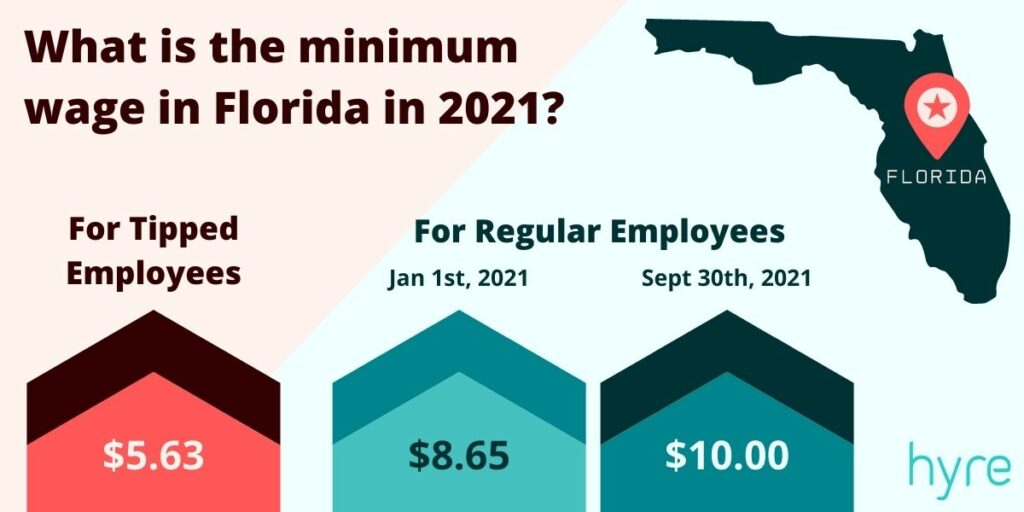
As of September 30, 2023, the minimum wage in Florida stands at $12.00 per hour. This rate applies to most non-exempt employees across the state. For tipped employees, the minimum cash wage an employer must pay is $8.98 per hour, with the understanding that tips will bring their total hourly compensation up to at least the standard minimum wage of $12.00. If the combination of the direct wage and tips does not reach the standard minimum, the employer is legally obligated to make up the difference. This structure aims to balance the unique dynamics of the service industry, where tips are a customary part of compensation, with the state’s broader wage standards.
It’s important to note that Florida’s minimum wage is not static. It increases annually, reflecting a proactive stance on worker compensation. These increases are generally announced by the Florida Department of Economic Opportunity and take effect at the end of September each year.
Projected Increases and Future Outlook
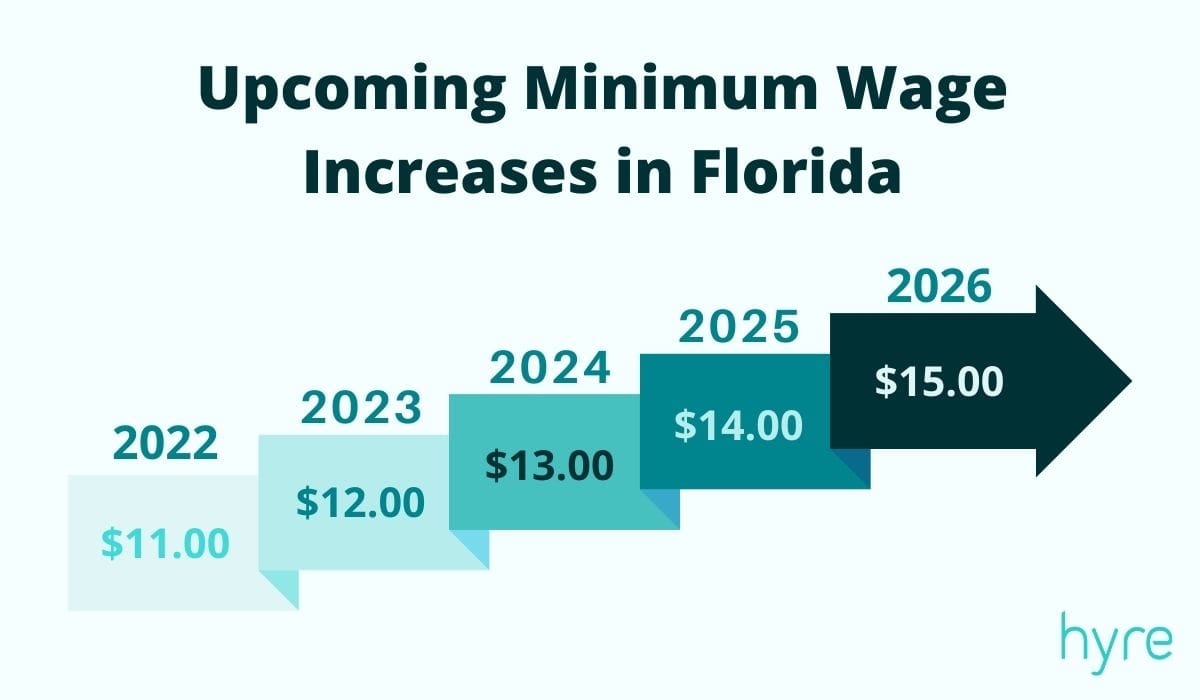
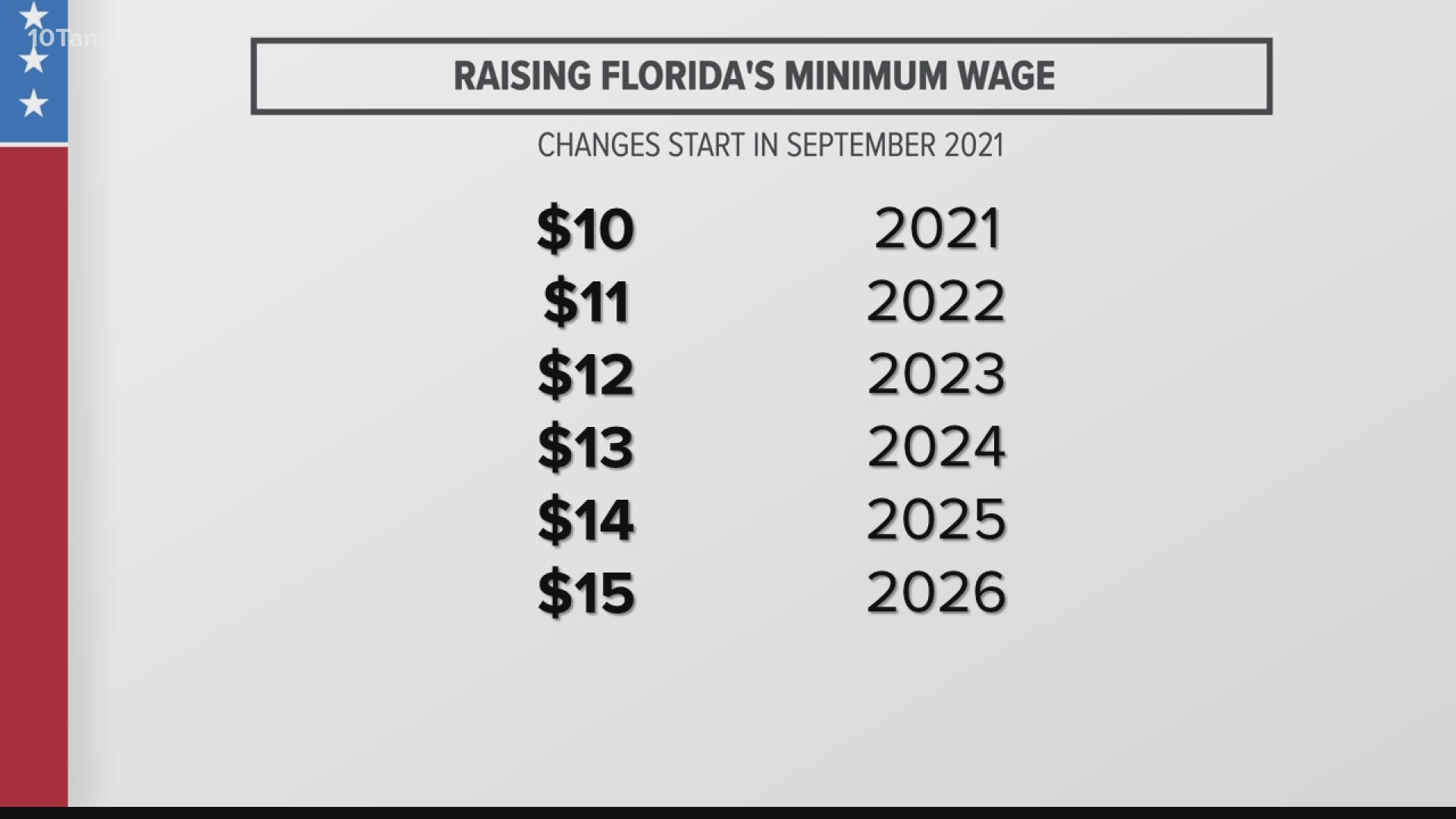
The trajectory of Florida’s minimum wage is set on a clear path towards a higher standard, thanks to Amendment 2, a constitutional amendment approved by voters in 2020. This amendment mandates a series of annual increases designed to reach a $15.00 per hour minimum wage by September 30, 2026.
Here’s the projected schedule for these increases:
- September 30, 2024: $13.00 per hour
- September 30, 2025: $14.00 per hour
- September 30, 2026: $15.00 per hour
After reaching $15.00 per hour in 2026, subsequent annual increases will be adjusted based on the cost of living, as measured by the Consumer Price Index for Urban Wage Earners and Clerical Workers (CPI-W). This forward-looking framework provides stability and predictability for both workers and businesses, allowing for strategic planning and adaptation. The incremental approach aims to mitigate potential shocks to businesses, particularly small businesses and those heavily reliant on hourly labor, while steadily improving the economic outlook for countless Florida residents. For travelers, this means a gradual adjustment in the cost of services, which businesses may pass on to consumers to cover increased labor expenses.
The Economic Ripple: Minimum Wage and Florida’s Tourism and Hospitality Sector
Florida’s economy is undeniably fueled by tourism. Millions flock to destinations like Walt Disney World Resort in Orlando, the pristine sands of Clearwater Beach, or the vibrant arts scene in Sarasota. This robust industry relies heavily on a dedicated workforce that provides everything from hotel services and culinary delights to retail assistance and thrilling attraction operations. Consequently, changes in the minimum wage have a profound and widespread impact on this critical sector.
Impact on Service Industry Employees
For the countless individuals working in Florida’s hotels, restaurants, theme parks, and tourist attractions, the rising minimum wage directly translates to an improved quality of life. A higher hourly rate can help bridge the gap between wages and the often-high cost of living in popular tourist hubs like Key West, Naples, or Miami. This can mean better access to housing, healthcare, and educational opportunities, fostering a more stable and satisfied workforce.
From a visitor’s perspective, a better-compensated employee can often lead to a more positive experience. Workers who earn a fair wage are generally more motivated, engaged, and less stressed, which can translate into better customer service. Imagine checking into a luxury hotel like The Breakers Palm Beach or enjoying a meal at a renowned restaurant in South Florida; the quality of service is intrinsically linked to the well-being of the staff. Furthermore, higher wages can help businesses in the tourism sector with recruitment and retention, reducing staff turnover and ensuring a consistent level of expertise and service quality. This is particularly crucial for large operations like Universal Orlando Resort or a major Hyatt Regency Orlando, where staff continuity is key to seamless operations.
Effects on Travel Costs and Consumer Experience
While beneficial for workers, the increasing minimum wage can lead to adjustments in prices for consumers. Businesses, particularly those with tight margins, may pass on increased labor costs through slightly higher prices for accommodation, dining, entertainment, and other services. This is a delicate balance: ensuring fair wages for workers while maintaining affordability and competitiveness for tourists.
For travelers, this might mean a modest increase in the overall budget for a Florida vacation. However, the impact is often nuanced. Luxury travel experiences, which already command premium prices, might see less noticeable percentage increases compared to budget travel options. On the other hand, for budget-conscious travelers, even small price hikes can influence decisions on where to stay or dine. The good news is that Florida’s diverse tourism market means there are always options available, from lavish suites and villas to more economical apartments and budget-friendly eateries. The overall consumer experience, while potentially slightly pricier, benefits from a more stable and motivated service industry.
Regional Variances and Specific Destinations
The impact of the minimum wage isn’t uniform across Florida; it often plays out differently depending on the specific region or city. In high-cost-of-living areas like Miami, Orlando, Key West, or Palm Beach, the minimum wage, even with its planned increases, might still feel modest when pitted against local expenses, especially for housing. This creates unique challenges for workers trying to live close to their workplaces in these tourist-heavy zones.
Conversely, in areas with a lower cost of living, the minimum wage might provide a more substantial boost to workers’ purchasing power. Cities like Jacksonville, St-Petersburg, or parts of the less-developed Atlantic Coast may experience different economic adjustments. Tourists visiting these diverse locales might find varying price points for services, reflecting the underlying economic conditions and local cost structures. Businesses in different regions may also adapt their pricing strategies differently based on local competition and consumer demographics. For example, a restaurant in bustling Fort Lauderdale might adjust prices differently than a similar establishment in a quieter, more residential part of the state.
Navigating Florida: Budgeting and Lifestyle Considerations for Visitors and Residents
Understanding Florida’s minimum wage not only provides economic context but also offers practical insights for anyone engaging with the Sunshine State, whether as a temporary visitor or a long-term resident. It’s about being informed and making smart choices that align with one’s lifestyle and budget.
Tips for Travelers: Planning Your Florida Trip Around Economic Realities
For travelers, incorporating the state’s economic realities into your trip planning can enhance your experience and help you manage expenses effectively.
- Estimate Daily Expenses: Factor in potential price adjustments for dining and activities. While major attractions like Walt Disney World Resort have fixed prices, local restaurants and smaller attractions might see incremental changes. Budget a little extra for spontaneity.
- Look for Deals on Accommodation: Florida boasts a vast range of accommodation options. Consider staying in reputable hotels or resorts during off-peak seasons (e.g., late spring or early fall, avoiding major holidays) for better rates. Exploring options slightly outside the immediate vicinity of major landmarks or theme parks can also yield savings.
- Understand Tipping Culture: In the United States, tipping is customary, especially in the service industry. While a higher minimum wage is intended to provide a better baseline, tips remain a significant part of many service workers’ income. Generally, a tip of 15-20% for good service is appreciated. Being aware of this cultural norm helps ensure you’re contributing fairly to the local economy and rewarding good service.
- Consider Transport Costs: Florida is expansive. If renting a car, factor in fuel costs and potential parking fees, especially in urban centers like Miami or Orlando. Rideshare services are also common, and their pricing can fluctuate based on demand and, indirectly, on operational costs including driver wages.
- Embrace Local Culture and Food: Exploring local markets, eateries, and lesser-known spots can often provide a more authentic and budget-friendly tourism experience compared to tourist traps. Engage with local businesses, where your spending directly supports the community and its workers.
Life in the Sunshine State: How Minimum Wage Shapes Local Lifestyles
For those considering a move to Florida or already residing here, the minimum wage is a direct determinant of lifestyle.
- Housing Affordability: This is perhaps the most significant challenge in many parts of Florida. Even with increasing minimum wages, housing costs, particularly for rentals in major cities and coastal areas, can be prohibitive. Understanding the minimum wage helps individuals calculate their earning potential against local rental and homeownership costs. This often leads to workers commuting from more affordable outlying areas, impacting daily life and infrastructure.
- Access to Amenities and Services: A higher minimum wage can allow workers to better afford essential services, from childcare to transportation and healthy food options. This improves overall quality of life and supports local economies beyond just the tourism sector.
- Community Health and Economic Vibrancy: The minimum wage contributes to the overall economic health of Florida’s communities. When more residents earn a living wage, they have more disposable income, which circulates back into local businesses, supports schools, and strengthens the tax base. This vibrancy, in turn, can contribute to a more pleasant environment for both residents and visitors, fostering a sense of pride and investment in local culture. Places like Daytona Beach or Everglades National Park, while distinct in their appeal, all rely on a functioning local economy where workers can thrive.
In conclusion, Florida’s minimum wage is far more than just a number; it is a vital economic lever influencing the daily fabric of the state. From shaping the cost of your next unforgettable vacation to impacting the quality of life for the dedicated individuals who make the Sunshine State shine, its evolution is a story of economic progress and adaptation. As Florida continues its path towards a $15.00 an hour minimum wage, both visitors and residents can expect a dynamic interplay of economic adjustments and improved living standards, ensuring that this beloved destination remains vibrant and welcoming for all.
LifeOutOfTheBox is a participant in the Amazon Services LLC Associates Program, an affiliate advertising program designed to provide a means for sites to earn advertising fees by advertising and linking to Amazon.com. Amazon, the Amazon logo, AmazonSupply, and the AmazonSupply logo are trademarks of Amazon.com, Inc. or its affiliates. As an Amazon Associate we earn affiliate commissions from qualifying purchases.