
Navigating the financial landscape of any destination is crucial for planning a fulfilling and stress-free trip. For those considering a getaway to the Sunshine State, understanding Florida’s tax structure is a key component of budgeting. While Florida is renowned for its pristine beaches, vibrant theme parks, and rich cultural tapestry, the question of “How Much Is The Tax In Florida?” often arises as travelers finalize their plans. This guide aims to demystify the various taxes that might impact your travel expenses, from sales tax on purchases to specific taxes on accommodations and attractions, ensuring you have a clear picture of what to expect financially during your Florida adventure.
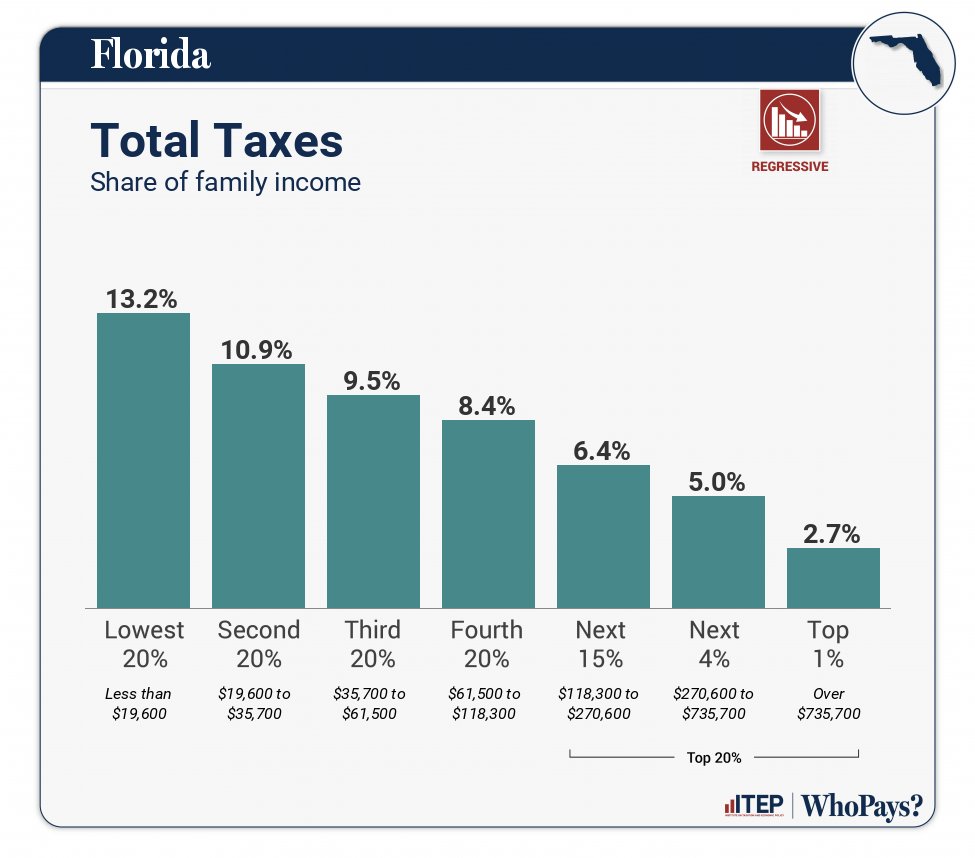
Florida’s tax system is a complex interplay of state, county, and sometimes even municipal levies. Unlike some other states, Florida does not impose a state income tax, which is a significant draw for many residents and visitors alike. However, this absence is compensated for by other forms of taxation, most notably sales and use tax. For travelers, this translates directly into the price of goods, dining, and services. Understanding these rates, and the nuances of how they are applied, can help you make informed spending decisions and avoid any unwelcome surprises.
State and Local Sales Tax: The Foundation of Your Spending
The most pervasive tax a traveler will encounter in Florida is the state sales tax, which forms the baseline for most retail transactions. This tax is applied to a wide array of goods and services, from souvenirs and clothing to dining out and entertainment. However, the total sales tax you pay will often be higher than the state rate due to the addition of local discretionary sales surtaxes, which vary significantly by county.
The Base State Sales Tax Rate
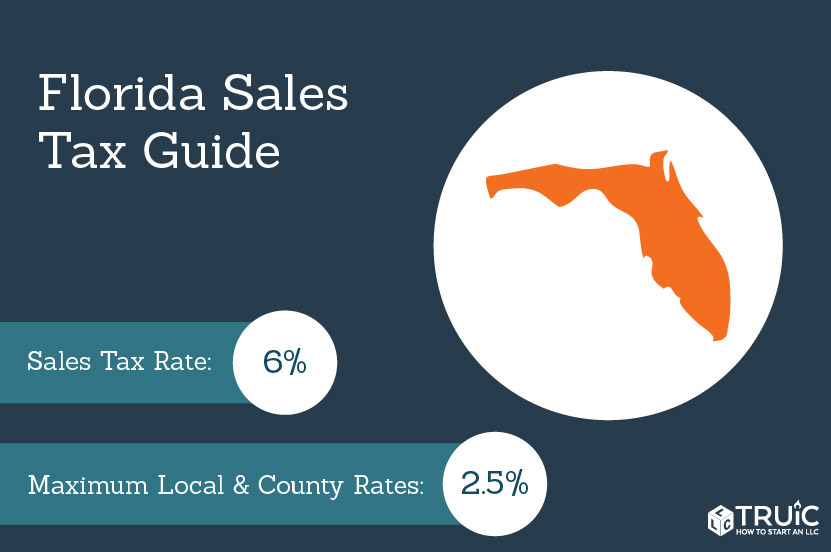
Florida’s statewide sales tax rate is a foundational element of its revenue generation. Currently, this rate stands at 6%. This means that for every dollar spent on taxable goods and services, 6 cents goes to the state government. This rate has remained relatively stable, providing a consistent benchmark for consumers. It’s important to remember that this 6% is just the starting point, and the actual tax paid will be a composite of state and local levies.
County and Municipal Surtaxes: A Patchwork of Additional Taxes
Beyond the state’s 6%, counties across Florida are authorized to levy their own discretionary sales surtaxes. These surtaxes are designed to fund local projects, infrastructure improvements, and public services. The rates for these surtaxes vary widely from county to county, and in some cases, even within different municipalities within a county. This variability is a critical factor for travelers to consider. For example, a purchase made in Miami-Dade County will likely have a different total sales tax rate than an identical purchase made in Orange County, home to many of the famous theme parks.
The combined state and local sales tax rate can range anywhere from 6% to as high as 8.5% or more in certain areas. For instance, popular tourist destinations often have higher local surtaxes to help fund the extensive infrastructure and services required to support their large visitor numbers. When you make a purchase or dine at a restaurant, the point-of-sale system will automatically calculate the correct combined rate based on your location. It is always prudent to factor in the higher end of potential sales tax rates when budgeting for your purchases in unfamiliar counties.
Taxable vs. Non-Taxable Items
It’s also important to note that not all items are subject to sales tax in Florida. Essential groceries, such as most unprepared food items, are generally exempt from sales tax. This is a common exemption in many states, aimed at easing the financial burden on residents for basic necessities. However, prepared foods, such as those purchased from a restaurant or a deli counter, are typically taxable. Similarly, prescription medications are usually exempt, while over-the-counter drugs may be subject to tax. Clothing, electronics, souvenirs, and most other retail goods are generally taxable. Understanding these distinctions can help you identify areas where your spending will be directly impacted by sales tax.
Accommodation and Tourist Taxes: Staying in the Sunshine State
When it comes to lodging, Florida’s tax structure includes specific levies designed to support the tourism industry itself. These taxes are in addition to the general state and local sales taxes and are often referred to as “tourist taxes” or “bed taxes.” These funds are typically reinvested into marketing the state as a tourist destination, maintaining attractions, and supporting tourism-related infrastructure.
State and Local Lodging Taxes
In addition to the standard sales tax, hotels, motels, and other forms of short-term rental accommodations in Florida are subject to a state tax and often a local option tax. The state imposes a tax on transient rental occupancy, which is typically 6%. This is the same rate as the general state sales tax, but it’s applied specifically to lodging services.
Following the state tax, counties and municipalities have the option to levy their own additional taxes on lodging. These are often referred to as “tourist impact taxes” or “convention development taxes.” These local taxes can add a significant percentage to your hotel bill, and their rates vary considerably depending on the specific location. For example, lodging in a major tourist hub like Orlando or Miami will likely incur higher lodging taxes than a stay in a less tourist-centric area. These local taxes can range from 1% to 5% or even higher, depending on the county and its specific tourism initiatives.
Taxes on Vacation Rentals and Short-Term Stays
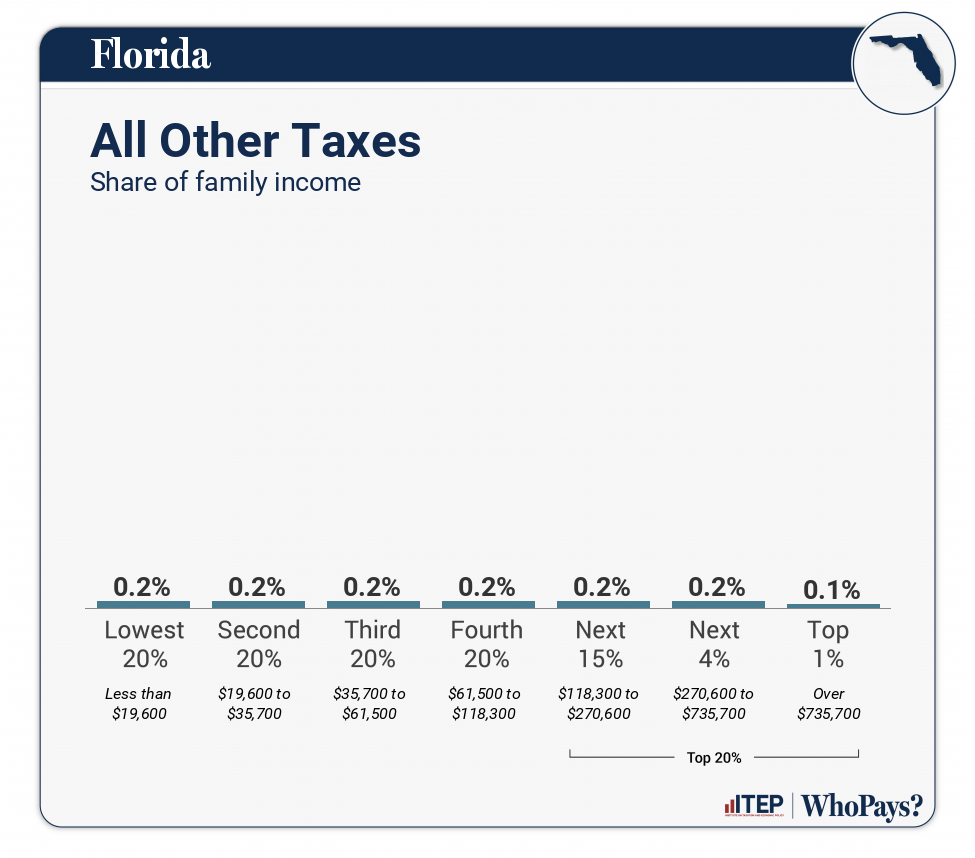
The rules for vacation rentals, such as those found on platforms like Airbnb or through property management companies, are generally consistent with hotels. These short-term rentals are also subject to both state sales tax and any applicable local tourist taxes. When booking a vacation rental, it is crucial to carefully review the total price, which should itemize all applicable taxes. Some platforms may automatically include these taxes in the displayed price, while others may present them as separate charges during the booking process or upon arrival. Understanding these charges upfront will prevent unexpected costs.
The distinction between a short-term stay (typically less than six months) and a long-term rental is important. Long-term residential leases are generally exempt from these lodging taxes, as they are not considered transient accommodations. This distinction is primarily relevant for individuals planning extended stays or relocation.
Taxes on Attractions and Entertainment: Enjoying Florida’s Offerings
Florida’s world-famous attractions, from theme parks to museums and sporting events, are also subject to taxation. While the primary tax here is the general sales tax, there can be specific considerations for entertainment venues and ticket sales.
Sales Tax on Attraction Tickets and Experiences
When purchasing tickets to theme parks like Walt Disney World Resort, Universal Orlando Resort, or Busch Gardens Tampa Bay, the price of the ticket will typically include the applicable state and local sales tax. The rate applied will be the combined rate for the county in which the attraction is located. For instance, a ticket purchased for a park in Orange County will be taxed at that county’s specific combined rate, which could be 6.5% or higher.
Some attractions might also offer special packages or merchandise that are subject to separate sales tax calculations. It is always advisable to check the fine print on ticket purchases and be aware that the advertised price may not always be the final price after taxes are added.
Taxes on Entertainment and Recreational Services
Beyond ticket sales, other forms of entertainment and recreational services are also subject to sales tax. This can include activities such as guided tours, boat rentals, theme park food and merchandise, and admission to attractions like the Everglades National Park or aquariums. The general rule of thumb is that if a service or good is taxable in Florida, it will be subject to sales tax, regardless of whether it’s part of a larger attraction or a standalone activity.
Some specific recreational activities might have unique tax treatments, but for the most part, travelers can anticipate the standard state and local sales tax rates applying to their entertainment expenditures. Keeping a general awareness of the sales tax rate in the area you are visiting will help you estimate these costs accurately.
Beyond Sales Tax: Other Potential Levies
While sales and lodging taxes are the most commonly encountered by travelers, Florida does have other taxes that could, in specific circumstances, affect your trip or your overall financial planning for your visit. These are less common for the average tourist but are worth noting for a comprehensive understanding.
Taxes on Rental Cars
Renting a vehicle to explore Florida is a popular choice for many visitors. Car rental companies in Florida are required to collect sales tax on the rental charges. This tax is typically calculated based on the state and local sales tax rates applicable at the location where the vehicle is rented. In addition to sales tax, there may also be other fees associated with car rentals, such as surcharges for airport rentals or environmental fees, which are not directly taxes but add to the overall cost.
Taxes on Alcoholic Beverages and Tobacco Products
Purchases of alcoholic beverages and tobacco products in Florida are subject to specific excise taxes in addition to the general sales tax. These excise taxes are levied on a per-unit basis and are designed to regulate consumption and generate revenue for specific state programs. While the sales tax will be applied to the final price of these items, the excise tax is often already factored into the shelf price you see at stores and bars. For travelers who consume these products, it’s an indirect cost that contributes to the overall pricing.
Property Taxes for Long-Term Residents or Property Owners
While not directly a tax on transient visitors, it’s worth mentioning that Florida relies heavily on property taxes for local government funding. For individuals considering a longer-term stay or purchasing property in Florida, understanding local property tax rates is essential. These rates vary significantly by county and municipality and are based on the assessed value of the property. This is a significant financial consideration for property owners but typically does not impact short-term tourists.
In conclusion, while Florida is a tax-friendly state in terms of income tax, its reliance on sales and lodging taxes means that travelers should factor these into their budgets. By understanding the state sales tax, the variability of local surtaxes, and the specific taxes on accommodations and attractions, you can plan your finances effectively and fully enjoy all that the Sunshine State has to offer. Always be mindful of the specific county you are visiting, as this will dictate the exact tax rates you will encounter.
LifeOutOfTheBox is a participant in the Amazon Services LLC Associates Program, an affiliate advertising program designed to provide a means for sites to earn advertising fees by advertising and linking to Amazon.com. Amazon, the Amazon logo, AmazonSupply, and the AmazonSupply logo are trademarks of Amazon.com, Inc. or its affiliates. As an Amazon Associate we earn affiliate commissions from qualifying purchases.