
Florida, often lauded as the Sunshine State, is a global beacon for travel, tourism, and lifestyle. Its allure, from the pristine beaches of the Emerald Coast to the vibrant cultural hubs of Miami and the magical realms of Orlando, draws millions of visitors and new residents annually. This dynamic growth, however, hinges significantly on a robust and stable economy, with the unemployment rate serving as a critical barometer. Understanding how much unemployment exists in Florida isn’t just a matter of economic statistics; it profoundly impacts everything from the quality of service at luxury resorts to the accessibility of local experiences, and ultimately, the lifestyle enjoyed by both residents and tourists.
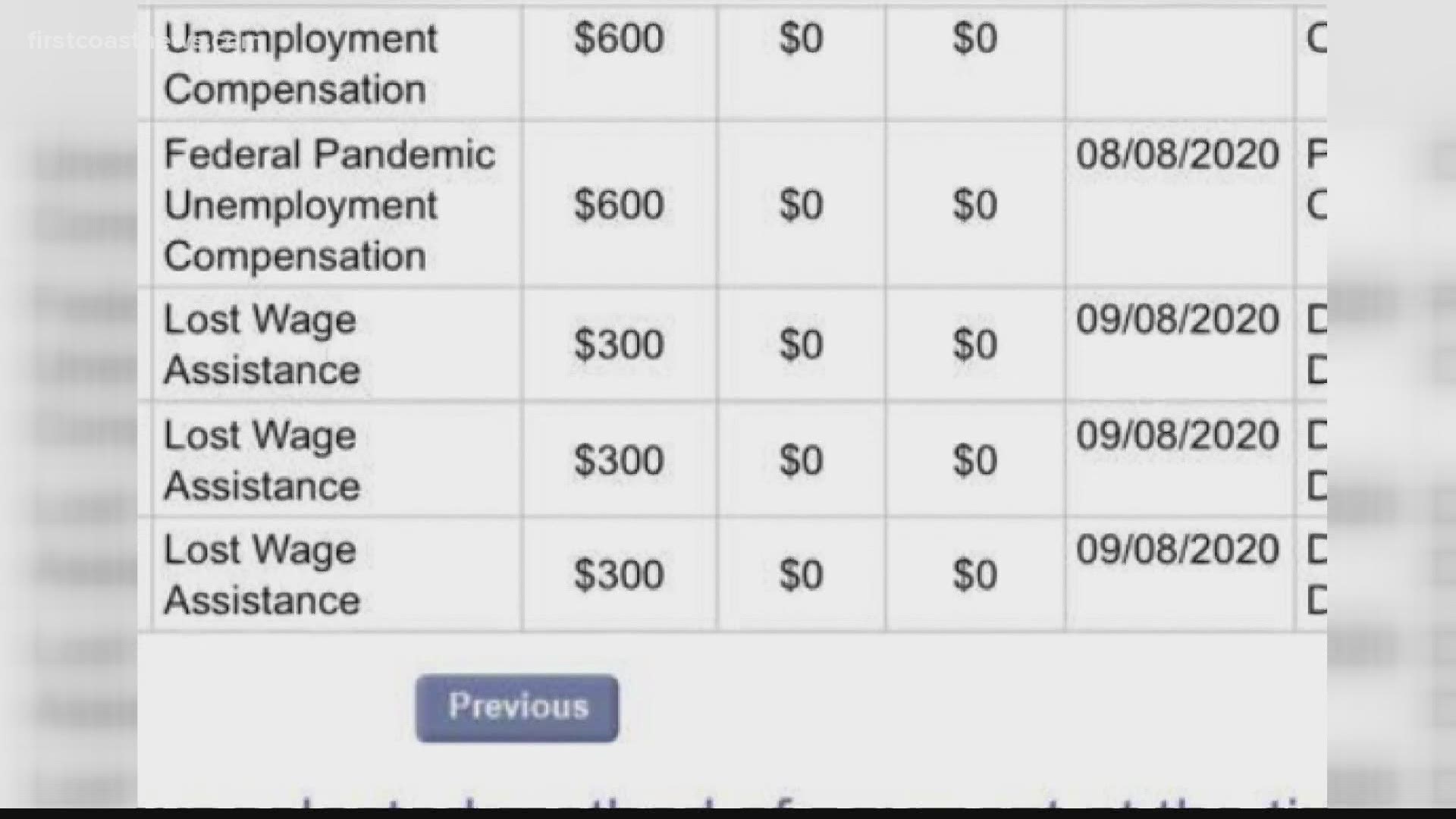
The state’s economic health, deeply intertwined with its dominant tourism and hospitality sectors, dictates the availability of jobs, the stability of local businesses, and the overall prosperity that fuels Florida’s global appeal. When unemployment rates are low, it often signals a thriving environment where businesses are expanding, jobs are plentiful, and consumer confidence is high – all crucial ingredients for a booming travel industry. Conversely, spikes in unemployment can indicate economic strain, potentially affecting everything from hotel staffing levels to the vibrancy of local attractions and even the long-term sustainability of the state’s tourism infrastructure. This article delves into Florida’s unemployment landscape, exploring its current status, historical trends, and its intricate connection to the state’s vital tourism and hospitality sectors, offering insights into how these economic factors shape the visitor experience and the lives of those who call the Sunshine State home.
Understanding Florida’s Evolving Job Market Landscape
Florida’s job market is as diverse and dynamic as its population. With a unique blend of global tourism, advanced manufacturing, agriculture, and a burgeoning tech sector, the state’s employment figures are constantly shifting, reflecting both internal growth and broader national and international economic trends. For anyone planning a trip, considering a move, or investing in accommodation, grasping these underlying economic currents is essential.
Current Statistics and Historical Context
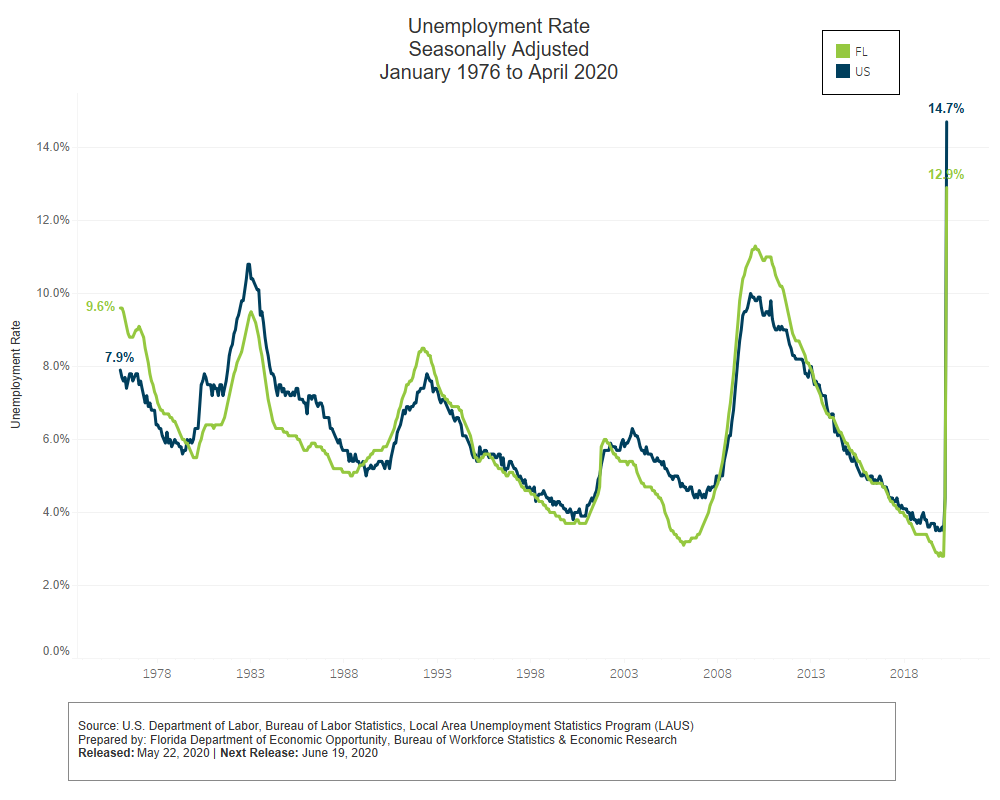
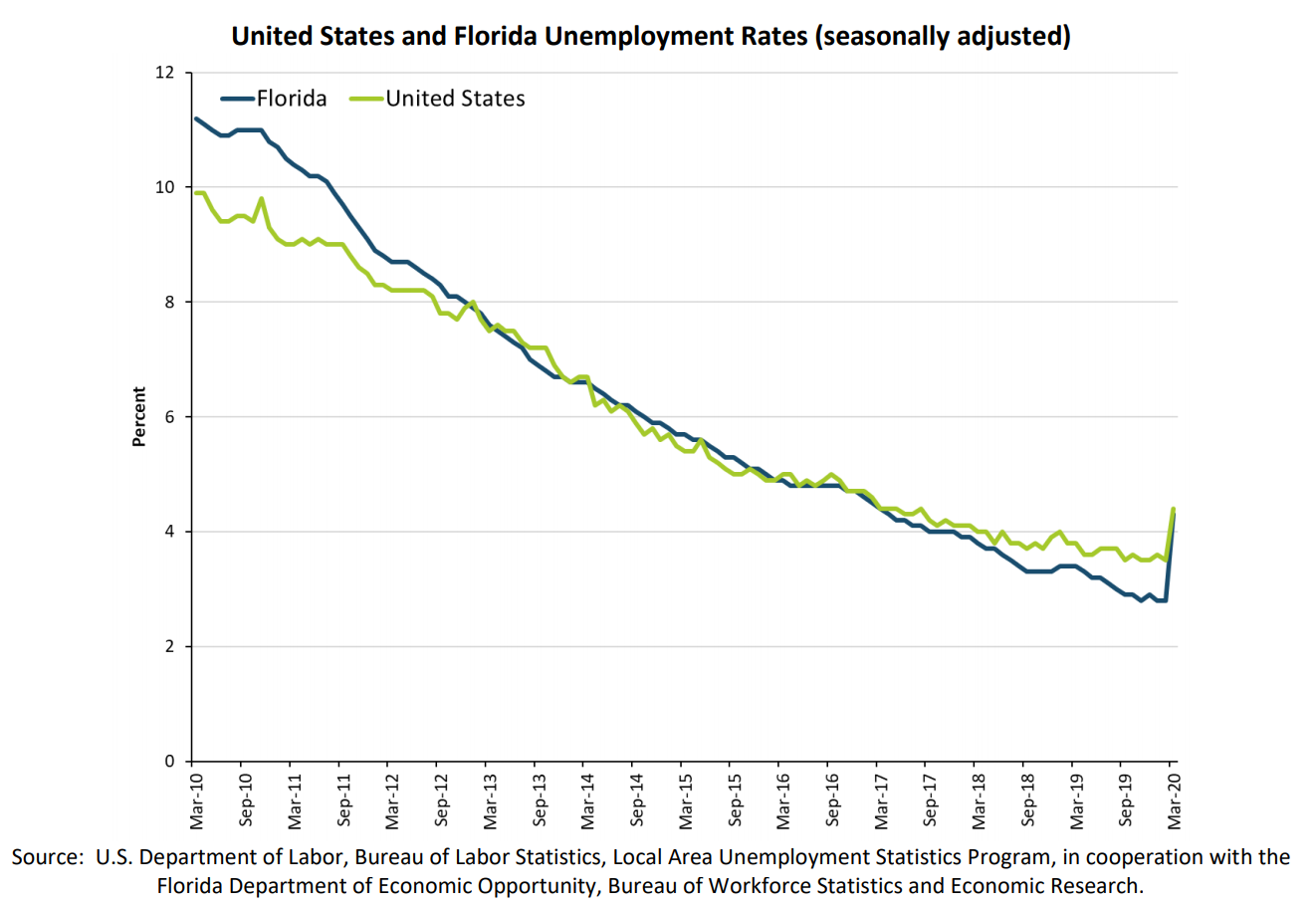
Historically, Florida has often boasted an unemployment rate that either mirrors or, in many boom periods, falls below the national average for the United States. This resilience is a testament to its strong population growth, business-friendly policies, and diverse economic drivers. For instance, in the years leading up to the global pandemic, Florida’s unemployment rate consistently hit multi-decade lows, often hovering in the low 3% range. This period saw unprecedented growth in new businesses and a robust demand for labor across various sectors, from entry-level positions in resort cleaning services to high-skill roles in aerospace.
The immediate aftermath of the pandemic, however, presented an unprecedented challenge. With travel restrictions, closures of attractions like Walt Disney World Resort and Universal Orlando Resort, and a dramatic drop in international visitors, Florida’s unemployment rate soared temporarily. Yet, the state demonstrated remarkable recovery, rapidly rebuilding its workforce as restrictions eased and demand for travel surged. This swift rebound highlighted the inherent strength and adaptability of Florida’s economy, underscoring its ability to absorb shocks and bounce back with vigor. Currently, Florida’s unemployment rate has largely stabilized, often remaining competitive with or even outperforming the national figures, a trend that is highly encouraging for the tourism industry and overall economic outlook.
Key Industries and Economic Drivers
The foundation of Florida’s job market is built upon several pillars, each contributing significantly to the state’s employment figures:
- Tourism and Hospitality: Undeniably the backbone, this sector encompasses everything from world-famous theme parks and luxury hotels to quaint bed and breakfasts and local tour operators. Cities like Orlando and Miami Beach are veritable hubs, with massive employers such as the Walt Disney World Resort and Universal Orlando Resort, along with countless smaller businesses throughout South Florida that cater to visitors. The health of this industry directly correlates with thousands of jobs in accommodation, food services, entertainment, retail, and transportation.
- Real Estate and Construction: The perpetual influx of new residents and businesses fuels a booming real estate market and a constant demand for construction. From residential developments in Tampa and Jacksonville to commercial projects transforming skylines in Miami, this sector provides a steady stream of employment opportunities.
- Agriculture: Beyond the beaches and theme parks, Florida remains a significant agricultural state. It leads in citrus production, and also cultivates a wide array of vegetables, sugarcane, and nursery products, sustaining a substantial rural workforce.
- Aerospace and Defense: The historic Space Coast, centered around Cape Canaveral, continues to be a hub for space exploration and defense contracting. This high-tech sector provides specialized jobs and contributes significantly to the state’s innovation economy.
- International Trade and Logistics: With deep-water ports like the PortMiami and Port Everglades, Florida serves as a vital gateway for trade between the United States and Latin America, the Caribbean, and beyond. This generates jobs in shipping, logistics, and related support services.
- Healthcare and Education: As a popular retirement destination, Florida has a robust healthcare industry. Coupled with a growing population, the education sector also experiences steady demand.
These diverse sectors act as a buffer, ensuring that economic downturns in one area do not cripple the entire state, thus contributing to a more stable overall unemployment picture.
The Interplay of Unemployment and Florida’s Tourism Sector
The relationship between Florida’s unemployment rate and its tourism sector is symbiotic. A healthy job market supports a thriving tourism industry, which in turn creates more jobs. Conversely, disruptions in one can send ripples through the other, affecting everything from service quality at five-star resorts to the operational efficiency of major attractions.
Impact on Hotels, Resorts, and Attractions
When unemployment is low, as it generally has been in Florida, the tourism and hospitality industries face specific challenges and opportunities. While a low unemployment rate often signals a strong economy, it can also lead to labor shortages in high-demand sectors like hospitality. Hotels, from the iconic The Don CeSar in St. Petersburg to the sprawling complexes of Universal Orlando Resort, require extensive staffing for everything from front desk operations to housekeeping, culinary services, and maintenance. Similarly, major attractions like EPCOT or Busch Gardens Tampa Bay rely on thousands of employees to ensure smooth operations, guest safety, and an immersive experience.
In a tight labor market, competition for skilled and even entry-level workers intensifies. This can lead to wage growth, which is beneficial for employees but can also increase operational costs for businesses. Resorts and attractions may need to offer more competitive salaries, benefits, and perks to attract and retain staff. This dynamic can affect pricing for visitors, though businesses strive to absorb costs where possible to remain competitive. More critically, labor shortages can directly impact the visitor experience. Long wait times at restaurants, slower check-in processes at hotels, or reduced service levels due to understaffing can detract from a vacation’s enjoyment. For a state that prides itself on world-class hospitality, maintaining an adequate and well-trained workforce is paramount to preserving its reputation as a premier travel destination. Hotels like the Hard Rock Hotel or Loews Portofino Bay Hotel invest heavily in training and retention programs to mitigate these challenges, understanding that their brand promise is built on exceptional service.
Seasonal Fluctuations and Regional Disparities
Florida’s tourism is inherently seasonal, a factor that significantly influences localized unemployment patterns. The state experiences distinct peak season and off-season variations, particularly in coastal and theme park regions.
- Peak Season: During winter months (snowbird season) and major holidays, regions like South Florida (e.g., Miami, Fort Lauderdale), the Florida Keys (e.g., Key West), and Orlando see a massive influx of tourists. This necessitates significant seasonal hiring across hotels, restaurants, retail, and attractions, temporarily lowering local unemployment rates as businesses staff up.
- Off-Season: The summer months, while still busy in Orlando due to family travel, often see a dip in other areas, especially along the Gulf Coast and Atlantic Coast outside of major holiday weekends. This can lead to temporary layoffs or reduced hours for seasonal workers, causing local unemployment figures to tick up. Similarly, smaller coastal towns like Naples, Sarasota, or those along the Emerald Coast experience pronounced swings based on tourist traffic.
Beyond seasonality, there are notable regional disparities in unemployment. Major metropolitan areas like Miami, Orlando, and Tampa generally have more diversified economies and a larger, more consistent job market. These urban centers often maintain lower and more stable unemployment rates due to the sheer volume of businesses and industries. In contrast, more rural counties, particularly those heavily reliant on agriculture or a single industry, can experience higher or more volatile unemployment rates. For instance, an agricultural county might see unemployment rise during harvest lulls, while a town like Gainesville, with a large university presence, might have a more stable base.
These regional differences highlight the complexity of interpreting Florida’s overall unemployment rate, as it can mask significant local variations that impact specific communities and their ability to attract or retain tourism-related businesses.
Navigating Employment Challenges and Opportunities
Florida’s continuous growth means that while unemployment might be low, the state faces the ongoing challenge of ensuring a skilled and sufficient workforce to meet demand. This is particularly crucial for the tourism sector, where the quality of human capital directly translates into the quality of the visitor experience.
Strategies for Workforce Development and Retention
To address the challenges of a tight labor market and ensure a steady supply of talent, Florida and its businesses are proactively implementing various strategies:
- State Initiatives: The Florida state government invests in workforce development programs aimed at training residents for in-demand jobs. These initiatives often focus on vocational skills, technological proficiency, and specialized training relevant to key industries like hospitality, healthcare, and advanced manufacturing. For instance, programs might focus on culinary arts, hotel management, or digital marketing for tourism businesses.
- Employer-Led Training and Benefits: Hotels, resorts, and major attractions are increasingly offering attractive compensation packages, comprehensive benefits, and extensive training programs to entice and retain employees. This can include competitive wages, health insurance, paid time off, and even assistance with housing or transportation, especially in high-cost areas like Key West or Boca Raton. Many also provide clear career progression paths, encouraging employees to view their roles as long-term careers rather than temporary jobs. Companies like Walt Disney World Resort and Universal Orlando Resort are known for their extensive employee training and development programs.
- Community College and Vocational School Partnerships: Local community colleges and vocational schools across Florida play a vital role in preparing the next generation of workers. They offer programs tailored to the needs of local industries, from hospitality management to culinary arts, plumbing, and electrical work, ensuring a pipeline of qualified individuals ready to enter the workforce.
- Talent Attraction: Efforts are also focused on attracting talent from outside the state, leveraging Florida’s desirable lifestyle and no state income tax. This helps to fill crucial skill gaps and ensures that businesses, including those in the tourism sector, have access to a broader talent pool.
The Future of Work and Lifestyle in Florida
The stability of Florida’s job market and its continued economic growth have profound implications for the lifestyle of its residents and the quality of experience for its visitors. A healthy job market means more disposable income for residents, supporting local businesses, restaurants, and attractions, and enhancing the overall vibrancy of communities.
- Remote Work and Migration: The rise of remote work has further impacted Florida’s job landscape. Many individuals and families have chosen to relocate to Florida, drawn by its climate, lack of state income tax, and appealing lifestyle, even if their employers are based elsewhere. This trend has not only boosted the housing market but also introduced new demographics and skills into the state’s talent pool. However, it also places additional demands on infrastructure and local services.
- Sustainable Lifestyle: A stable and growing job market contributes to a higher quality of life, allowing residents to enjoy the state’s myriad offerings. This includes accessing its world-class beaches like Siesta Key and Clearwater Beach, exploring natural wonders like Everglades National Park or Florida State Parks, and experiencing cultural events in cities from Tallahassee to Palm Beach. For visitors, this translates to well-maintained facilities, excellent customer service, and a vibrant local economy that enhances their overall travel experience. A thriving local economy, supported by low unemployment, means more opportunities for diverse dining, unique shopping, and authentic cultural engagement.
Future Outlook and Economic Resilience
Florida’s economic trajectory is largely positive, with ongoing diversification and strategic investments reinforcing its resilience against future economic headwinds. The state’s ability to maintain a low unemployment rate is crucial for sustaining this growth and enhancing its global appeal as a destination for both living and visiting.
Adapting to Economic Shifts
Florida’s economic resilience is increasingly built upon its capacity to adapt and diversify. While tourism remains central, the state is making concerted efforts to expand high-tech industries, advanced manufacturing, and financial services. This diversification lessens the state’s vulnerability to downturns in any single sector, creating a more stable and robust job market.
- Infrastructure Investment: Continuous investment in infrastructure, including expanding transportation networks, upgrading ports, and enhancing digital connectivity, supports job creation and improves efficiency for businesses, from small boutiques in St. Augustine to large corporate offices in Aventura.
- Innovation and Technology: Florida is actively fostering an ecosystem for innovation, attracting tech companies and startups. This not only creates high-paying jobs but also ensures the state remains competitive in the global economy. This includes developments around Orlando’s simulation industry and Miami’s burgeoning tech scene.
- Green Economy: As global priorities shift, Florida is also exploring opportunities in renewable energy and sustainable tourism, which can create new jobs while protecting its invaluable natural resources, from the pristine waters of Dry Tortugas National Park to the unique ecosystem of Lake Okeechobee.
Sustaining Growth in the Sunshine State
Maintaining a healthy and dynamic job market is pivotal for Florida’s sustained prosperity. Low unemployment translates into higher consumer spending, which circulates within the local economy, benefiting small businesses, cultural institutions, and ultimately, the quality of life for residents. For the tourism sector, this means a consistent availability of skilled staff, ensuring that visitors continue to receive exceptional service and memorable experiences at hotels, attractions like SeaWorld Orlando or Legoland Florida Resort, and local eateries.
Furthermore, a strong economic outlook encourages investment in new tourism infrastructure, such as new resorts in Kissimmee, enhanced attractions, and improved transportation links, which further bolsters the state’s appeal. The balance between economic development and preserving Florida’s unique natural landmarks and cultural heritage is an ongoing challenge, but a strong economy provides the resources to manage this balance effectively. Whether it’s protecting the historic charm of St. Augustine and its Castillo de San Marcos, or managing the environmental impact of development along the Florida Keys (e.g., Bahia Honda State Park), a prosperous state is better equipped to make these crucial investments.
In conclusion, the question of “How Much Is Unemployment In Florida?” is more than a mere statistical inquiry. It is a lens through which we can understand the underlying health and vitality of a state that epitomizes tourism and an enviable lifestyle. While the numbers may fluctuate, Florida’s general trend towards low unemployment, coupled with its strategic economic diversification, paints a picture of resilience and ongoing opportunity. This robust economic foundation is what enables the Sunshine State to continue offering unparalleled travel experiences, world-class accommodation, and a lifestyle that remains a dream for many across the globe. As Florida looks to the future, maintaining a dynamic and resilient job market will be crucial for its continued prosperity and its enduring appeal to residents and visitors alike, from the Panhandle cities like Destin and Panama City Beach to the upscale communities of Coral Gables and West Palm Beach, and all the charming islands such as Sanibel Island and Captiva Island.
LifeOutOfTheBox is a participant in the Amazon Services LLC Associates Program, an affiliate advertising program designed to provide a means for sites to earn advertising fees by advertising and linking to Amazon.com. Amazon, the Amazon logo, AmazonSupply, and the AmazonSupply logo are trademarks of Amazon.com, Inc. or its affiliates. As an Amazon Associate we earn affiliate commissions from qualifying purchases.