
For anyone considering a move to the Sunshine State, planning an extended vacation, or simply curious about the financial landscape, understanding how taxes impact your paycheck in Florida is paramount. Often lauded for its favorable tax policies, Florida presents a unique financial environment that directly influences personal budgets, the cost of living, and ultimately, the ability to indulge in the state’s renowned travel, tourism, and lifestyle offerings. From vibrant Miami to the magical Orlando theme parks, and the serene beaches of Sarasota, every aspect of life and leisure in Florida is intertwined with its tax structure. This guide delves into the specifics of what truly comes out of your paycheck, enabling you to better plan for unforgettable experiences, choose ideal accommodations, and embrace the distinctive Florida lifestyle.
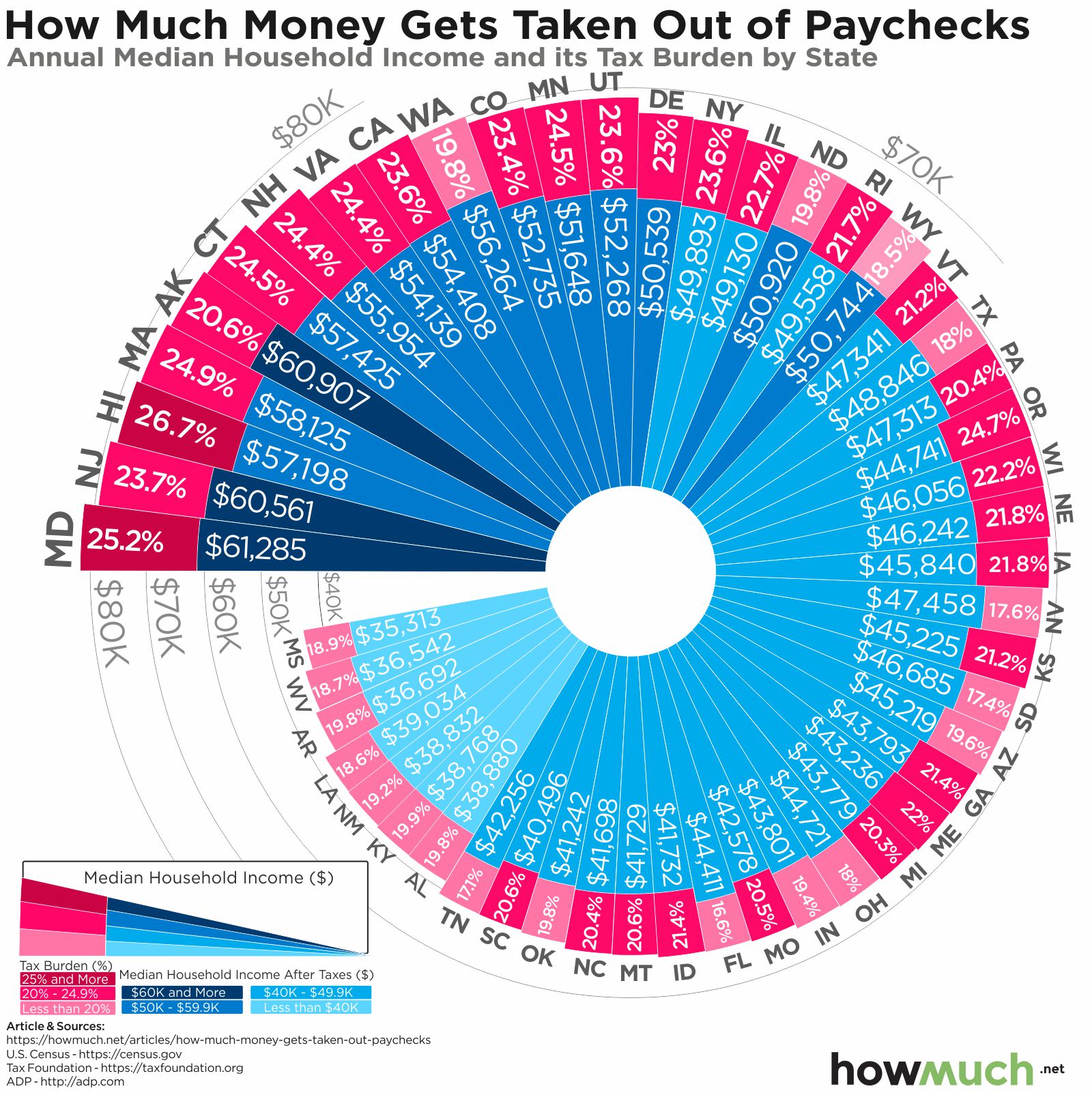
Unpacking Florida’s Unique Tax Environment
Florida’s tax system is a significant draw for many, particularly due to one prominent feature that sets it apart from the majority of other U.S. states. Understanding this fundamental aspect, along with the other taxes that do apply, is crucial for both residents managing their finances and visitors budgeting for their trips.
The Allure of No State Income Tax
The most celebrated financial advantage in Florida is the absence of a state income tax. This means that, unlike in many other states such as New York or California, your gross wages are not subject to a state-level deduction for income tax purposes. This policy directly translates into a higher net paycheck for individuals working in Florida, leaving more disposable income in their pockets.
For residents, this can significantly impact their ability to save, invest, or spend on lifestyle enhancements. Imagine the potential for greater savings towards a dream vacation to the Florida Keys, an upgrade to a luxurious suite at a Ritz-Carlton resort, or even simply more frequent dining experiences at Miami’s top restaurants. The absence of state income tax effectively provides a boost to every paycheck, offering a discernible financial advantage that can be channeled directly into enjoying the best the state has to offer, from exploring Everglades National Park to indulging in luxury travel experiences along the Gold Coast.
It’s important to clarify that while there’s no state income tax, federal income tax, Social Security, and Medicare taxes (FICA) are still deducted from paychecks in Florida, just as they are nationwide. These federal deductions are standard and based on your income level, filing status, and W-4 elections. The primary difference is the absence of that additional layer of state income tax, which can range from a few percent to over 10% in other states. This distinction often positions Florida as an attractive destination for retirees, remote workers, and businesses seeking a favorable tax climate.
Navigating Other Taxes in the Sunshine State
While the lack of state income tax is a major boon, it’s crucial not to overlook the other taxes that residents and visitors encounter in Florida. These taxes, while not directly deducted from your paycheck, significantly influence the overall cost of living and the expense of enjoying Florida’s vibrant tourism and accommodation sectors. Understanding them helps in comprehensive financial planning, whether you’re staying at a Hyatt Regency in Tampa or purchasing souvenirs in St. Augustine.
Sales Tax
Florida levies a statewide sales tax of 6%. However, many counties impose an additional discretionary sales surtax, bringing the total sales tax rate higher in specific areas. For example, in Miami-Dade County, the total sales tax can be 7%, while in Orange County (home to much of Orlando’s theme park action), it’s 6.5%. This tax applies to most goods and services purchased in the state, including everything from clothing and electronics to restaurant meals and certain entertainment admissions.
For tourists, this means that the price tag on that souvenir at Universal Studios Florida, your bill at a seafood restaurant in Key West, or the cost of a hotel room in Fort Lauderdale will have an added sales tax. When budgeting for your Florida vacation, it’s essential to factor in this additional percentage to avoid surprises. For residents, this sales tax affects nearly every purchase, making it an ongoing consideration in their daily financial planning.
Crucially, accommodation — including hotel stays, vacation rentals, and short-term apartment leases — is also subject to sales tax, often in addition to local tourist development taxes (which can vary widely by county). This “bed tax” or “resort tax” is a significant revenue generator for local governments and directly impacts the overall cost of booking a resort on Amelia Island or a long-term rental near Naples.
Property Tax
While not directly deducted from a paycheck, property taxes are a substantial expense for homeowners in Florida. These taxes are locally assessed by county and municipality and vary significantly based on the property’s value, location, and local millage rates. Property taxes fund local services like schools, police, and fire departments. For renters, property taxes are indirectly factored into rental prices, meaning that anyone residing in Florida is, in some way, contributing to or affected by this tax.
Understanding property taxes is particularly important for those considering purchasing a vacation home or investing in real estate for long-term stays. The cost of owning a beachfront villa on Siesta Key Beach will include not only the mortgage but also annual property tax bills, which can be substantial in prime locations. This, in turn, influences the broader accommodation market and the decisions travelers make when choosing between traditional hotels, vacation rentals, or serviced apartments.
Other Taxes
Florida also has other taxes that, while not direct paycheck deductions, contribute to the state’s economic landscape. These include a state fuel tax, which impacts transportation costs for both daily commutes and road trips across the state to destinations like the Kennedy Space Center Visitor Complex. There’s also a corporate income tax, which applies to businesses operating in the state, influencing the broader economy and job market. For employees, understanding these broader tax implications can provide a clearer picture of the financial environment in which they live and work.
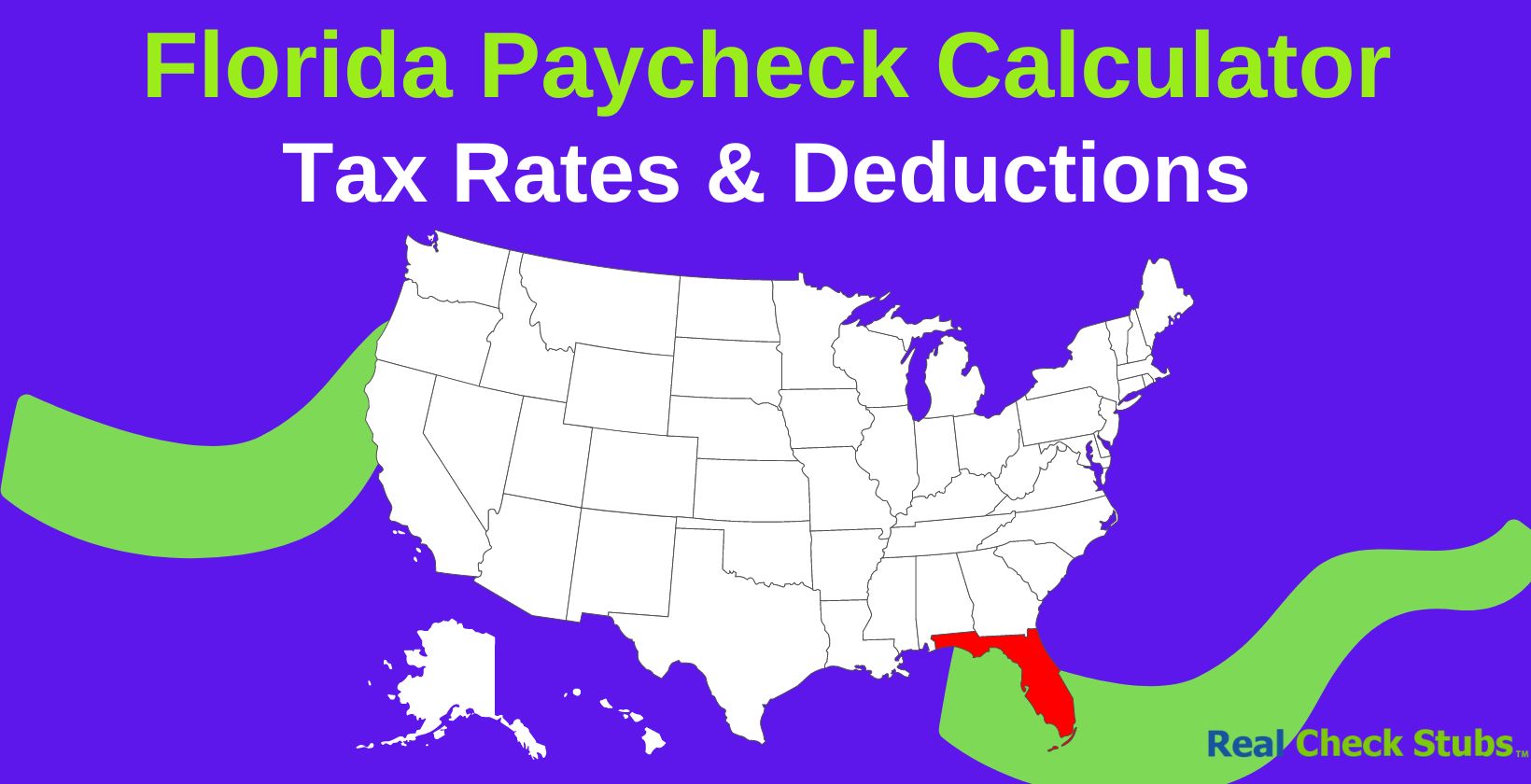
The Financial Impact on Florida’s Lifestyle and Tourism
Florida’s tax structure, particularly the absence of state income tax, has a profound impact on the lifestyle of its residents and the financial planning of its visitors. The increased disposable income means more flexibility to explore the state’s diverse attractions, indulge in unique experiences, and access a wider range of accommodation options.
Maximizing Your Budget for Travel and Experiences
The higher net pay for Florida residents translates directly into greater opportunities for leisure and travel, aligning perfectly with the ethos of “Life Out of the Box.” With more money available after federal tax deductions, individuals and families can allocate more funds towards experiencing the Magic Kingdom at Walt Disney World Resort, relaxing at a beach resort in Daytona Beach, or embarking on a cruise from Port Canaveral.
For residents, this could mean more frequent weekend getaways to St. Petersburg or Jacksonville, or the ability to invest in annual passes for theme parks like Epcot or Busch Gardens Tampa Bay. The financial breathing room allows for a more spontaneous and enriching lifestyle, where exploring the local culture, enjoying gastronomic adventures, and discovering hidden gems becomes more accessible.
For visitors, understanding Florida’s sales tax implications is key to accurate budgeting. When planning a trip to see the wildlife at Animal Kingdom or the cinematic attractions at Hollywood Studios, remember to factor in the sales tax on tickets, souvenirs, and dining. While you won’t directly benefit from the lack of state income tax, knowing that it contributes to a vibrant local economy with diverse offerings can enhance your appreciation of the destination. Smart travelers will account for sales tax on big-ticket items like premium attraction tickets or exclusive resort experiences to ensure their budget comfortably covers all desired activities.
Accommodation and Real Estate Considerations
The tax environment also plays a crucial role in Florida’s accommodation and real estate markets. For those planning a long-term stay or considering relocation, the interplay of property taxes, sales tax on rentals, and the overall cost of living becomes critical.
Property taxes directly influence the cost of homeownership and, by extension, the rental market. In popular tourist destinations like Orlando and Miami, higher property values can lead to higher property taxes, which are then often passed on to tenants through increased rental rates. For individuals seeking long-term accommodation, this means carefully researching property tax rates in different counties to understand the underlying costs influencing their housing expenses.
When it comes to short-term accommodation, such as booking a room at a Marriott International resort, a boutique hotel, or a vacation rental, the combination of state sales tax and local tourist development taxes can significantly add to the base rate. These taxes are an essential component of the “all-in” price for any booking. Savvy travelers often use online booking platforms that display these additional taxes upfront, helping them compare costs effectively. For example, a week-long stay at a luxurious Four Seasons property will incur a considerable amount in taxes, which should be factored into the overall travel budget. Understanding these charges enables visitors to select accommodation that truly fits their budget, whether they’re seeking a budget-friendly hostel in South Beach or an exclusive villa for a family reunion.
Strategic Planning for Florida Residents and Visitors
Navigating the financial landscape of Florida requires strategic planning, whether you’re a long-term resident enjoying the benefits of no state income tax or a visitor aiming to maximize your tourism experience. Informed financial decisions allow for a richer, more relaxed immersion in the Sunshine State’s diverse offerings.
Tips for Budgeting and Financial Planning
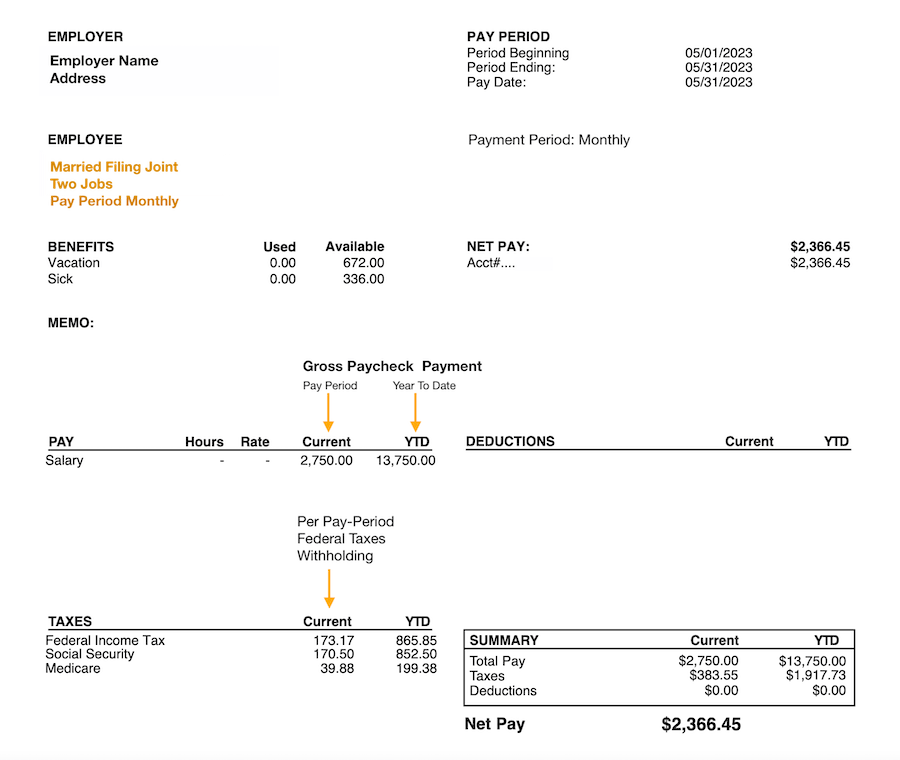
For new residents or those contemplating a move to Florida, understanding your net pay is the first step. While the absence of state income tax is a clear advantage, federal taxes and FICA deductions remain. Utilize online paycheck calculators to estimate your take-home pay accurately, factoring in your salary, federal withholdings, and any other pre-tax deductions like health insurance or retirement contributions. This clear picture of your disposable income will be instrumental in setting up a realistic budget for housing, utilities, food, and, importantly, your desired lifestyle and travel aspirations within the state. Consider how much extra you might have each month compared to a state with high income tax – this surplus can fund exciting experiences like scuba diving in Dry Tortugas National Park or a culinary tour of Miami’s diverse neighborhoods.
For visitors, anticipate costs beyond the sticker price. When budgeting for your Florida vacation, always add a buffer for sales tax on purchases, meals, and entertainment. Research local tourist development taxes for your chosen accommodation, as these can add 5% to 13% or more to your lodging bill, depending on the county. Many reputable hotels and booking sites will show these taxes during the reservation process, but it’s always wise to confirm the total cost upfront. Planning for these “hidden” costs means you won’t be caught off guard and can enjoy your trip to Florida’s landmarks and attractions without financial stress. Whether it’s a family trip to Walt Disney World or a romantic retreat to the Florida Keys, a well-planned budget enhances the entire experience.
The Broader Economic Picture and Lifestyle Benefits
Florida’s tax policies are not just about individual paychecks; they contribute to a broader economic environment that fosters growth, attracts businesses, and supports the vibrant tourism industry. The state’s appeal as a business-friendly environment leads to job creation and a dynamic marketplace, which in turn enhances the quality of life and the range of available services and amenities for residents and visitors alike.
The ability to retain more of your earnings directly correlates with an improved quality of life and greater flexibility for lifestyle choices. For some, this means the freedom to pursue early retirement in a sunny locale; for others, it means more discretionary income for family trips, investment in hobbies, or enjoying the state’s natural beauty. The tax savings can enable individuals to explore Florida’s incredible diversity, from the pristine beaches of the Gulf Coast to the thrilling theme parks of Orlando, and the rich cultural tapestry of Miami. This economic environment supports everything from budget travel to luxurious getaways at Hilton Hotels & Resorts, making Florida a destination that caters to a wide spectrum of preferences and budgets.
In essence, understanding how much tax is taken out of your paycheck in Florida is more than just a financial calculation; it’s a key to unlocking the full potential of life and leisure in this dynamic state. It empowers individuals to make informed decisions that enhance their personal finances, maximize their travel experiences, and fully embrace the unique and enticing lifestyle that Florida offers.
In conclusion, while federal taxes will always be a deduction from your paycheck, Florida’s distinctive lack of a state income tax means a higher take-home pay for residents. This significant advantage, when balanced with an understanding of state and local sales taxes, property taxes, and other levies, creates a comprehensive financial picture. For both those who call Florida home and those planning a visit, a clear grasp of this tax landscape is indispensable. It empowers you to budget effectively, choose your accommodations wisely, and ultimately, immerse yourself more fully in the incredible array of travel, tourism, and lifestyle opportunities that the Sunshine State proudly presents. With informed planning, your journey through Florida’s financial waters will lead to a truly rewarding experience, allowing you to live out of the box in this vibrant and ever-popular destination.
LifeOutOfTheBox is a participant in the Amazon Services LLC Associates Program, an affiliate advertising program designed to provide a means for sites to earn advertising fees by advertising and linking to Amazon.com. Amazon, the Amazon logo, AmazonSupply, and the AmazonSupply logo are trademarks of Amazon.com, Inc. or its affiliates. As an Amazon Associate we earn affiliate commissions from qualifying purchases.