
For many, the allure of Florida lies in its sun-drenched beaches, vibrant cities, and world-renowned attractions. It’s a premier destination for travelers seeking everything from thrilling theme park adventures to serene natural escapes. But beyond the postcard-perfect scenery and bustling tourist hubs, Florida also represents a land of immense opportunity, especially for those looking to build a rewarding career on the open road. Acquiring a Commercial Driver’s License (CDL) in the Sunshine State isn’t just about gaining a new qualification; it’s about unlocking a gateway to diverse career paths deeply intertwined with the state’s booming travel, tourism, and lifestyle industries.
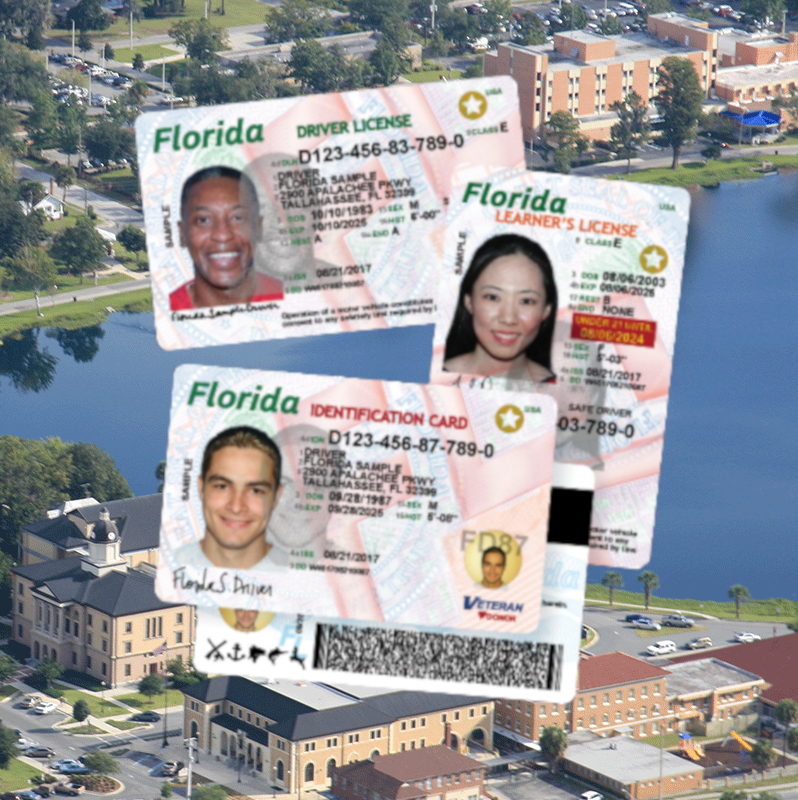
Imagine driving luxury coaches filled with excited tourists to Walt Disney World Resort in Orlando, transporting essential goods to five-star resorts in Miami, or navigating scenic routes with a tour group exploring the historic charm of St. Augustine or the natural beauty of Everglades National Park. A CDL in Florida positions you right at the heart of this dynamic environment, offering not just a job, but a lifestyle that combines professional driving with the thrill of contributing to unforgettable travel experiences. This comprehensive guide will walk you through everything you need to know about obtaining your CDL, linking each step to the incredible possibilities that await you in Florida’s thriving economy.
Unlocking New Horizons: Why a CDL in Florida is Your Ticket to Travel & Tourism
Florida’s status as a global tourism magnet means there’s a constant, high demand for skilled commercial drivers. Whether it’s ensuring the smooth operation of hotel shuttles, facilitating grand tours, or keeping supply chains running for countless attractions and businesses, CDL holders are the unsung heroes who make the Sunshine State’s tourism engine hum.
The Sunshine State’s Demand for Skilled Drivers
The sheer volume of visitors and residents moving across Florida necessitates a robust transportation infrastructure, heavily reliant on professional drivers. This creates a fertile ground for CDL holders in various sectors:
- Luxury Coach and Tour Operators: Companies specializing in guided tours, whether to Universal Orlando Resort, Busch Gardens Tampa Bay, or scenic drives through The Florida Keys, are always seeking drivers who can offer a comfortable and safe experience. These roles often combine driving with customer service, making every journey part of the overall travel experience.
- Hotel and Resort Shuttles: Major resorts and hotels, particularly around busy airports like Orlando International Airport and Miami International Airport, rely on CDL drivers to transport guests to and from terminals, local attractions, and convention centers. This is a direct link to the accommodation sector, ensuring guests begin and end their stays seamlessly.
- Cruise Line Transportation: With bustling cruise ports like Port Canaveral and Port Everglades serving millions of passengers annually, there’s a significant need for drivers to shuttle passengers between airports, hotels, and the cruise terminals.
- Logistics for Attractions and Events: From delivering supplies to theme parks and museums to transporting equipment for large-scale events and festivals, CDL drivers are crucial in ensuring the myriad attractions and lifestyle events across Florida run smoothly. This includes everything from food and beverage delivery to prop and staging transport.
- Specialized Travel Services: Think about driving large RVs for luxury glamping experiences, transporting specialized vehicles for outdoor adventures, or even operating buses for corporate retreats at beautiful locations like Amelia Island or Naples.
A Lifestyle of Exploration and Opportunity
Beyond stable employment, a CDL in Florida offers a unique lifestyle. For those with a passion for travel and exploration, driving professionally can be incredibly rewarding. You’ll witness the changing landscapes from the urban sprawl of Tampa to the historic streets of Pensacola and the pristine beaches of Daytona Beach or Panama City Beach. This career path often grants a degree of independence and autonomy, allowing you to be the master of your journey while meeting people from all walks of life. It’s a chance to see Florida not just as a tourist, but as an integral part of its dynamic ecosystem, making a tangible impact on visitors’ experiences and local economies.
Navigating the Path to Your Florida CDL: Requirements and Types
Obtaining a CDL in Florida involves meeting specific eligibility criteria, understanding the different classes of licenses, and acquiring necessary endorsements. The process is designed to ensure that all commercial drivers are thoroughly prepared and capable of operating large, complex vehicles safely. The Florida Department of Highway Safety and Motor Vehicles (DHSMV) oversees this process, maintaining high standards for driver competence.
Essential Eligibility Criteria
Before you even consider which class of CDL is right for you, there are fundamental requirements you must meet:
- Age: You must be at least 18 years old to drive a commercial vehicle within Florida (intrastate). To drive across state lines (interstate), you must be at least 21 years old. Given Florida’s central role in nationwide logistics and travel, aiming for interstate eligibility opens up significantly more opportunities.
- Residency: You must be a legal resident of Florida and possess a valid, non-commercial Florida driver’s license.
- Driving Record: A relatively clean driving record is crucial. Certain disqualifications, such as serious traffic violations, DUIs, or specific criminal offenses, can prevent you from obtaining a CDL for a set period or permanently.
- Medical Certification: All CDL applicants must pass a Department of Transportation (DOT) physical examination performed by a certified medical examiner. This ensures you are physically and mentally fit to operate a commercial motor vehicle safely. You’ll receive a Medical Examiner’s Certificate (MEC) that must be kept current.
- Proof of Identity and Residency: You’ll need to provide documents verifying your identity, legal presence, and Florida residency.
Choosing Your Class: A, B, or C?
The type of CDL you pursue depends on the kind of commercial vehicle you intend to drive and the associated Gross Vehicle Weight Rating (GVWR) or Gross Combination Weight Rating (GCWR). Each class opens doors to different segments of the travel and tourism industry:
- Class A CDL: This is the most comprehensive CDL, allowing you to operate any combination of vehicles with a GCWR of 26,001 pounds or more, provided the vehicle being towed has a GVWR of more than 10,000 pounds. This includes tractor-trailers, large tour buses pulling baggage trailers, tanker vehicles, and flatbeds. A Class A CDL is ideal for those aspiring to drive luxury motor coaches for long-haul tours, transport large event equipment, or manage substantial cargo for resorts and attractions across Florida and beyond.
- Class B CDL: This license permits you to operate a single vehicle with a GVWR of 26,001 pounds or more, or a combination of vehicles where the towed unit has a GVWR of 10,000 pounds or less. Common vehicles include large straight trucks, city buses, dump trucks, and many types of large RVs. A Class B CDL with the appropriate endorsements is perfect for driving hotel shuttles, local tour buses in cities like Sarasota or Fort Lauderdale, or operating specialized vehicles for local events.
- Class C CDL: This is for vehicles designed to transport 16 or more passengers (including the driver), or vehicles that transport hazardous materials, that do not meet the criteria for a Class A or B CDL. This might include smaller passenger vans used for airport transfers or specific types of delivery vehicles. While less common for large-scale tourism, it can be valuable for niche transport services.
Endorsements: Tailoring Your Skills for Specialized Roles
Once you’ve chosen your CDL class, you’ll likely need one or more endorsements, which are special authorizations added to your CDL, allowing you to operate specific types of vehicles or transport certain cargo. For the travel and tourism industry in Florida, the most relevant endorsements include:
- P (Passenger) Endorsement: Absolutely essential for anyone looking to drive buses or any vehicle designed to transport passengers. This is critical for tour bus operators, hotel shuttle drivers, and intercity bus services. It requires a separate knowledge test and often a specific portion of the skills test.
- S (School Bus) Endorsement: While primarily for school buses, some private charter companies or resorts might operate specialized children’s programs that require this. It involves additional background checks and a specific knowledge and skills test.
- N (Tanker) Endorsement: Needed for transporting liquid or gaseous materials in tanks. While less common in passenger transport, it could be relevant for drivers transporting water for resort facilities, fuel for remote locations, or other liquid supplies.
- H (Hazardous Materials) Endorsement: Required for transporting hazardous materials. This often involves a rigorous background check and a specific knowledge test. While less common in typical tourism roles, it could apply to niche transport of specialized chemicals for attractions or research facilities in Florida.
- T (Double/Triple Trailers) Endorsement: Only for Class A CDL holders, this allows you to pull multiple trailers. While not directly linked to passenger transport, it’s vital for heavy hauling and logistics within the state, supporting large events or construction projects for new resorts and attractions.
The Journey Through Training and Testing
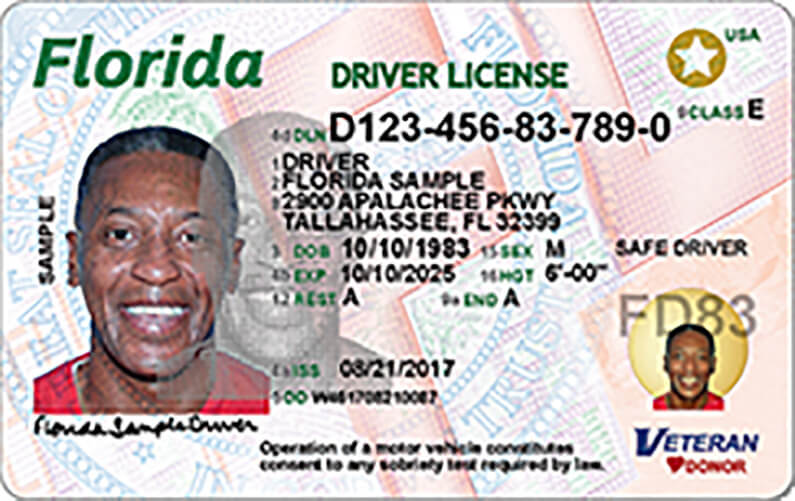
Obtaining a CDL is a rigorous process designed to ensure safety on the roads. It involves comprehensive training, passing multiple knowledge tests, and demonstrating proficiency through a hands-on skills test.
Comprehensive Training Programs: Your Foundation for Success
While it’s technically possible to study independently, enrolling in a reputable CDL training school in Florida is highly recommended. These schools offer structured programs that cover all aspects of commercial driving, including:
- Classroom Instruction: You’ll learn the rules of the road, federal and state regulations, vehicle systems, safety procedures, hazardous materials regulations, and basic mechanics. This theoretical knowledge is crucial for passing your written exams.
- Behind-the-Wheel Training: This is where you gain practical experience. Instructors will teach you how to handle large vehicles, perform pre-trip inspections, execute basic maneuvers (like backing and parallel parking), and safely navigate various road conditions. This hands-on experience is invaluable for building confidence and developing the skills needed for the road test. Many schools simulate routes and conditions you might encounter when driving for tour groups or shuttle services around Florida’s diverse regions, from the busy streets of Jacksonville to the more relaxed coastal highways.
- Endorsement-Specific Training: If you opt for endorsements like Passenger or HazMat, schools will provide targeted instruction to prepare you for those specific knowledge and skills tests.
Effective February 7, 2022, the Federal Motor Carrier Safety Administration (FMCSA) implemented the Entry-Level Driver Training (ELDT) regulations. This means that anyone applying for a Class A or Class B CDL, or a P or S endorsement, must complete a mandatory training curriculum from an authorized provider listed on the Training Provider Registry (TPR) before they can take their CDL skills test or HazMat endorsement knowledge test. This ensures a standardized, high level of training across the country.
Mastering the Knowledge Tests
Before you can get behind the wheel for the skills test, you must pass a series of written knowledge tests administered by the Florida DHSMV. These typically include:
- General Knowledge Test: Covers fundamental rules, regulations, and safety practices applicable to all commercial drivers.
- Air Brakes Test: Required if your vehicle is equipped with air brakes (most commercial vehicles are).
- Combination Vehicle Test: Necessary for Class A CDL applicants, covering specific knowledge related to safely operating combination vehicles.
- Endorsement-Specific Tests: Separate tests for each endorsement you wish to obtain (e.g., Passenger, Hazardous Materials, Tanker, School Bus, Double/Triple Trailers).
Thorough study of the Florida CDL Manual and practice tests are essential for success in these exams.
Acing the Skills Test: From Pre-Trip to Road
Once you’ve passed your knowledge tests and completed your ELDT training, you’ll be ready for the CDL skills test, which is typically divided into three parts:
- Pre-Trip Inspection: You must demonstrate to the examiner that you can thoroughly inspect your vehicle, identifying any potential defects or safety issues. This includes checking the engine compartment, exterior, interior, and air brake system. This meticulous check is vital, especially when you are responsible for the safety of passengers or valuable cargo.
- Basic Vehicle Control Skills Test: This segment assesses your ability to control the vehicle in a controlled environment. It typically involves maneuvers such as straight-line backing, offset backing, and parallel parking. Precision and smooth execution are key here, showcasing your command over the vehicle.
- On-Road Driving Test: The final and often most challenging part, where you’ll drive the commercial vehicle on public roads with an examiner. You’ll be evaluated on your ability to handle various traffic situations, follow traffic laws, use proper shifting techniques, execute turns, handle intersections, and demonstrate defensive driving skills. For drivers hoping to operate luxury coaches, this test is a simulation of the real-world responsibilities they’ll undertake, navigating Florida’s diverse road networks, from urban centers to scenic highways to popular tourist spots like Key West.
Passing all three parts of the skills test is the final hurdle. Upon successful completion, you will be issued your Florida CDL, opening up a world of opportunities.
Beyond the License: Life as a Commercial Driver in Florida’s Vibrant Landscape
With your CDL in hand, the possibilities in Florida are extensive and exciting, offering careers that are deeply integrated with the state’s most defining characteristics: travel, tourism, and a dynamic lifestyle.
Career Opportunities in a Tourist Paradise
The demand for CDL drivers extends throughout Florida, with particular hotspots in major tourist destinations and commercial hubs.
- Orlando: As the theme park capital of the world, Orlando offers numerous opportunities for passenger endorsement holders to drive shuttles for resorts, operate tour buses to attractions, or transport guests between the city’s myriad entertainment venues.
- Miami & Fort Lauderdale: These cosmopolitan cities are major cruise departure points, bustling international airports, and centers for luxury travel. CDL drivers are essential for moving passengers to and from Port Miami, Port Everglades, and various high-end hotels and resorts.
- Tampa & St. Petersburg: With a growing port, popular attractions, and a vibrant arts scene, the Tampa Bay area provides ample opportunities in logistics, local tours, and passenger transport.
- Jacksonville: As Florida’s largest city by land area, Jacksonville is a significant commercial hub, offering roles in freight, port operations, and regional deliveries.
- The Florida Keys: From Key Largo down to Key West, the unique geography and intense tourist activity create demand for drivers who can navigate scenic, sometimes challenging, routes while providing a memorable experience for visitors.
- Coastal Resorts and Smaller Cities: Even smaller coastal towns and luxury resort communities in places like Sarasota, Naples, or Daytona Beach often require CDL drivers for local shuttles, deliveries, and specialized guest services.
Many companies in Florida specialize in niche travel experiences, from eco-tours requiring specialized transport to high-end event logistics for destination weddings or corporate retreats. Your CDL is the key to entering these diverse and often rewarding niches.
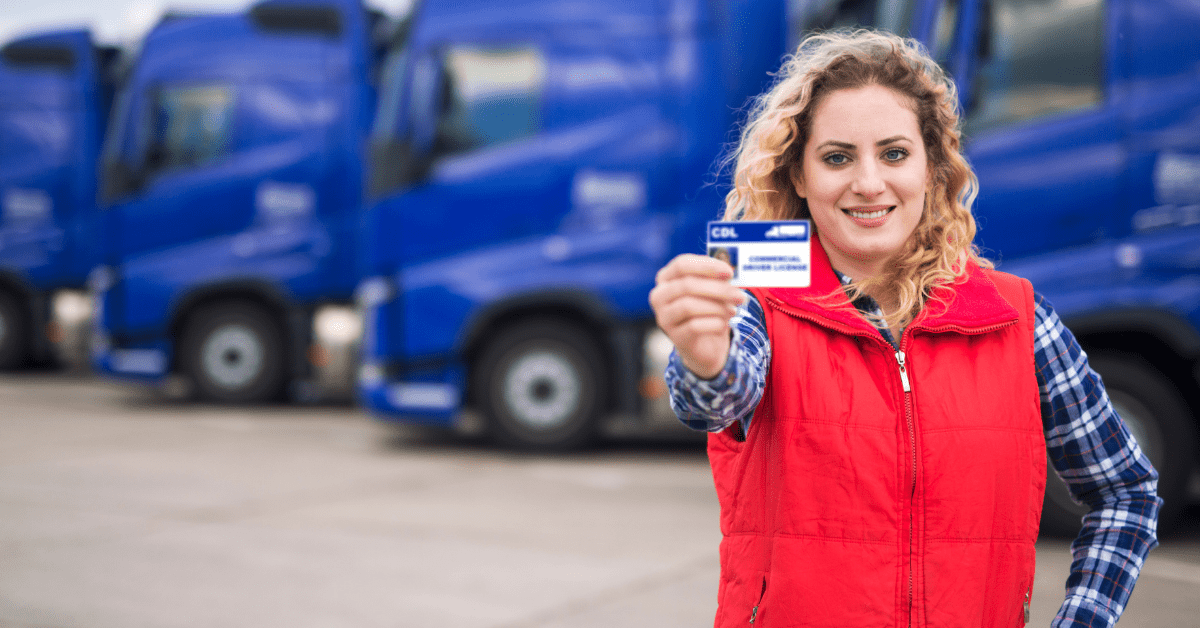
Embracing the Driver’s Lifestyle
Beyond the specific job roles, holding a CDL in Florida offers a lifestyle characterized by:
- Independence: Professional drivers often enjoy a high degree of independence, managing their routes and schedules (within company guidelines).
- Travel Benefits: While working, you’ll constantly be on the move, experiencing the diverse landscapes and vibrant communities of Florida. For many, this is a job that literally takes them places.
- Contribution to the Economy: You’ll play a direct role in supporting Florida’s vital tourism and logistics sectors, helping visitors create lasting memories and ensuring businesses thrive.
- Skill Development: Commercial driving requires continuous learning and adaptation, from mastering new routes to interacting with diverse groups of people, ensuring your skills remain sharp and relevant.
In a state that thrives on movement, exploration, and hospitality, a Commercial Driver’s License is more than just a permit to operate a large vehicle. It’s an invitation to a career path that is fundamental to Florida’s identity, offering stability, adventure, and the chance to be an integral part of countless travel stories. Whether your dream is to pilot luxury coaches along scenic coastal roads, ensure the seamless operation of a bustling hotel, or simply enjoy the freedom of the open road, obtaining your CDL in Florida is your first step towards an exciting and fulfilling journey.
LifeOutOfTheBox is a participant in the Amazon Services LLC Associates Program, an affiliate advertising program designed to provide a means for sites to earn advertising fees by advertising and linking to Amazon.com. Amazon, the Amazon logo, AmazonSupply, and the AmazonSupply logo are trademarks of Amazon.com, Inc. or its affiliates. As an Amazon Associate we earn affiliate commissions from qualifying purchases.